WTB's Aero Gravel Tires Claim 13.8 Watts — But Only If You're Moving
WTB's new Stromm-developed aero gravel tires claim up to 13.8W savings at speed. We break down the specs, weight variance, and who actually benefits.

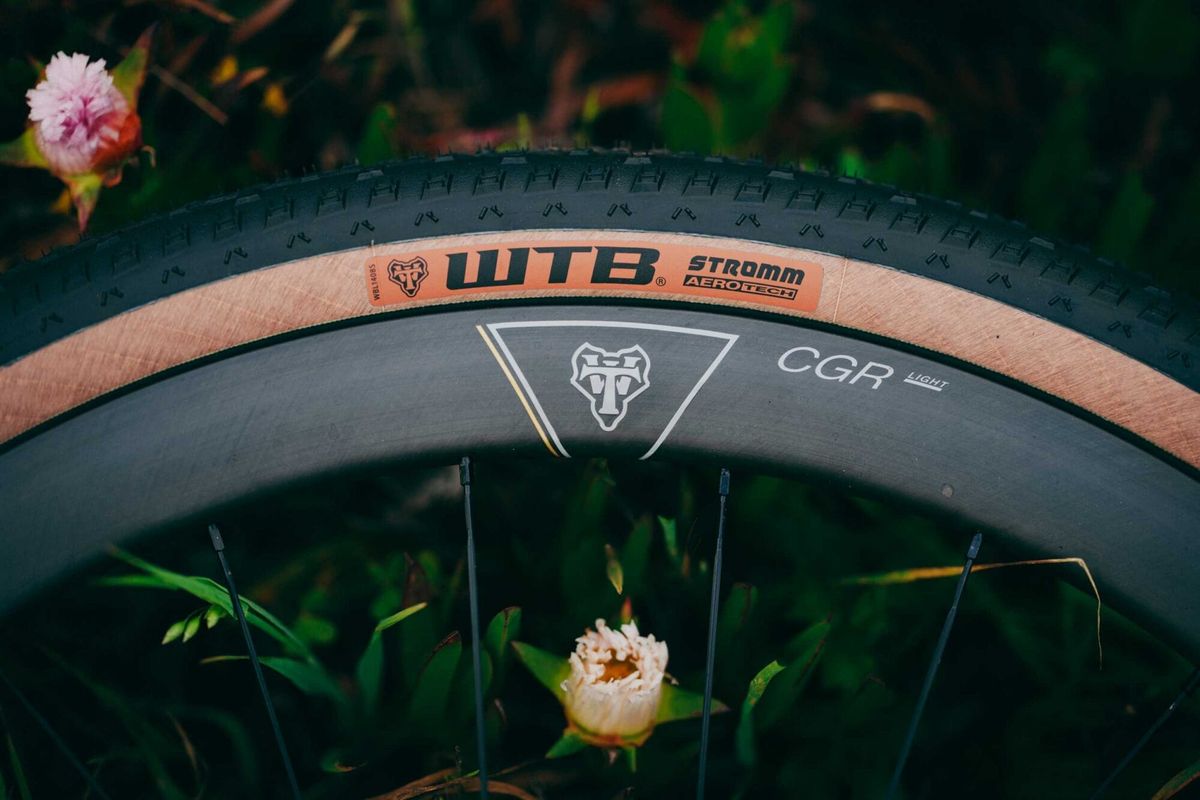
Aero gravel tires sound like a contradiction. You're rolling through dirt and gravel at speeds where aerodynamics shouldn't matter much — or so the conventional wisdom goes. WTB and Stromm are betting otherwise with three new high-volume tires featuring patent-pending sidewall treatments: trip strips and vortex generators molded directly into the rubber.
The claimed savings are meaningful if you ride fast. Stromm's velodrome testing showed 5.8 watts saved at 30 km/h, climbing to 13.8 watts at 40 km/h compared to identical control tires without the aero features. They tested both clean and dirty tires, which matters — sidewall knobs that only work fresh out of the box aren't worth much. Whether those velodrome numbers translate to a mixed-surface gravel ride with crosswinds and varied speeds is another question entirely. Controlled testing and real-world conditions rarely align perfectly.
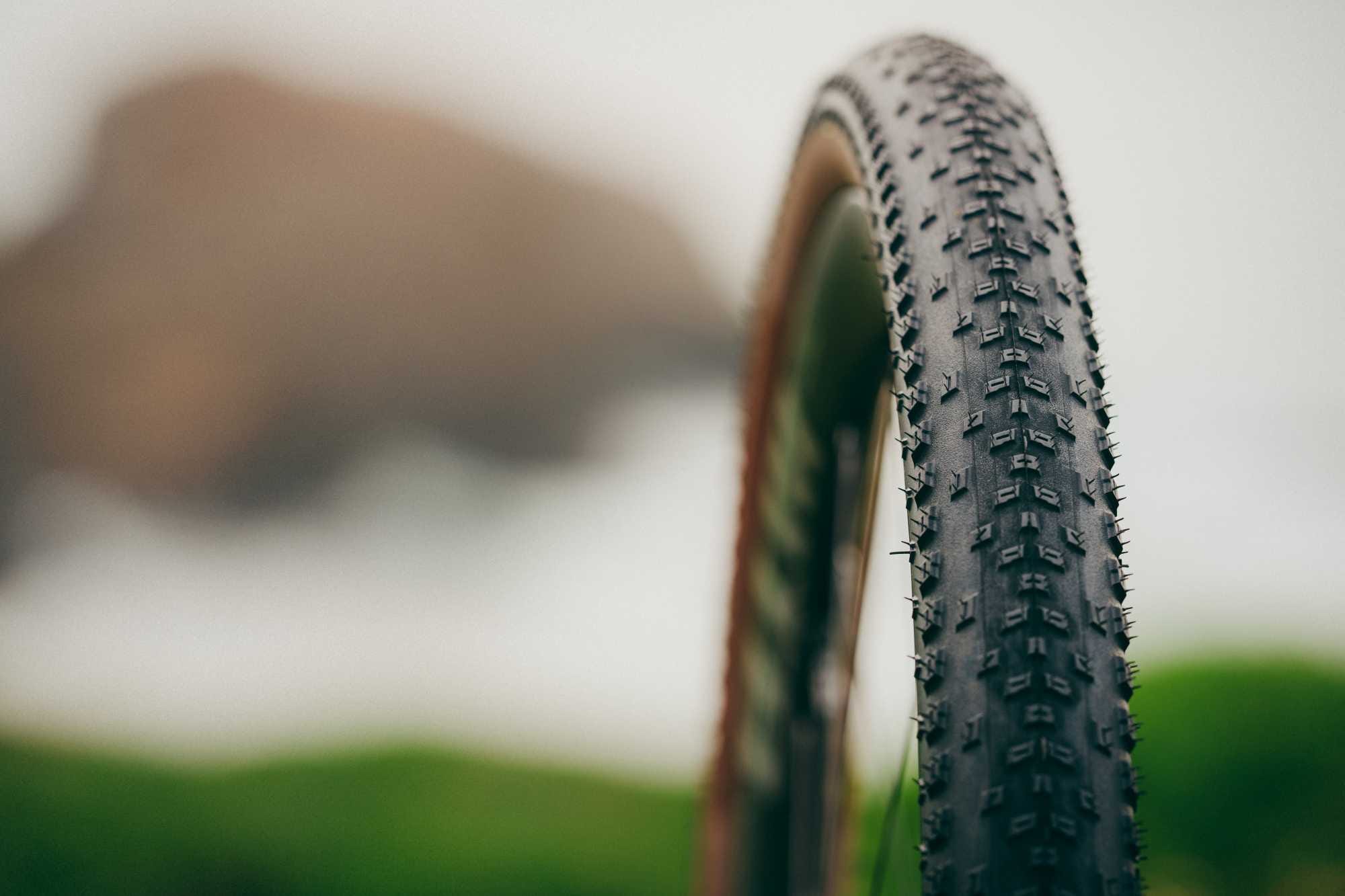
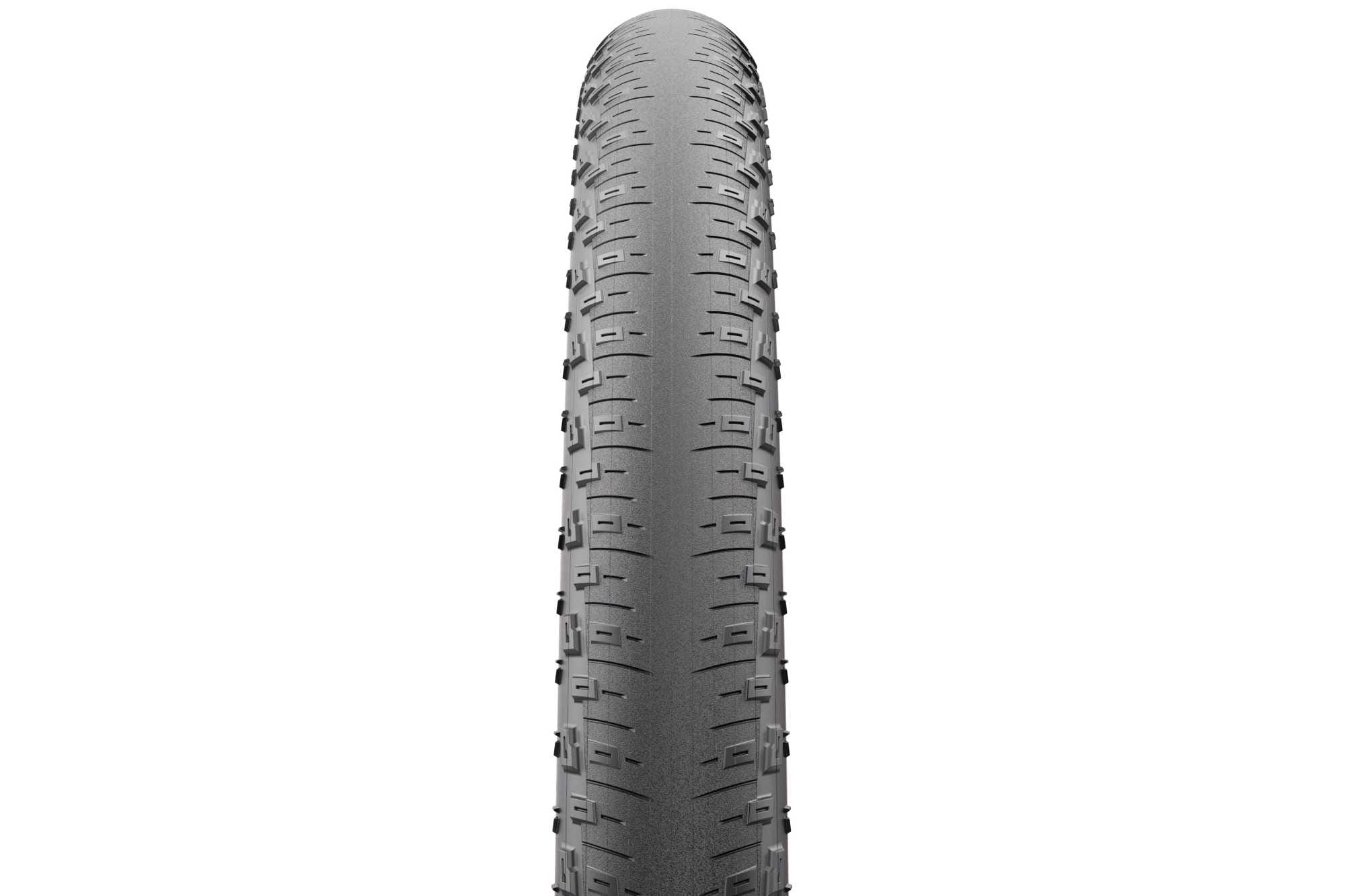
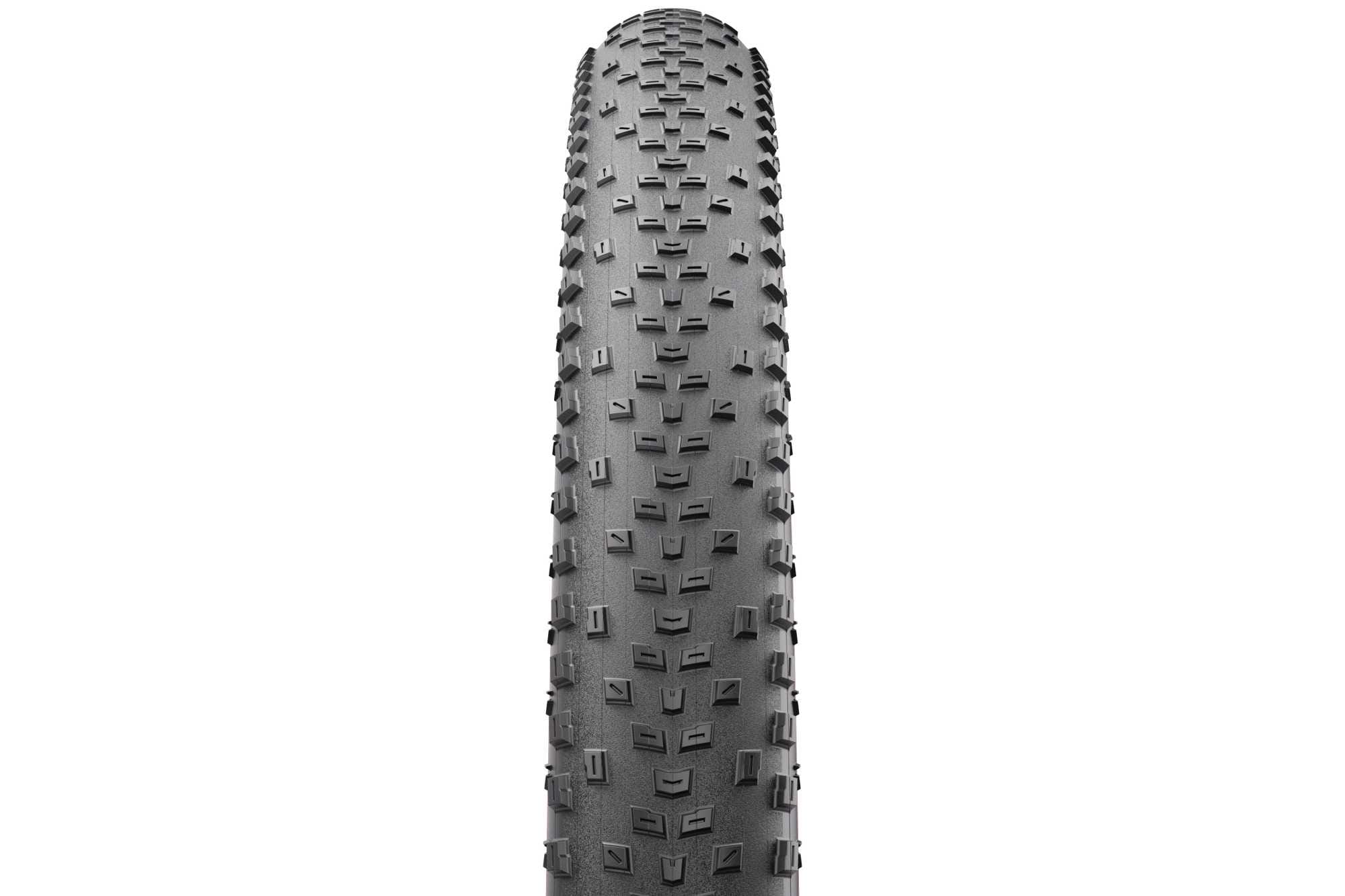
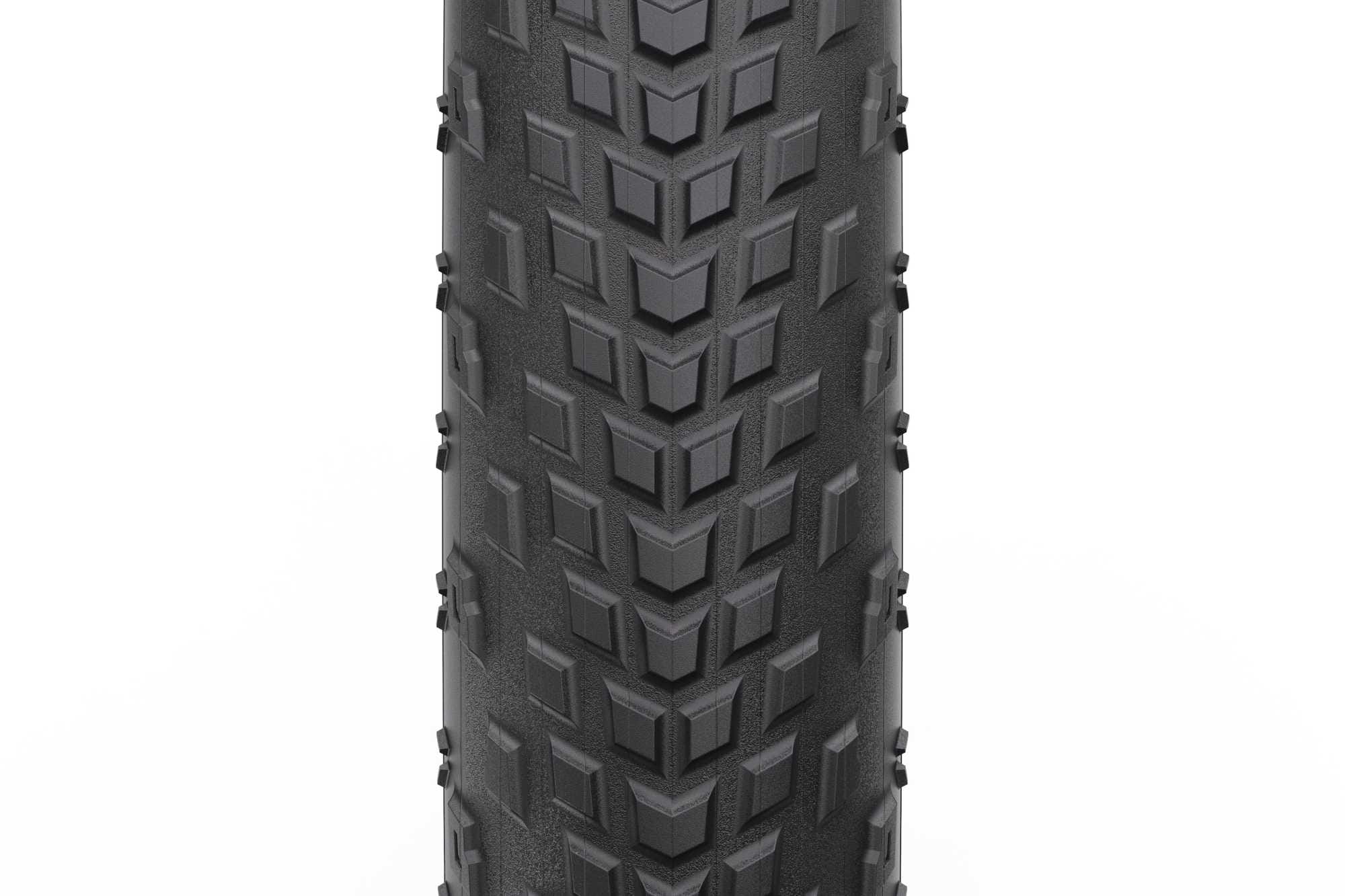
The three models slot into different terrain niches. The Byway RS 50 (50mm) runs a slick center with minimal shoulder knobs — essentially a road-plus tire for hardpack and pavement lovers. The Course 52 (52mm) adds more tread for mixed conditions. The Macro 54 (54mm) goes aggressive with tall, widely-spaced knobs for loose technical stuff. All three share a 120 TPI casing with bead-to-bead SG2 puncture protection and Dual DNA rubber: harder center compound for rolling speed, softer shoulders for grip.
Weight claims deserve scrutiny. WTB lists 620g for the Byway, 635g for the Course, and 640g for the Macro. Actual scale weights tell a messier story: one Byway came in at 613g (under claimed), but Course samples hit 662g and 644g (well over). A Macro weighed just 612g. That's a 50-gram spread on tires from the same mold. For riders who obsess over rotating mass — and gravel racers often do — the variance matters more than the marketing number. Tan sidewalls save 10g per tire over black.
At $89.95 each, these sit at the premium end for gravel rubber. The aero story is intriguing for riders who spend significant time at speed on smoother gravel or mixed routes. For slow technical singletrack where you're rarely cracking 25 km/h, those vortex generators are mostly cosmetic. The real question: does your typical ride include enough sustained speed to cash in on the aero gains, or are you paying for features that only show up in the data on your fastest segments?