Shimano SPD-SLR: 2.3mm Closer to the Pedal, Zero Compatibility with Your Old Cleats
Shimano's SPD-SLR cuts stack height by 2.3mm and clips in faster, but breaks compatibility with SPD-SL. Here's what the new system costs you.

Shimano's first redesign of its road cleat interface since 2003 arrived via live television embarrassment: Mathieu van der Poel flatting at Paris-Roubaix, grabbing a teammate's bike, and discovering mid-cobblestone that SPD-SLR and SPD-SL don't speak the same language. Not the launch Shimano planned, but everyone remembers it.
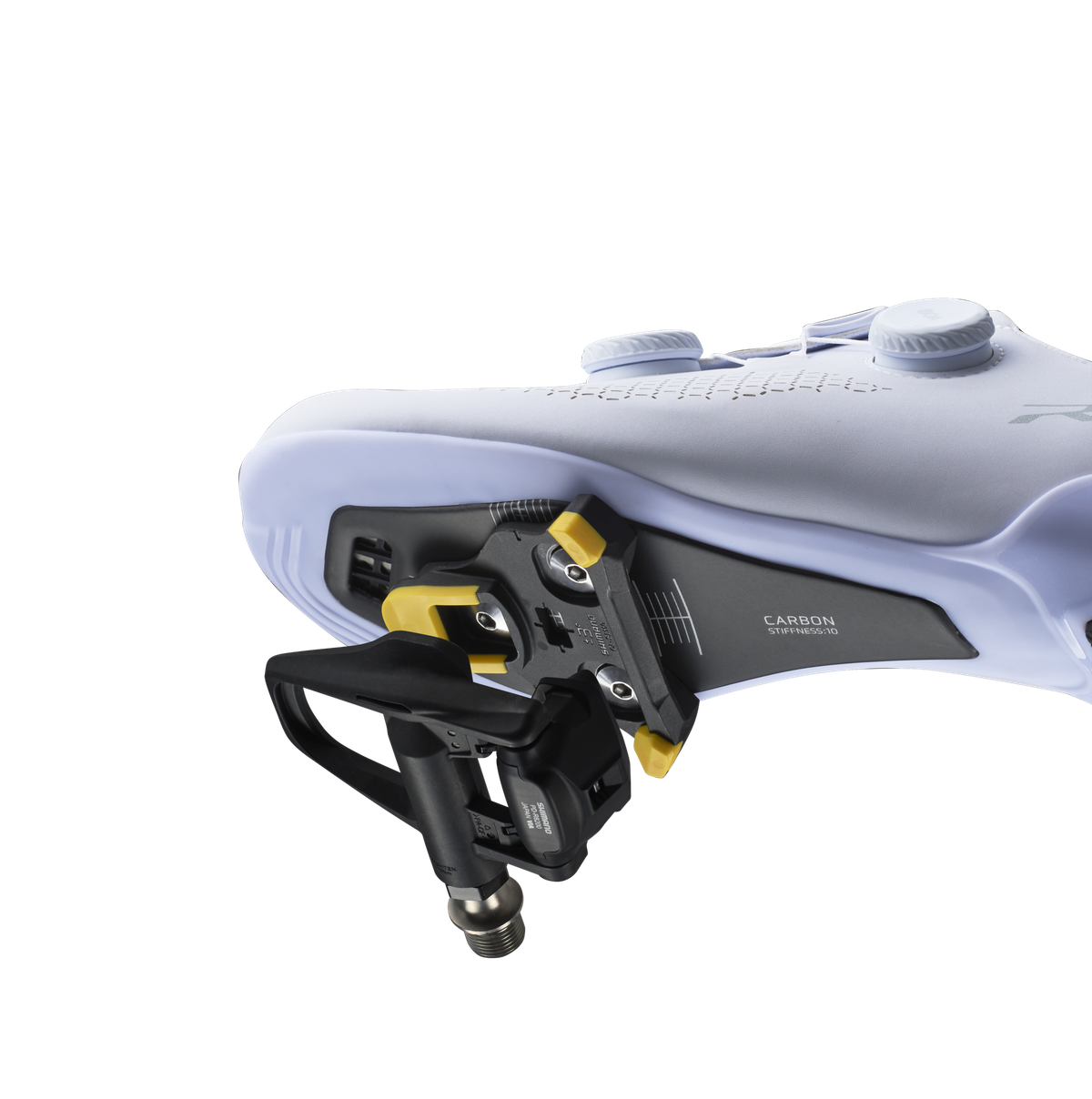
The actual system is more interesting than the chaos. SPD-SLR drops stack height by 2.3mm—getting your foot measurably closer to the pedal axle. That sounds minor until you consider how many thousands of pedal strokes compound small inefficiencies. Lower stack means less leverage working against you, a more direct connection, and theoretically better control when you're putting down watts. Shimano also widened the catch zone and cut the engagement angle from 15.5 degrees to 10.5 degrees. Translation: clipping in should feel noticeably faster and more forgiving, especially when you're fumbling after a stoplight or rolling out of a driveway with cold legs.
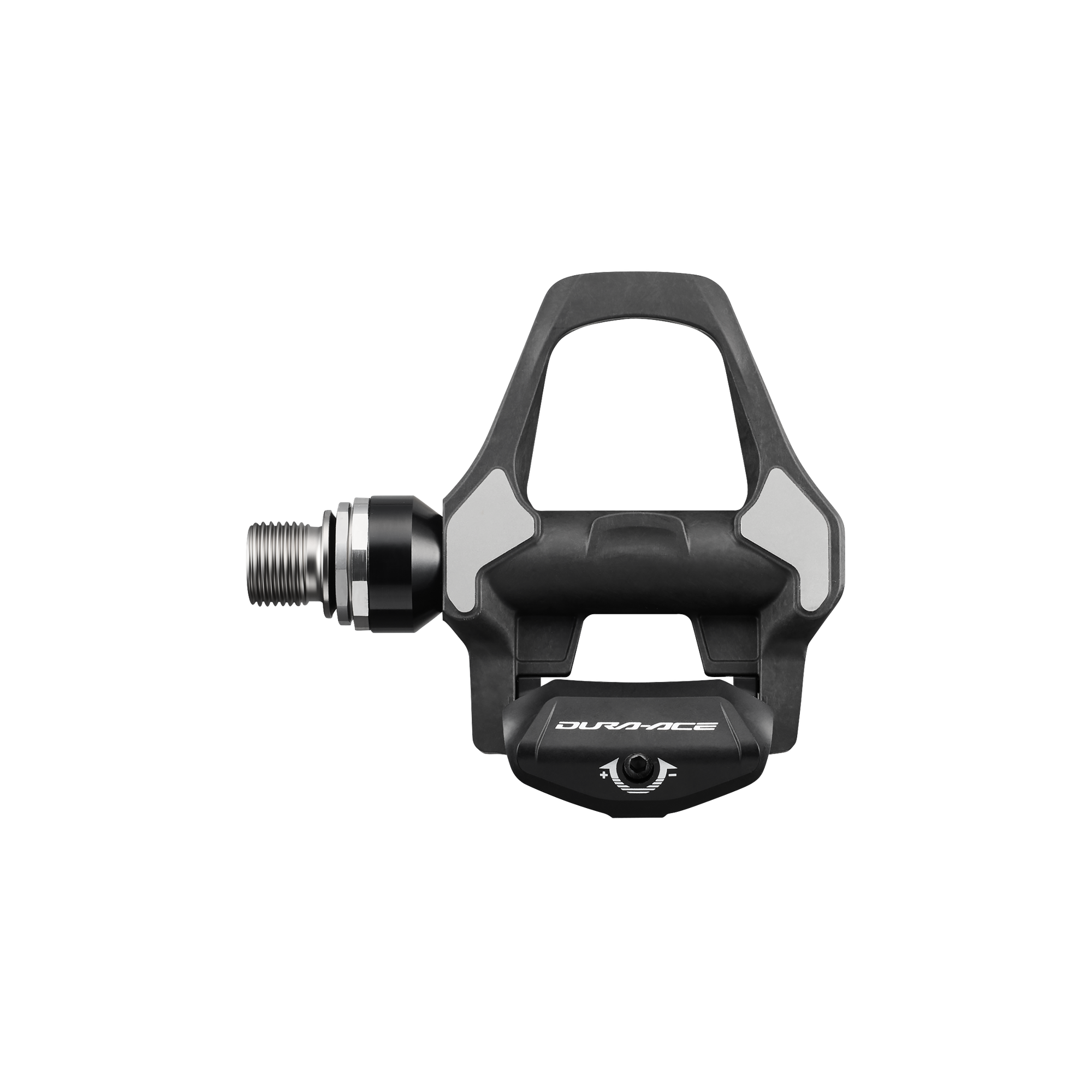
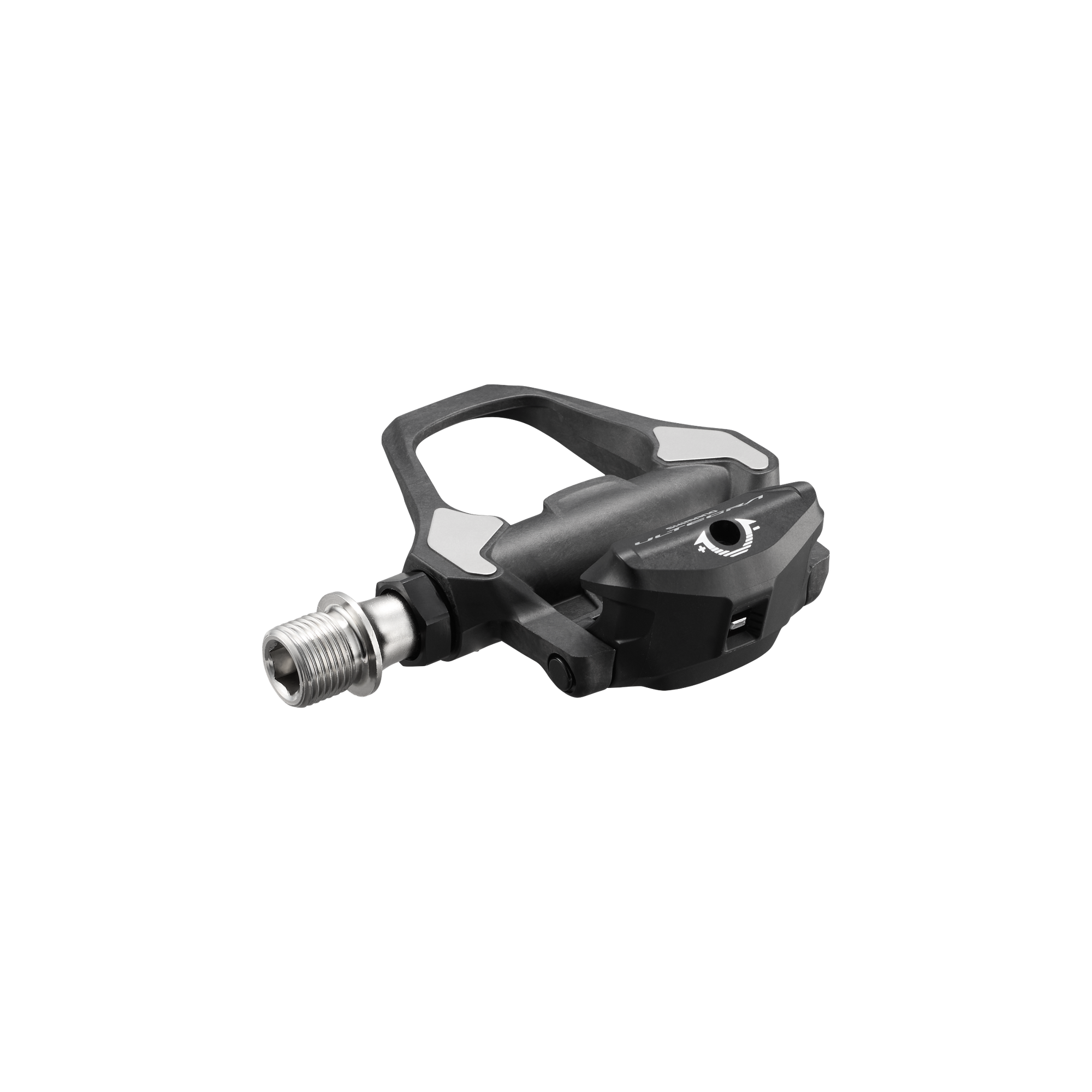
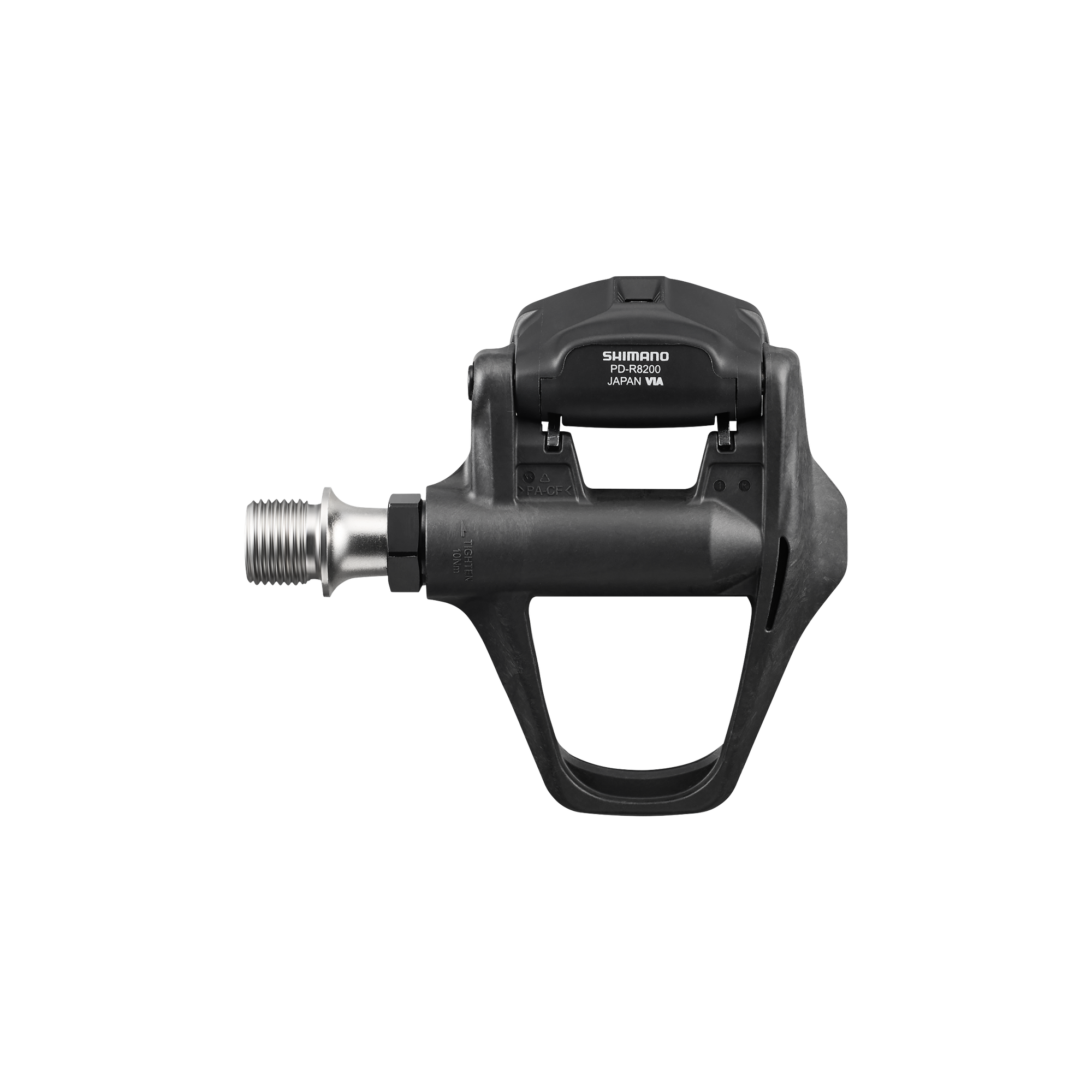
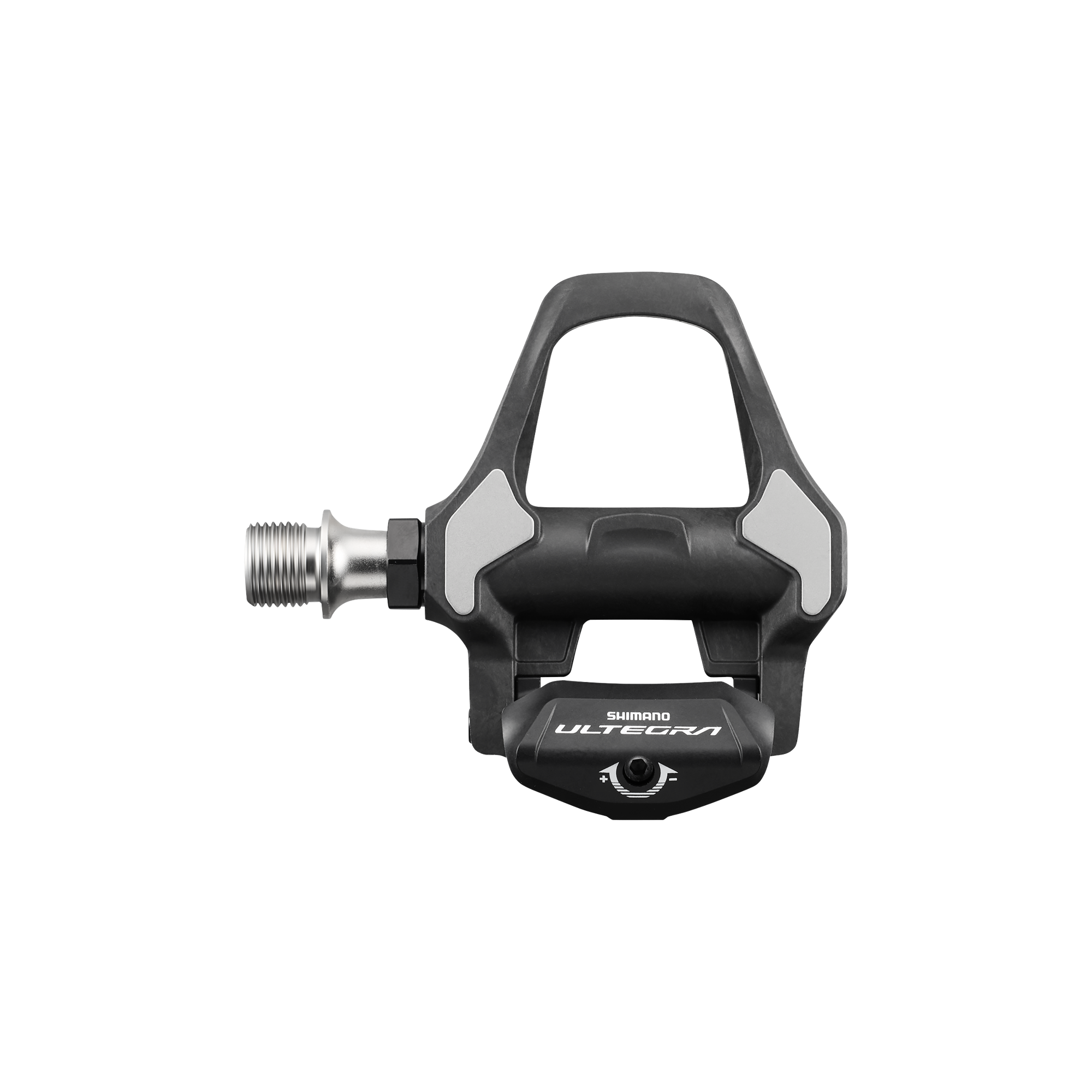
The weight savings are real but modest. New cleats drop from 71g to 55g—a 16-gram difference that won't transform your climbing but reflects material removed from the system rather than marketing sleight of hand. Four cleat options now: red (zero float), blue (±1 degree), yellow (±3 degrees), and a gray version for non-Shimano three-bolt shoes. That gray cleat is the compatibility bridge, but it sacrifices some of the stack-height and weight advantages. If you want the full benefit of SPD-SLR, you're buying Shimano shoes.
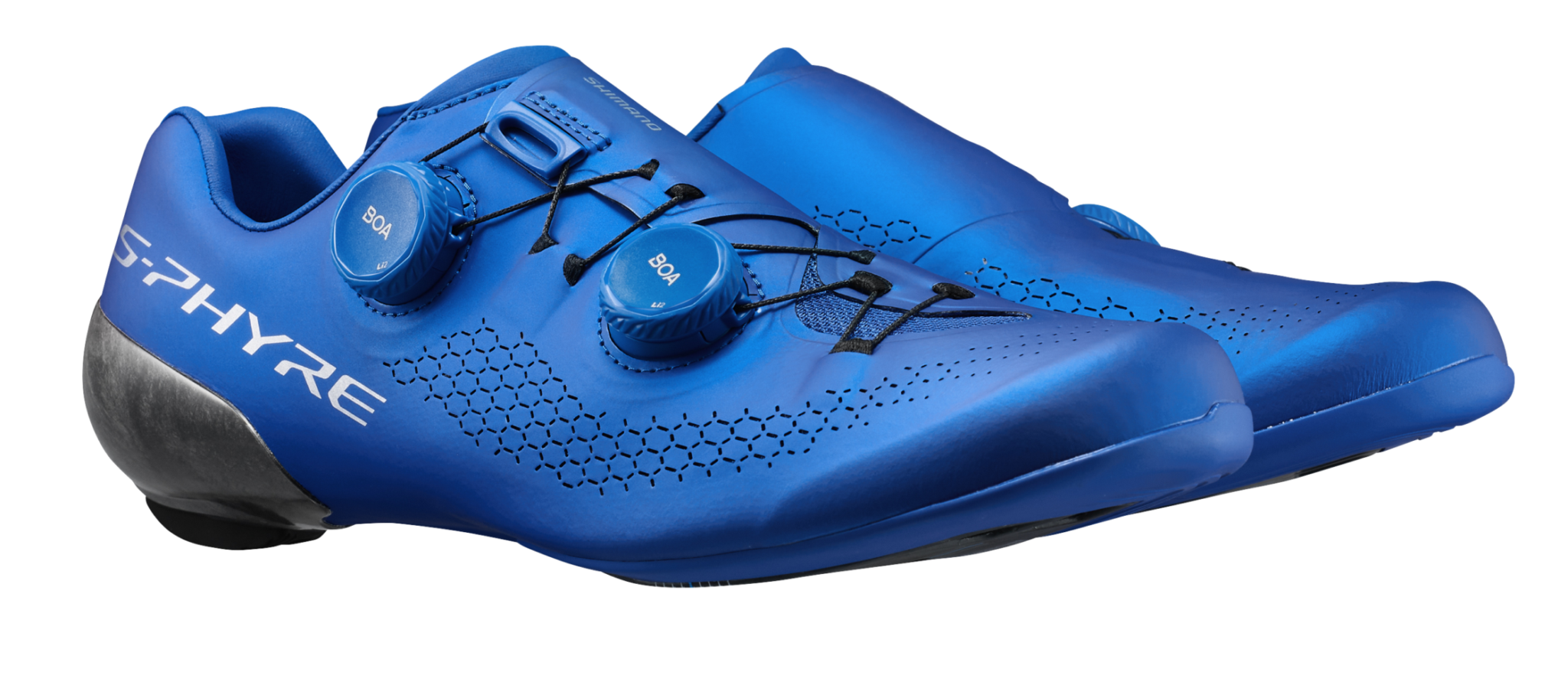
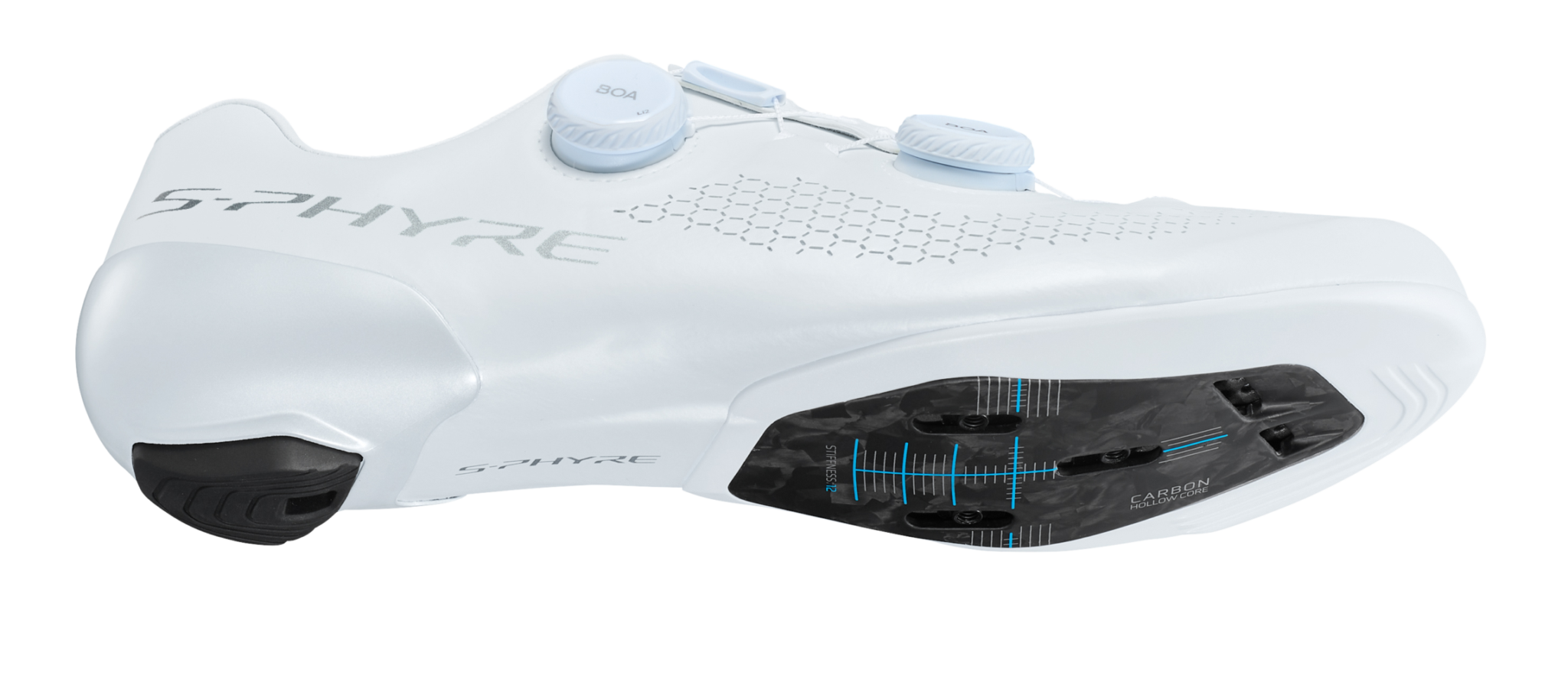
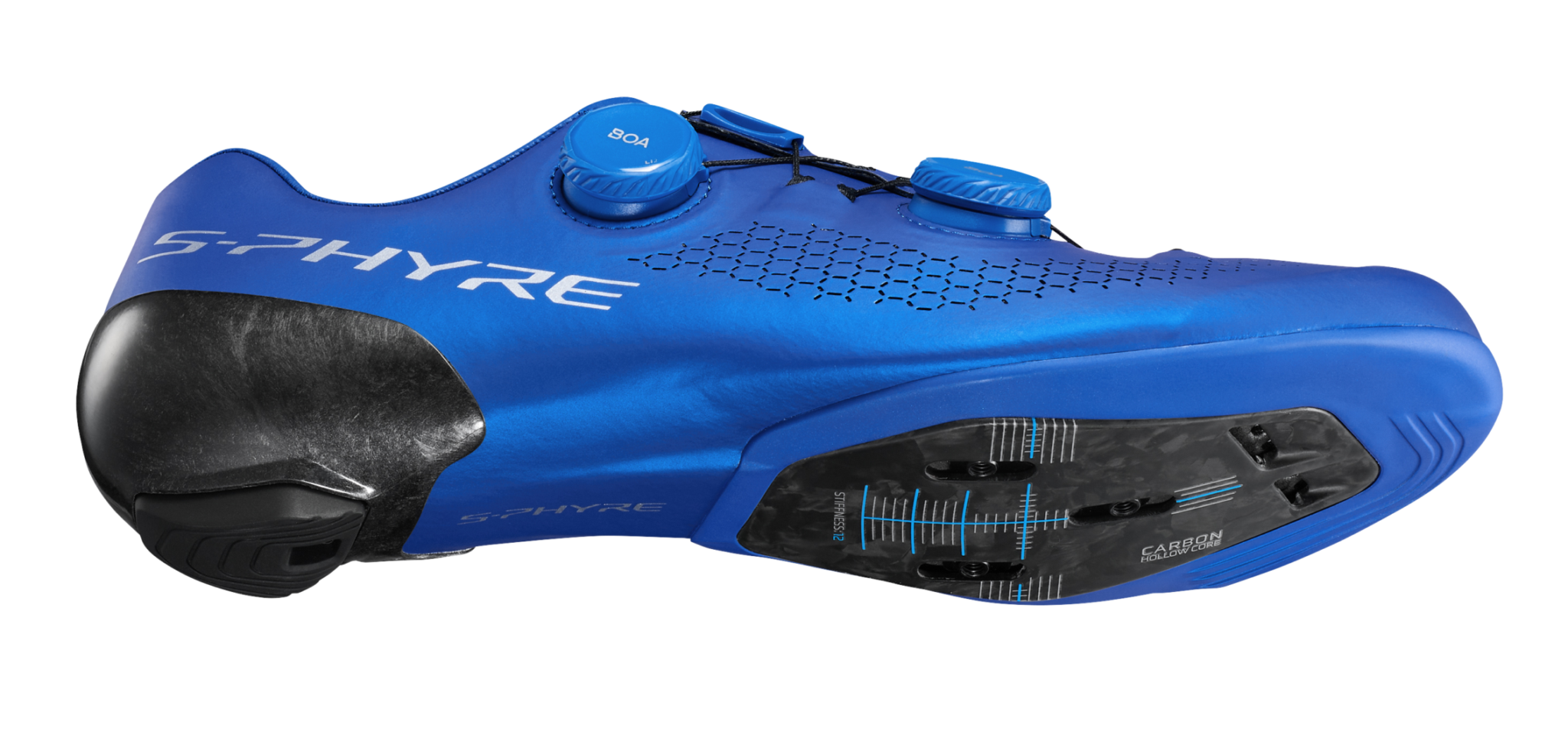
And that's the tradeoff worth understanding. This isn't a drop-in upgrade. The Dura-Ace PD-R9300 pedals run $300 USD, Ultegra PD-R8200 hits $200, and the S-Phyre RC910 shoes cost $525. Full system buy-in at the top tier: north of $800 before you've touched cleats. For a data-driven cyclist who geeks out on marginal gains, the numbers are compelling—53% less rotational resistance claimed for Dura-Ace internals, 11% stiffer than Ultegra, easier engagement. For a time-crunched parent who just needs reliable equipment that works across multiple bikes or borrowed wheels, the incompatibility with existing SPD-SL gear is a genuine constraint. You can't grab a friend's spare pedals in a pinch anymore.
Shimano's betting that 2.3mm and faster clip-in matters enough to justify fragmenting its own ecosystem. For riders chasing efficiency at the margins, it probably does. Everyone else has to decide if committing to a system that breaks with two decades of Shimano road gear—and your riding partner's bike—is worth the marginal gains.