Mosaic GT i55 32: A $8,250 Answer to Gravel's Biggest Wheel Question
Mosaic's GT i55 32 is the first ground-up 32-inch gravel bike with a purpose-built fork. Here's what the $5K-$8K titanium frameset actually delivers.

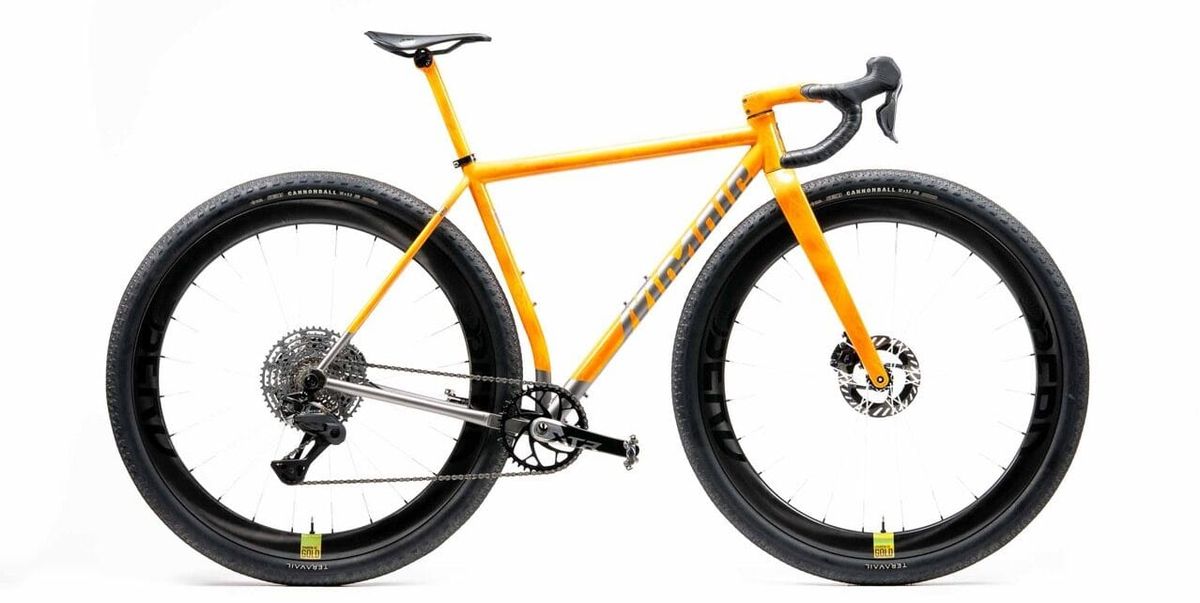
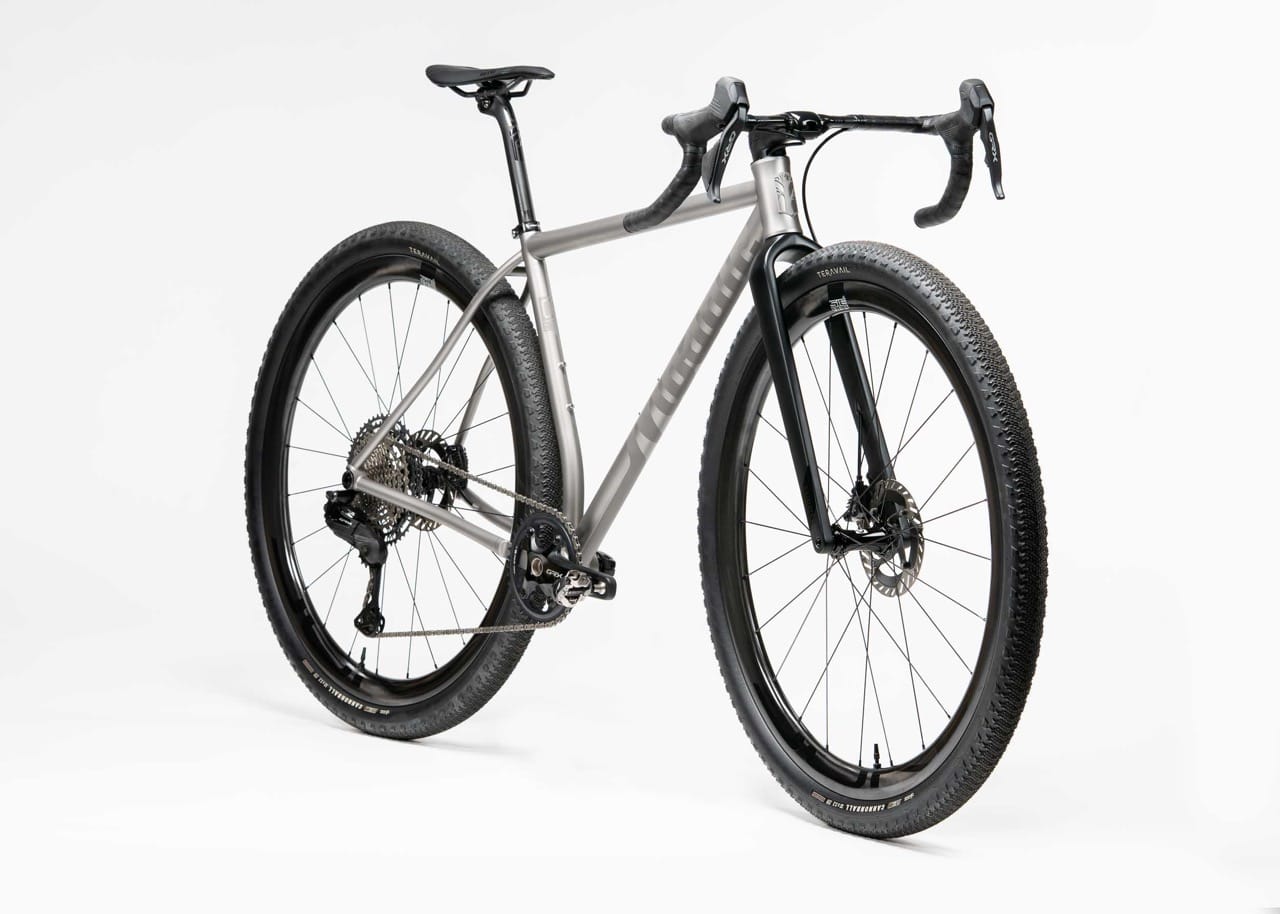
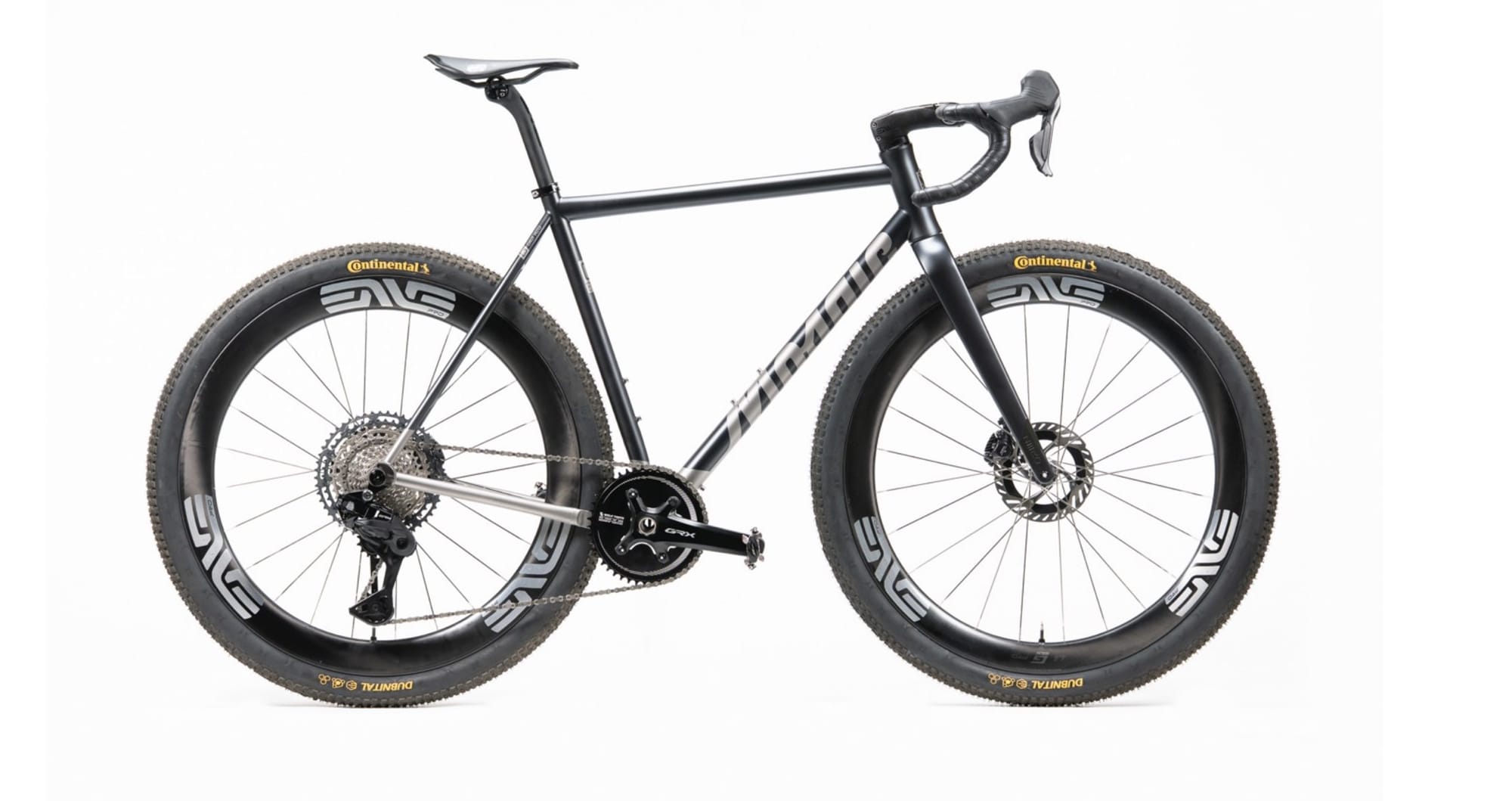
Mosaic Cycles just built a 32-inch gravel bike from the ground up — frame, fork, geometry, all of it purpose-designed for the oversized wheel format. That alone separates the GT i55 32 from most of the 32-inch experiments floating around right now, many of which are retrofits or modified existing platforms. Mosaic's approach is more ambitious and, predictably, more expensive.
Why 32-Inch Wheels Keep Showing Up in Gravel
The pitch is simple physics. A larger wheel hits obstacles at a shallower angle than a 700c wheel with the same tire. Rocks, ruts, washboard — the bigger hoop rolls over them with less deflection, which theoretically preserves momentum. For long gravel races where course conditions have gotten rougher and speeds have gotten higher, that rollover advantage starts to matter.
But the engineering trade-offs pile up fast. Bigger wheels raise the front end. They create toe overlap. They stretch chainstays until the bike handles like furniture. Most early 32-inch builds felt like proofs of concept rather than finished products. Mosaic decided to solve those problems rather than tolerate them.
The Geometry Problem (And How Mosaic Attacked It)
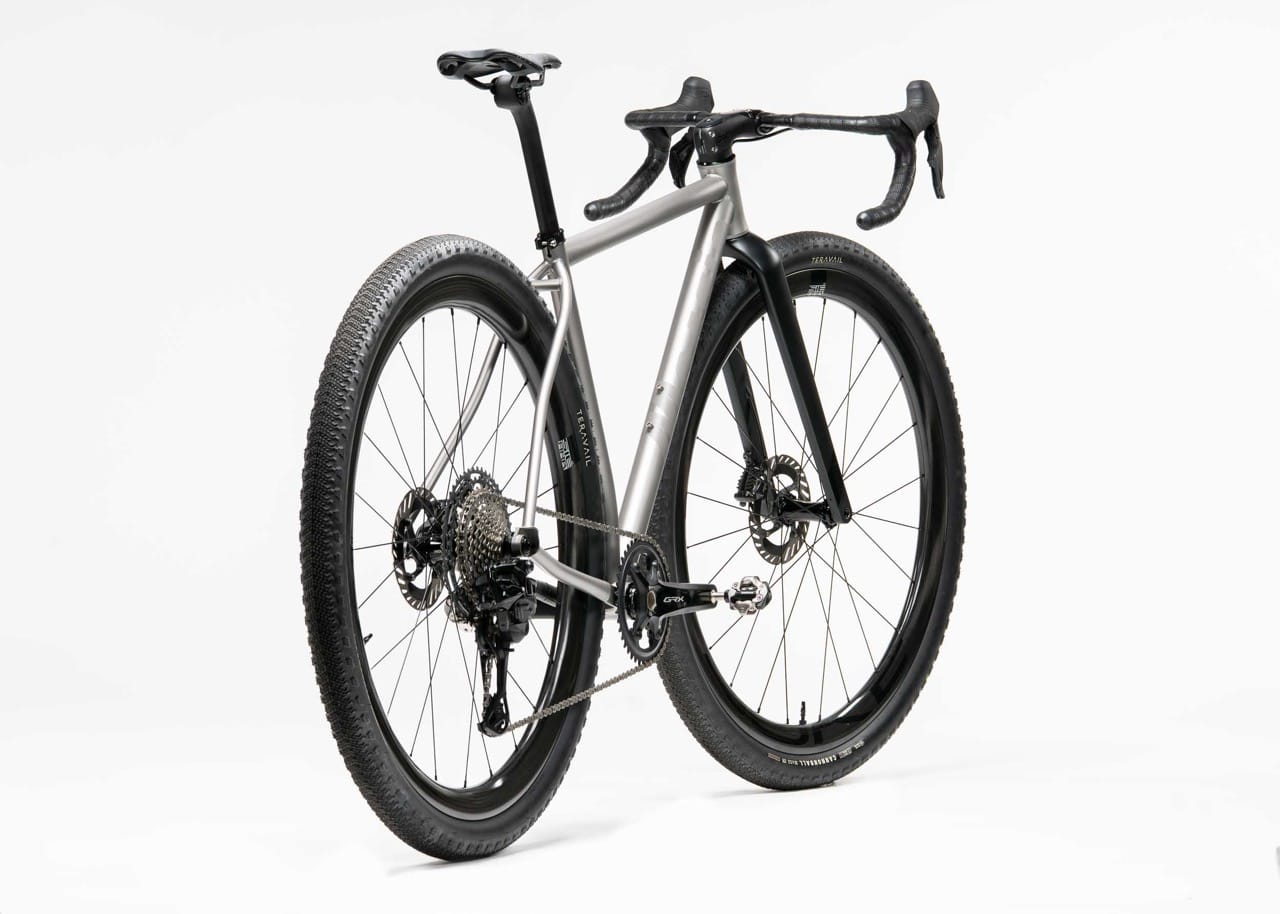
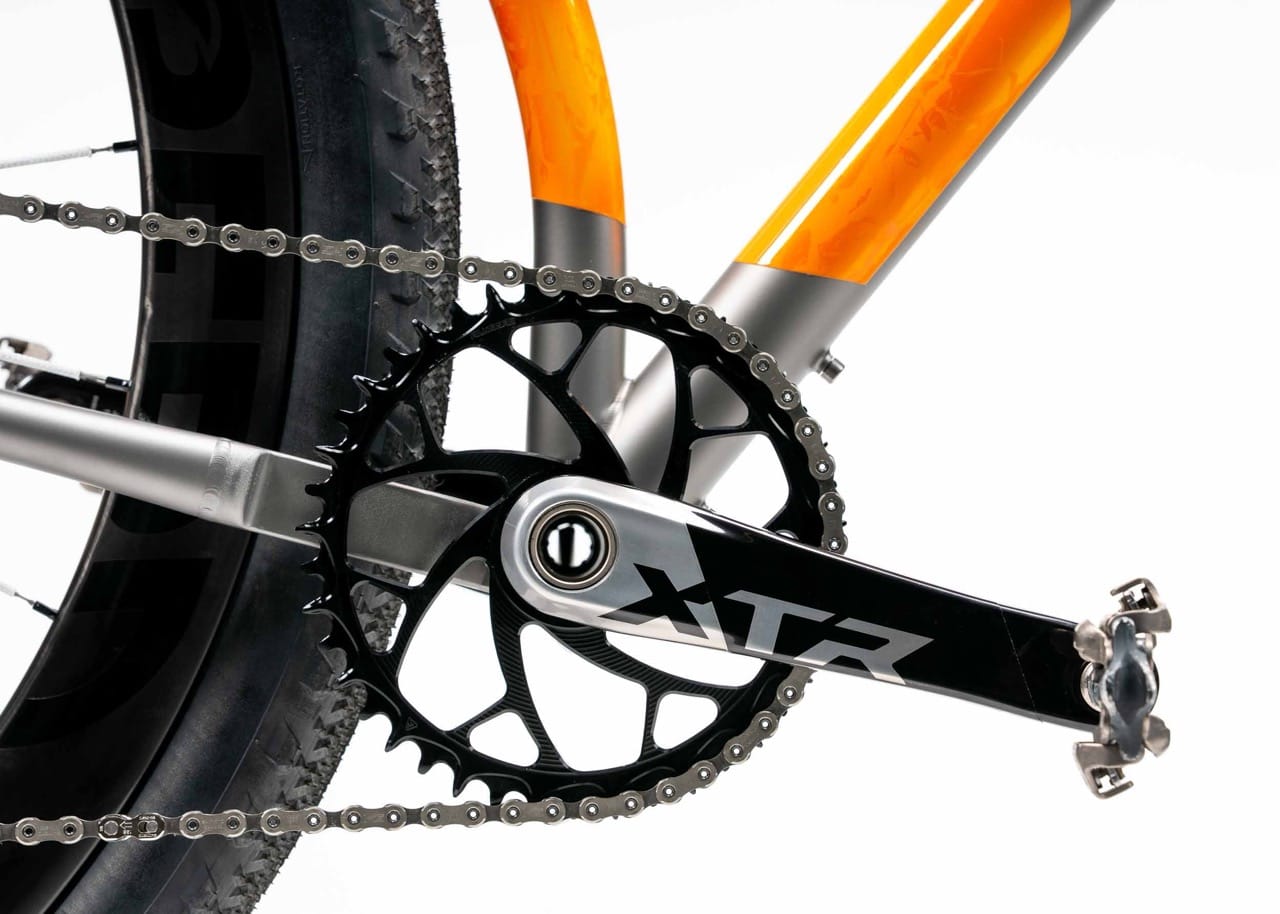
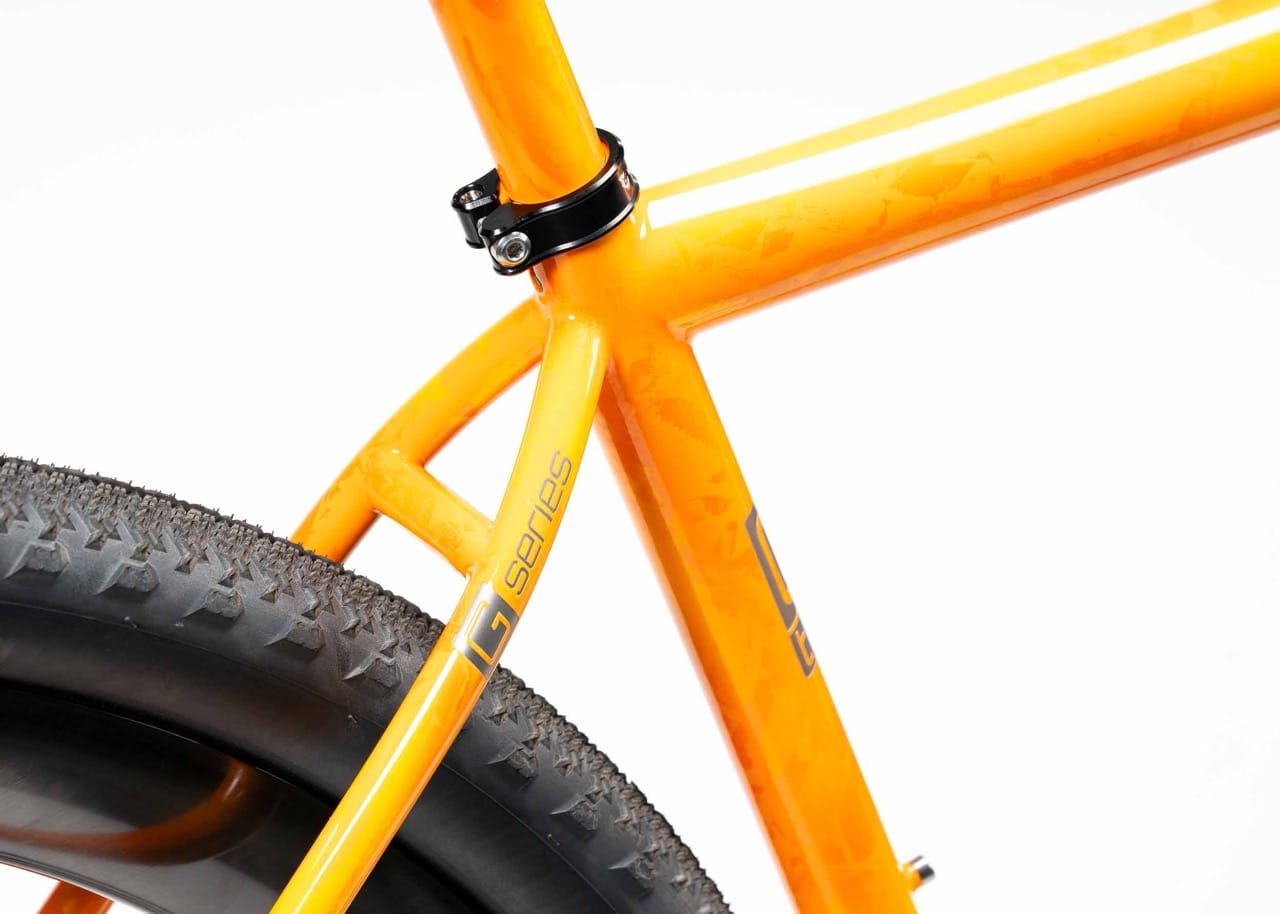
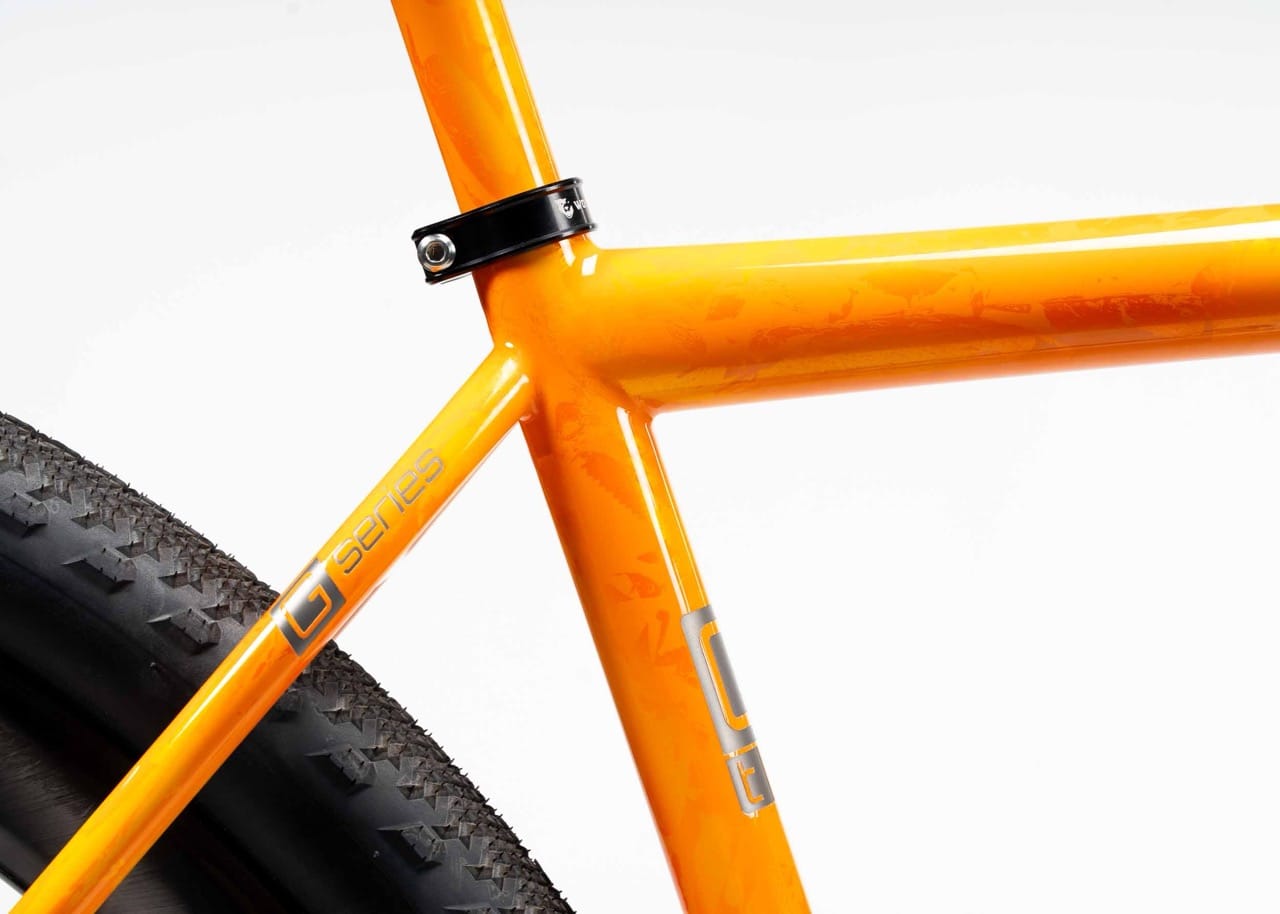
The GT i55 32 keeps chainstays between 440mm and 445mm depending on frame size. For context, that's only about 10mm longer than many aggressive 700c gravel bikes. An offset seat tube and a 3D-printed titanium yoke at the bottom bracket help tuck the rear wheel in tight while still clearing 55mm tires — roughly 2.2 inches if you're borrowing rubber from the mountain bike aisle.
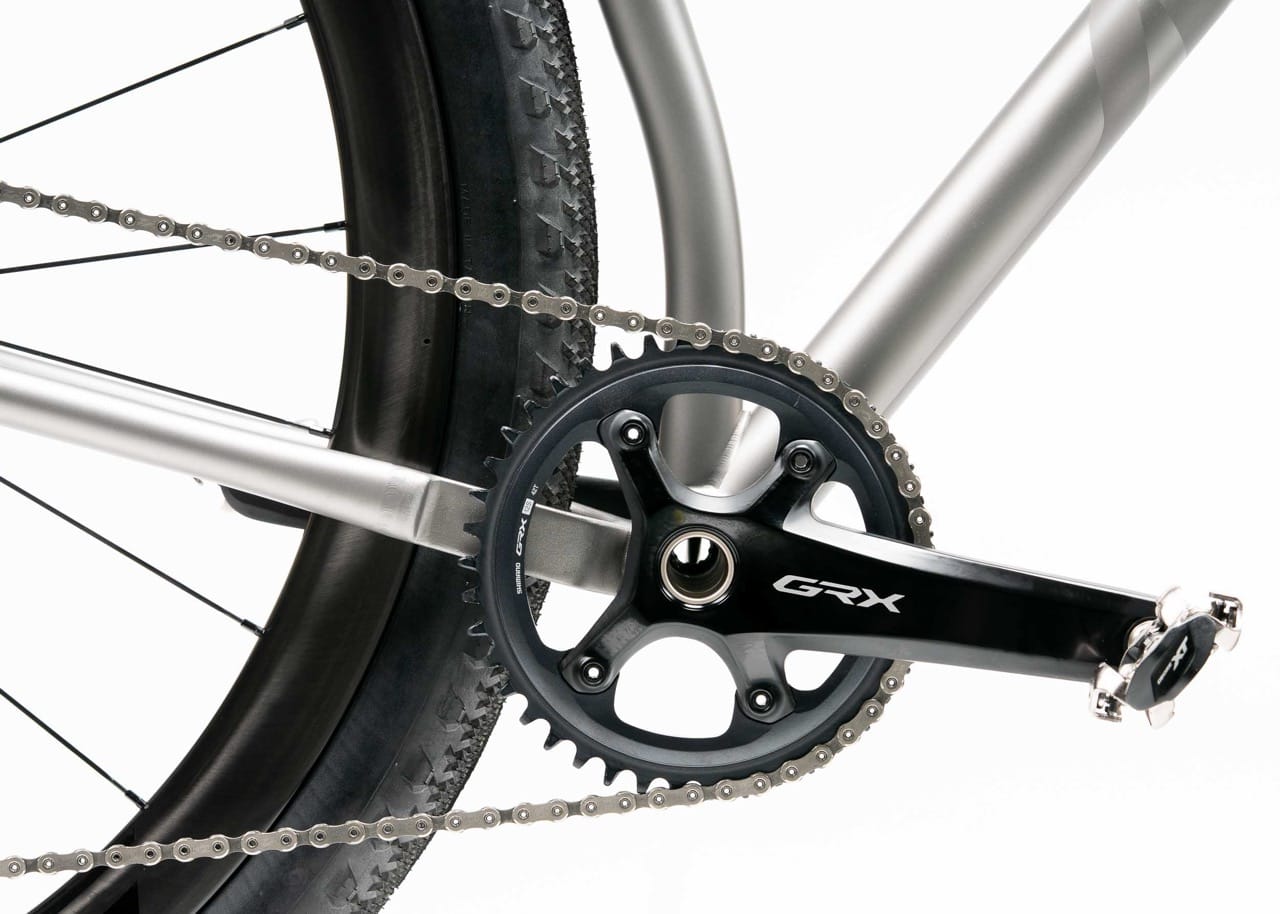
That 3D-printed yoke also preserves a standard chainline with clearance for chainrings up to 46 teeth. You can run a gravel crankset. No mountain bike drivetrain required.
The frame uses a 142x12mm rear axle (Boost spacing, in mountain bike terms) and 110x15mm up front. That's a deliberate choice — wider hub spacing means better wheel availability in this emerging format, though it does mean your existing 700c wheelset won't swap over.
The Fork That Forced a New Brand
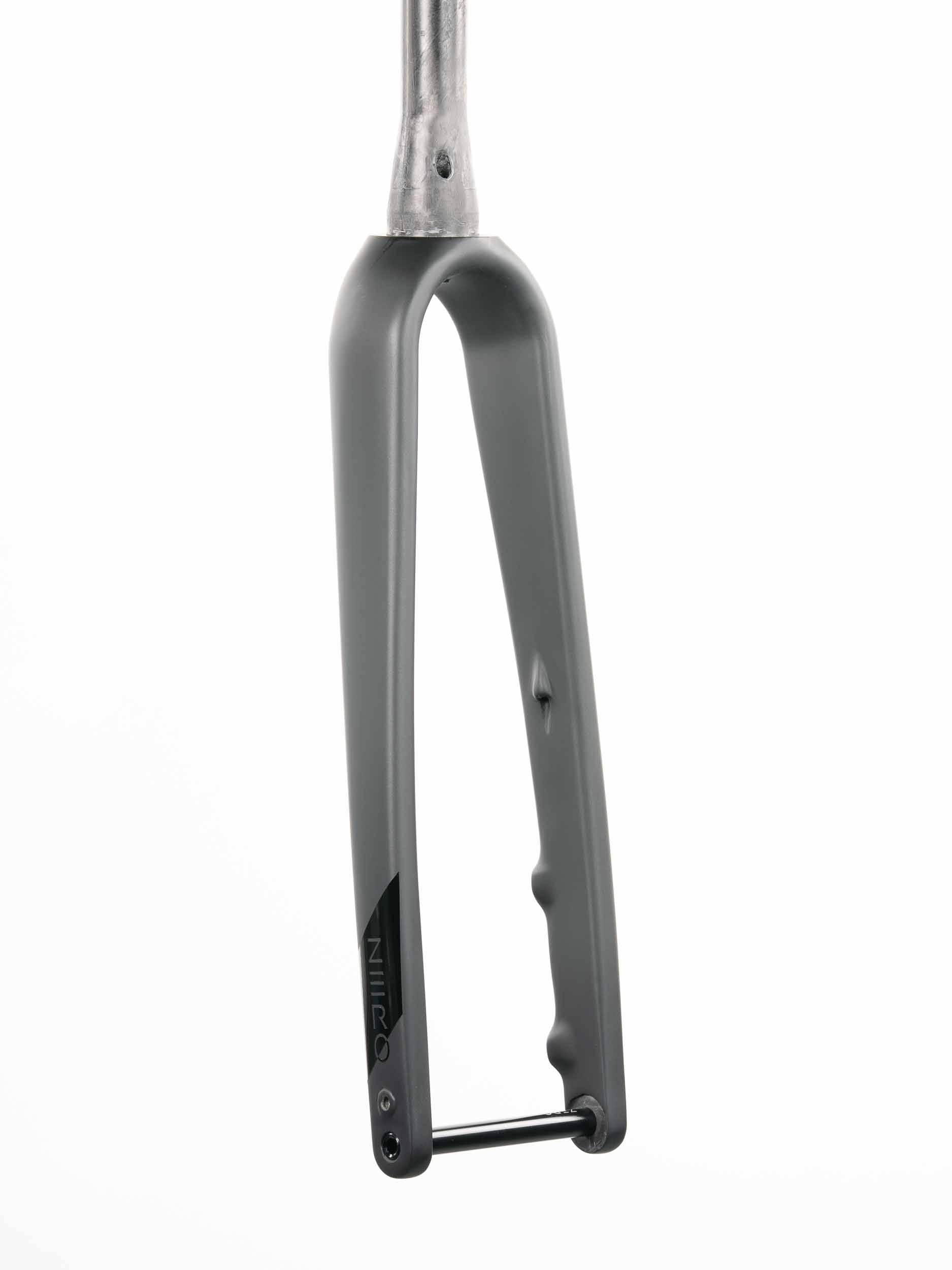
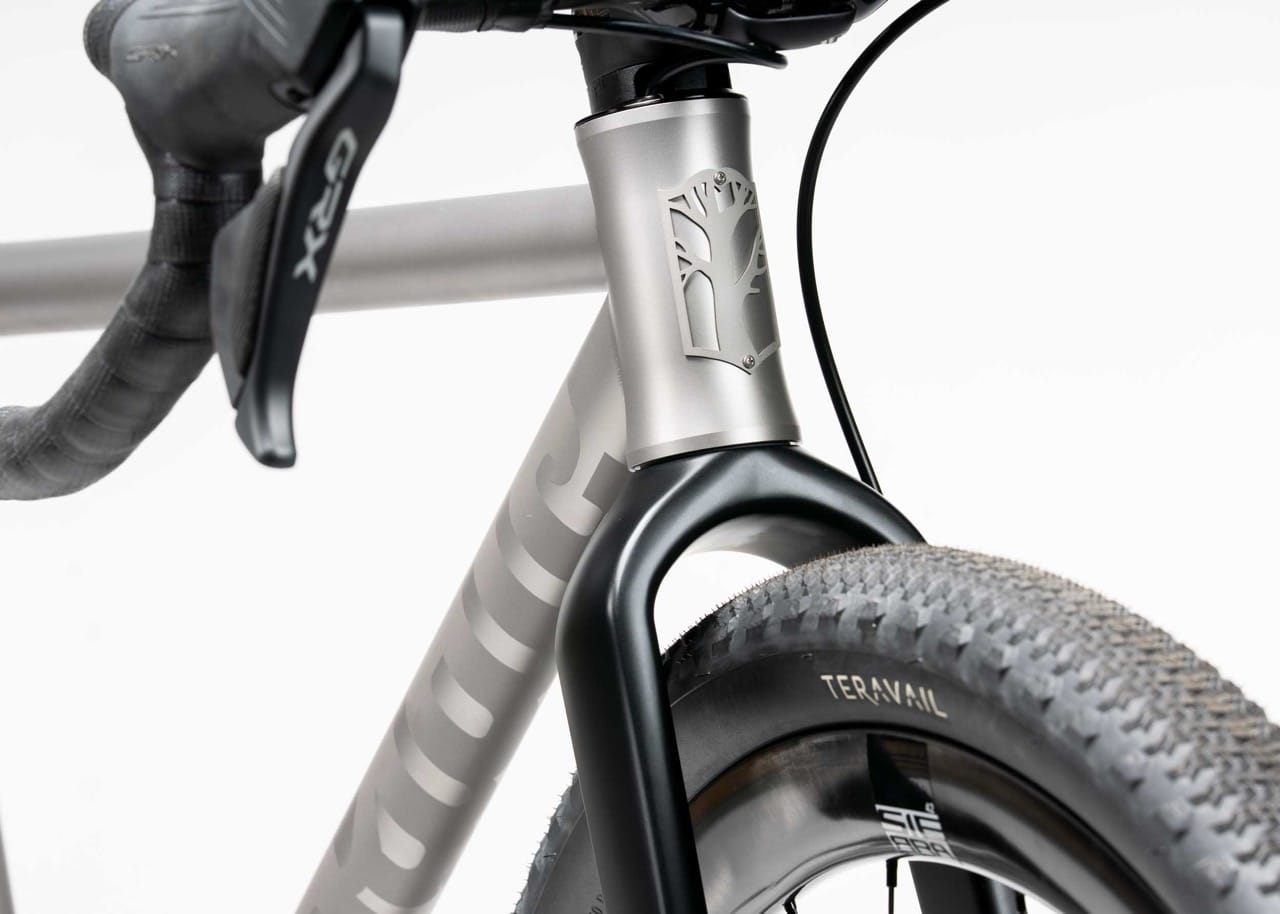
Mosaic couldn't find a 32-inch fork that didn't compromise something critical. Existing options forced trade-offs in axle-to-crown height, offset, tire clearance, or all three. So the Colorado shop built its own.
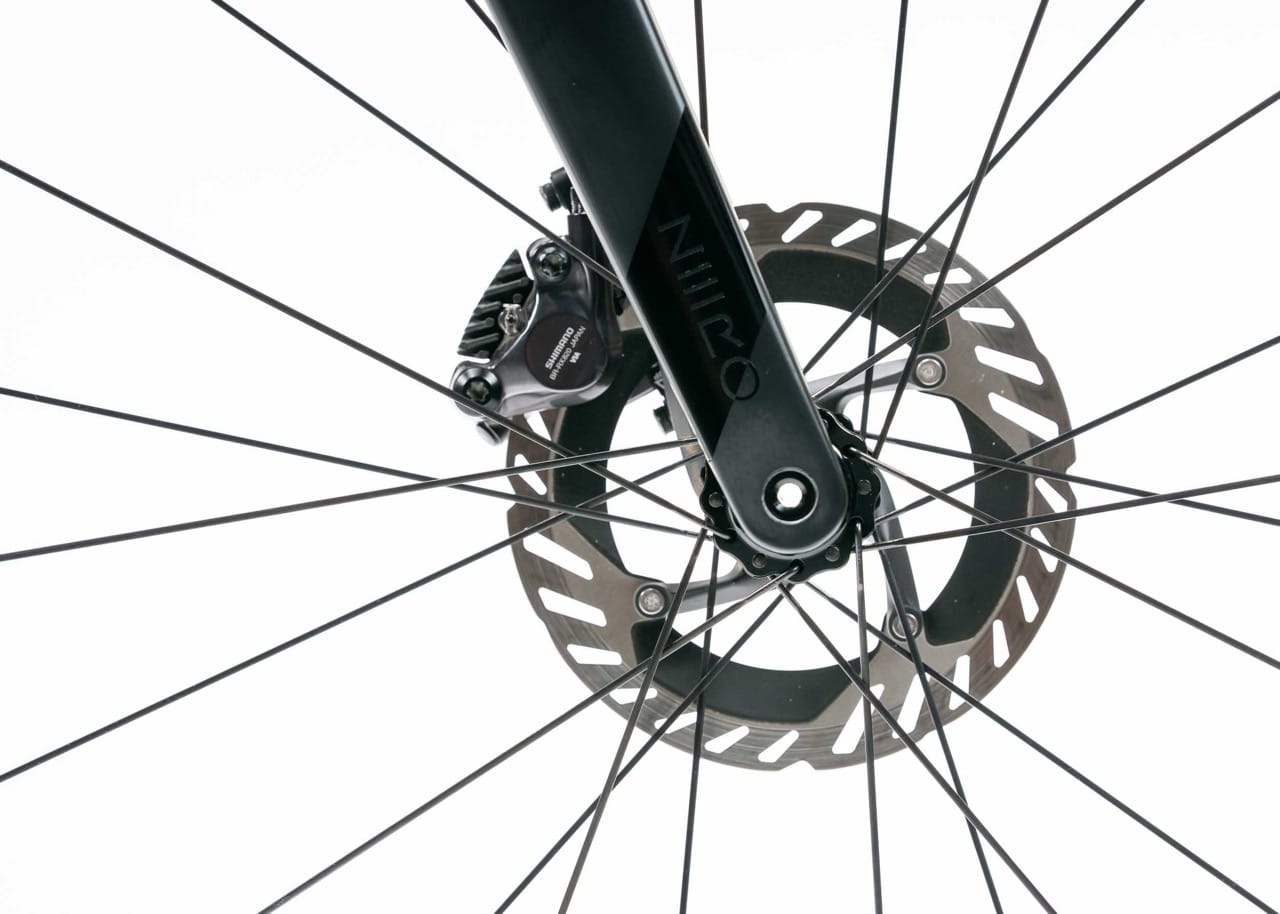
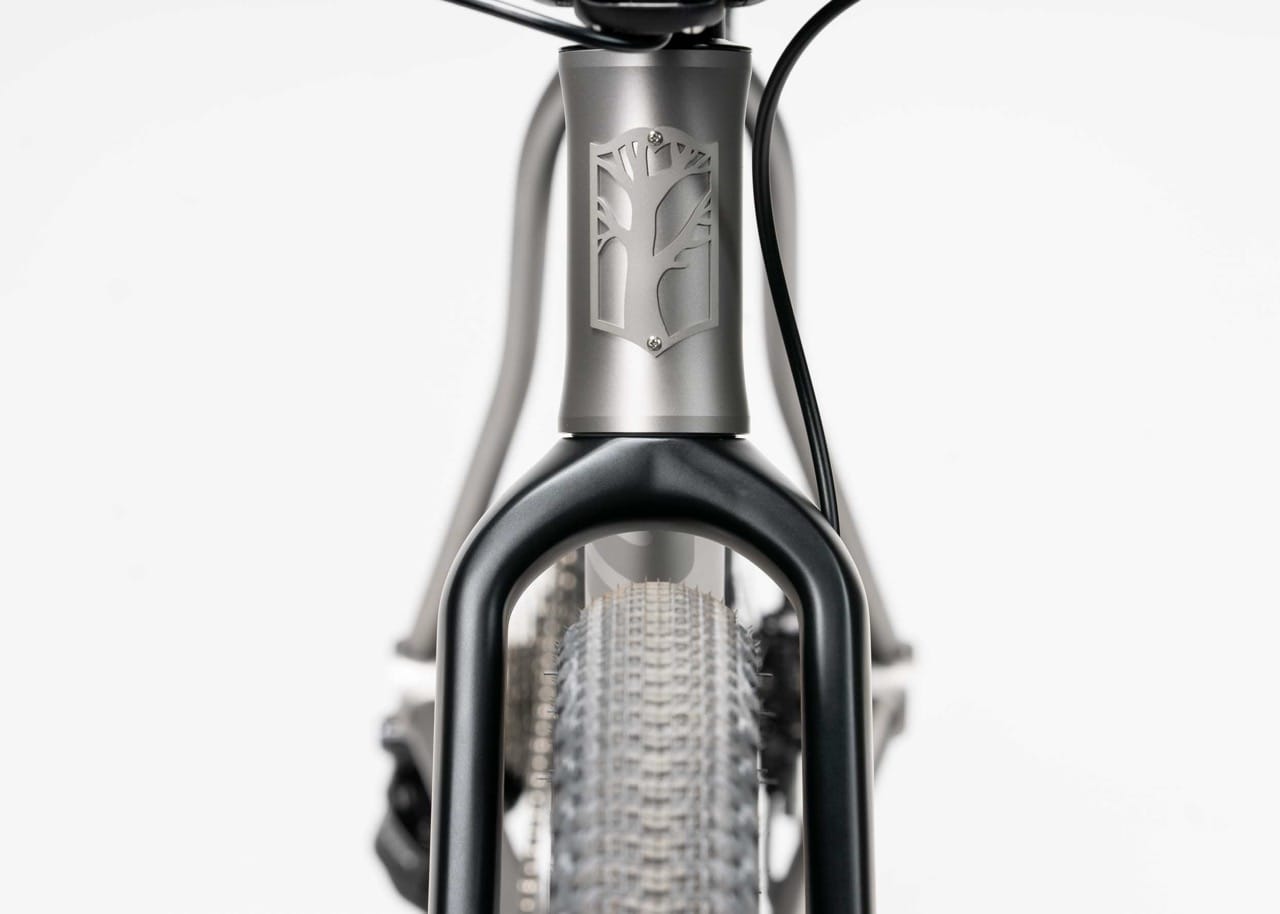
The result is the Zero Components G55 32 fork — a full carbon gravel fork designed specifically for 32-inch wheels. Axle-to-crown is 445mm, which keeps the front end as low as possible while still clearing those 2.2-inch tires. The 60mm offset addresses both steering feel and toe clearance across frame sizes.
This is the first true aftermarket 32-inch gravel fork. Until now, custom builders have been borrowing rigid bikepacking forks or making do with whatever mountain bike parts they could source. Zero Components will sell the G55 32 separately for $640, which opens up options for independent frame builders and riders upgrading existing big-wheel projects.
Fit for Shorter Riders
One of the persistent criticisms of 32-inch wheels is that they only work for tall riders. Stack height climbs, toe overlap becomes unavoidable, and suddenly anyone under 5'10" is out of luck.
Mosaic explicitly targeted this limitation. The short axle-to-crown fork, 60mm offset, compact rear triangle, and offset seat tube all work together to extend the viable size range. Through the Made-to-Order program, geometry can be tailored to individual riders rather than forcing everyone into a compromise fit.
Whether that's enough to make 32-inch practical for a 5'4" rider remains to be seen. Mosaic is making the right moves, but physics still imposes limits.
What You Give Up
This is a 1x-only platform. If you're committed to a 2x drivetrain for your gravel riding, the GT i55 32 isn't for you.
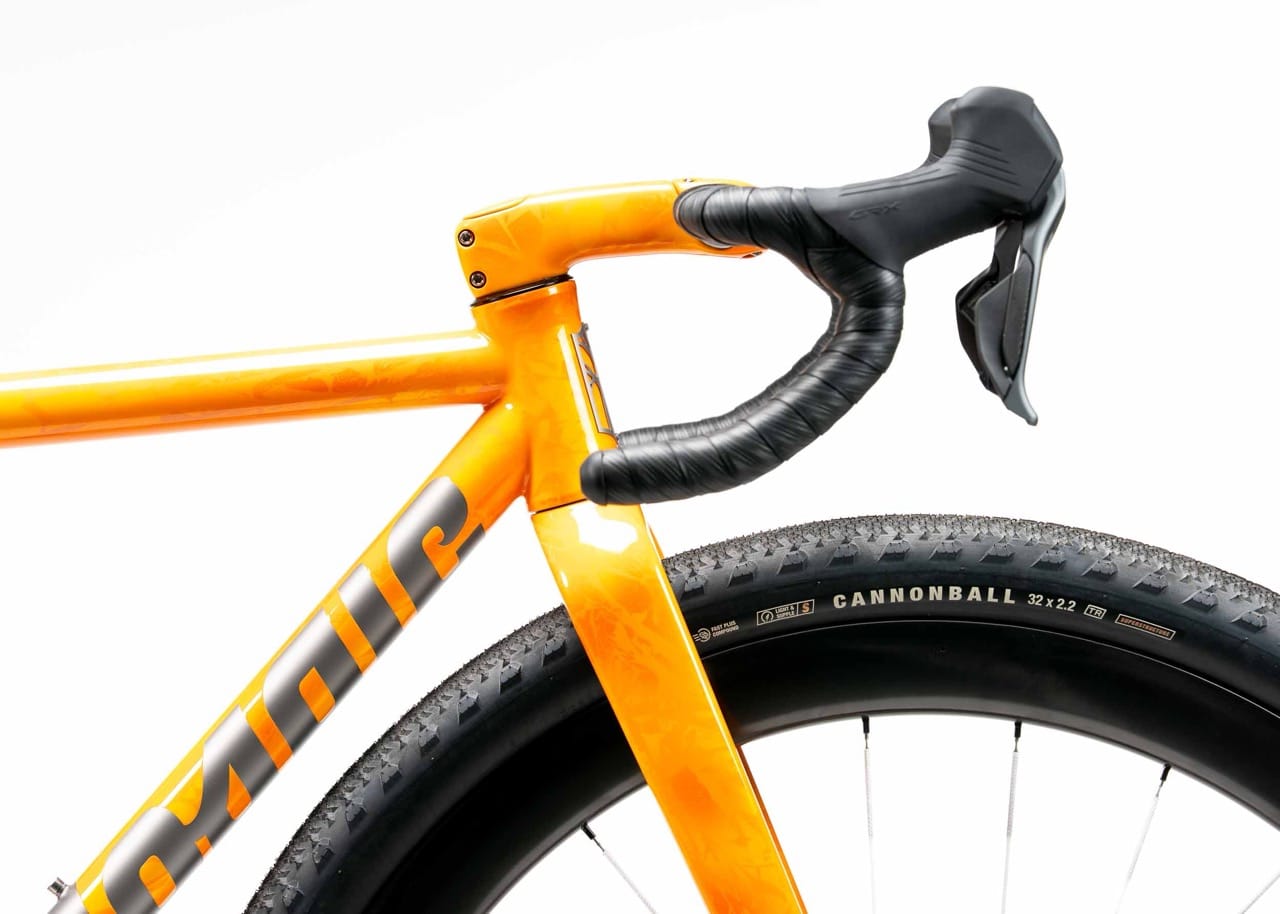
The Boost rear spacing means your current 700c wheels won't work, and finding narrower rims in that hub standard is difficult. Mosaic designed the bike around 45mm to 55mm tires — you could theoretically go narrower, but the handling might suffer and compatibility becomes a real headache. This bike wants fat rubber.
Tire selection in the 32-inch format is still limited compared to 700c. You're either running mountain bike tires in narrower widths or hoping the gravel-specific options expand. For riders who obsess over having exactly the right tire for every condition, that constraint matters.
And then there's the price. The GT-1 i55 32 frameset starts at $8,250 with custom geometry, fully internal brake routing, and your choice of Mosaic's standard paint options. The GT-2 i55 32 drops to $5,000 with semi-integrated brake routing and a titanium ghost finish. Both include rider-specific geometry. Add a complete build and you're well into five figures.
Who This Is Actually For
The GT i55 32 makes sense for gravel racers who are chasing every advantage on rough, fast courses — the kind where rollover efficiency compounds over hours of racing. It makes sense for riders who want a quiver-killer that can handle rougher terrain than a typical gravel bike without the weight and complexity of suspension.
It probably doesn't make sense if you're primarily riding smooth gravel roads, if your events don't demand the extra capability, or if you're not prepared to work within the current tire and wheel ecosystem for 32-inch.
For the data-driven cyclist who wants to understand exactly what the bigger wheels do, the GT i55 32 is one of the few platforms where you can isolate the wheel size variable without the confounding factors of compromised geometry or borrowed parts. That's valuable if you're trying to make an informed decision about whether this format actually delivers.
The Broader Zero Components Picture
Mosaic is launching Zero Components with four forks: the R35 Road, AR40 All-Road, G55 Gravel, and the G55 32. All are ISO 4210 tested. The 700c forks run $575; the 32-inch fork is $640.
For frame builders and small manufacturers who've been stuck with limited fork options, this is potentially significant. Having a dedicated aftermarket source for 32-inch forks — designed for gravel geometry rather than adapted from mountain bike or bikepacking applications — removes a major bottleneck in the custom build process.
The 700c Alternative
If the 32-inch concept intrigues you but the ecosystem concerns give you pause, Mosaic also launched the GT i55 for standard 700c wheels. Same 3D-printed yoke, same 55mm tire clearance, same drivetrain compatibility. Chainstays run 430mm to 435mm. The fork uses a 415mm axle-to-crown, which Mosaic notes makes the frame compatible with suspension gravel forks without compromising geometry.
Pricing mirrors the 32-inch version: GT-1 at $8,250, GT-2 at $5,000 for Made-to-Order. Batch Built options bring the GT-1 down to $7,500 and the GT-2 to $4,250.
Both bikes will debut at the MADE Bicycle Show in Portland this week. For riders who've been waiting for 32-inch gravel to mature beyond the prototype stage, the GT i55 32 is the most complete answer yet. Whether the format itself proves out over the long term is a separate question — but at least now there's a properly designed bike to test it with.
TL;DR
- Mosaic's GT i55 32 is a ground-up 32-inch gravel bike with custom geometry, a 3D-printed titanium yoke, and a purpose-built Zero Components fork — not a retrofit of an existing platform.
- The design prioritizes fit across rider sizes and maintains standard gravel drivetrain compatibility (1x only, up to 46t chainring), but requires Boost hub spacing and commits you to the still-limited 32-inch tire ecosystem.
- Framesets start at $5,000 (GT-2) or $8,250 (GT-1) with custom geometry included — serious money for a format that's still proving itself, but the most complete execution of the concept available.