Mosaic 2026: Handmade Speed Meets E-Commerce Checkout
Mosaic's 2026 Batch Built program adds Level 1 titanium frames at $7,500 with 3–5 day shipping. Here's what that means for your next bike decision.

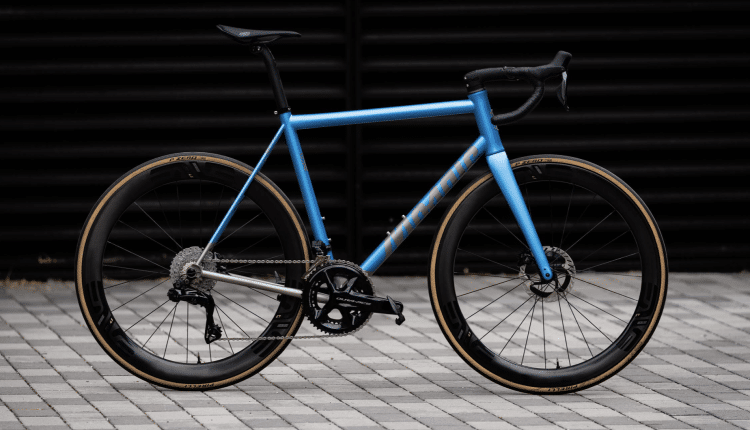
Mosaic's 2026 lineup puts their double-butted titanium Level 1 frames into the Batch Built program for the first time. Translation: $7,500 gets you an RT-1, AR-1, or GT-1 frameset shipping in 3–5 days instead of months. That's handmade American titanium at a turnaround time that matches big-brand stock frames.
The Level 1 frames use oversized double-butted tubing—thinner walls where stress is lower, thicker where it isn't. Lighter, more responsive, and noticeably different from the straight-gauge Level 2 tubes at $4,250. Whether that $3,250 gap justifies itself depends on your weight, your riding style, and honestly, how much you care about compliance on hour four of a gravel race versus hour one of a Tuesday night group ride.
Eight standard sizes across road (35mm clearance), all-road (40mm), and gravel (45mm) platforms. No custom geometry in Batch Built—that's the tradeoff for speed. If you're between sizes or have unusual proportions, you're still looking at the Made to Order program, which means longer waits and higher costs. Mosaic's standard sizing fits most riders well, but "most" isn't everyone.
The new e-commerce platform is straightforward: pick your model, pick one of two stock finishes, check out. No dealer intermediary required, though dealers remain in the picture for those who want local support. For a dad trying to pull the trigger during a lunch break, that friction reduction matters more than it sounds. Waiting three weeks for a quote email isn't compatible with limited decision-making windows.
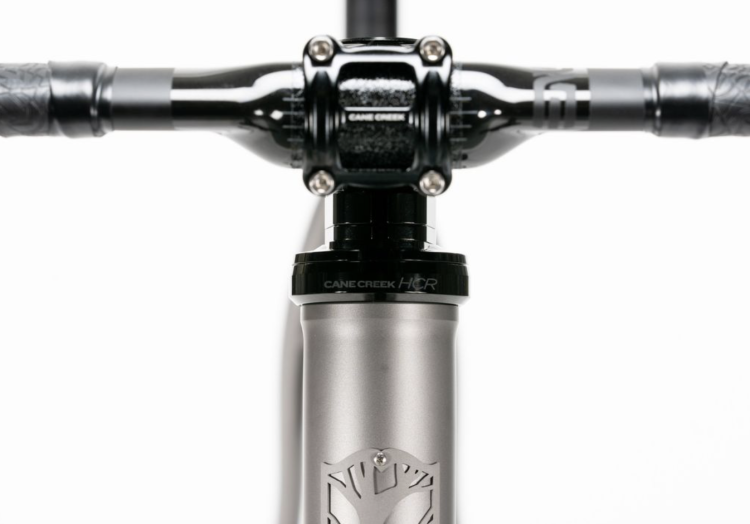
Mosaic also updated cable routing and component integration across all platforms—details they're vague about, but the implication is better compatibility with current electronic groupsets and internal routing standards. The question for data-driven buyers: does a titanium frame from a seven-person shop in Boulder justify itself against a similarly-priced carbon option with more aero optimization and broader component spec choices? If your answer involves ride quality, repairability, and keeping a frame for a decade-plus, Mosaic's pitch makes sense. If you're chasing marginal watts, the calculus looks different.