Stop Scrubbing Road Rash With Steel Wool
Skip the steel wool and dry bandages. Here's the exact protocol to clean and heal asphalt and gravel burns using chlorhexidine and semi-permeable dressings.

Cycling culture has a stubborn masochistic streak when it comes to road rash. The traditional locker room advice usually involves a stiff bristle brush, a chunk of steel wool, and enough scrubbing to make your vision blur.
It's a miserable undertaking. It's also completely backwards.
I haven’t put my hip into the gravel yet this season, so I can't verify the exact pain threshold of scrubbing fresh trauma today. But I do know the cell biology of tissue repair.
Mechanism of Action When you slide across the pavement, your body’s immediate response is to leak fluids loaded with immune cells and growth factors.
If you let a dry scab form, you force new epithelial cells to dig deep underneath that hard crust to migrate across the injury. It takes much longer. It leaves a worse scar. It also guarantees you'll wake up with your leg permanently fused to your cotton bedsheets, which is a great way to ruin a perfectly good Sleep On Latex mattress.
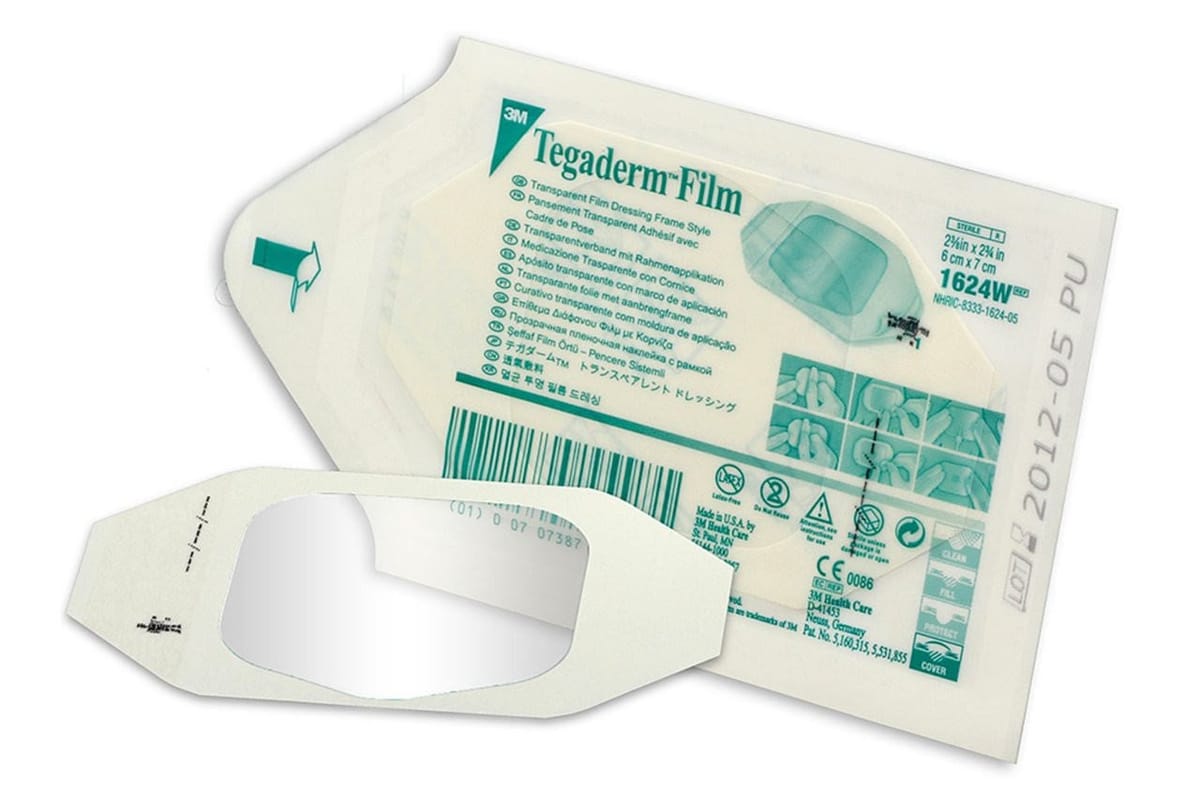
By using a surgical wash like chlorhexidine and a semi-permeable membrane like Tegaderm, you trap those healing exudates against the wound.
Think of it like a greenhouse. It keeps the environment moist and isolated, allowing new skin cells to slide rapidly across the surface without fighting a wall of dried blood.
Application The protocol takes a bit more effort than just slapping a dry gauze pad on your leg.
First, clean the area thoroughly. Skip the steel wool. Use the chlorhexidine and a brand new, soft-bristle toothbrush or a clean loofah. You have to remove the embedded dirt, but you don't need to excavate healthy tissue.
Next, apply a thin layer of antibiotic ointment and cover it with Tegaderm. It acts as a second skin.
It'll ooze, and it'll look deeply unpleasant. You need to peel it off, clean the excess discharge, and reapply a fresh patch roughly every eight hours for the first couple of days. Once the heavy oozing stops around day three, switch to a thicker hydrocolloid patch like Duoderm.
Here's the catch: Tegaderm peels easily at the edges. Trying to keep it attached to a bending knee while chasing a ten-year-old around the house is frustrating.
You can buy cheap tubular elastic netting from the pharmacy to hold the edges down. If you can't find that, cut the ends off a pair of nylon stockings and pull that over the dressing.
If you're dealing with a tiny quarter-sized scrape, ignore this and just use a standard bandage. If you're missing a palm-sized patch of skin on your outer thigh, follow this protocol.
Verdict Road rash is just a tax we occasionally pay for riding two wheels fast. You don't need to make it worse with archaic scrubbing rituals.
Clean it with a dedicated antimicrobial, cover it, and let the biology work.
This depends heavily on keeping the wound actually clean. If the tissue gets significantly red, puffy, or radiates heat, this home protocol fails. At that point, you need to see a doctor for oral antibiotics.
TL;DR
- Throw away the steel wool; clean fresh road rash with chlorhexidine and a soft toothbrush to avoid unnecessary tissue damage.
- Keep the wound moist using Tegaderm for the first 48 hours to speed up cell migration and prevent dry scabbing.
- Secure the edges of the dressing with elastic netting or cut nylons, and swap to a thicker Duoderm patch once the heavy oozing stops.