The Tarmac SL9 Isn't the Slipperiest Bike—Specialized Says That's the Point
Specialized's Tarmac SL9 claims 4 watts over the SL8 through surgical aero changes. Here's what the specs mean for real-world racing at $14,000.

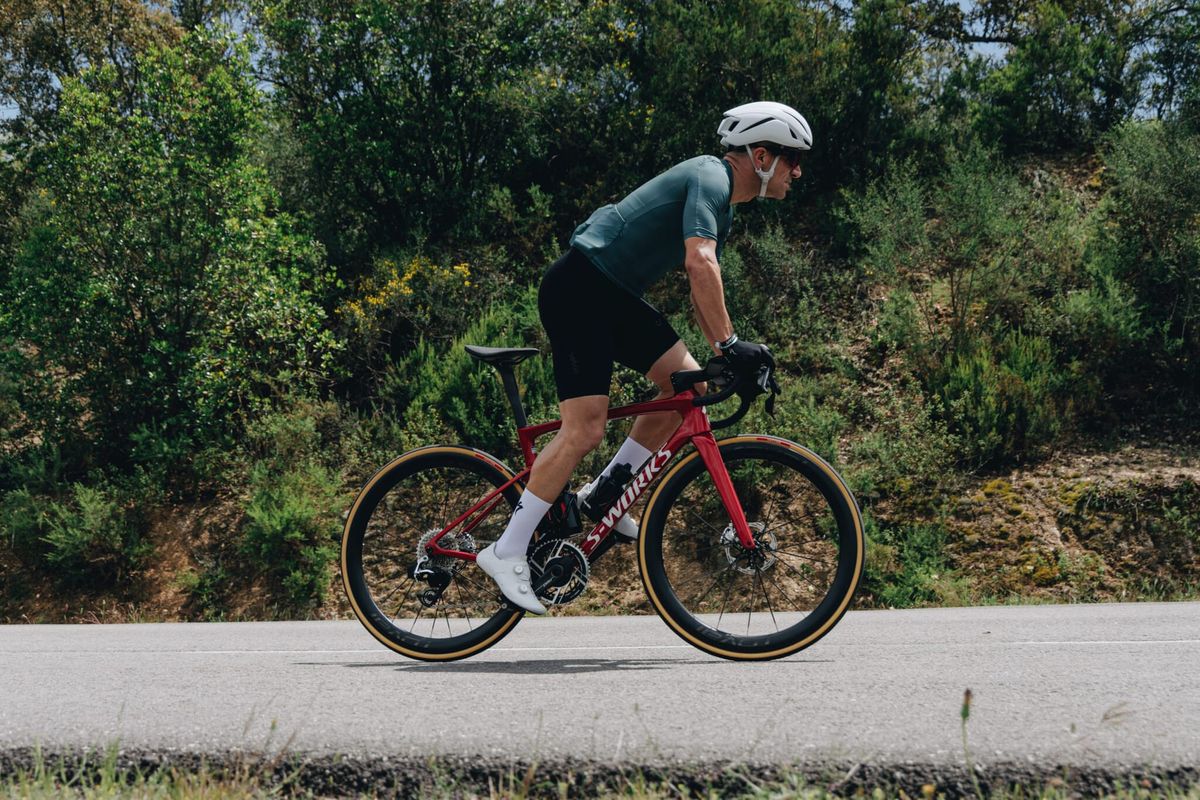
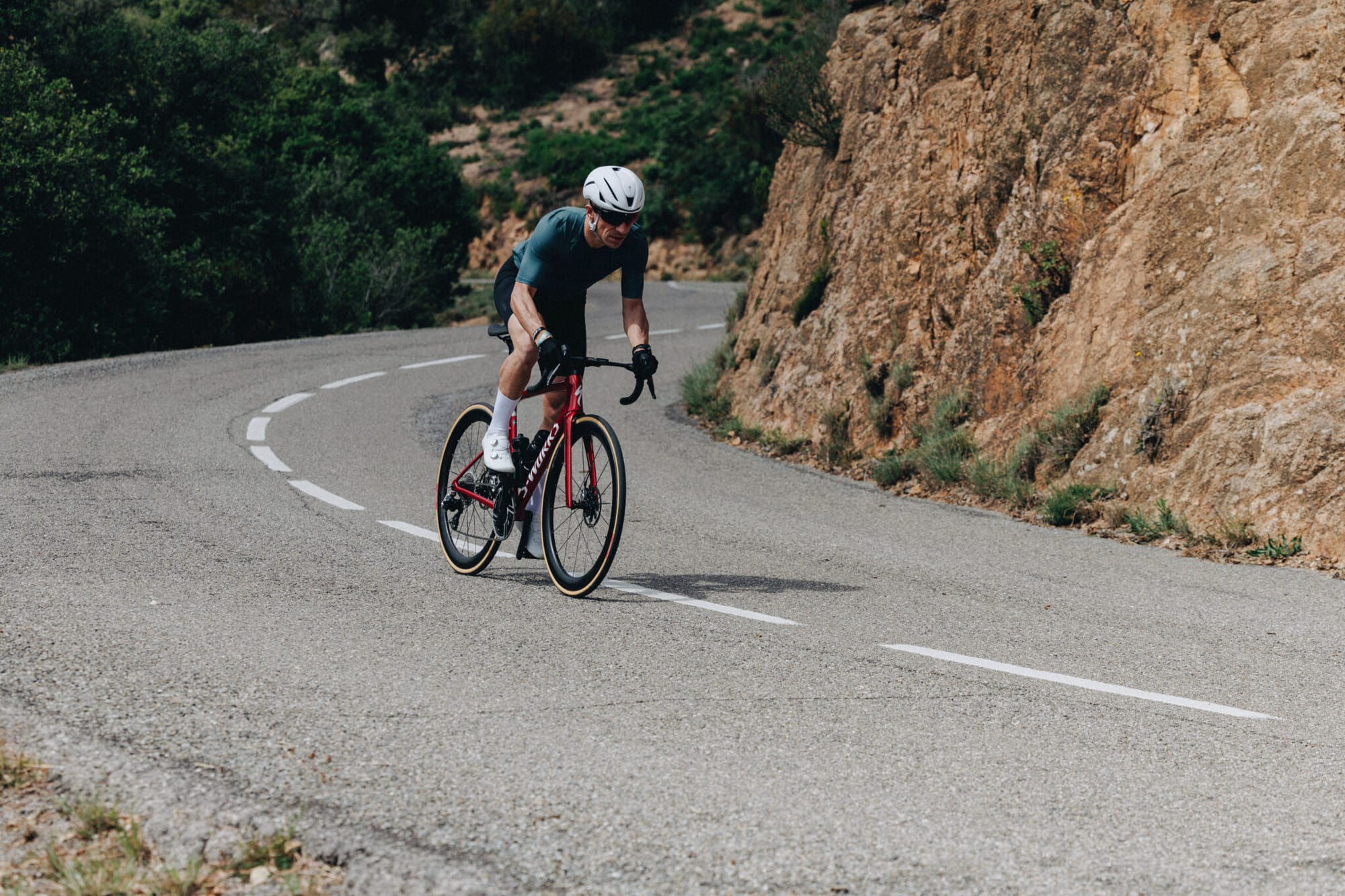
Four watts at 45kph. That's what Specialized claims the new Tarmac SL9 gains over the SL8. To put a number on it: the brand says Demi Vollering would have won the 2024 Tour de France Femmes by ten seconds instead of losing by four had she been on this frame. Whether you buy that math or not, it tells you where Specialized's head is at—optimizing for race results, not wind-tunnel bragging rights.
The SL9 isn't trying to be the slipperiest bike in a CFD simulation. Specialized openly admits the Cervélo S5 posts a lower CdA in their own testing. What they're chasing instead is what they call "fastest to the finish"—a weighted calculation that accounts for climbing, descending, accelerating, and the messy reality of racing where you're rarely holding a perfect aero tuck at a fixed yaw angle for hours.
It's a subtle but important distinction, and one that matters if you're the kind of rider who actually looks at your power files after a ride.
What Actually Changed
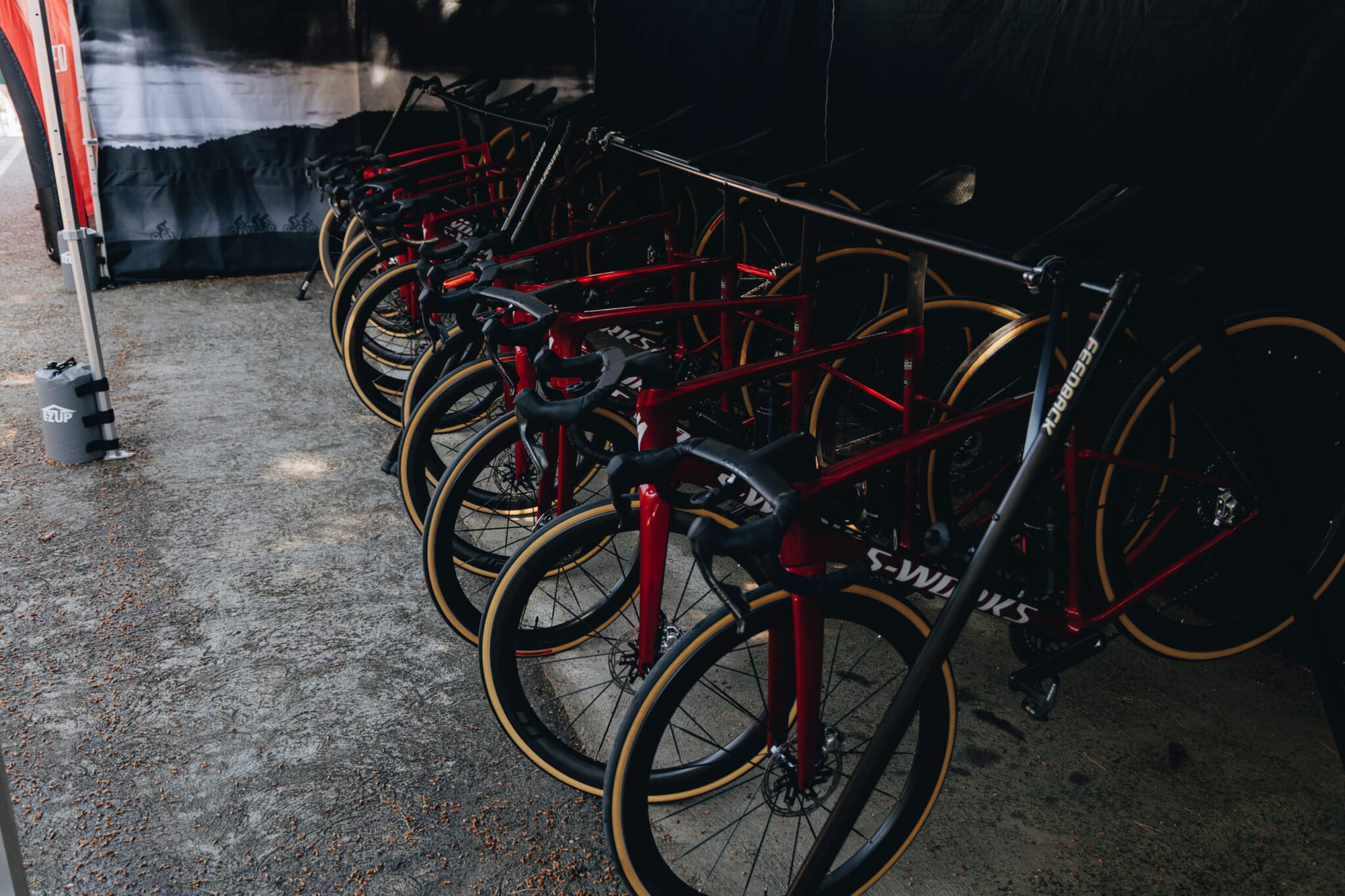
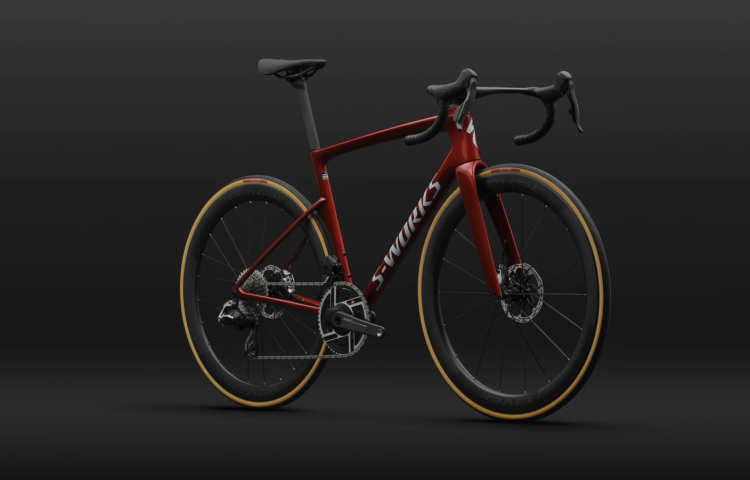
The frame looks like a Tarmac. That was intentional. Specialized explicitly avoided the "aero-brutalist" approach—no massive truncated tubes, no windsail aesthetics. The changes are surgical:
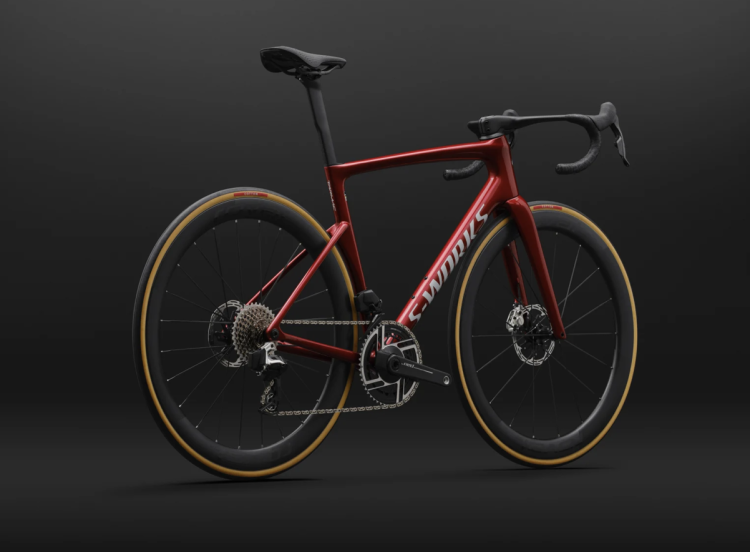
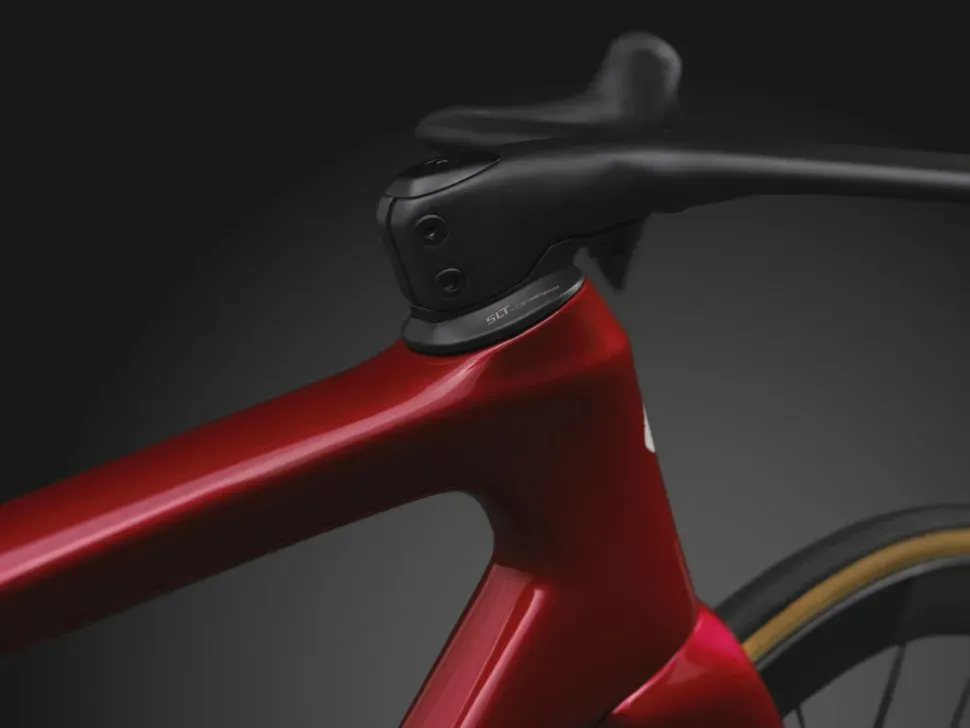
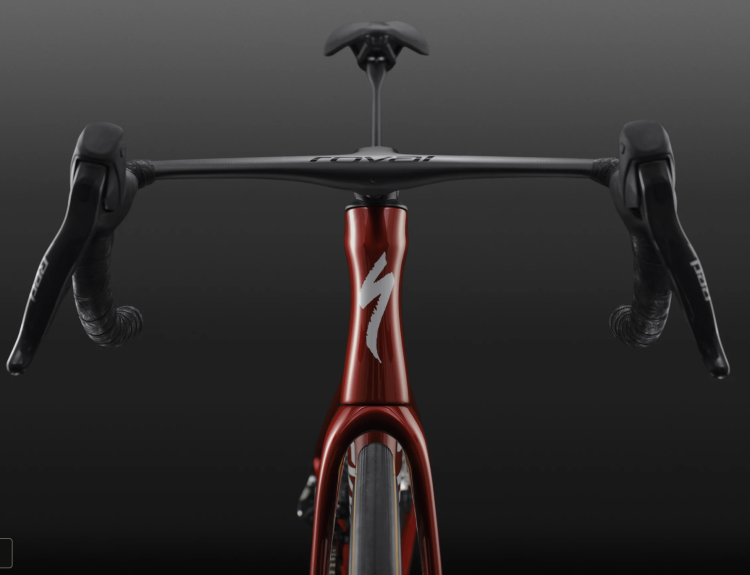
The head tube is 4mm narrower total, which drops frontal area by roughly 10%. The fork legs are deeper and internally rotated to channel air around the front wheel and into the down tube. There's a new "Win Fin" on the seat tube—essentially a vertical spoiler that closes the gap to the rear tire. The seat tube itself is 2mm deeper, and the seatpost is thinner and kinked to follow the same logic.
That narrower head tube created a problem. The fork now comes close enough to the down tube during rotation that Specialized had to add a steerer stopper, limiting steering angle to 80 degrees. If you crash and break the stopper, you replace the lower transition spacer. It's an added complexity, and some riders will find it philosophically annoying even if it never affects them in practice.
The internal routing also changed. Both brake lines now run on the drive side because there's no longer room to split them. If you're using Roval cockpits or stems, you can still add or remove spacers without touching the cables—a small mercy.
The Weight Question
The SL9 frame weighs 687 grams in a size 56. That's 2 grams heavier than the SL8.
Specialized was initially prepared to accept a 45-50 gram penalty for the aero gains. Early simulations put the new frame at 710 grams. Then the engineers went back and developed bespoke ply designs—custom fiber areal weights, layup tweaks specific to this frame—to claw it back. Every ply in the frame serves double duty: structural integrity and stiffness contribution. Nothing is there just to fill space.
The complete S-Works build with SRAM Red AXS weighs 7kg in a size 58 with bottle cages and computer mount. The Dura-Ace version claims 6.6kg in a size 56. These are among the lightest aero road bikes you can buy at this level.
Still, if you're hoping for a sub-6kg race weapon, this isn't it. The weight floor for integrated, aero-optimized, UCI-legal bikes seems to have stabilized.
The Competitor Data
Specialized rarely publishes head-to-head data against other brands. This time they did, testing the Cervélo S5, Colnago Y1Rs, and Factor One against the SL9 using their sixth-generation pedaling mannequin.
The results, as Specialized presents them: the SL9 posts a higher CdA than the S5, similar to the Y1Rs, and lower than the Factor One. But in their 100km race simulation—which includes climbs, descents, and rolling terrain—the SL9 comes out fastest.
The simulation matters here. Specialized weighted their yaw angle testing toward narrower angles (70% between ±5°, 95% within ±10°), which they argue reflects real-world riding better than the wider angles where deep-section aero bikes excel. Critics will note that narrower angles conveniently favor the Tarmac's design philosophy. Both things can be true.
The race segments Specialized simulated were all rolling or hilly. None were flat sprint finishes. If you're racing criteriums or flat time trials, the calculus might look different. Specialized isn't hiding this—they're just not emphasizing it.
Geometry and Handling
The geometry is nearly identical to the SL8. Same long, low front end. Same four different fork sizes across the seven-size range to keep handling consistent. The only change: a tweak to the 54cm frame's head tube angle and fork offset to eliminate toe overlap.
This is the right call. The Tarmac's handling has been its calling card for years—responsive without being twitchy, stable at speed without feeling sluggish. First-ride impressions from reviewers describe it as "telepathic," which is marketing language, but the underlying point holds: the bike goes where you point it without fighting you.
The Practical Specs
32mm tire clearance carries over from the SL8. You get UDH compatibility, BSA threaded bottom bracket, and a 140mm rear flat-mount caliper. The seatpost is compatible with the SL8 if you're thinking about upgrades or replacements down the line.
The S-Works builds come with Roval Rapide CLX III wheels and Specialized Cotton TLR tires in 30mm. SRAM Red AXS version: $14,000. Shimano Dura-Ace Di2: $13,500. The SRAM build includes a Quarq power meter; the Shimano does not.
Who This Is For—and Who It Isn't
If you own an SL8 and race seriously, the SL9 is a marginal upgrade. Four watts is real, but it's not transformative. The frame looks similar, rides similar, and weighs the same. You'd be buying refinement, not reinvention.
If you're coming from an older Tarmac—SL6 or SL7—or from a competitor's bike, the value proposition is stronger. The SL9 represents Specialized's clearest vision of what an all-around race bike should be: fast enough on the flats, light enough for climbs, composed enough for descents, and comfortable enough for long days.
If you want the absolute slipperiest bike for flat time trials or if you prioritize deep-section aero performance in crosswinds, look elsewhere. The SL9 isn't trying to win that fight.
And if $13,500-$14,000 isn't in your budget, none of this applies yet. Specialized hasn't announced lower-tier builds, though they typically follow. The S-Works tax is steep, and whether the trickle-down frames match this performance remains to be seen.
The Data-Driven Takeaway
Specialized's "fastest to the finish" framing is worth paying attention to. It's an acknowledgment that wind tunnel numbers, while useful, don't capture race performance. Real courses have grades, corners, accelerations, and position changes. A bike that's 2 watts slower in a laminar flow test but 5 watts better when you're out of the saddle attacking might actually be faster over 100km.
Whether you trust Specialized's simulations is a different question. They control the inputs, the weighting, and the scenarios. But the logic is sound, and it aligns with how serious amateurs actually ride—intervals, group rides, mixed terrain, not steady-state threshold efforts in a velodrome.
For riders who track their data and think in terms of kilojoules per hour, the SL9 represents a systems-level optimization. Frame, fork, cockpit, wheels, tires—all tuned to work together. The gains are small individually. Stacked, they add up.
The question is whether those gains justify the cost, and that depends entirely on what you're optimizing for.
TL;DR
- The SL9 claims 4 watts faster than the SL8 at 45kph through a 10% frontal area reduction—narrower head tube, deeper fork, seat tube spoiler—while adding only 2 grams to the frame.
- Specialized's "fastest to the finish" approach prioritizes real-world race performance over pure wind tunnel numbers; they admit the Cervélo S5 has lower CdA but claim the SL9 wins simulated race stages.
- The steerer stopper limiting steering to 80° is a design compromise from the narrower head tube—probably never an issue in practice, but it's there.