The Specialized Crux 5 Adds Aero to the Lightest Gravel Racer (And Has the Data to Prove It)
The new Specialized Crux 5 adds aero to the lightest gravel racer. 789g frame, 55mm clearance, and race telemetry data claiming 9:58 saved at Unbound. Here's the catch.

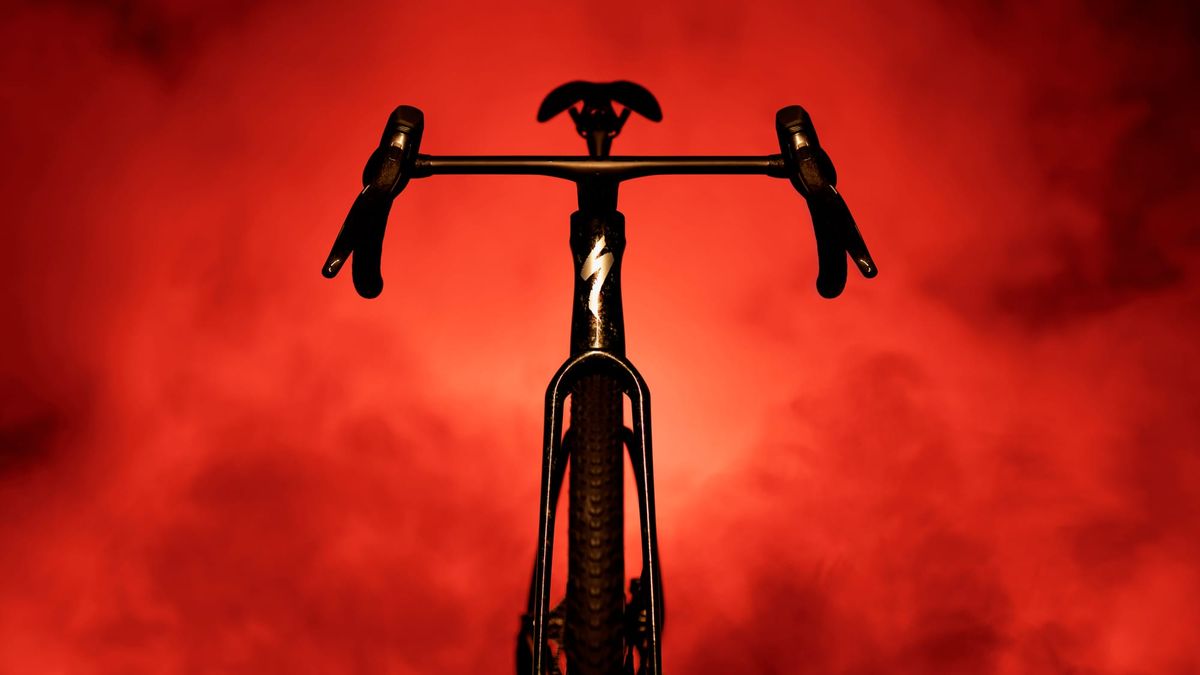
The Specialized Crux has always been the gravel bike that didn't want to be a gravel bike. It started as a cyclocross racer, wandered into the gravel world before gravel had a marketing department, and became the choice for riders who wanted something light and sharp instead of plush and slow. Now the Crux 5 adds the one thing the previous version didn't prioritize: aerodynamics. But this isn't just deeper tubes and a press release. Specialized is claiming this is the fastest gravel race bike they've ever made, and they're backing it up with telemetry data from actual races.
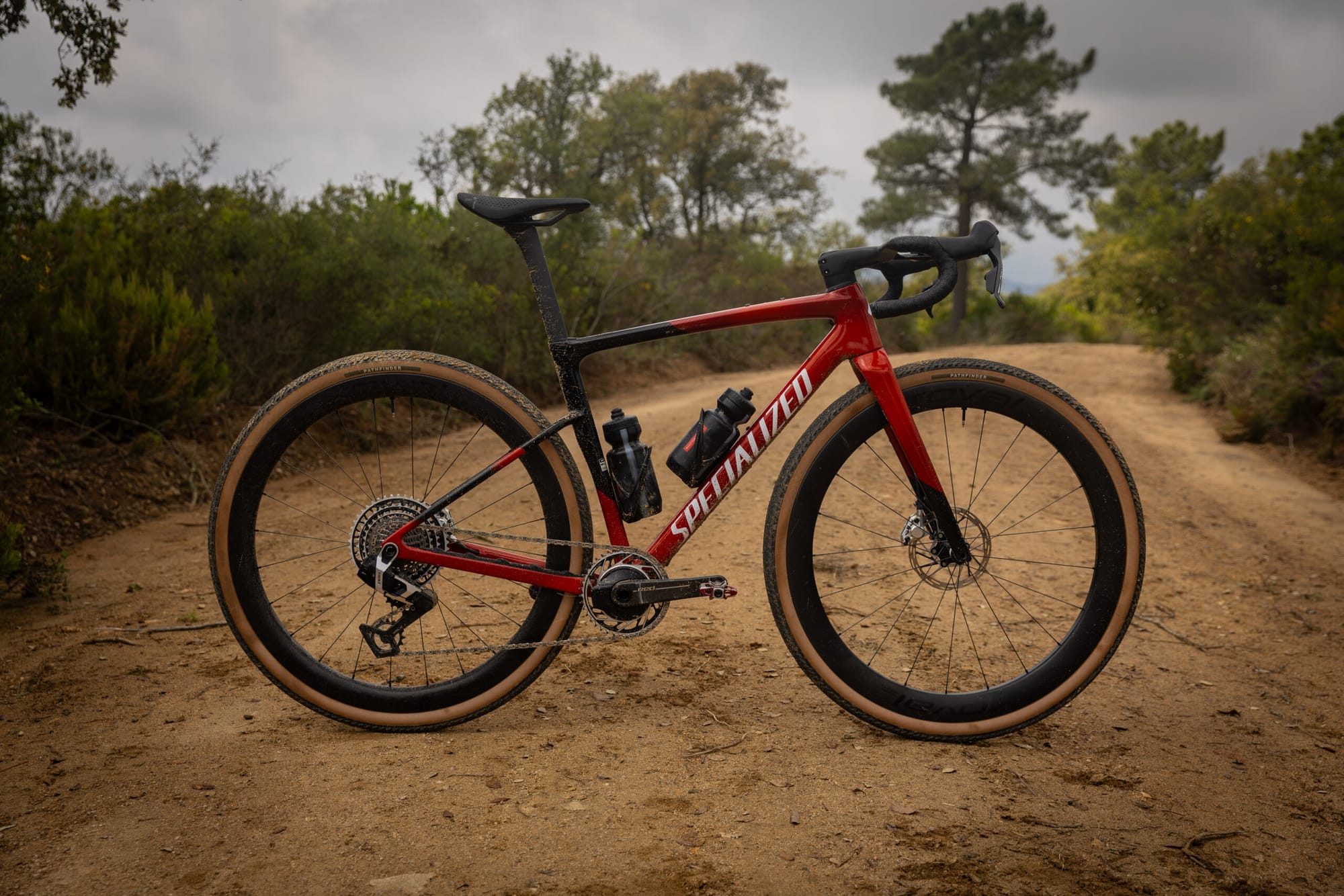
The headline number: the new Crux 5 would have saved Sofia Gomez Villafañe 9 minutes and 58 seconds on the 2025 Unbound Gravel course compared to the Crux 4. That's based on Specialized's "Time to Finish" model, which rolls aero drag, weight, rolling resistance, surface roughness, and rider power into a single performance prediction. It's the same approach they used for the Tarmac SL8, but applied to gravel where speeds are lower, surfaces change constantly, and tire choice can wreck your day. The data comes from race-day telemetry packs mounted under riders' saddles at Unbound and other elite gravel events—those little black boxes were collecting surface vibration data in real time using accelerometers.
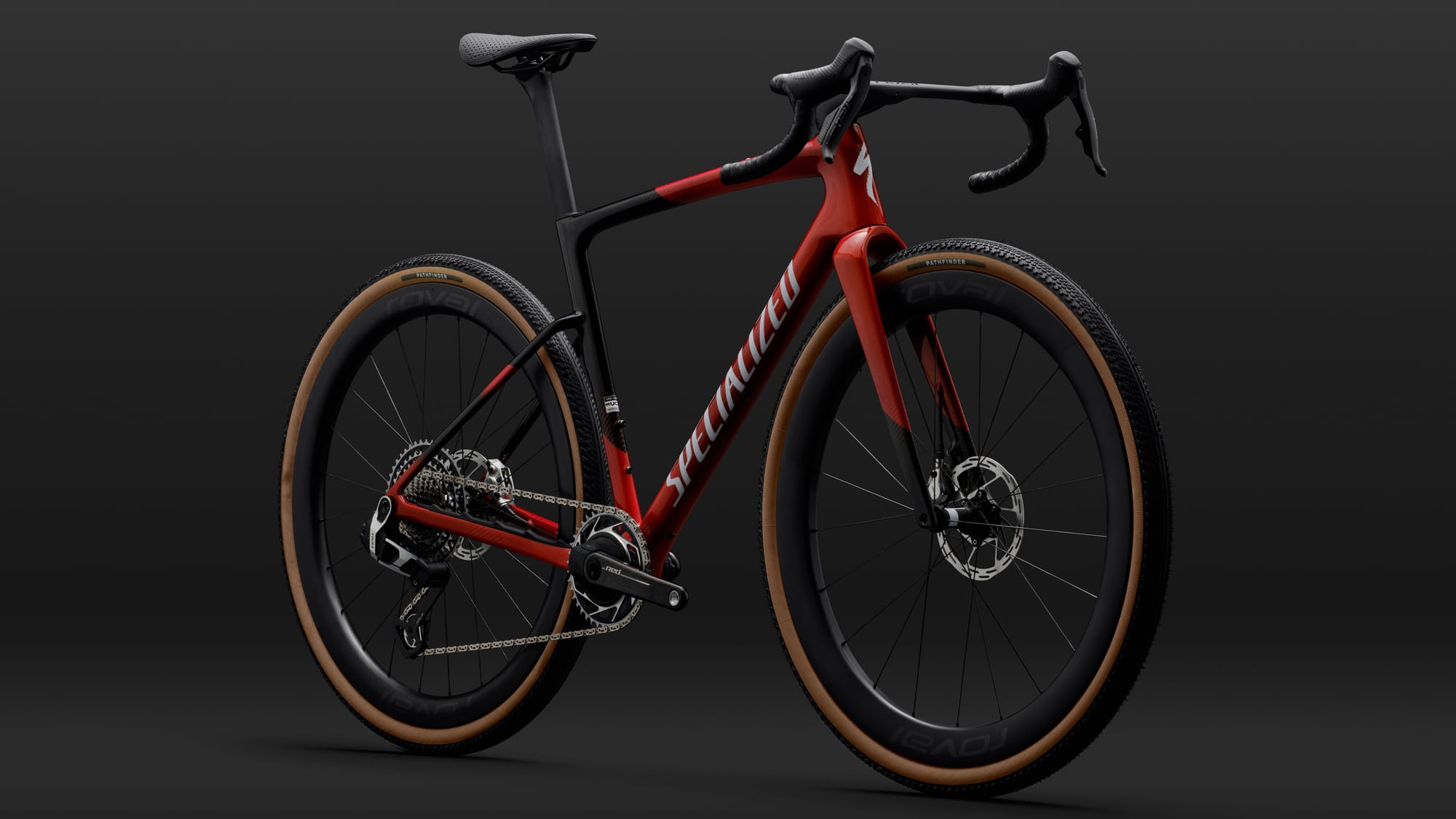
Here's the catch: that 9:58 time savings assumes you're running the full system—the new frame, the Roval Terra Aero wheels, and the Terra cockpit. Specialized says roughly half the aero improvement comes from the frame, fork, and seatpost. The other half? Thirty percent from the wheels, twenty percent from the cockpit. So if you're planning to buy the frameset and bolt on your existing wheels and bars, you're not getting the full aero story. The S-Works frame is 789 grams and clears up to 55mm tires, which is where gravel racing is heading. Complete builds start at 6.9 kg, and even the aero setup with the Terra Aero wheels comes in around 7.1 kg. That's light for a bike with this much clearance and aero treatment.
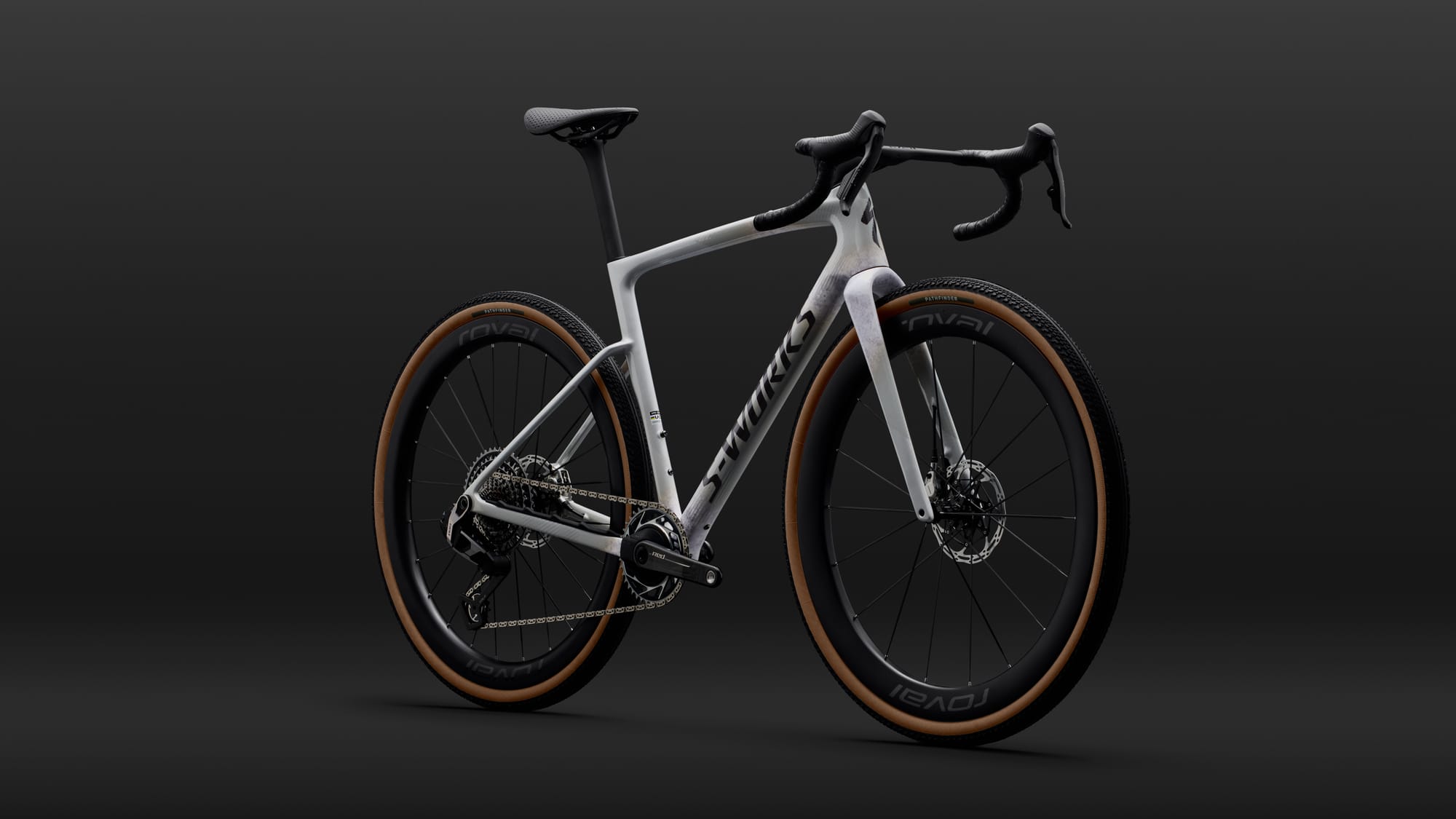
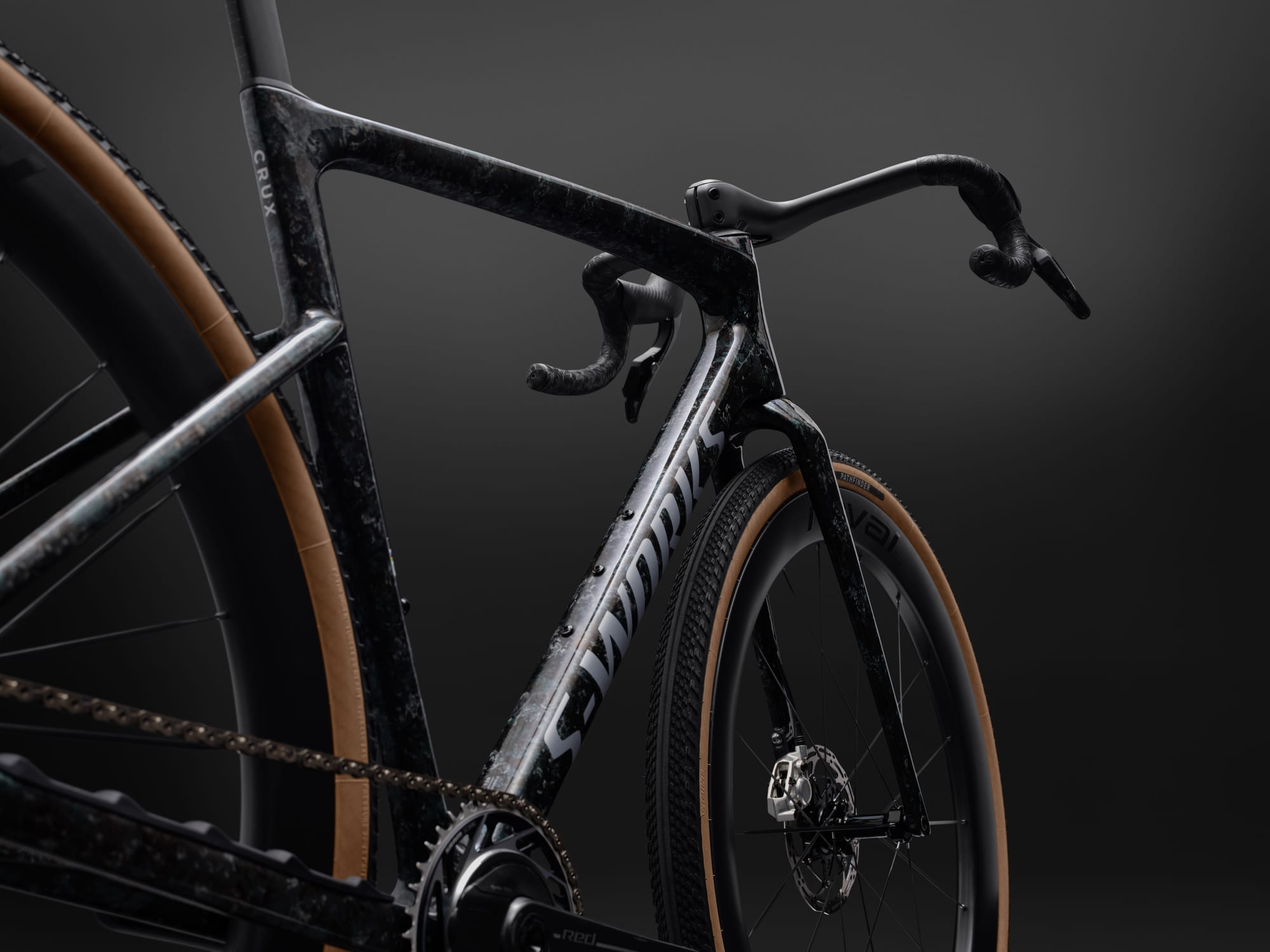
The geometry has shifted slightly to match the bike's new identity. The Crux 5 gets a longer reach, a half-degree slacker head angle, a lower bottom bracket, and a half-degree steeper seat angle. It's designed around shorter stems and bigger tires, and Specialized says the goal was to make the bike feel more planted in rough terrain without killing the snap that made the Crux feel like a Crux. I can't verify that ride feel yet, but the spec that matters is the tire clearance. Specialized claims a 50mm Tracer tire on the new Roval Terra Aero wheel has the same drag as a 45mm Tracer on the previous Terra CLX II wheel. If that holds, you can upsize for traction and rolling efficiency without the usual aero penalty.
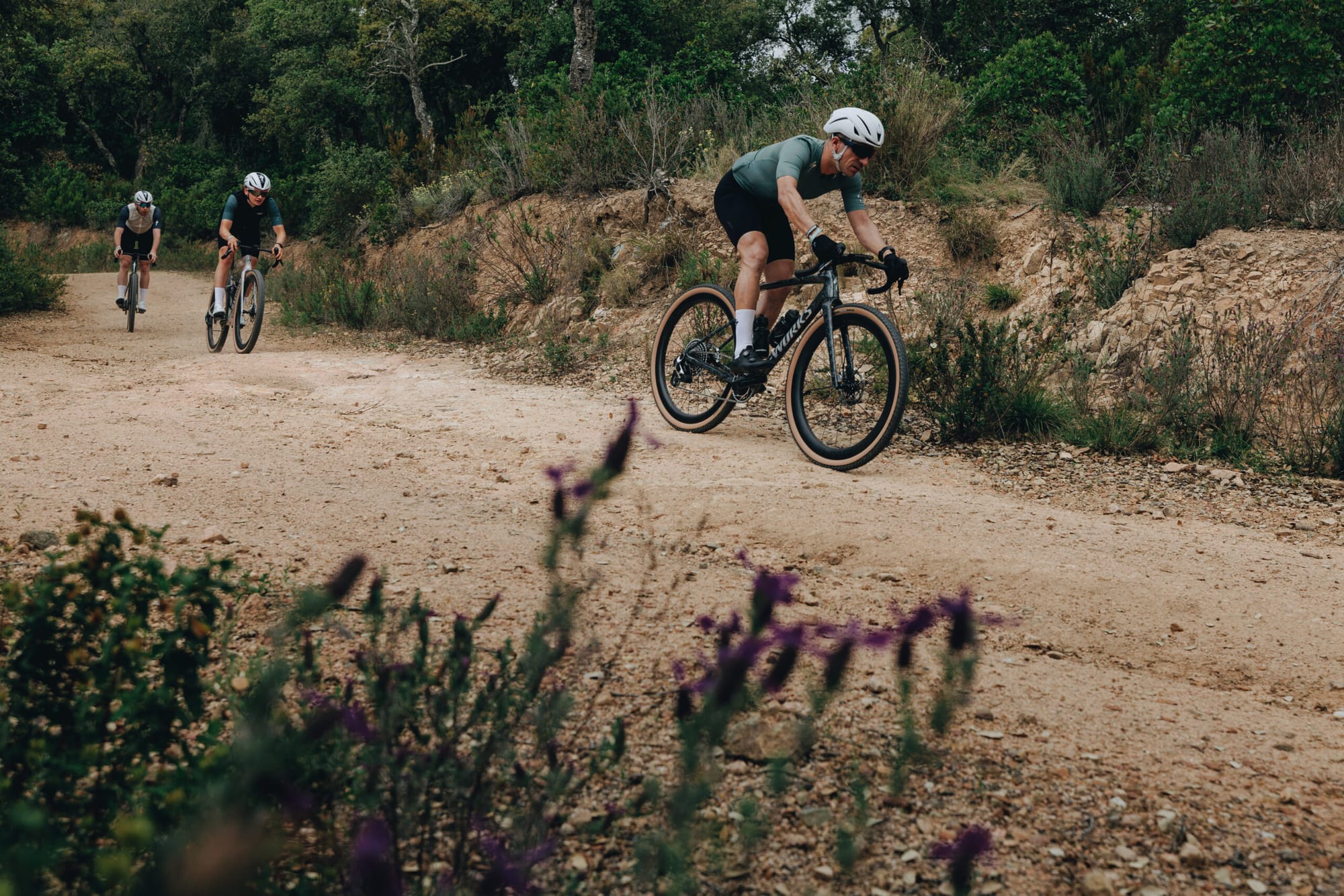

The range starts at $4,500 for the Crux 5 Comp with a FACT 10r frame and SRAM Rival AXS. The new S-Level build at $10,500 is the interesting middle option—it gets the FACT 10r frame instead of the S-Works FACT 12r, but the build kit is still halo-level: SRAM RED XPLR, Quarq power meter, Roval Terra Aero CL wheels, and the integrated Terra cockpit. Claimed weight is 7.7 kg in size 56. The S-Works Crux 5 AXS tops out at $14,000 with the 12r frame, Roval Terra Aero CLX wheels, and CeramicSpeed bearings. Framesets are available at $5,800 for S-Works and $3,500 for the 10r. The Crux is no longer pretending to be a cyclocross bike. It's a gravel race machine now, and Specialized has the data to prove it's fast.