Shimano's New Cable XT Drivetrain, Trail Pedals, and Thicker Rotors: What Actually Matters
Shimano's new cable-actuated XT drivetrain, wider trail pedals, and 2.2mm rotors promise durability and simplicity—without the electronic complexity.

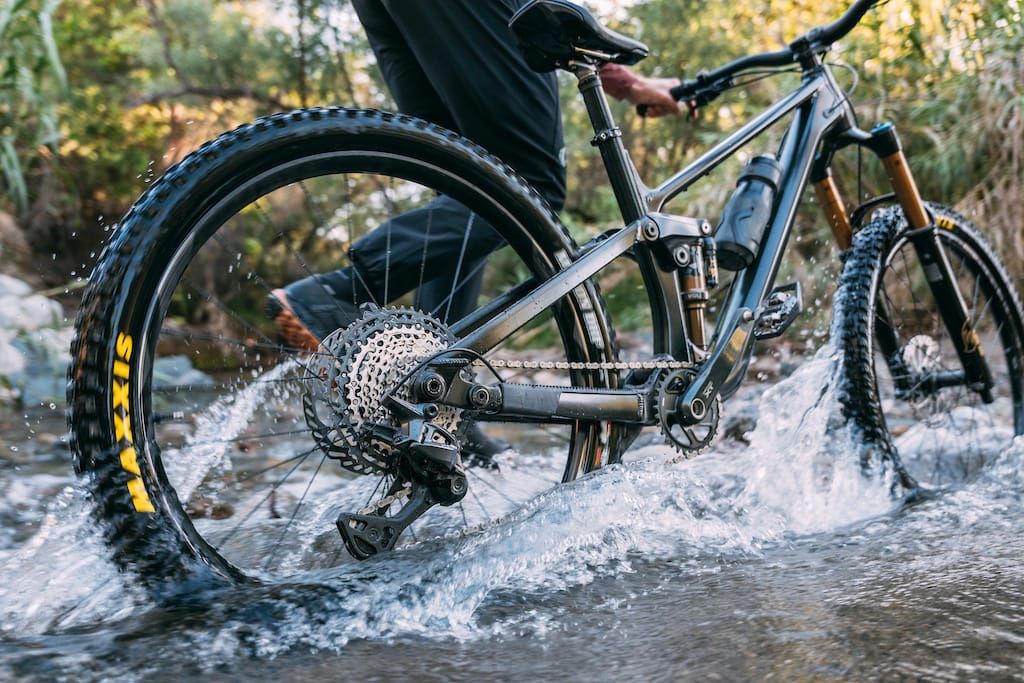
Shimano just rolled out cable-actuated XT drivetrain components, two new clipless pedals, and thicker brake rotors—all in the span of a week. If you've been eyeing an upgrade but weren't ready to commit to electronic shifting, or if you're tired of tweaking bent rotors after every aggressive ride, this batch is worth understanding.
The pitch is straightforward: take the durability improvements from last year's XT Di2 launch and offer them in mechanical form. You get the same updated cassettes, chains, and cranks, but actuated by cables instead of batteries. Three derailleurs, two shifter styles, and no charging dock required.
The Derailleurs: Short Cage Finally Arrives
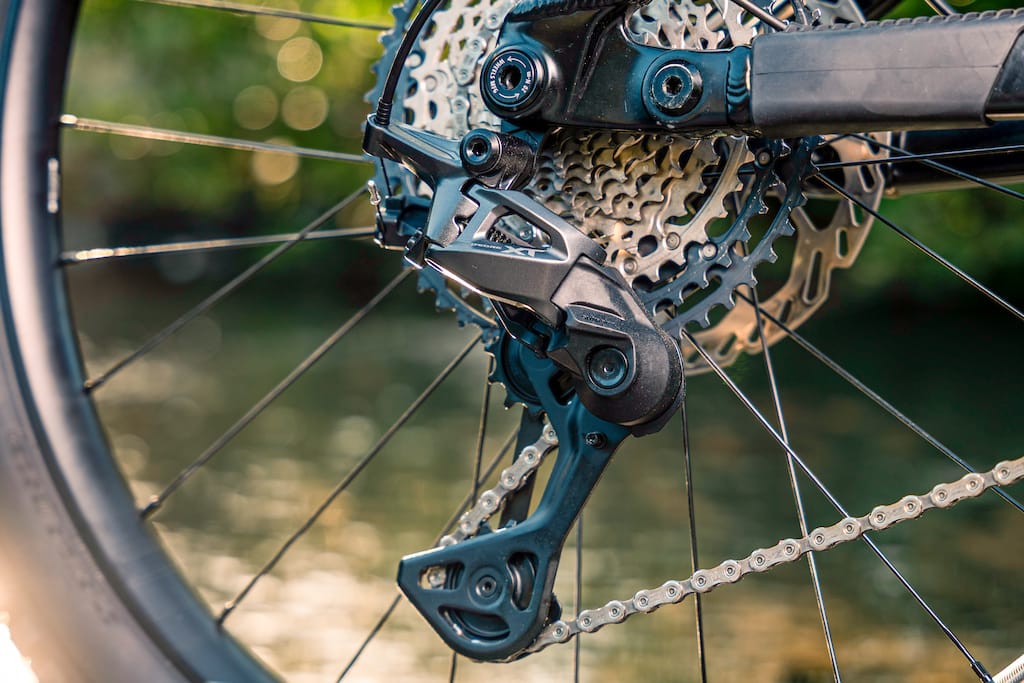
Shimano's offering three options. Two are 12-speed Hyperglide+ derailleurs—one long cage (RD-M8200-SGS) for 10-51t cassettes, one short cage (RD-M8200-GS) for 9-45t setups. The third is an 11-speed Linkglide derailleur (RD-M8230) for 11-50t cassettes, aimed at riders prioritizing durability over shift speed.
The short cage version is the more interesting option if you're running a tighter gear range. It's lighter by about 45 grams (cassette weight difference, based on XTR data), offers more ground clearance, and keeps shifts crisper when you're not hunting for bailout gears. The derailleur itself is only about 4 grams lighter than the long cage, so the real savings come from the smaller cassette. If you're not regularly climbing fire roads with 3,000 feet of gain, the 9-45t range might be enough, and you'll appreciate the tighter shift pattern when you're already fatigued.
All three derailleurs use Shimano's Shadow ES stabilizer, which relies on strong springs instead of a friction clutch. The upside: no gradual performance decay as the clutch wears. The downside: more chain noise and flail than a clutched setup. It's not a dealbreaker, but if you're sensitive to drivetrain chatter on rough descents, it's something you'll notice.
Shifters: Two-Way Release and an eMTB Option
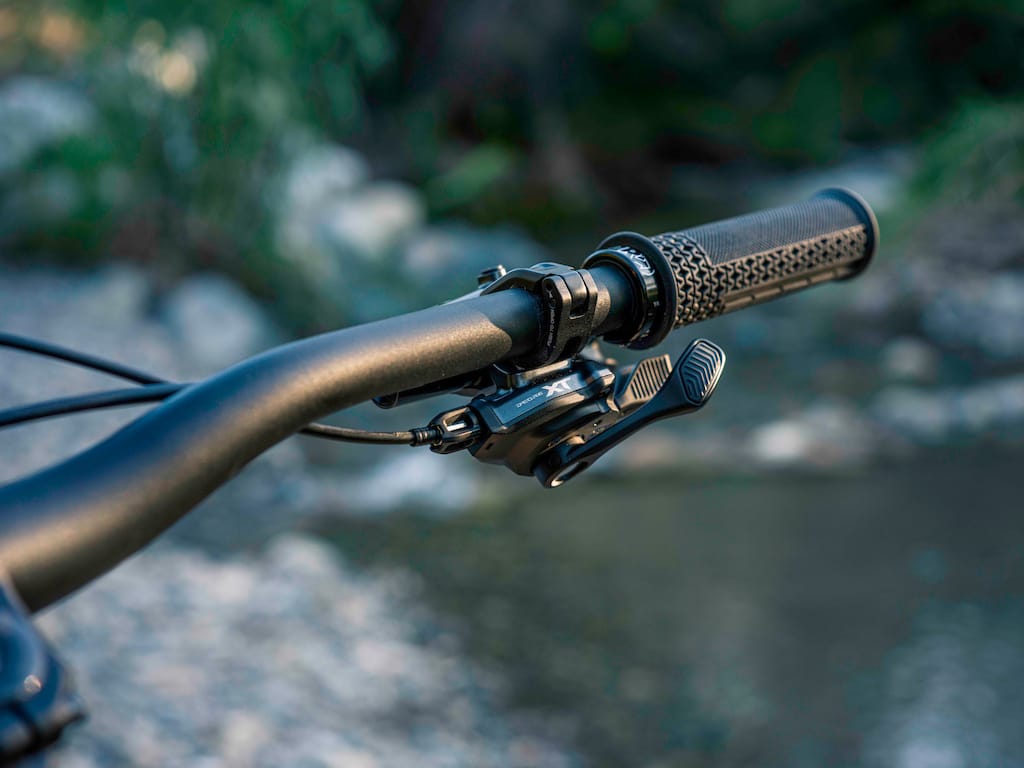
Shimano's bringing back two-way release on the cable shifters—something the Di2 versions don't offer. You can downshift by pushing the lever forward or pulling it back, which matters more than it sounds like when you're mid-descent and your hand position is less than ideal.
There are three shifter models. The SL-M8200 is the standard 12-speed Hyperglide+ shifter with multi-shift capability (up to three gears at once). The SL-M8210 is the eMTB version, limited to single shifts to reduce the chance of overloading the cassette under motor-assisted torque. The SL-M8230 is the 11-speed Linkglide shifter, capped at two shifts per throw.
Each shifter comes in I-SPEC EV direct-mount and band clamp versions, so compatibility shouldn't be an issue. The single-shift eMTB option is also useful if you prefer deliberate, one-click shifting even on a standard bike—some riders find it easier to control cadence that way, especially when tired.
Price is $85 per shifter, $170 per derailleur. That's reasonable for XT-level components, though you're still looking at around $340 for a shifter and derailleur pair before adding cassette, chain, and cranks.
Pedals: Wider Platform, Familiar Design
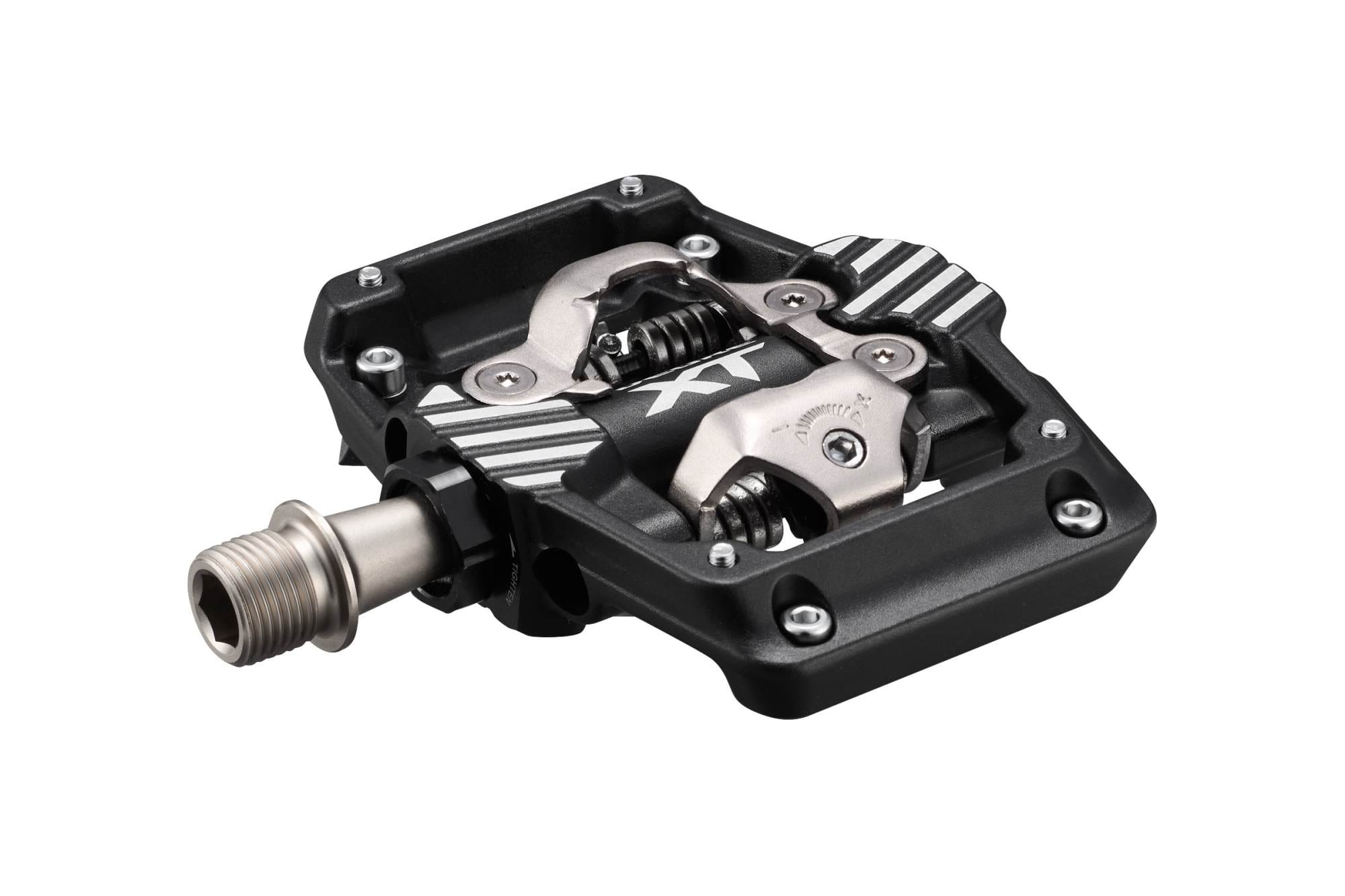
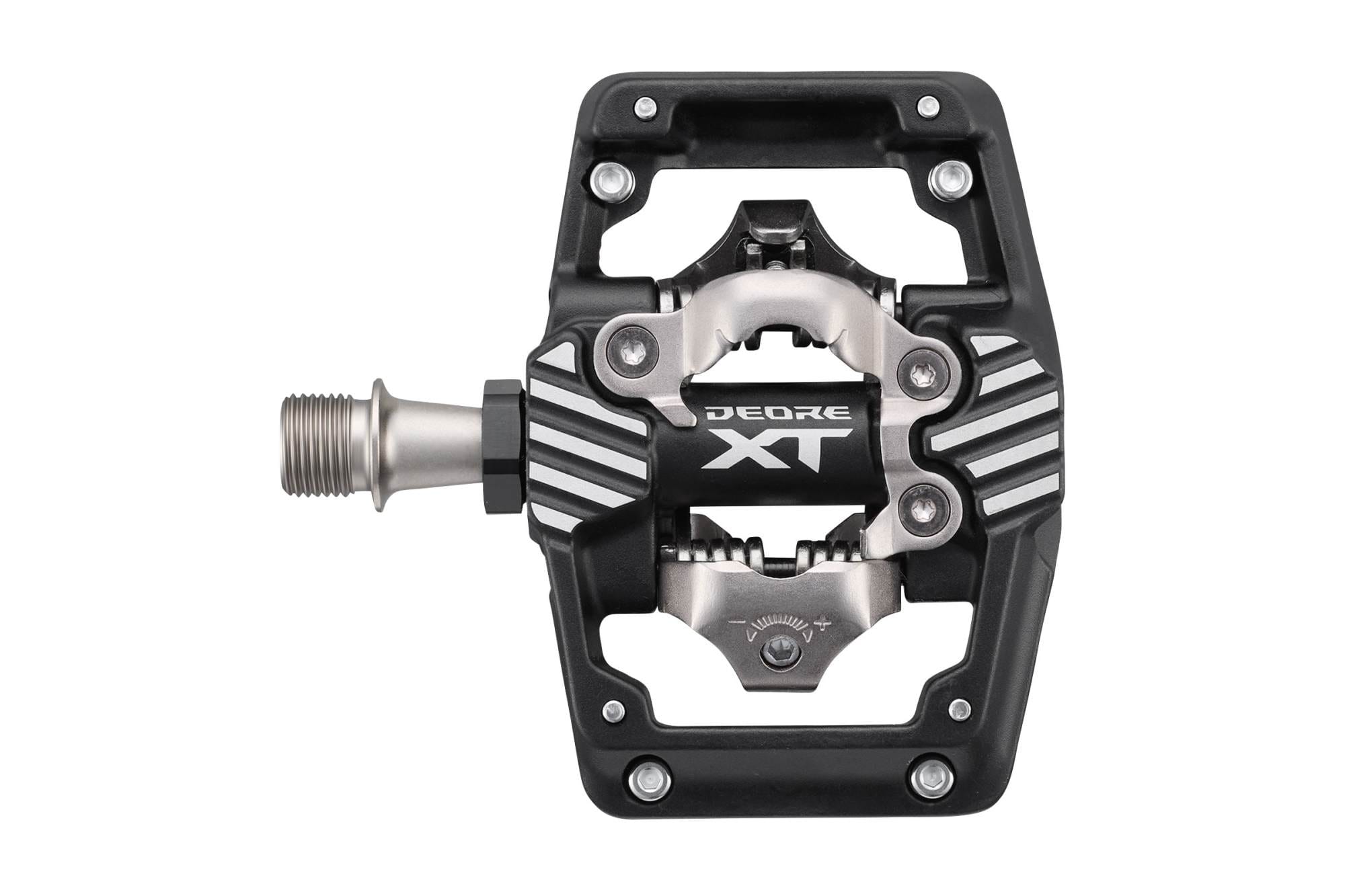
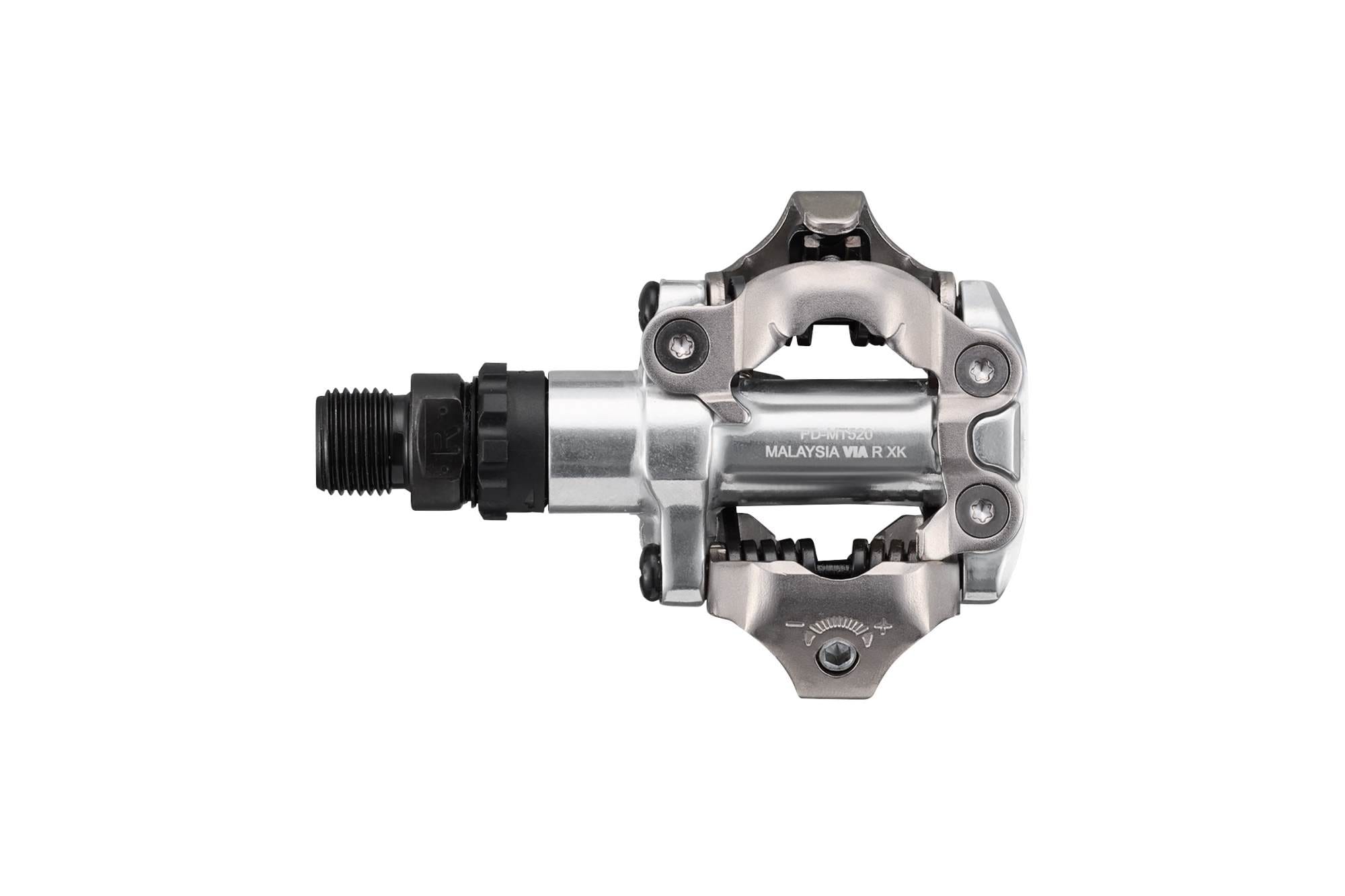
Shimano also updated its clipless pedal lineup with two models. The DEORE XT PD-M8220 is the new trail-focused option, borrowing design cues from XTR. It's wider than previous XT pedals, with an integrated cage around the SPD mechanism to increase contact area and stability. Stack height is 16.2mm, and the pedals weigh 472 grams per pair. They're optimized for Shimano's CL-MT001 cleats and include a cleat retention adjuster and a 1.0mm spacer.
The wider platform makes sense if you're riding technical terrain where foot placement shifts constantly, or if you occasionally unclip and need a more stable surface when you're pedaling flat-footed. The tradeoff is weight—472 grams is about 90 grams heavier than the slimmer PD-MT520 option.
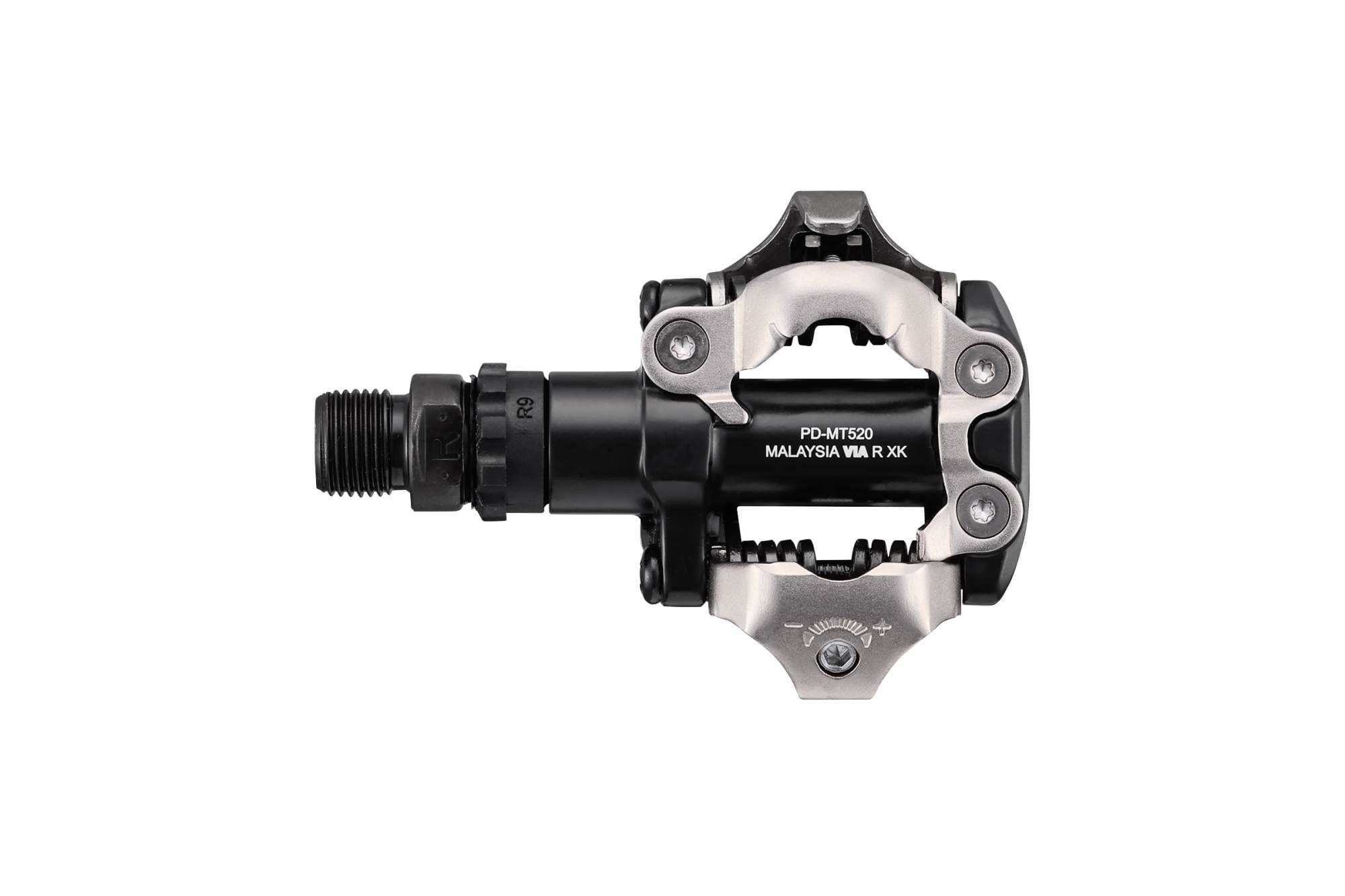
Speaking of which, the PD-MT520 is Shimano's refresh of the long-running M520 pedal. It's a minor update—optimized for SM-SH51 cleats, sealed bearings, adjustable spring tension—but the core design remains familiar. They weigh 380 grams per pair and cost $55, making them a solid budget option if you don't need the extra platform area.
The PD-M8220 retails for $160. Whether the wider platform justifies the extra $105 depends on how much time you spend in sketchy, off-camber situations where a little more contact would help.
Rotors: Thicker Is Better (Usually)
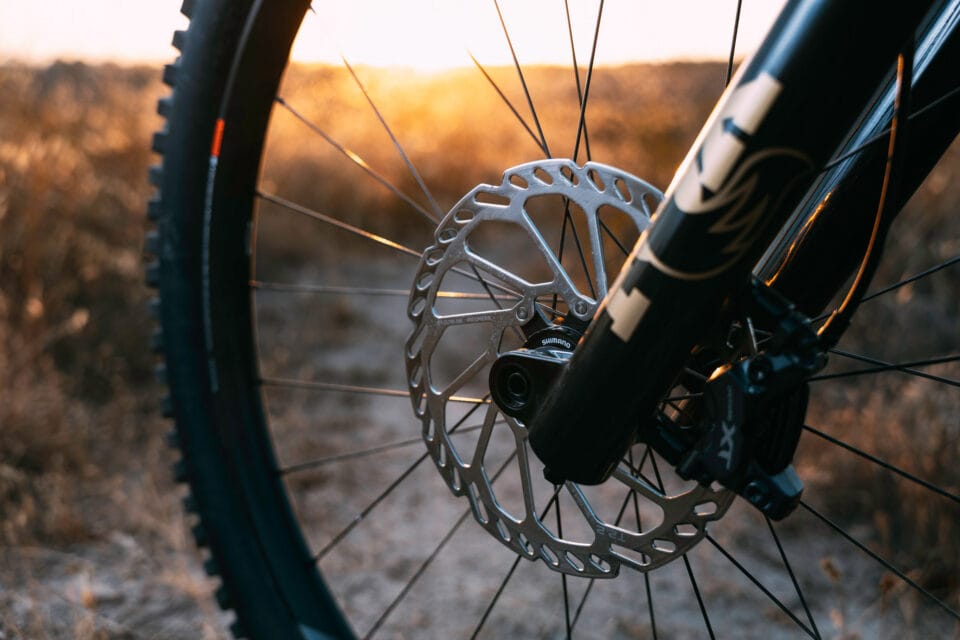
Shimano's new 2.2mm rotors are now the thickest option on the market, surpassing SRAM's 2.0mm HS2 design. They're available in 200mm and 220mm diameters—Shimano finally ditched the 203mm oddball size—and come in both 6-bolt and center-lock versions.
The extra 0.45mm of thickness (up from 1.75mm) is supposed to improve durability, reduce bending, and offer more consistent braking performance on long descents. Shimano also redesigned the vent holes, claiming better modulation and less hand fatigue.
Thicker rotors resist warping better, which matters if you're hard on brakes or haul heavy loads. They also dissipate heat more effectively, so brake fade is less of an issue on extended descents. The downside is weight—thicker rotors are heavier, though Shimano hasn't published exact figures yet. If you're counting grams, this might not be your upgrade.
Pricing is $60-$70 for the 200mm (depending on mount type) and $75-$80 for the 220mm. That's competitive with SRAM's HS2 rotors, which run about $65 for a 200mm.
One limitation: these rotors are only compatible with Shimano's 4-piston XTR, XT, and Deore brakes. If you're running 2-piston calipers, you're out of luck.
Who This Is For
The cable XT group makes sense if you want modern drivetrain performance without the electronic complexity. You lose the precision and auto-trim of Di2, but you gain simplicity—no battery management, no firmware updates, no worrying about water ingress in the junction box.
The short cage derailleur is appealing if you're disciplined about gear range and value tighter shifts over bailout ratios. The wider XT pedals are worth considering if you're on technical terrain often enough that the extra platform stability outweighs the weight penalty. And the thicker rotors are a straightforward upgrade if you've bent a rotor in the past six months or if you're tired of inconsistent brake feel on long descents.
None of these are revolutionary. They're incremental improvements that address real complaints—chain noise, bent rotors, limited clipless stability—without pretending to reinvent the category. Whether they're worth the upgrade cost depends on how much those specific issues bother you.
TL;DR
- Cable-actuated XT brings the durability improvements from last year's Di2 launch to mechanical shifting, with three derailleur options (including a short cage 9-45t version) and two-way release shifters starting at $85.
- The new PD-M8220 pedals add a wider platform around the SPD mechanism for better stability on technical terrain, but weigh 472g per pair—92g heavier than the refreshed PD-MT520 budget option at $55.
- Shimano's 2.2mm rotors are now the thickest on the market, offering better warp resistance and heat management than previous 1.75mm designs, but they're limited to 4-piston XTR, XT, and Deore brakes.