Saddle Sores: A Rider's Guide to Treatment and Prevention

Spend enough hours in the saddle and sooner or later your body sends you a bill. For a lot of riders, that bill arrives as a saddle sore — a tender, angry patch in exactly the spot you'd least like to have one. The good news is that the vast majority of saddle sores are minor, manageable, and entirely preventable once you understand what's actually going on down there. Here's how to treat one when it shows up, and how to keep it from coming back.
What Exactly Is a Saddle Sore?
"Saddle sore" is a catch-all term for skin trouble in the area that bears your weight on the bike: the sit bones, the perineum, the inner thighs, and the groin. They aren't caused by one single thing but by a combination of forces working on the same patch of skin for hours at a time — friction from the constant pedaling motion, pressure on soft tissue, trapped heat and moisture from sweat, and the bacteria that thrive in that warm, damp environment. Break the skin's defenses down enough and you get irritation, infection, or both.
It's worth saying plainly: saddle sores are common, they happen to fit and experienced riders, and having one is not a sign that you're doing something embarrassingly wrong. It's a sign your skin took more abuse than it could absorb.
Know What You're Dealing With
Not every sore is the same, and matching your response to the severity matters. Most fall somewhere on this spectrum:
- Chafing and raw skin. The mildest form — reddened, tender, burning skin from friction. No real infection, just an irritated surface.
- Folliculitis. An inflamed or infected hair follicle that looks like a small pimple or cluster of them. This is where bacteria start to get involved.
- Furuncles (boils). A deeper, more painful infection that forms a firm nodule under the skin and may come to a head. These are the ones that really sideline you.
- Open sores and ulceration. The most severe end — broken, weeping, or ulcerated skin. These need genuine care and usually some time off the bike.
If you can tell roughly where on this ladder your sore sits, you'll know whether you're dealing with a minor annoyance or something that deserves more respect.
First Response: Caring for an Active Saddle Sore
Rest is the treatment. This is the part nobody wants to hear, but it's the single most effective thing you can do. Skin can't repair itself while you keep grinding the same spot every day. For a mild sore, a day or two off or some easy, short rides may be enough. For anything more serious, give it real time. Riding through a saddle sore is the fastest way to turn a small one into a big one.
Keep the area clean and dry. Wash gently with a mild soap and warm water, then dry thoroughly — moisture is the enemy here. After a shower, let the area air out before you get dressed. Clean, breathable cotton underwear off the bike helps the skin recover far better than tight synthetics.
Don't squeeze, pop, or pick. It's tempting, but breaking open a boil or folliculitis bump yourself pushes bacteria deeper and can spread the infection. Leave it alone and let your body do the work.
Use a warm compress for boils. If you've got a furuncle, a clean warm compress held against it for ten or so minutes a few times a day can ease the pain and encourage it to drain naturally on its own. Once it does, keep the area clean and covered.
Reach for the right topical. For raw, chafed skin, a barrier cream with zinc oxide — the same stuff in diaper rash cream — protects the surface and calms irritation. For sores where infection is a concern, an over-the-counter antiseptic or antibacterial ointment can help. Avoid loading the spot with your usual chamois cream while it's healing; that's for riding, not recovery.
Let it breathe. Whenever you're off the bike, give the area as much air and as little friction as possible. The more time the skin spends dry, clean, and undisturbed, the faster it closes up.
When to Call in a Professional
Most saddle sores clear up on their own with rest and basic care within a week or two. Some don't, and it's important to know the difference. See a doctor if you notice:
- Redness that spreads outward from the sore, or red streaks running away from it
- Increasing pain, swelling, or warmth rather than gradual improvement
- Fever or feeling generally unwell
- Pus, or a boil that's large, deep, and won't drain
- A sore that hasn't healed after a couple of weeks, or that keeps coming back in the same place
These can signal a deeper infection that may need a course of antibiotics or, in the case of a stubborn boil, professional drainage. There's no toughness points for letting an infection run — get it looked at.
Don't Get Them in the First Place: Prevention
Treating saddle sores is reactive. Preventing them is where the real wins are, and it mostly comes down to controlling friction, pressure, and moisture.
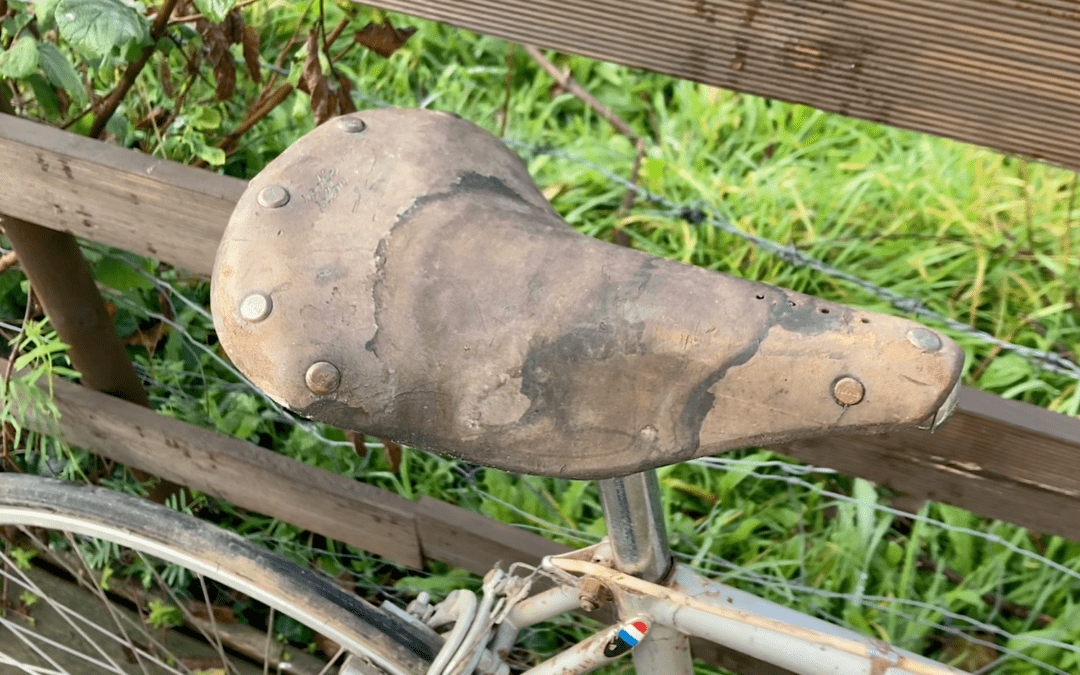
Sort out your bike fit and saddle. A saddle that's the wrong shape, width, or height — or a bike fit that has you rocking your hips or perched too far forward — concentrates pressure and friction in all the wrong places. If sores are a recurring problem, a proper bike fit is one of the best investments you can make. Saddle choice is personal; the "best" saddle is the one that fits your sit bones and riding position, not the one with the most padding.
Wear good shorts, and wear them right. Quality cycling shorts with a well-made chamois exist specifically to reduce friction and wick moisture. Make sure they fit snugly with no bunching, and — this is non-negotiable — wear nothing underneath them. Underwear adds seams and traps moisture, which is exactly what you're trying to avoid.
Use chamois cream. A good chamois cream cuts friction at the contact point and helps keep the area healthy on long rides. Apply it directly to the chamois, your skin, or both before you head out.
Start every ride in clean kit. Bacteria build up in used shorts. Fresh, clean shorts for every single ride is one of the simplest and most effective habits you can build.
Get out of wet shorts fast. Don't sit around in a sweaty or rain-soaked chamois after you finish. Change as soon as you can — lingering in damp kit is prime conditions for skin trouble.
Move on the bike. On long rides, stand up out of the saddle periodically to relieve pressure and let blood flow back to the area. A few seconds every few minutes makes a real difference over the course of a long day.
Build saddle time gradually. If you're new to riding or coming back after a break, ramp up your distance over weeks, not days. Your skin and soft tissue need time to adapt to the load.
The Bottom Line
Saddle sores are part of the deal when you ride seriously, but they don't have to derail your training. Catch them early, give them the rest and clean, dry care they need, and know when something has crossed the line into needing a doctor. Most of all, treat prevention as part of your routine — dialed-in fit, good shorts worn correctly, chamois cream, fresh kit, and a habit of getting out of wet shorts. Take care of the contact point, and it'll take care of you for a lot more miles.