Felt Breed 2026: 950g Frame, 54mm Clearance, and Integrated Cockpit You Can't Swap
The new Felt Breed cuts 22.8% weight and claims 10.5% less drag. Real race geometry, 54mm tire clearance, integrated cockpit—but is it worth $4,899–$12,399?

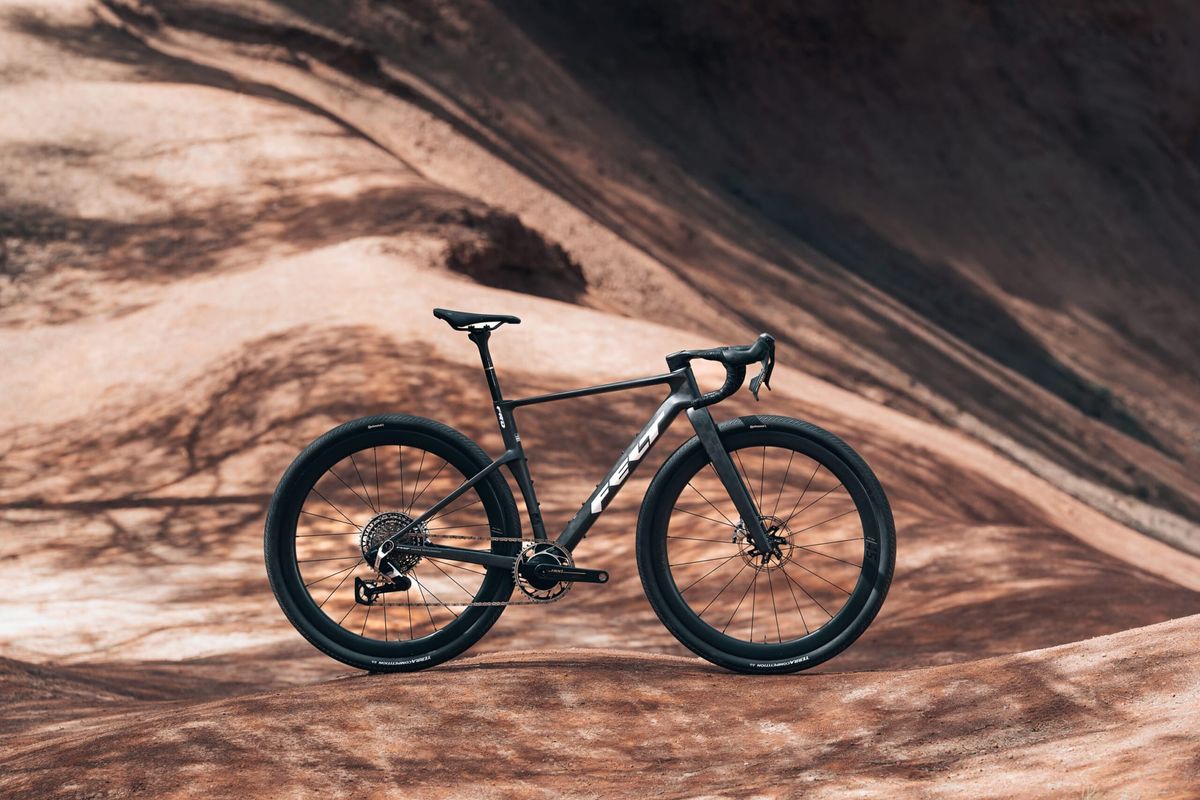
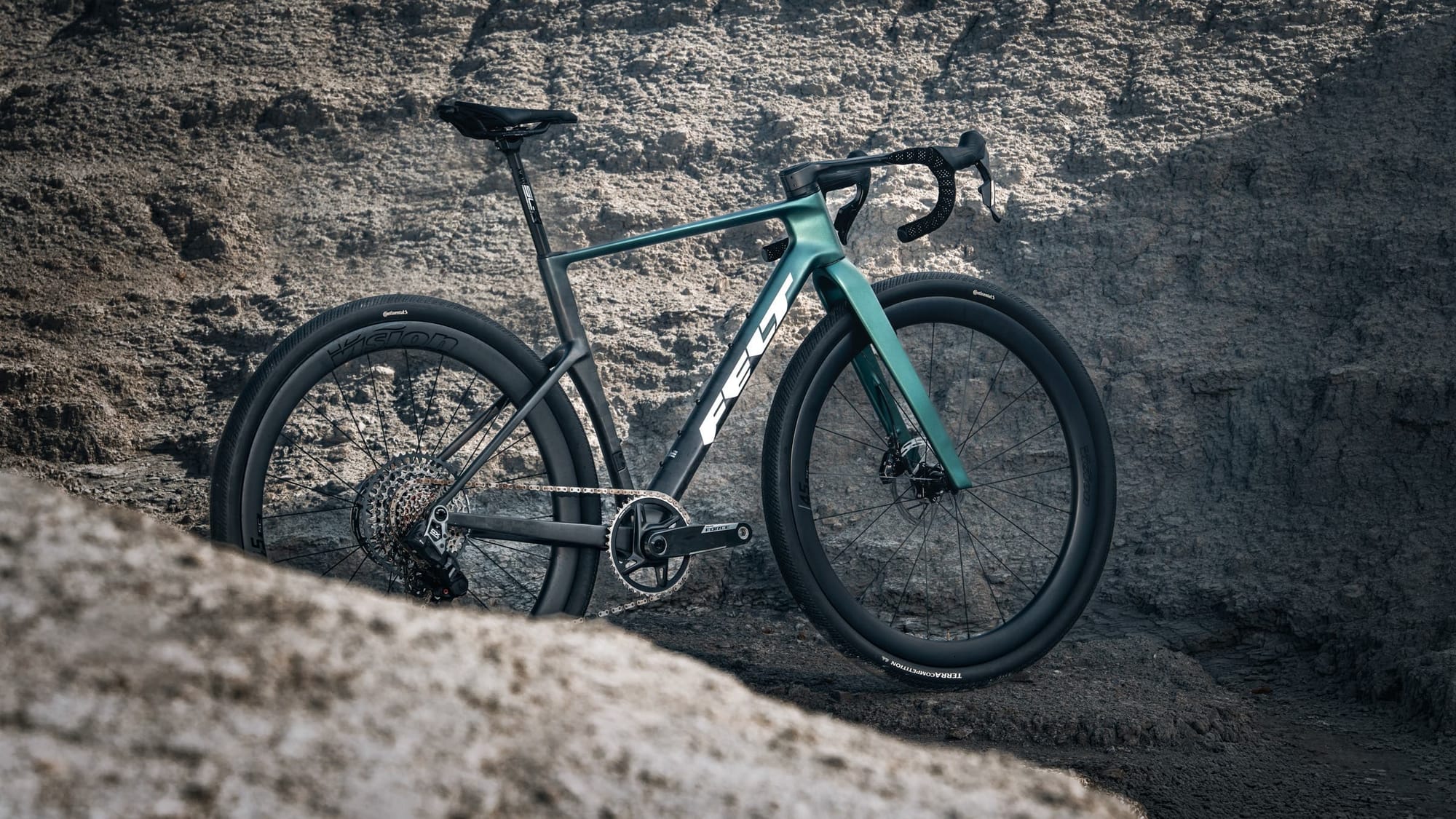
Felt just dropped the latest Breed, and it's a legitimate redesign—not a paint refresh with a press release. The previous bike had already won races and earned Dylan Johnson's stamp of approval (which, if you follow gravel, means something). This one cuts 22.8% of the weight and claims a 10.5% drag reduction. Those are real numbers, assuming they hold up under real conditions.
I haven't ridden it yet. But the spec sheet tells a story worth unpacking if you're deciding whether to spend $4,899–$12,399 on a gravel race bike.
What Changed (and Why It Matters)
Felt focused on three things: aero, weight, and fit. The frame now weighs 950g in a size 54, down from roughly 1,100g. The top-spec FRD build comes in at 7.04 kg (15.5 lbs) complete. That's light for a gravel bike with 160mm rotors and room for 54mm tires up front.
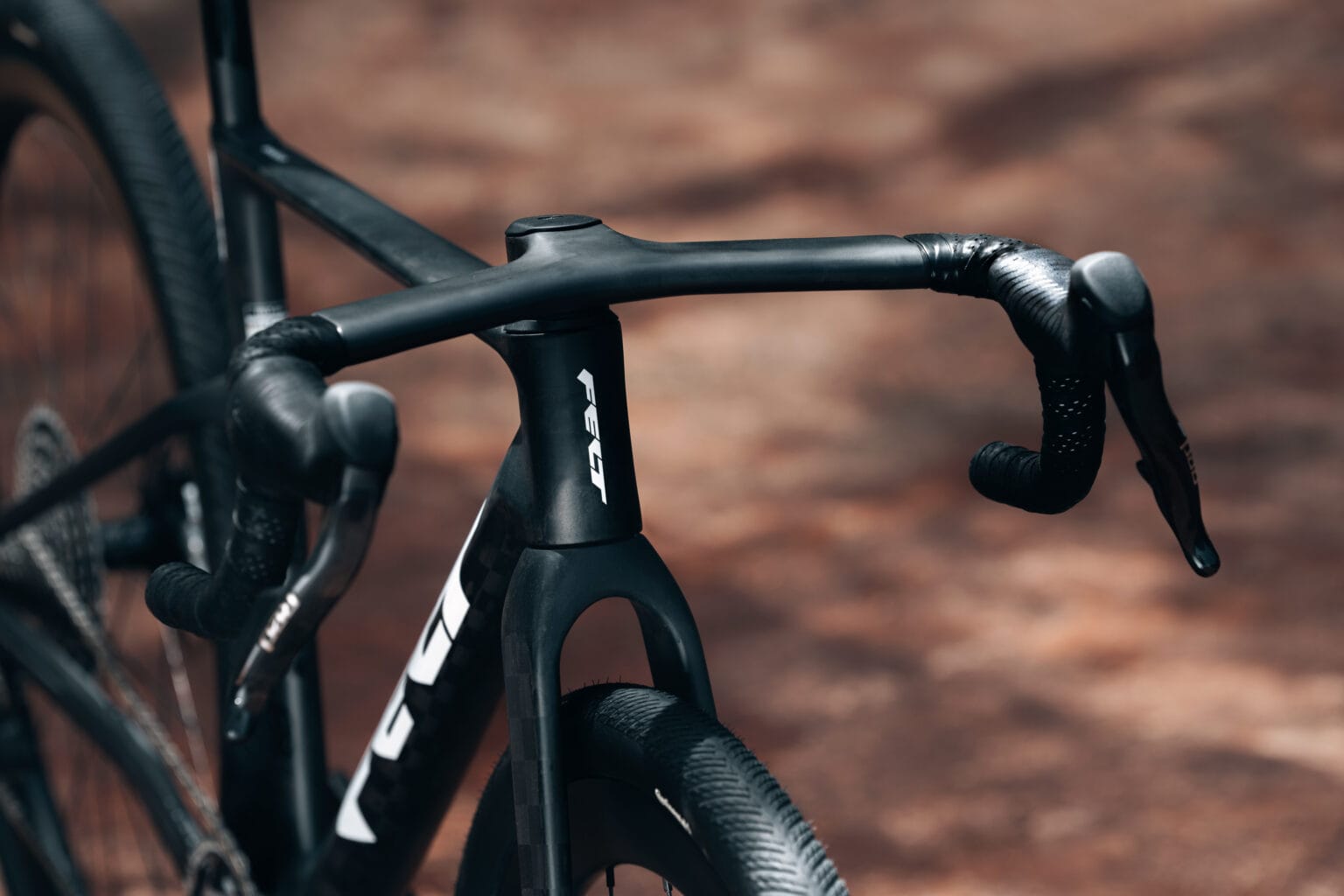
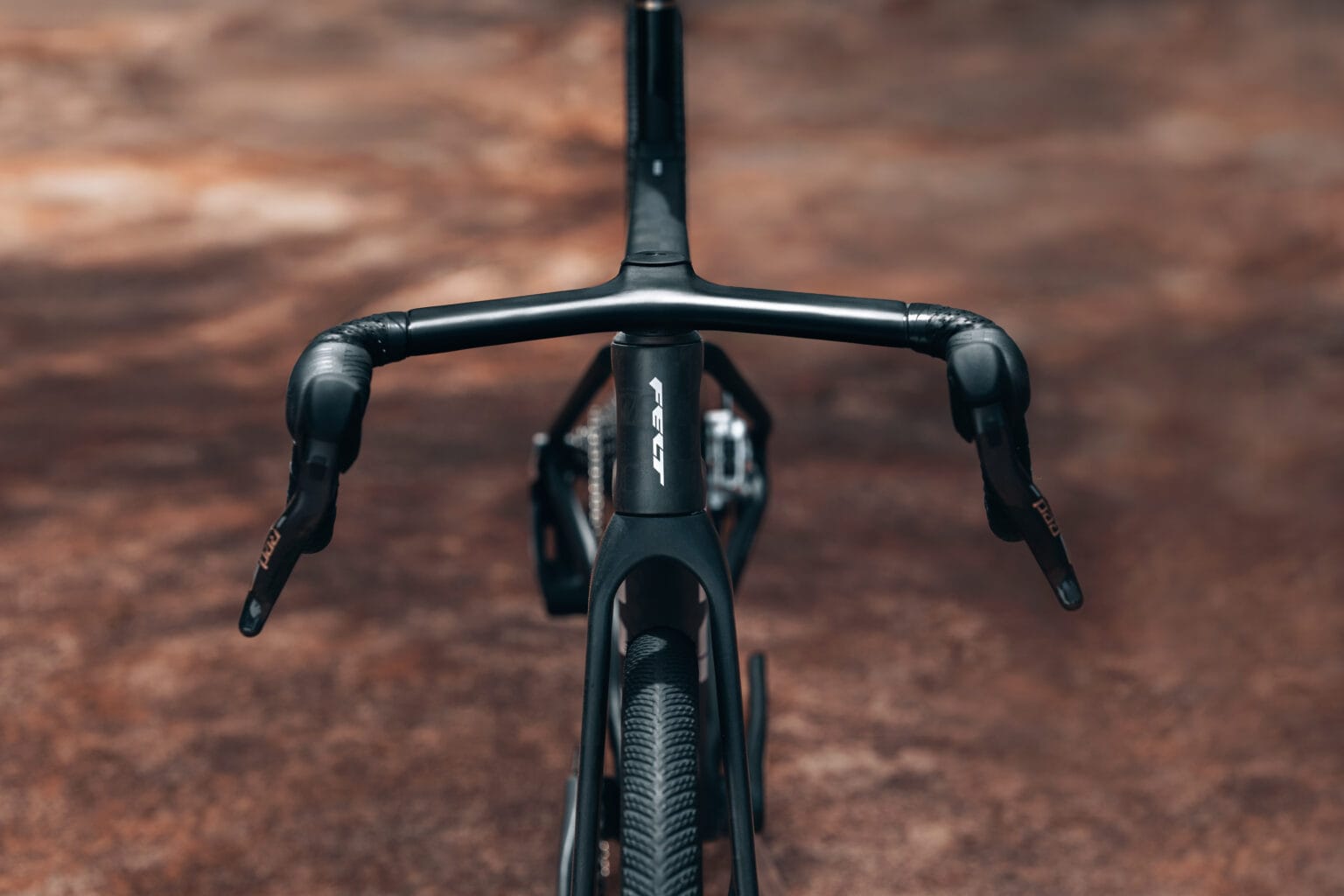
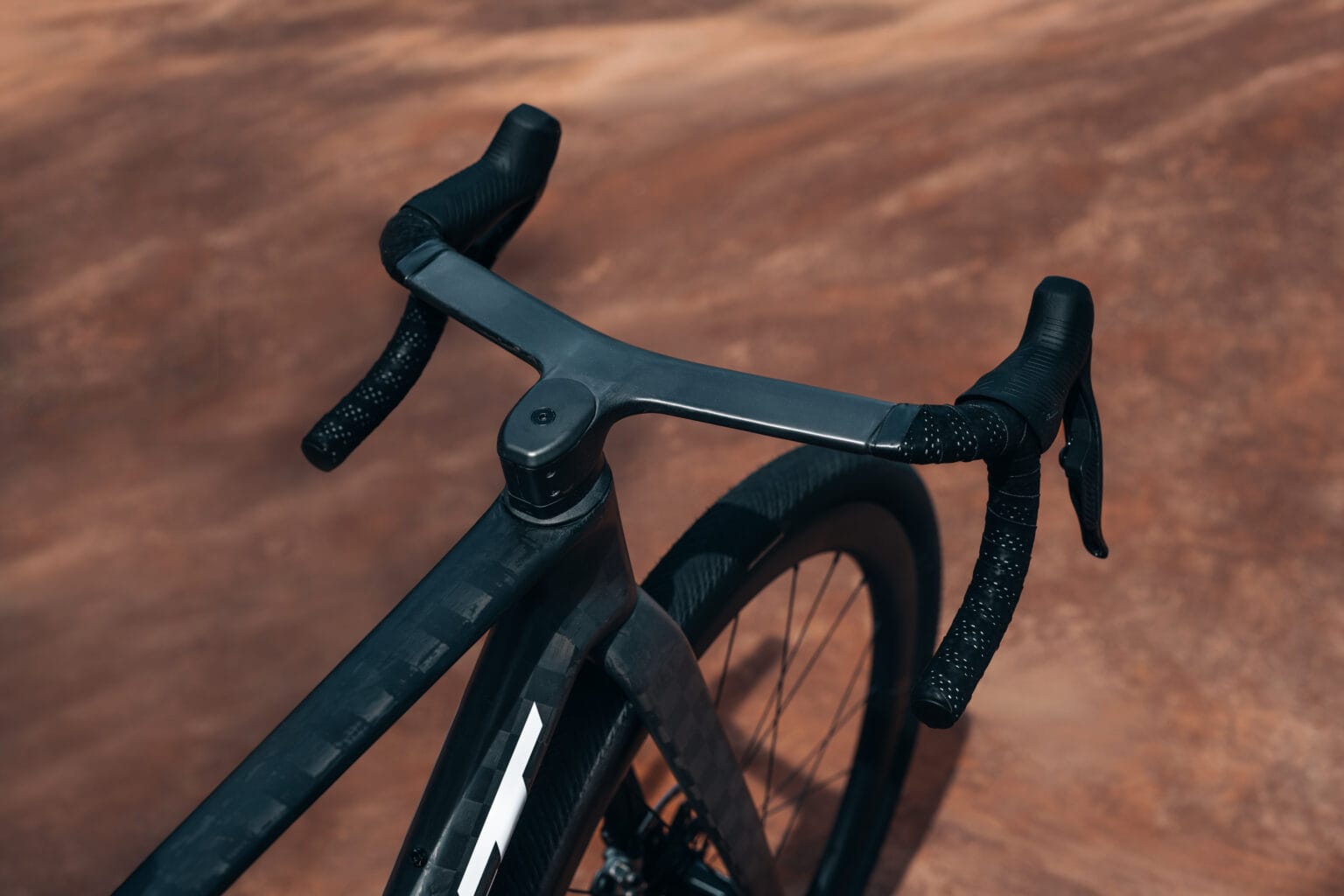
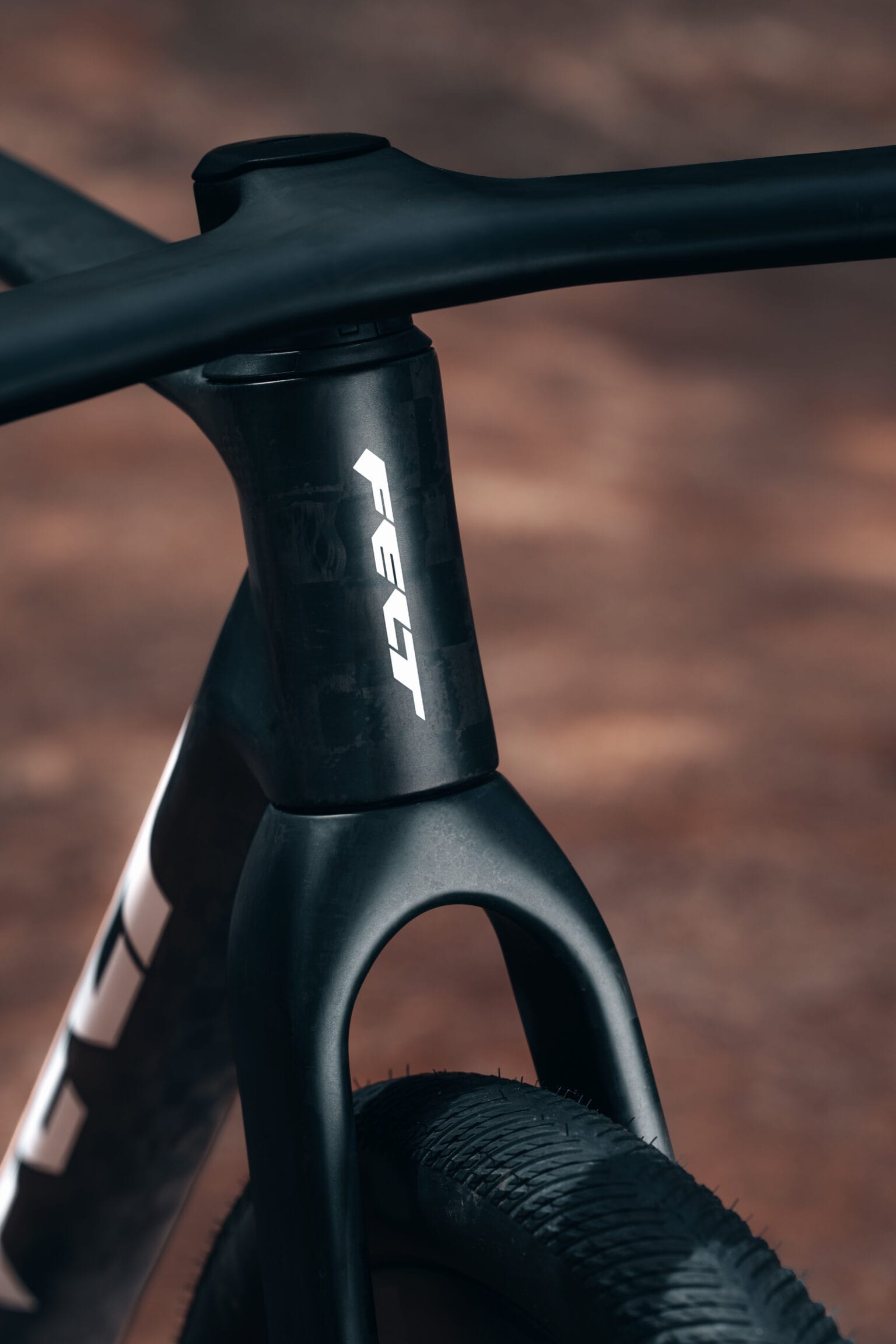
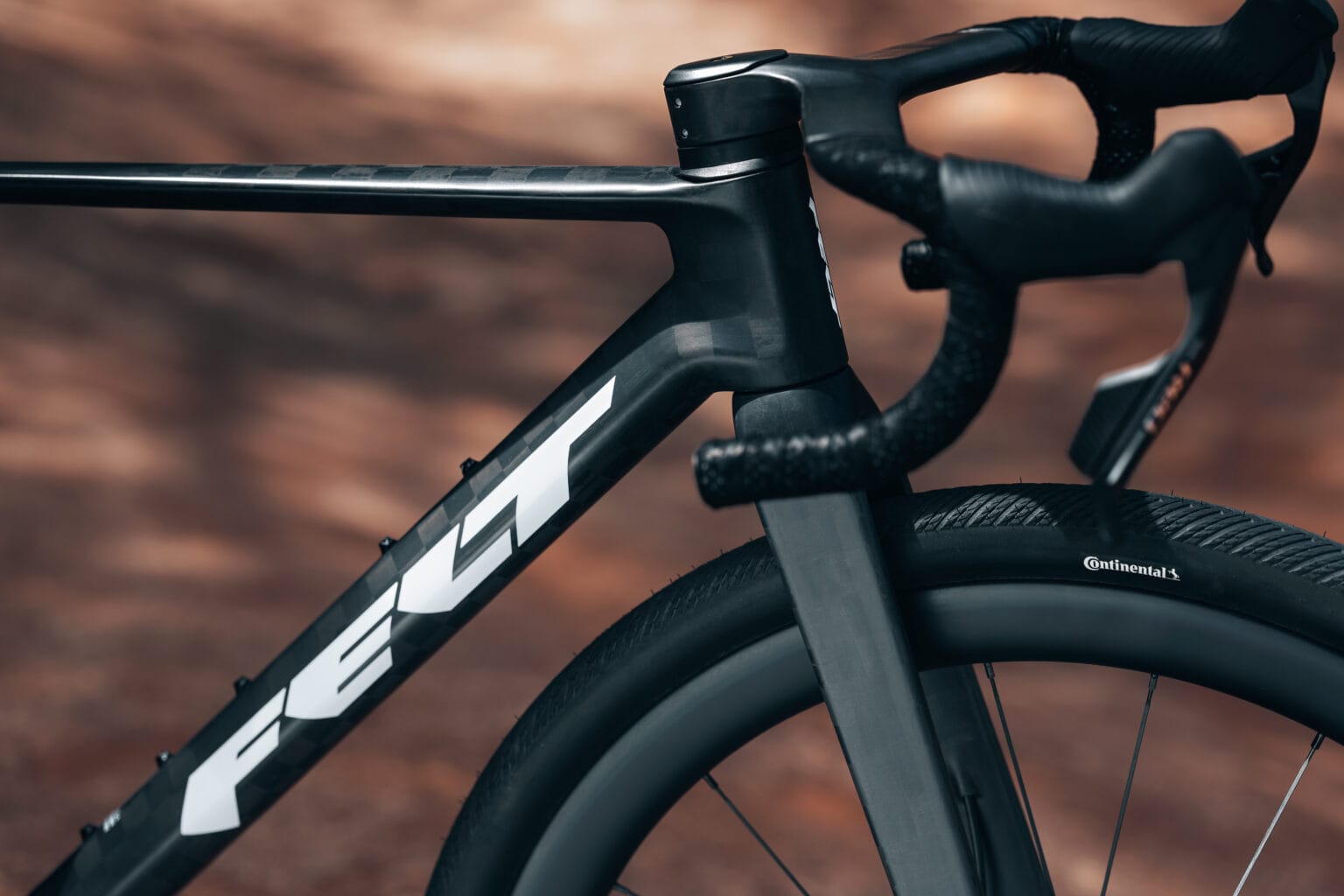
The aero gains come from reshaping tubes, dropping the seatstays, and integrating a one-piece carbon cockpit. The cockpit alone saves about 30% compared to a traditional aluminum stem and handlebar. It also shrinks frontal area, which is where most of your drag lives at 20+ mph.
Here's the catch: the integrated cockpit locks you into Felt's sizing. It comes in three sizes with the stock builds and four aftermarket options. If you like to swap stems or bars frequently, you'll hate this. If you find the right fit, it's clean and stiff.
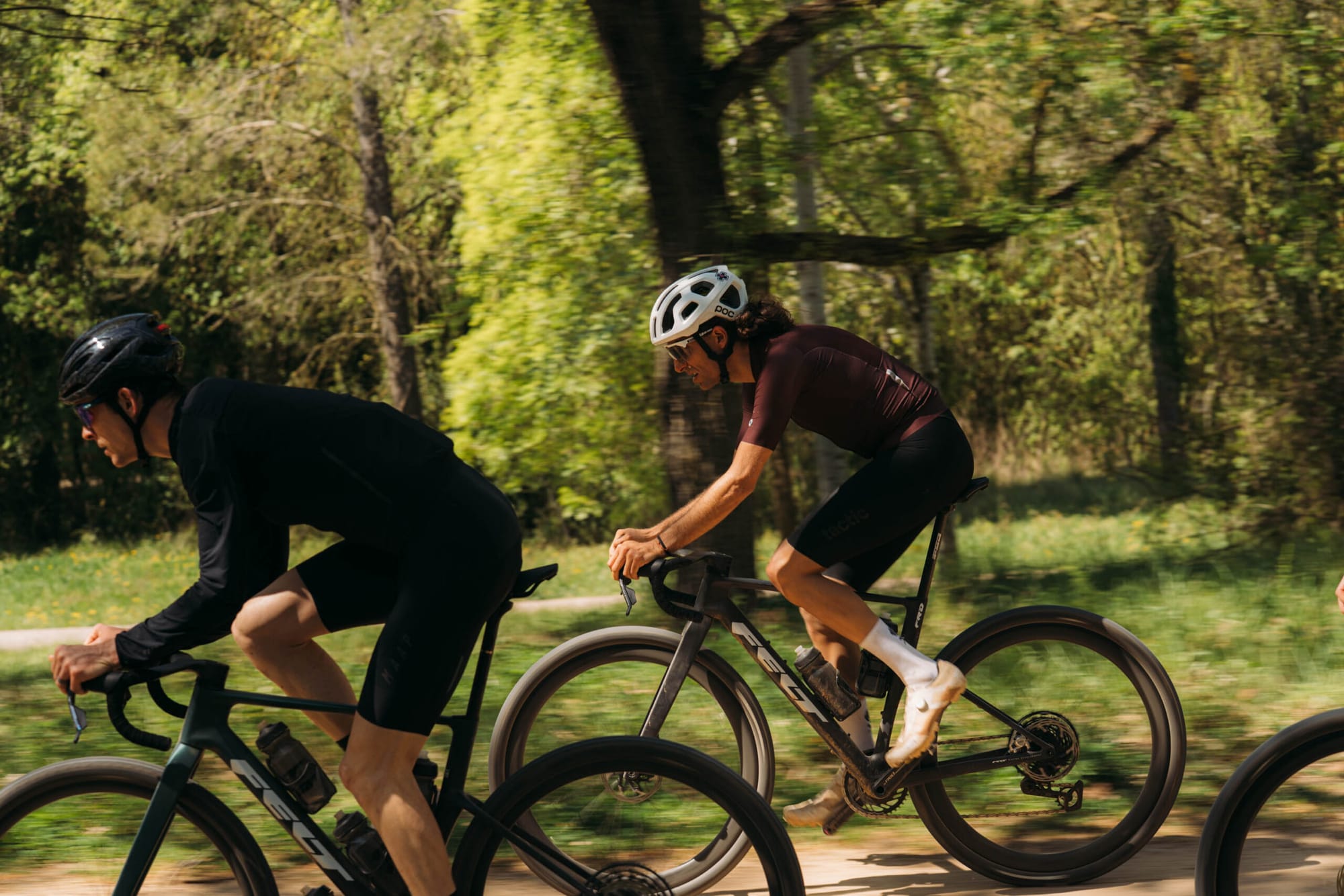
The Dropped Seatstays
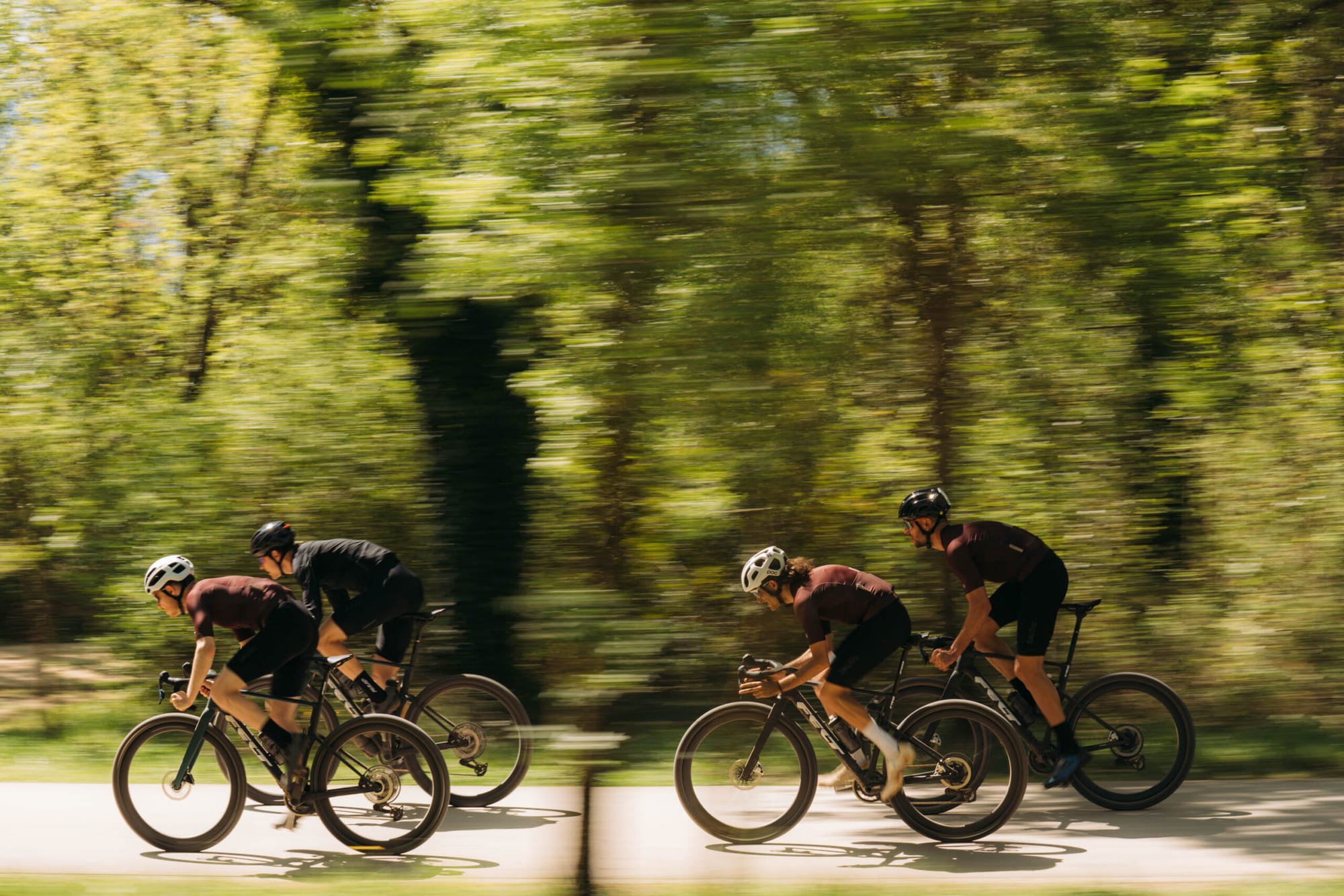
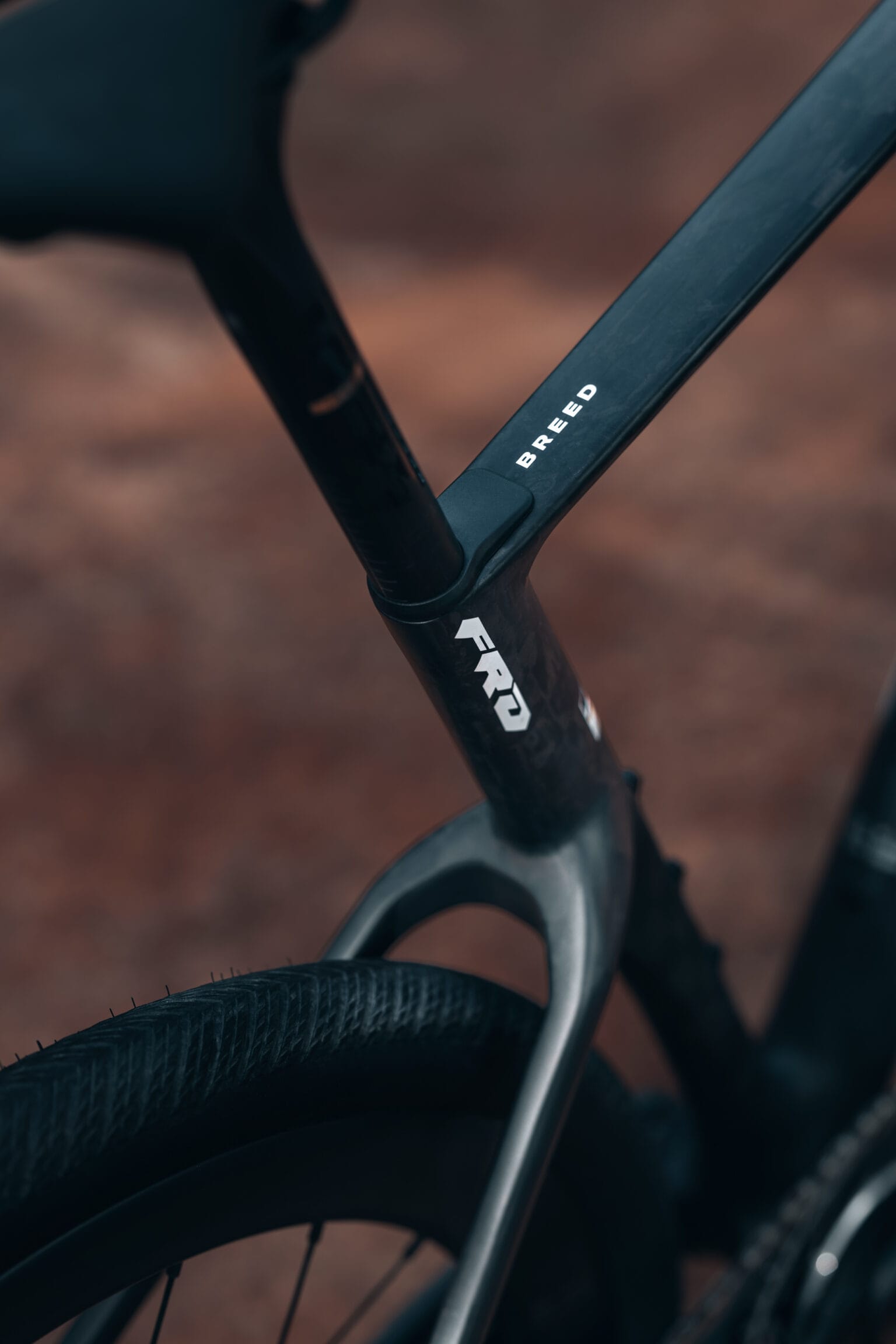
Felt lowered the seatstay attachment point significantly. The idea is to move turbulence from the stays into the already-turbulent air around the rear wheel, rather than disturbing cleaner air near the seat tube. It's the same logic used on recent road race bikes.
Does it work? Felt claims 10.5% less drag than the old Breed. I can't verify that number—no details on whether it's frame-only, complete bike, or with a rider. No mention of tire width or wheel depth in the test protocol. A 10% reduction is significant if it's apples-to-apples, but those details matter.
Tire Clearance: 54mm Front, 52mm Rear
The previous Breed officially cleared 50mm tires, but Dylan Johnson was running 2.2-inch (56mm) mountain bike tires anyway. Felt made it official this time: 54mm up front, 52mm in the rear. That's enough for a Maxxis Rekon 2.2 or similar.
If you're racing on hardpack or mixed terrain, that clearance gives you options. If you're mostly on pavement with occasional gravel, you're carrying frame volume you don't need. The bike is suspension-corrected and dropper-compatible, so it can flex into adventure duty. But the geometry is still race-first.
Geometry: Road DNA on Gravel
Felt kept reach and stack consistent across all six sizes, which is unusual. Most brands scale stack aggressively as size increases. The idea here is to maintain a race-optimized position regardless of frame size.
The head tube angle is slack (70–71.5° depending on size), and the wheelbase is long (1,008–1,067mm). Chainstays are 430mm across the board—long enough for stability, short enough to keep handling sharp. The BB drop varies slightly by size (72–77mm), which affects how the bike corners on off-camber sections.
If you're coming from a road bike, this will feel familiar. If you're used to a slacker, more MTB-influenced gravel bike, the Breed will feel twitchy at first.
Build Options and What You're Actually Paying For
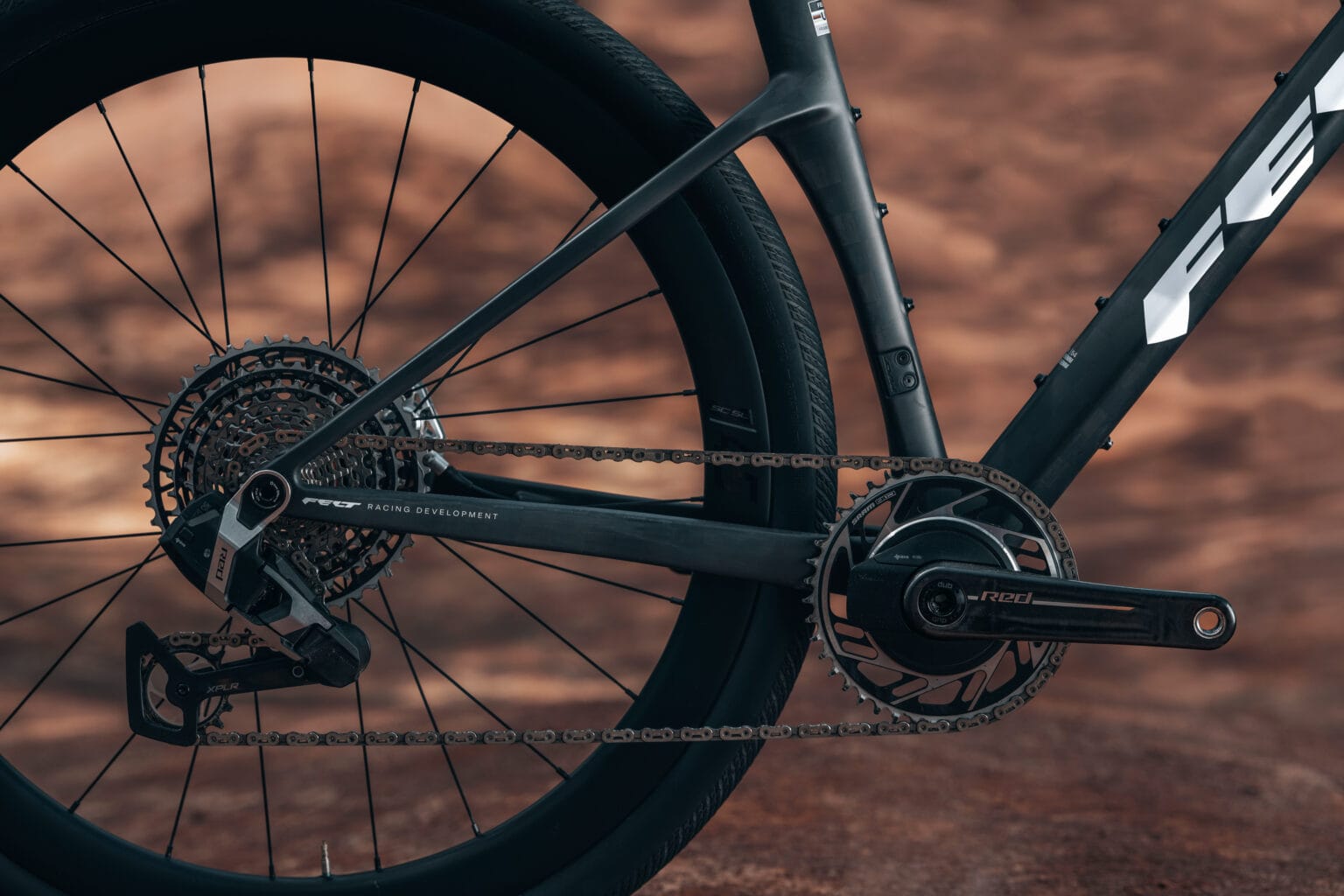
Four builds, all SRAM, all Vision wheels:
- Race ($4,899): Apex AXS, S1000 Eagle derailleur, Vision Team 30 wheels, 9.28 kg. The cockpit is alloy here, not integrated carbon.
- Expert ($5,999): Rival AXS, Vision SC45 wheels, integrated carbon cockpit, 8.30 kg.
- Pro ($7,099): Force AXS with a GX Eagle T-Type rear derailleur, power meter, 7.86 kg.
- FRD ($12,399): Red AXS, Vision SC 45 SL wheels, 7.04 kg. This is the "FRD 12K Carbon Light" frame; the lower builds use the "UD Carbon Std" layup.
The jump from Expert to Pro gets you a power meter and lighter wheels. The jump from Pro to FRD gets you 820 grams and a different carbon layup. Whether that's worth $5,300 depends on how much you care about 1.8 pounds and whether you race at a level where it matters.
The frame kit is $4,099 and includes the integrated cockpit. If you already have a SRAM AXS groupset and wheels, that's the move.
What I Can't Tell You Yet
I don't know how the bike rides. I don't know if the aero claims translate to measurable speed on gravel, where surface texture and tire choice often matter more than tube shapes. I don't know if the stiffness-to-weight balance feels right under power on a long climb.
I also don't know how the integrated cockpit holds up over time. One-piece carbon cockpits are stiffer and lighter, but they're also harder to replace if something breaks or if your fit changes.
Who This Bike Is For
If you race gravel and want a bike that prioritizes speed over comfort, this is a serious option. If you're doing long, mixed-terrain rides and want the option to run big tires or a suspension fork, the Breed can do that—but you're paying for race geometry you might not need.
If you're a data-driven rider who cares about watts saved and grams shaved, the FRD or Pro builds make sense. If you're a busy dad looking for one bike to do everything, the Expert is probably the sweet spot—or you might be better off with a more versatile platform.
The Breed is available globally through Felt dealers starting May 2026. If you're considering it, I'd wait for independent testing on the aero claims and real-world ride reports on how the geometry translates to different surfaces.
TL;DR
- The new Breed cuts 22.8% of the weight (7.04 kg for the FRD build) and claims 10.5% less drag, but aero test details are vague—no clarity on whether that's frame-only or complete bike with rider.
- Integrated carbon cockpit saves weight and improves aero but locks you into Felt's sizing; tire clearance is now officially 54mm front / 52mm rear, enough for 2.2" MTB tires.
- Geometry is race-first with road bike DNA—consistent reach/stack across sizes, slack head angle, long wheelbase—so it's fast and stable but not as forgiving as slacker gravel bikes if you're doing long adventure rides.