Canyon's Predict Concept: 360° Radar, Onboard AI, and a Dropper That Anticipates Your Crash
Canyon's Predict concept bike uses 360° radar, cameras, and Edge AI to anticipate road hazards. Here's what the tech promises—and what it doesn't prove.

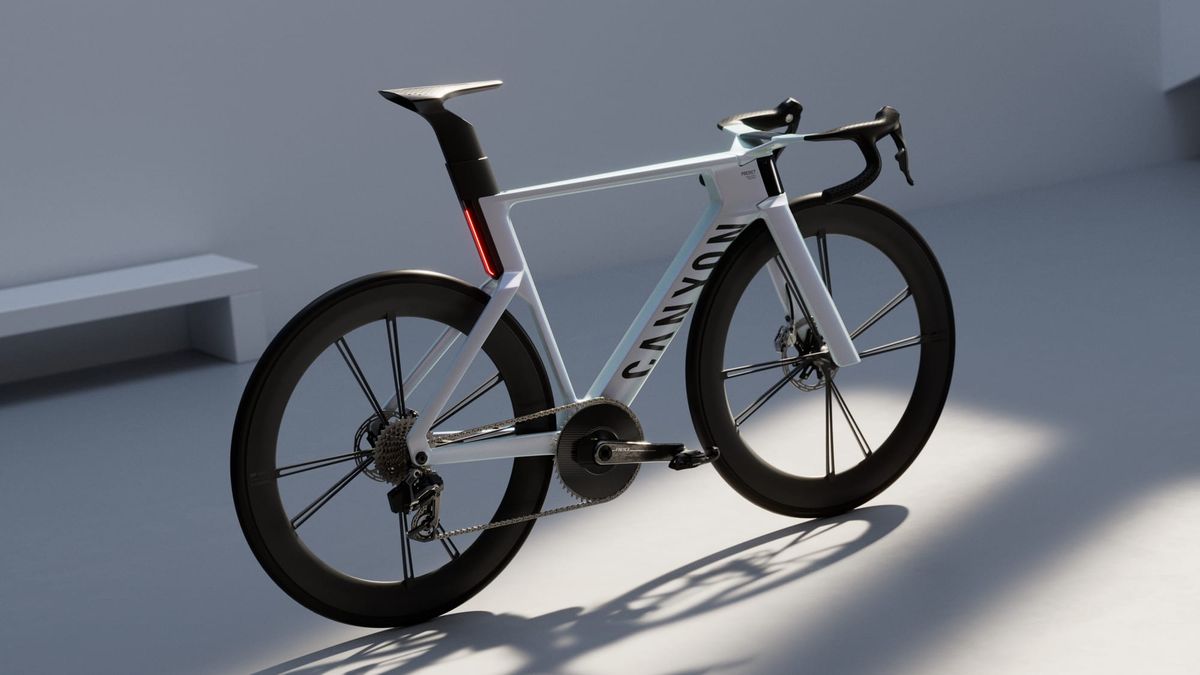
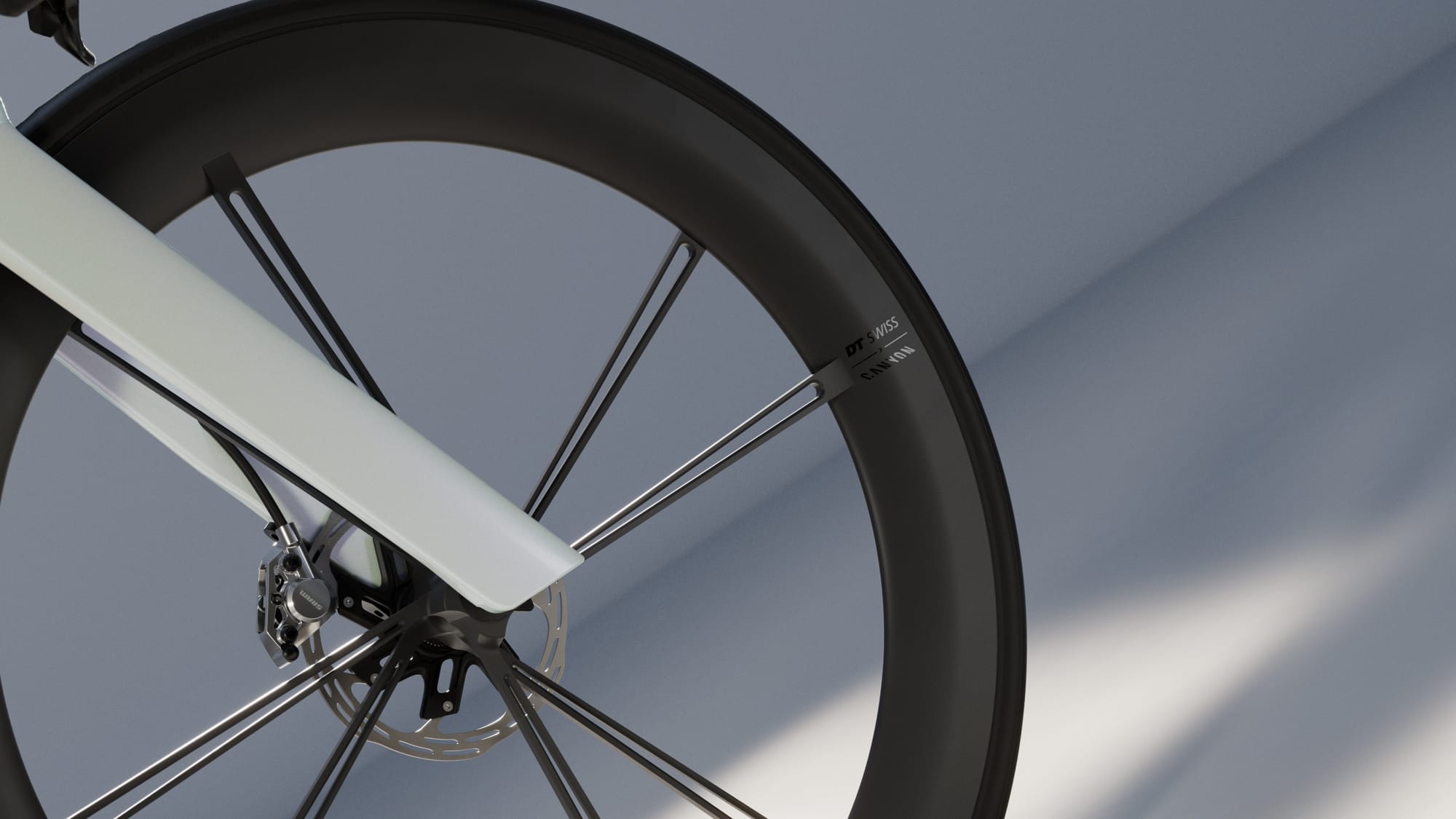
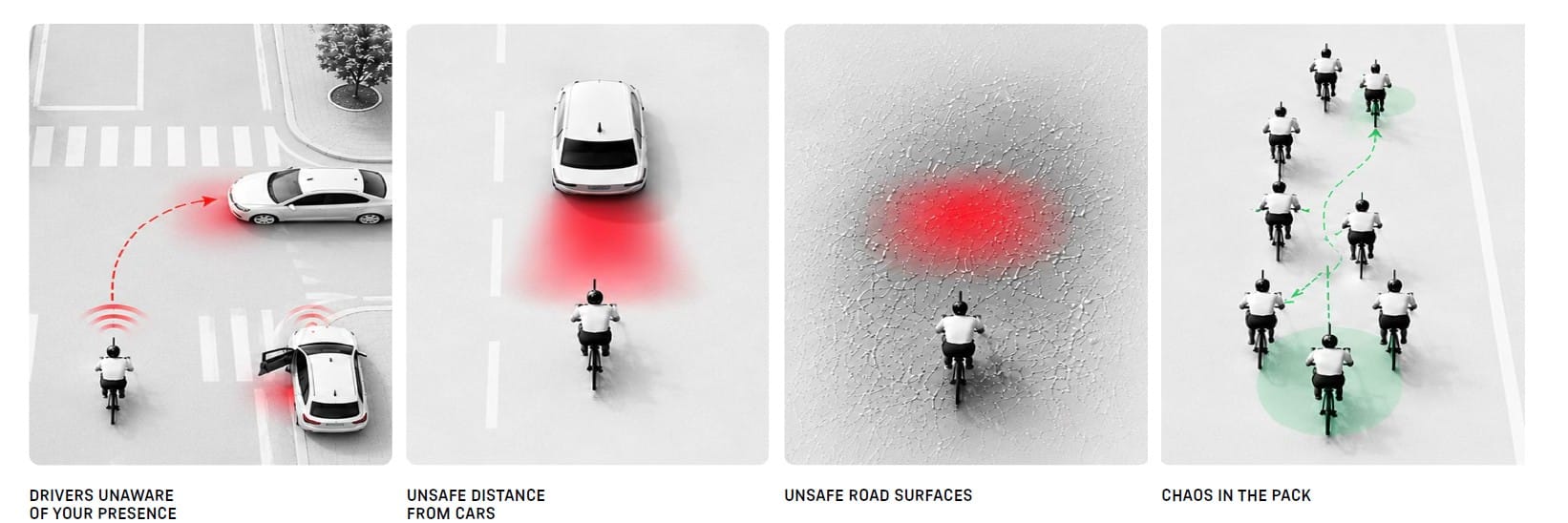
Canyon's Predict concept bike packs three front radar units, one rear radar, four cameras, and motion sensors in the wheel hubs—all feeding an onboard Edge AI processor that assigns risk scores to objects around you in real time. The system doesn't just track cars. It monitors road surfaces, predicts corner speeds, and even watches group-ride dynamics. When the computer calculates a crash is likely, it automatically drops an integrated seatpost to lower your center of gravity before impact.
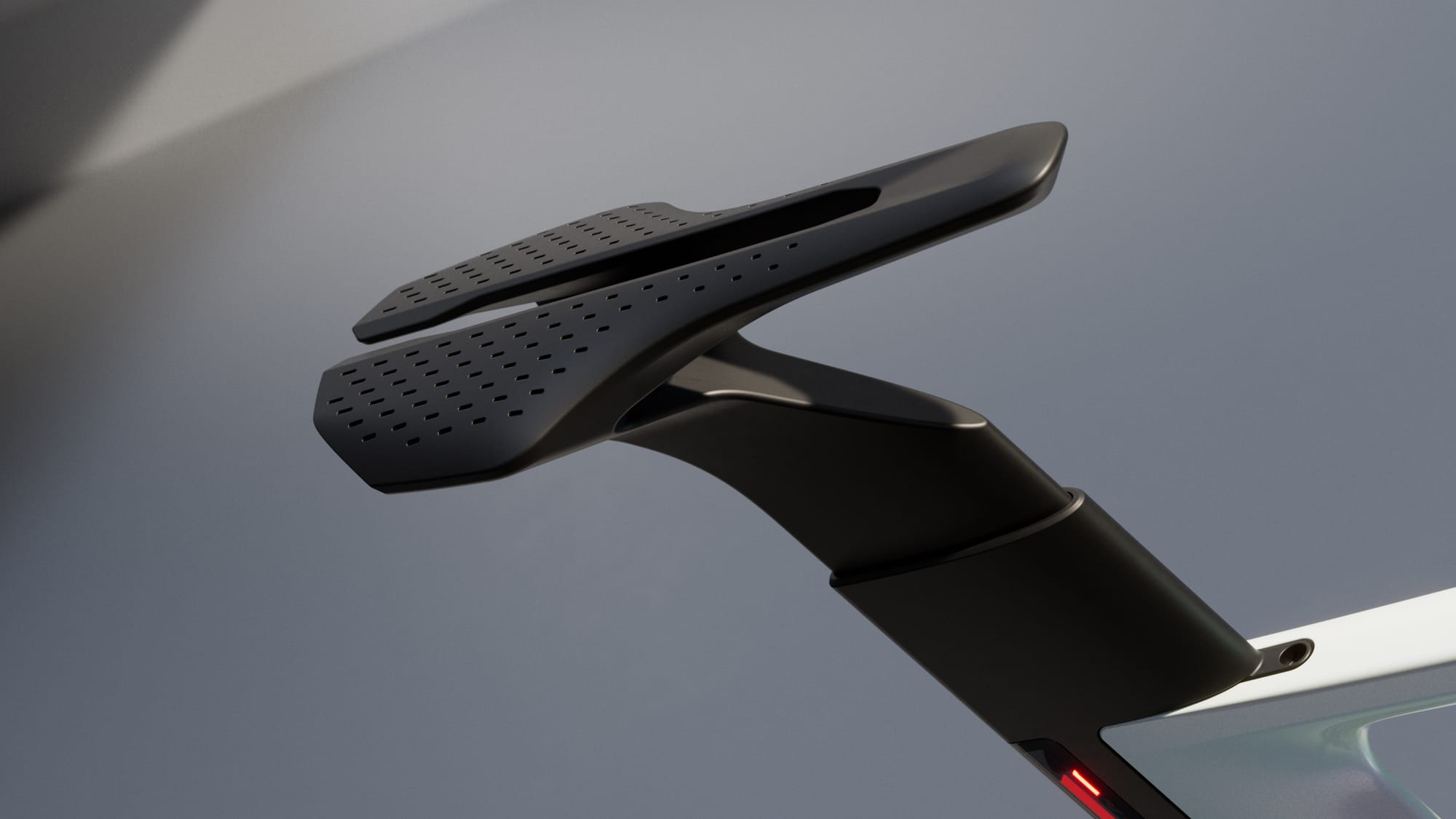
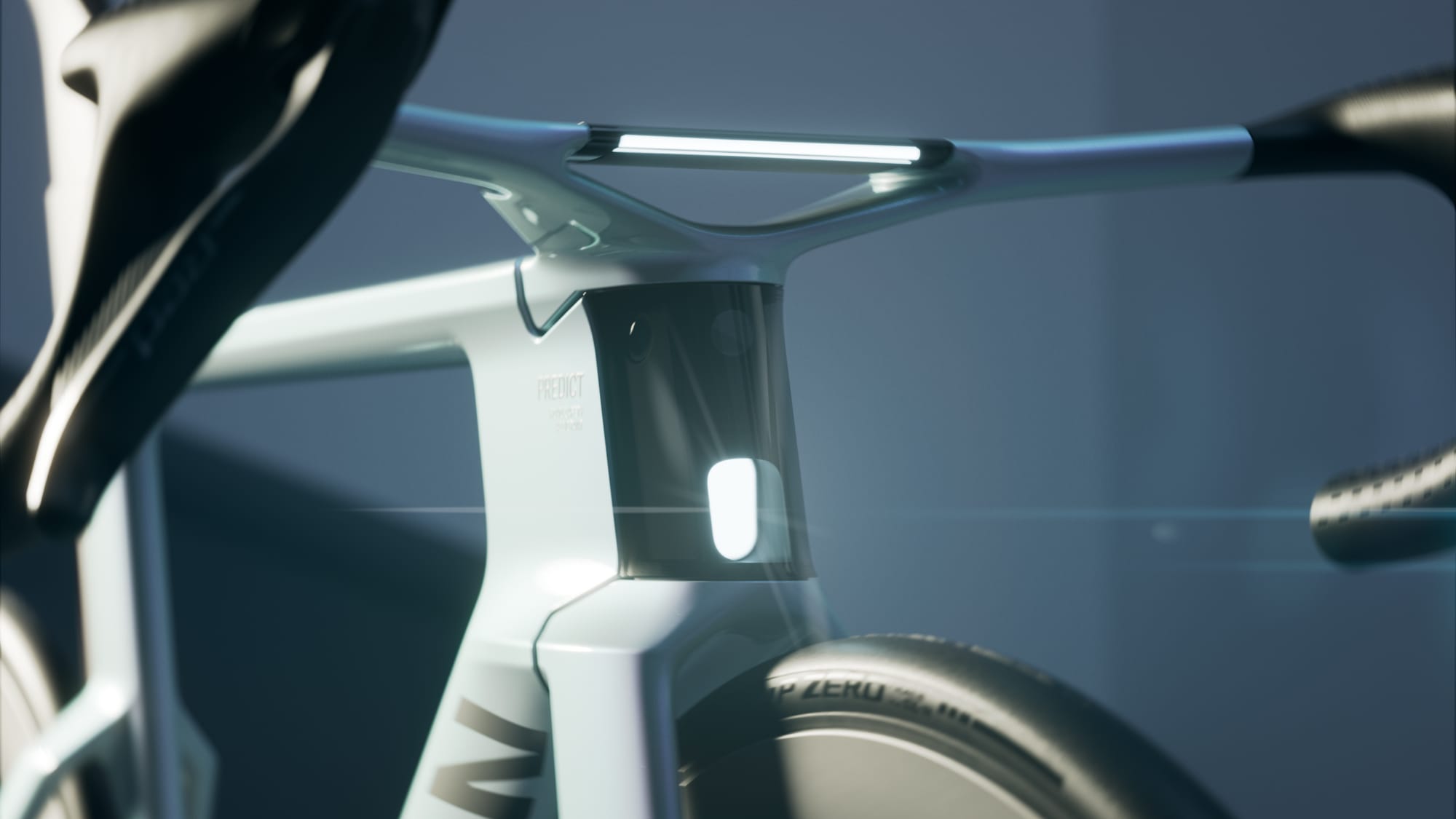
That dropper detail is the part that made me pause. Canyon isn't saying the post drops before a tight corner—it drops when the AI thinks you're about to go down. The distinction matters. This isn't corner-entry assistance; it's damage mitigation for a crash the system believes is already unfolding. Whether a half-second seat drop actually changes outcomes in a 40 km/h tangle with a distracted driver is an open question, and Canyon doesn't cite testing data to answer it.
The companion piece is the Stingr Smart Helmet, which overlays warnings on a drop-down visor. Canyon positions it as both a Predict accessory and a standalone product for other bikes. For a dad squeezing in dawn miles before school drop-off, the pitch is obvious: more awareness without eyes glued to a head unit. But augmented-reality displays introduce their own cognitive load. A flashing hazard icon in your peripheral vision might sharpen your reaction—or it might split your attention at exactly the wrong moment. Canyon hasn't published reaction-time studies, so we're left with the premise, not the proof.
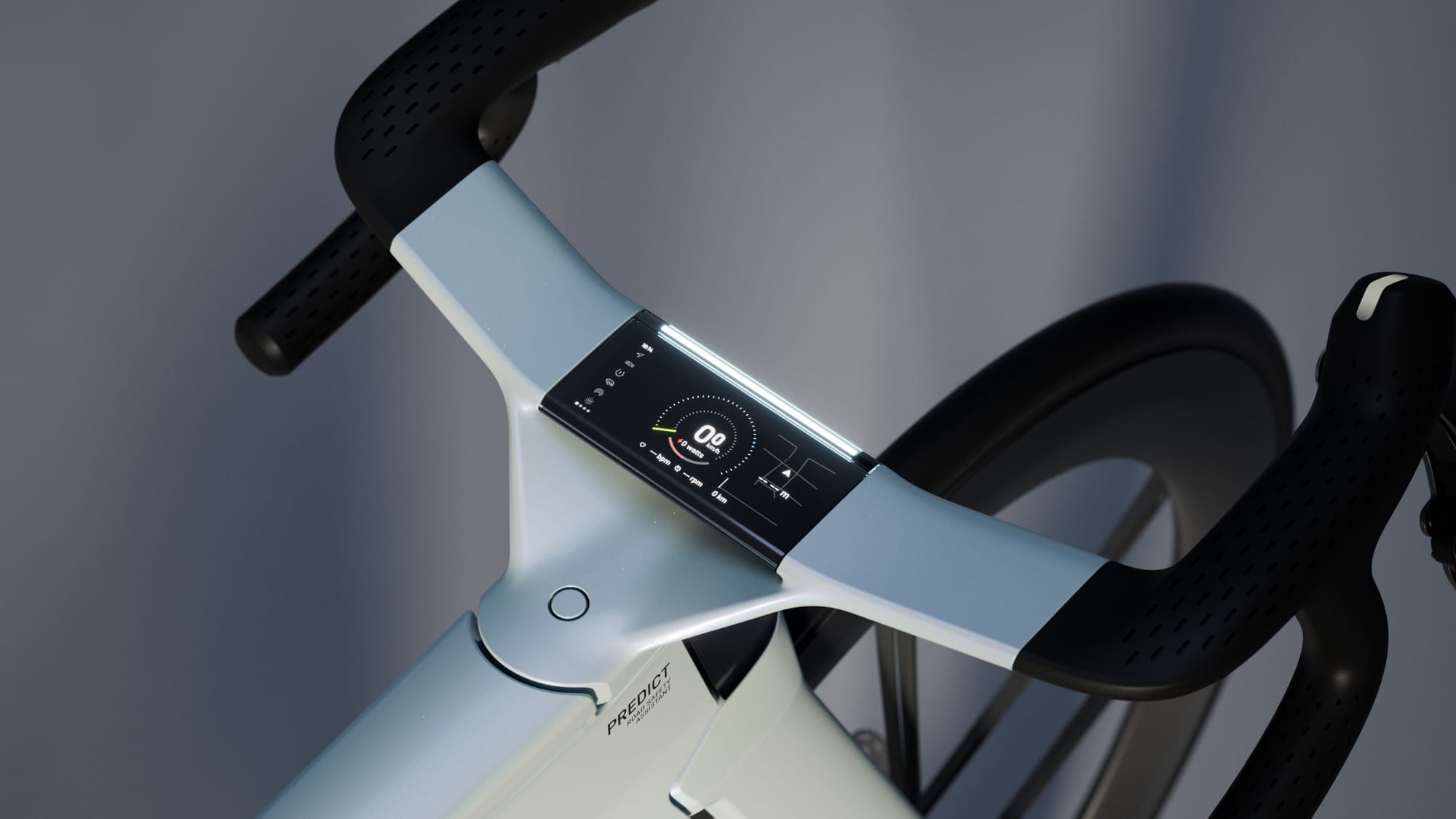
All processing happens on-device, which sidesteps cloud latency and keeps your ride data off a remote server. Privacy-conscious riders will appreciate that. The tradeoff is hardware bulk and battery demand—neither of which Canyon has detailed for a production timeline that doesn't yet exist. This is a concept, not a spec sheet you can pre-order.
The harder question sits underneath all the tech: does outfitting bikes with sensors address the actual problem? Cyclist fatalities in Germany rose 20% over the past decade while car-occupant deaths fell 35%. Infrastructure and driver behavior remain the dominant variables. Canyon's Predict is an attempt to give riders better information, but information only helps if you have time and space to act on it. For a time-crunched rider who already juggles traffic, intervals, and a kid's soccer schedule, more data might be exactly what you need—or one more thing demanding attention. Canyon deserves credit for pushing the conversation. Whether this specific vision lands as a product or a provocation, the underlying stats make the case that something has to change.