The Lux Era Puts 32-Inch Wheels and Fighter-Jet Bars on an XC Frame
Canyon's Lux Era concept pairs 32-inch wheels with biplane handlebars for XC marathon racing. The aero claims are interesting. The fit constraints are real.

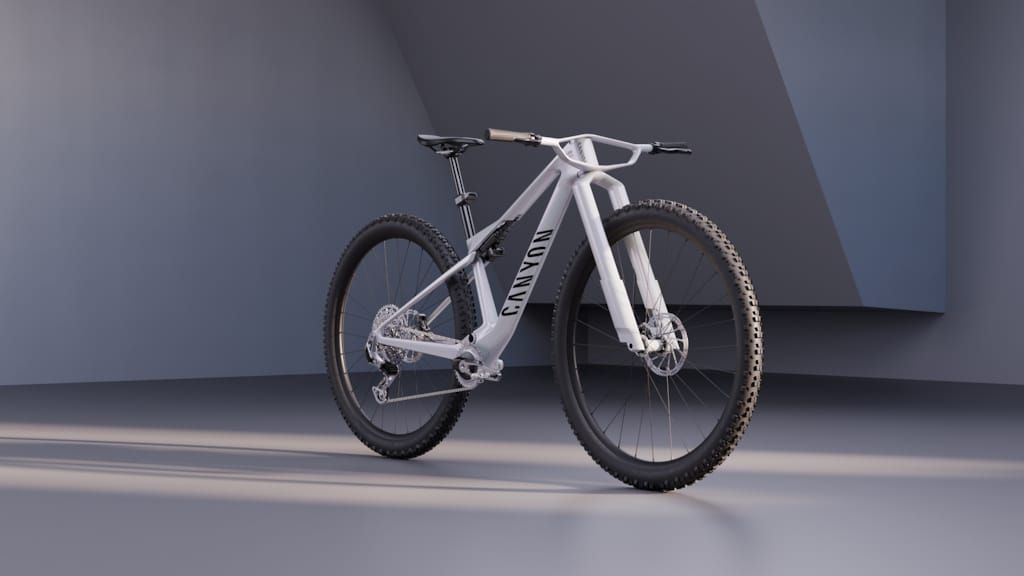
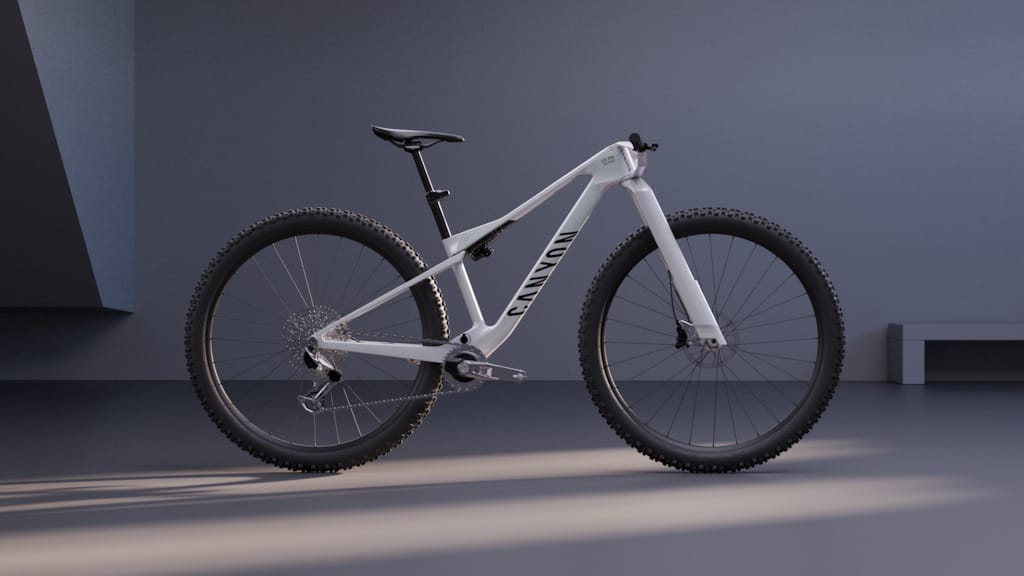
Canyon submitted a concept bike called the Lux Era to the UCI, and the internet can't decide whether it's brilliant or a meme waiting to happen. The defining feature isn't the 32-inch wheels or the upside-down fork—it's the biplane handlebars that look like they belong on a fighter jet. They're designed to let XC racers drop into a lower, more aero position without losing steering control. Whether that's actually faster than just tucking tighter on a normal bar is still unclear, because Canyon hasn't published wind tunnel numbers yet.
The rationale hinges on race speeds creeping up. Average XCO World Cup speeds have risen from 18 km/h in 2016 to around 24 km/h today, and Canyon thinks that makes aerodynamics worth chasing in cross-country. They're probably right—at least for marathon events like Cape Epic or Leadville, where sustained speed over hours matters more than a single explosive climb. The 32-inch wheels fit the same logic: they roll over chatter with less energy loss and hold momentum better once they're up to speed. Getting them up to speed costs more watts, though, which is why this bike makes more sense for endurance races than short-track sprints.
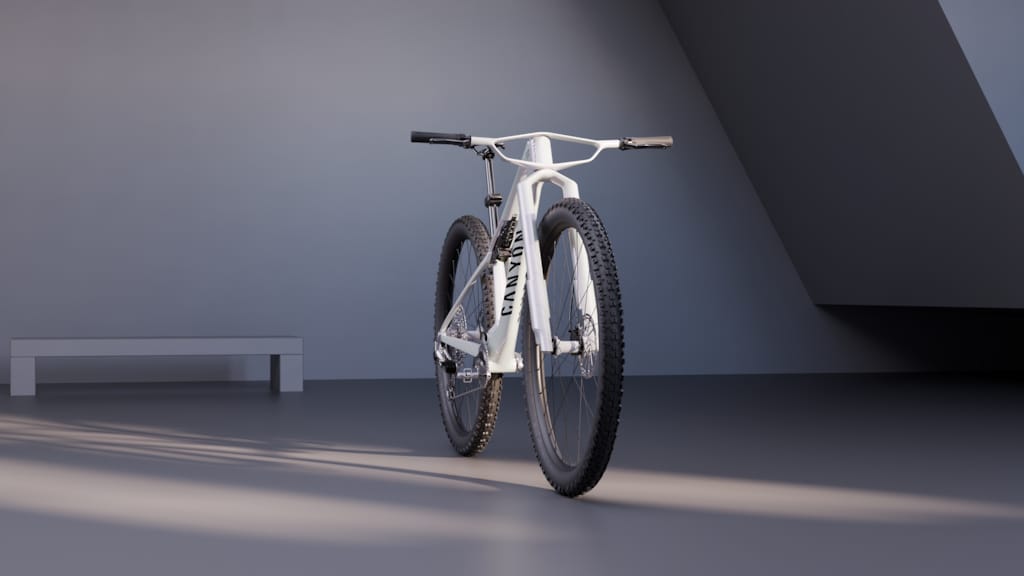
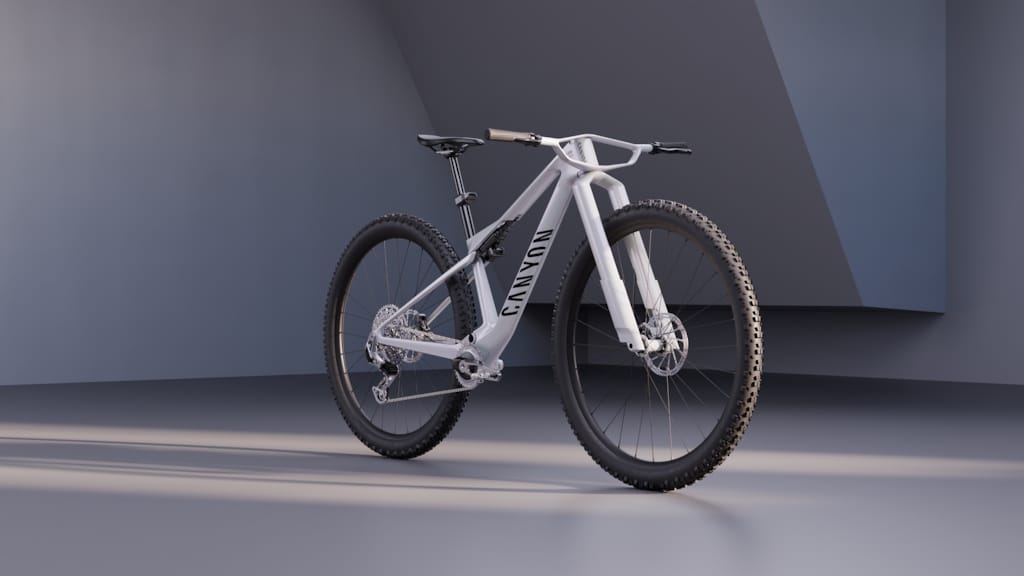
The biplane bars let you choose between a standard grip and a lower deck closer to the fork crown. Some riders already do this by slapping remote shifters on their fork crowns and pedaling seated with hands down low. Canyon's version just formalizes it with more hand positions and presumably better control. Fit will be tricky—frame sizing would need to be dialed in tight to make the lower position functional without wrecking your back. Canyon says a second version with adjustability is in the works, which suggests the first iteration is pretty rider-specific.
The upside-down fork is claimed to help aero, too. Without a traditional arch, the stanchions can sit closer to the tire, and the lower leg guards could theoretically act as fairings. The shock also gets a window cutout so you can check sag without contorting yourself. Small details, but they add up if you're chasing marginal gains across a six-hour race.
Canyon isn't focusing on UCI approval right away. Athlete testing starts over the next year, including race events. My guess is they're aiming for a statement win at Cape Epic or Leadville to prove the concept works in the wild. Whether 32-inch wheels and biplane bars become standard or fade into the concept graveyard depends entirely on whether someone crosses the line first on one. Until then, it's a very expensive experiment with a lot of question marks around fit, handling, and whether the aero gains justify the added complexity.