XDS X-LAB Launch: Vertical Integration Meets Aggressive Pricing
XDS launches X-LAB with carbon road, gravel, and e-bikes priced $1,500–$3,000 below competitors. Vertical integration cuts costs — but resale and support are unknowns.

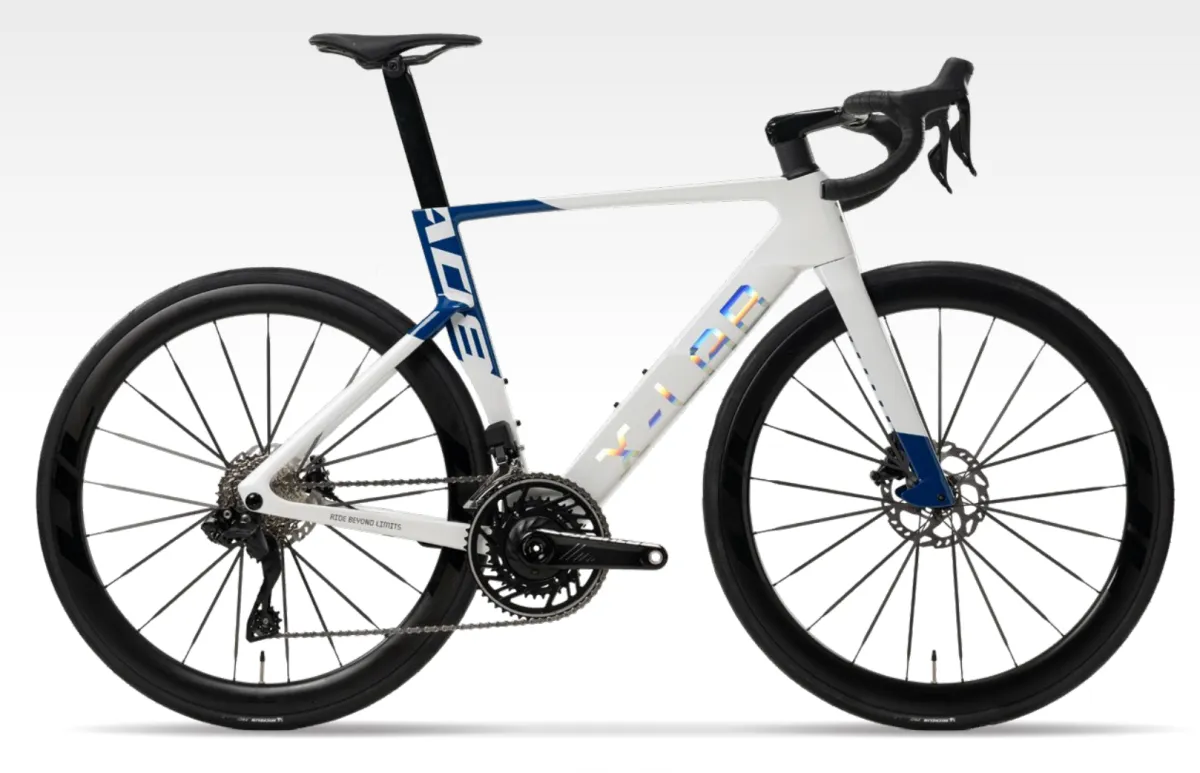
There's a pattern to most bike launches: moody lighting, carbon fiber close-ups, and a lot of talk about "redefining performance" before anyone mentions weight or price. Then the number drops, and it's usually somewhere between eye-watering and mortgage-adjacent.
XDS is trying something different. The Shenzhen-based manufacturer — one of the world's largest bicycle producers — just launched X-LAB, a new performance platform with nine bikes spanning road, gravel, urban, and e-bike categories. The lineup arrives with WorldTour credentials (XDS-Astana is racing the AD9), a U.S. headquarters in Los Angeles, and pricing that's going to make a lot of people double-check the spec sheet.
Here's what matters: XDS controls most of the supply chain. Frame production, carbon layup, forks, wheels, cockpits, power meters, e-bike motors — it's all in-house through their Branta component brand. That vertical integration is the same strategy Canyon and others have used to undercut traditional pricing. XDS is just doing it for themselves now instead of building frames for someone else's logo.
The Lineup: What You're Actually Getting
The X-LAB range covers a lot of ground. I'm going to focus on the bikes where the price-to-spec ratio gets interesting, because that's where this launch either works or falls apart.
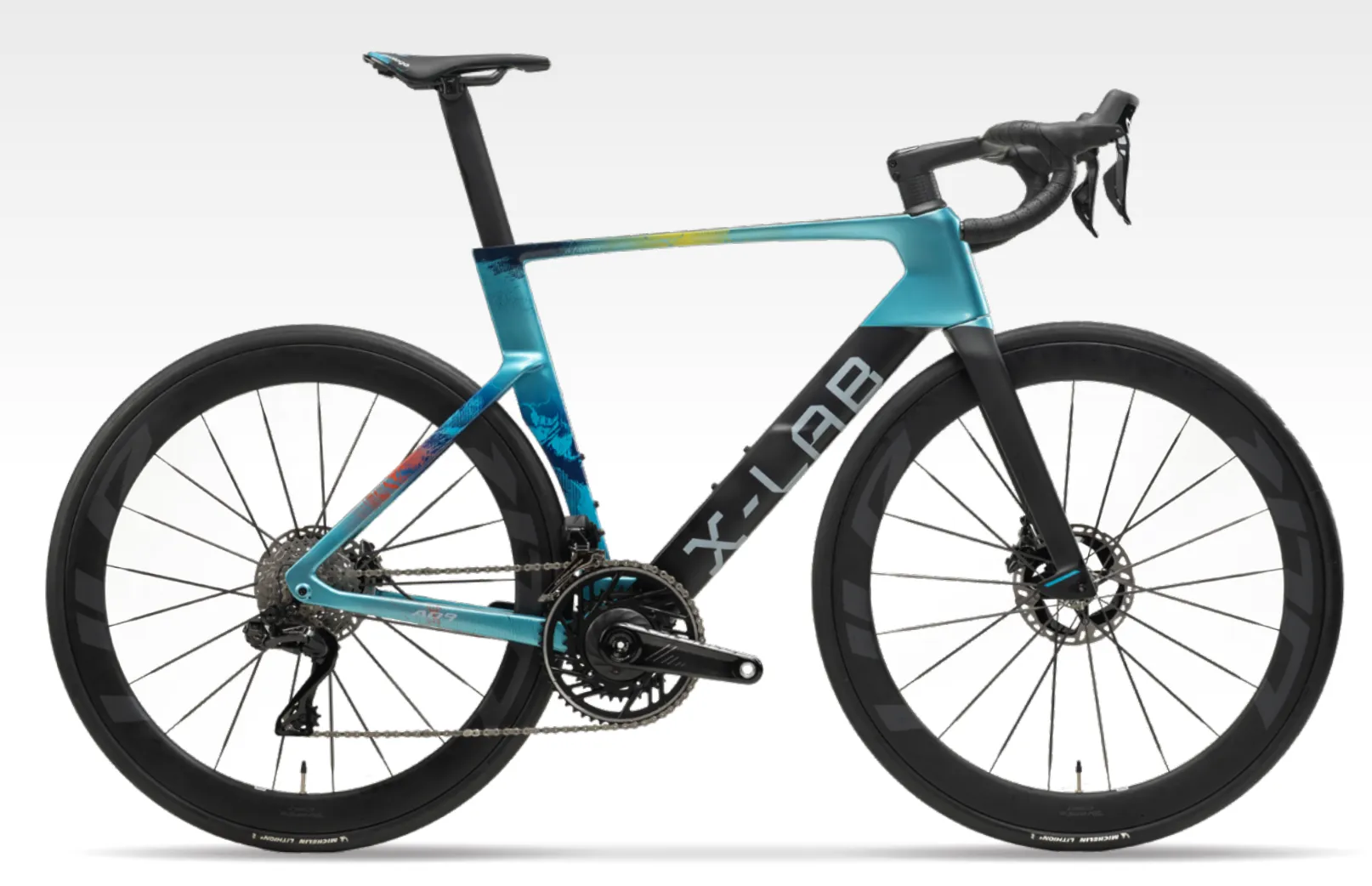
AD9: The WorldTour Aero Bike
Toray T1100 carbon frame and fork, Shimano Dura-Ace Di2, Branta integrated carbon cockpit, Branta C50 ULR carbon-spoke wheels. Claimed weight: 15 lbs (6.82 kg) in size large. Price: $7,999.
That's $2,000–$3,000 less than most aero bikes with the same groupset. The catch? You're buying into a relatively unknown ecosystem. Branta wheels and cockpits don't have years of third-party testing or widespread mechanic familiarity. If you're the type who needs a Vision cockpit or Zipp wheels for peace of mind, this isn't your bike.
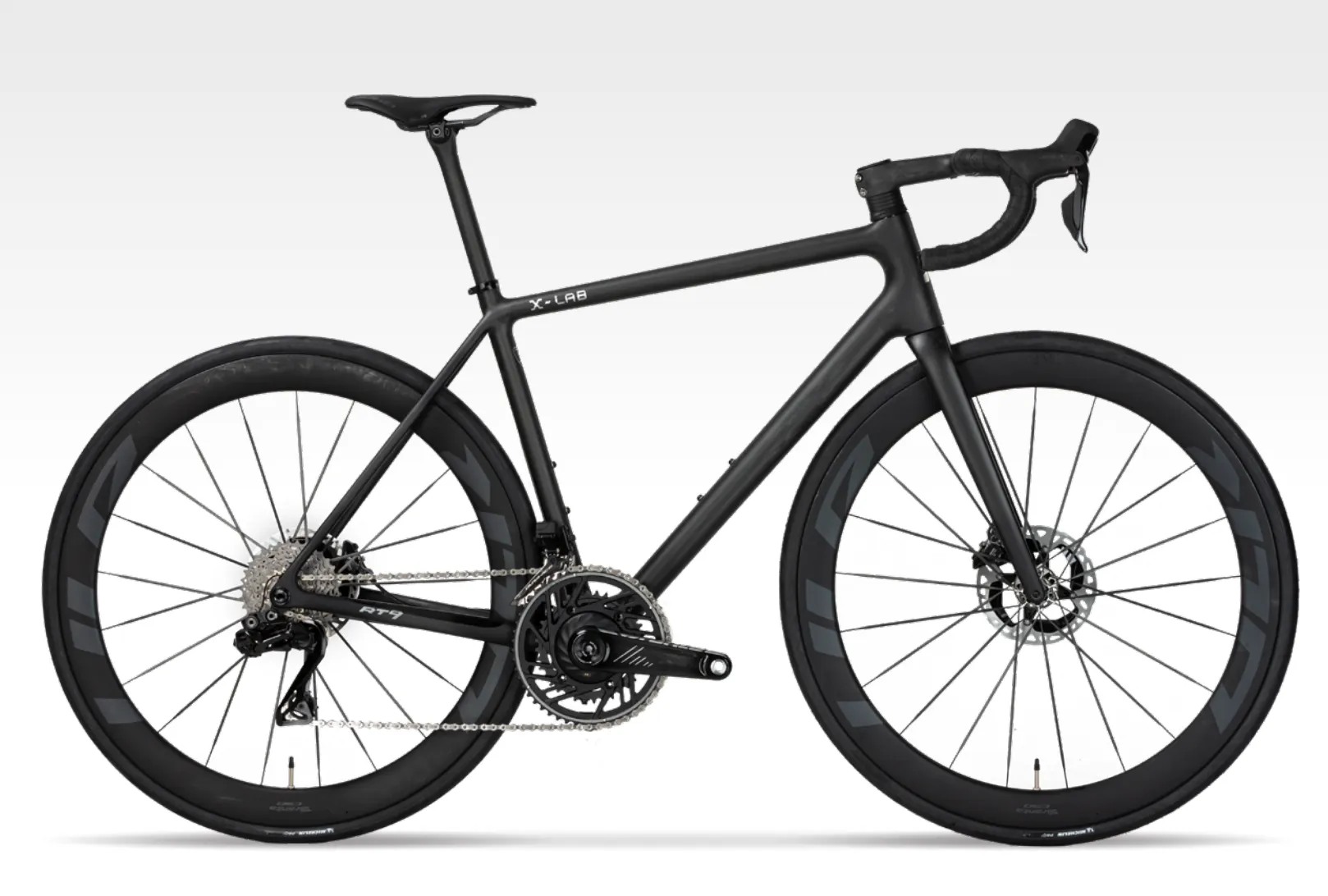
RT9: The Ultra-Light Climber
Toray T1100 and M40X carbon, claimed 550-gram frame, complete bike weight of 13.6 lbs (6.2 kg) with Dura-Ace Di2. Price: $9,150.
XDS is calling this "the lightest production road bike of all time." I can't verify that — lightweight claims are notoriously slippery depending on how you define "production" and which size you measure. What I can say: 13.6 lbs is legitimately light, and $9,150 is a lot of money but still thousands less than other sub-14-lb bikes with similar builds.
The tradeoff here is durability questions. Ultra-light frames often sacrifice longevity or crash resilience. XDS hasn't published long-term fatigue testing data, and I haven't put miles on this frame to know how it holds up past the honeymoon phase.
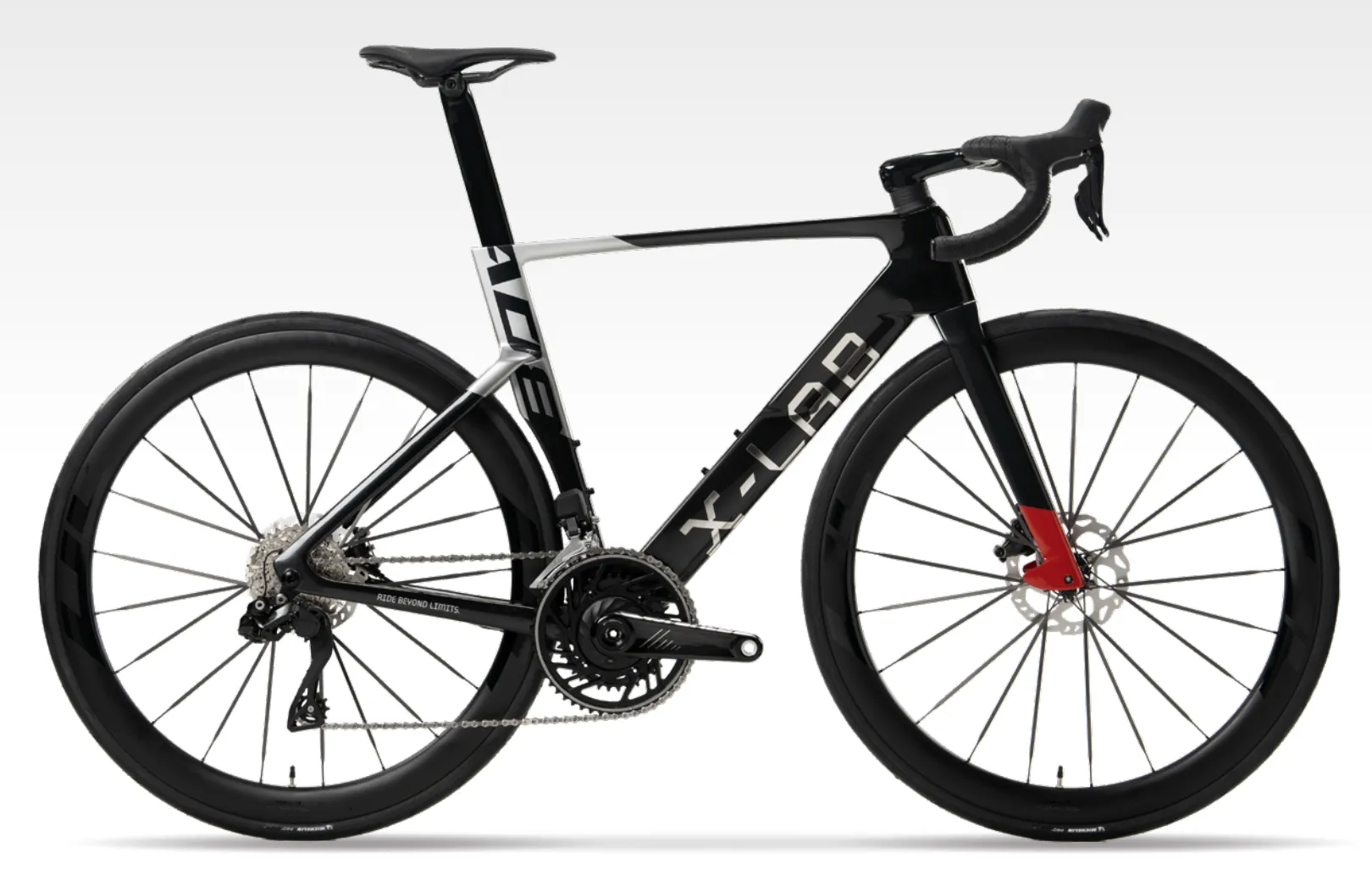
AD8: The One Most People Should Actually Consider
Toray T800 carbon, Shimano 105 Di2, Branta integrated cockpit, claimed 16.5 lbs (7.41 kg) in size large. Price: $4,499.
This is the bike that makes the most sense for the data-driven dad who wants aero performance but doesn't need Dura-Ace to feel fast. 105 Di2 shifts nearly as well as the top-tier stuff, and 16.5 lbs is light enough that you're not giving up climbs. At $4,499, it undercuts most carbon aero bikes by $1,500–$2,500.
Here's the catch: resale value is unknown. XDS doesn't have brand equity in the U.S. yet, so if you're the type who upgrades every two years, you're taking a gamble on what this bike will be worth in 2027.
GT8: The Gravel Bike That's Priced Like It Wants Your Attention
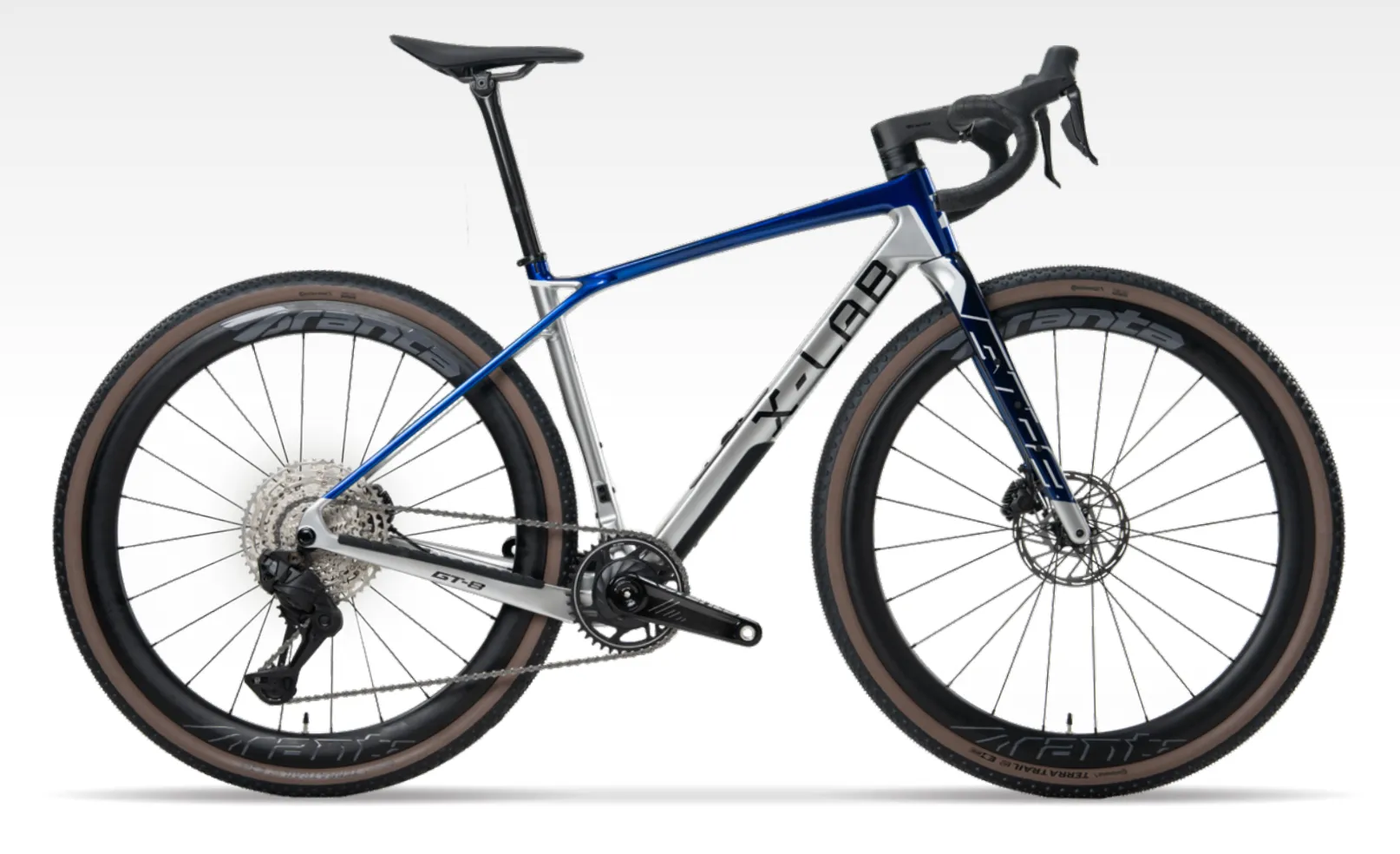
Full carbon frame and fork, Shimano GRX 715 1x Di2, Branta carbon cockpit, rechargeable power meter crankset, 55mm tire clearance, in-frame storage. Claimed weight: 19.35 lbs (8.78 kg) in size medium. Price: $3,199.
Most carbon gravel bikes with electronic shifting and a power meter start around $5,000. The GT8 is $1,800 less. The spec that matters here is the tire clearance — 55mm is wide enough for legitimate off-road use without feeling like you're riding a monster truck on pavement.
What I can't verify: how the Branta power meter compares to Quarq or Stages in terms of accuracy and battery life. XDS says it's rechargeable, which is good, but there's no independent testing I can point to yet.
RS7 and RS5: The Practical Ones
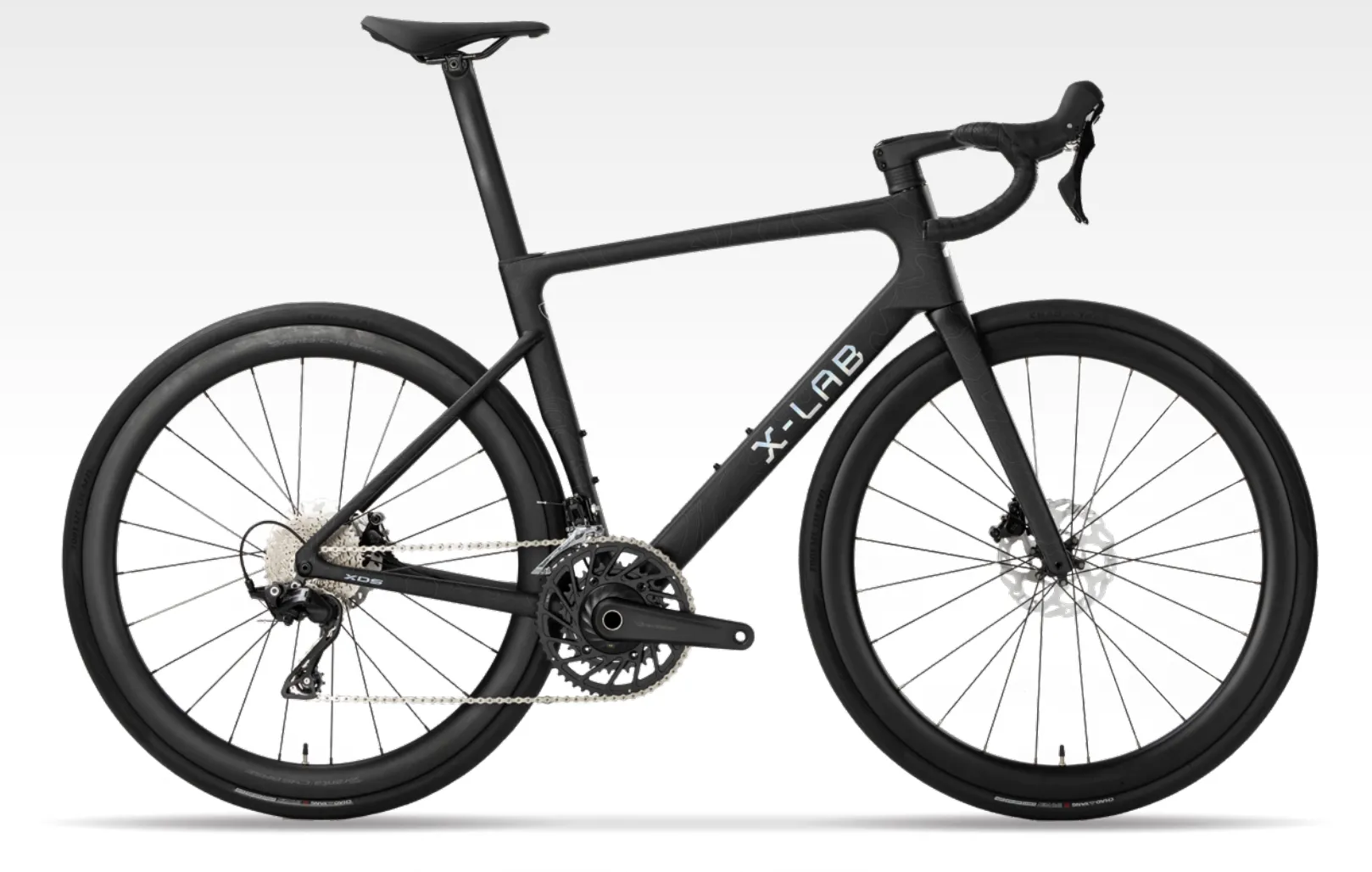
The RS7 is a carbon all-road bike with Shimano 105 mechanical, integrated carbon cockpit, 32mm tires, and a claimed weight of 18 lbs (8.49 kg). Price: $2,099.
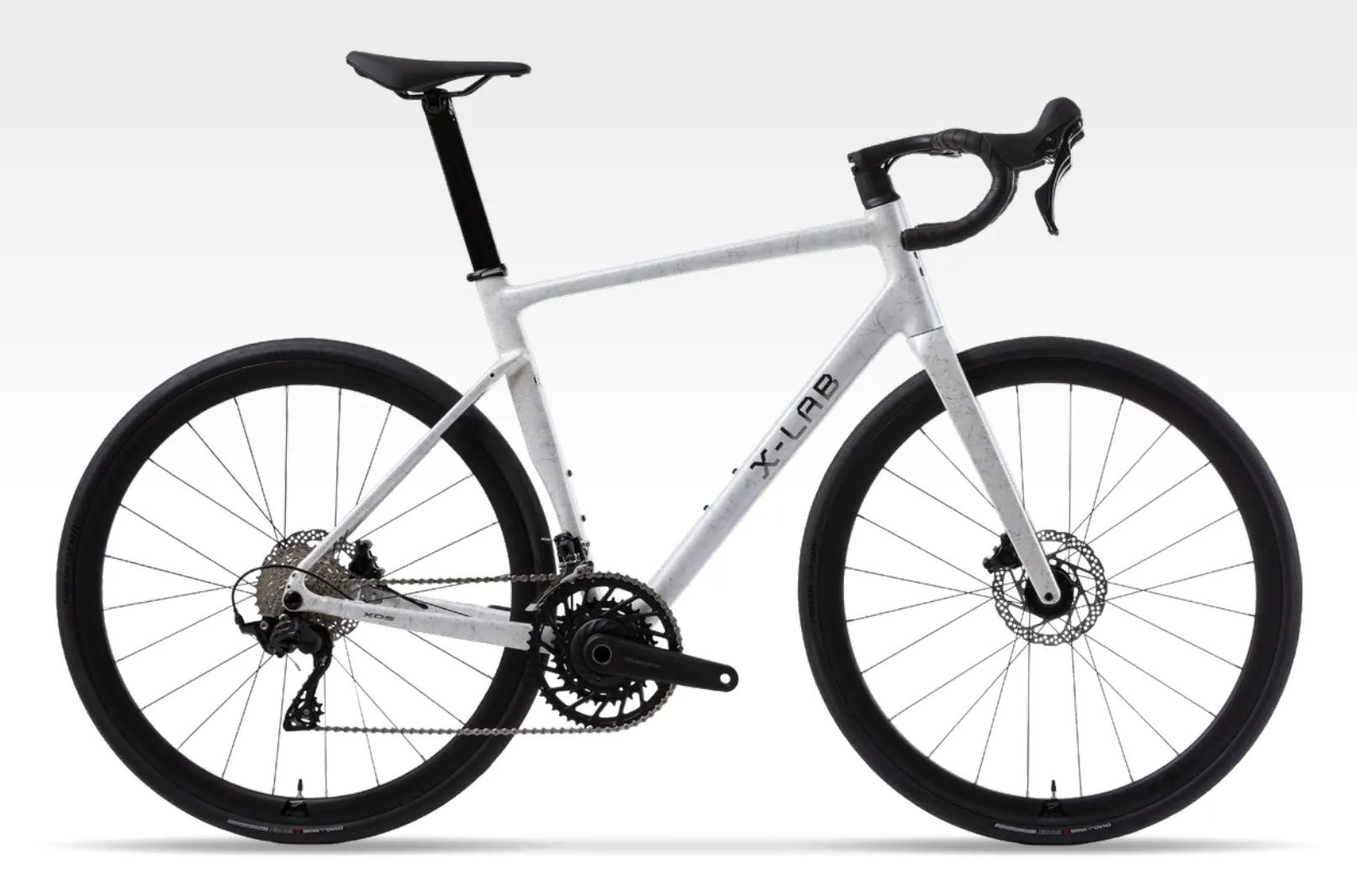
The RS5 is an aluminum endurance bike with a carbon fork, Shimano Cues 2×11, Branta alloy power meter crankset, 38mm tire clearance, and fender mounts. Price: $1,399.
These are the bikes for riders who want something fast enough for weekend rides but practical enough for commuting or long days with gear. The RS5 in particular is interesting — a sub-$1,500 bike with a power meter and hydraulic discs is rare. The catch is Shimano Cues, which is a newer groupset without the long-term track record of 105 or Tiagra.
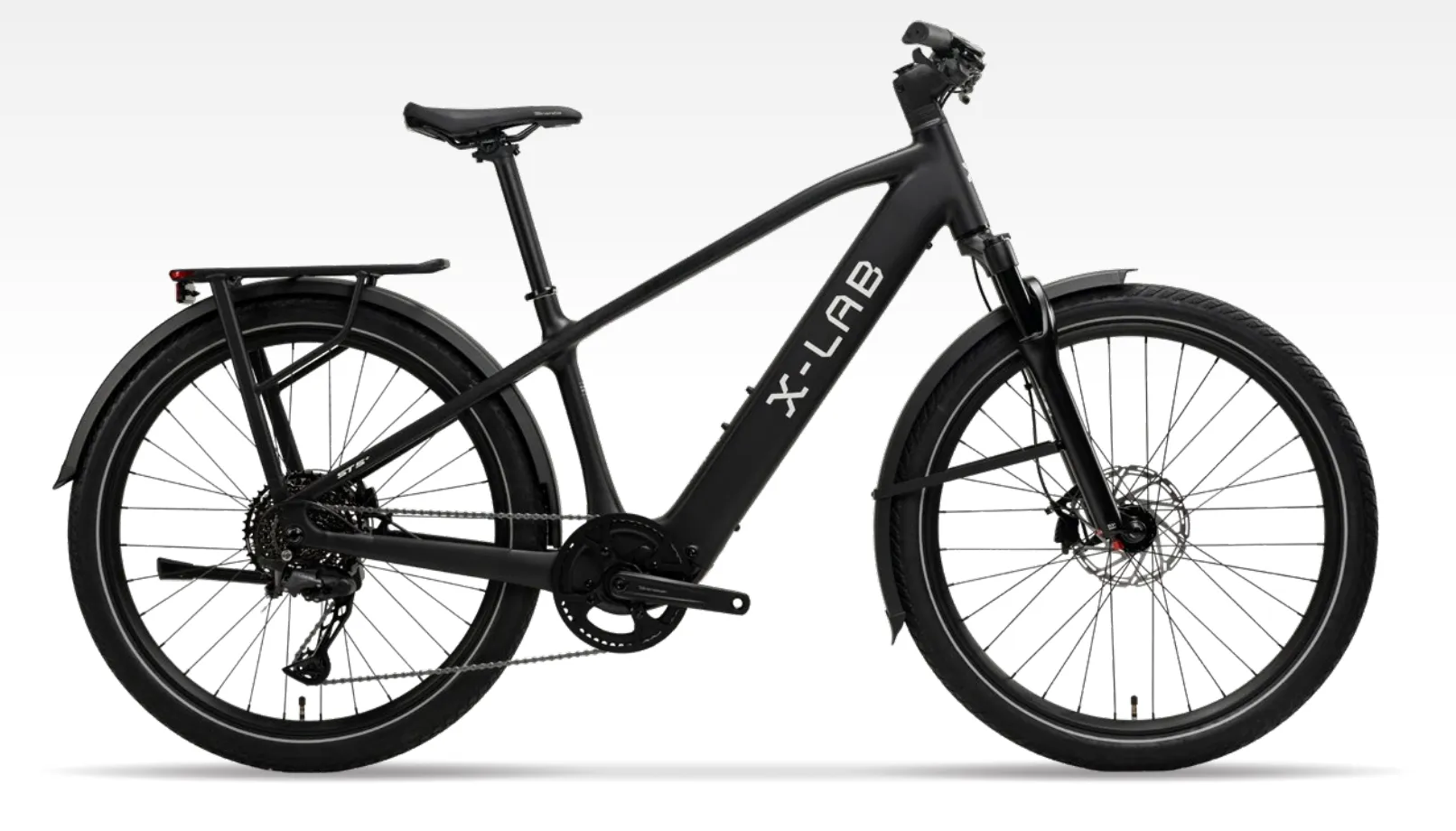
The E-Bikes: Where the Pricing Gets Weird
XDS builds its own mid-drive motors (the X800 series), which is how they're hitting these price points.
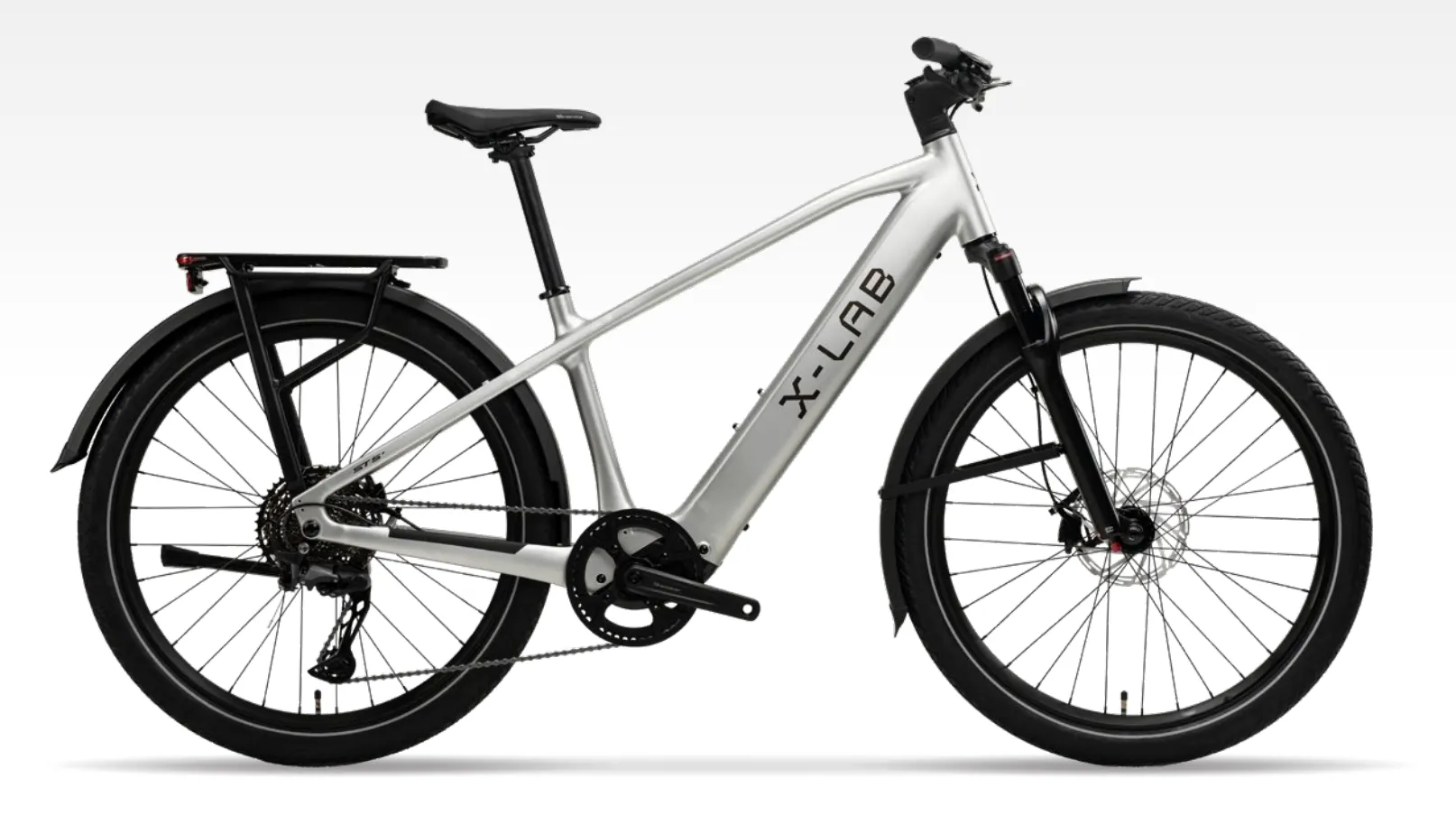
The ST5+ is the cargo-friendly option: 95 Nm of torque, 619 Wh battery, integrated display, front light, MIK-HD rear rack, fenders, and an 80mm suspension fork. Price: $1,999.
The SP5+ is the fitness-focused version: 85 Nm motor, 339 Wh battery, integrated lights, 700c tires, sportier geometry. Price: $1,899.
The SP3 is the city/fitness hybrid: aluminum frame, carbon fork, Shimano Cues 10-speed, hydraulic discs, 42mm tire clearance, rack and fender mounts. Price: $799.
An e-bike for $799 sounds too good to be true, and maybe it is. I haven't ridden the X800 motor, so I can't tell you how it compares to Bosch or Shimano in terms of smoothness, noise, or longevity. Battery capacity on the SP5+ is on the lower side — 339 Wh will get you 20–40 miles depending on assist level and terrain, which is fine for fitness rides but limiting if you're replacing car trips.
The Sales Model: Dealer-First (For Now)
XDS is pushing a dealer-first model, which means independent bike shops are supposed to handle fit, setup, service, and warranty support. That's a smart move in theory — it sidesteps the DTC tension that's left a lot of riders stuck with bikes they can't get serviced locally.
The real test comes in six months when someone needs a replacement derailleur hanger or a warranty claim on a cracked frame. If XDS can keep parts in stock and support shops quickly, this works. If not, you're stuck with a cheap bike that's expensive to keep running.
No local dealer? X-LAB will be available through Jenson USA, which at least gives you a known quantity for customer service.
What I'm Not Sure About Yet
I haven't ridden any of these bikes. I can't tell you how the Branta wheels feel on rough pavement, whether the RT9's ultra-light frame is confidence-inspiring or sketchy in crosswinds, or if the X800 e-bike motor has the refinement of a Bosch system.
I also don't know how XDS will handle the less glamorous parts of being a bike brand: warranty claims, parts availability, software updates for the e-bikes, and long-term customer support. Vertical integration is great until something breaks and the only place to get the part is Shenzhen.
Resale value is another unknown. XDS doesn't have brand recognition in the U.S. yet, so if you're planning to sell this bike in two years, you're betting that X-LAB builds enough credibility by then to hold value.
Who This Makes Sense For
If you're a data-driven cyclist who cares more about specs than logos, the AD8 or GT8 are worth serious consideration. You're getting carbon frames, electronic shifting, and power meters at prices that undercut most of the competition by $1,500–$2,500.
If you're a busy dad looking for a commuter e-bike that doesn't cost as much as a used car, the ST5+ or SP3 are interesting — assuming you have a local shop that can service them.
If you need a bike that holds resale value, or if you're risk-averse about new brands, this probably isn't your move. Stick with the known quantities.
TL;DR
- XDS is leveraging vertical integration (in-house frames, wheels, cockpits, motors) to undercut traditional pricing by $1,500–$3,000 on carbon road, gravel, and e-bikes — the AD8 aero bike with 105 Di2 is $4,499, the GT8 gravel bike with GRX Di2 and a power meter is $3,199.
- The catch: you're betting on an unknown brand with no long-term resale data, unproven Branta components, and uncertain parts availability if something breaks — vertical integration is great until you need a replacement part that only exists in Shenzhen.
- Best bets for data-driven cyclists: the AD8 (aero road, $4,499) or GT8 (gravel, $3,199) offer legitimate performance at prices that make sense if you care more about specs than logos; the e-bikes are intriguing but I can't verify motor quality or battery longevity yet.