The Tritone's 32-Inch Wheels Exist to Fix Tall-Rider Geometry, Not Chase Trends
Toot Engineering's Tritone uses 32-inch wheels to give tall riders proper geometry without sacrificing frame stiffness. Here's what the specs actually mean.

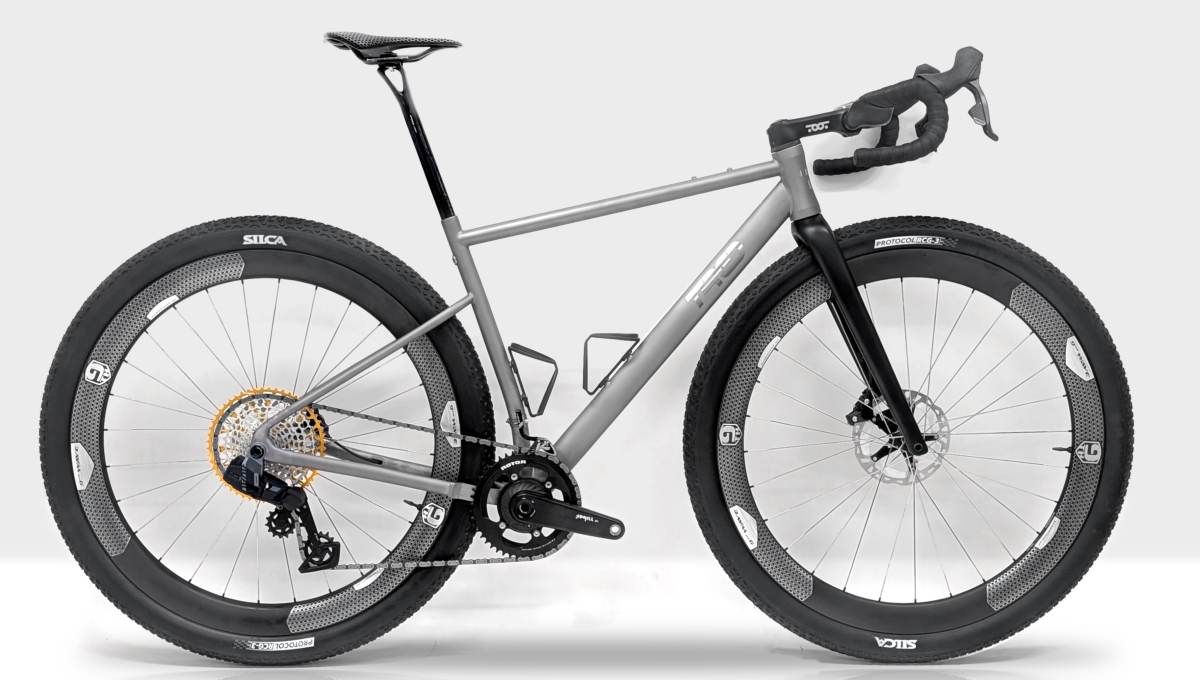
Toot Engineering's Tritone runs 32-inch wheels—not for the marketing buzz around bigger hoops, but because it's the only way to get a 1.91m rider into a proper position without building a noodle-soft frame. Standard XL frames solve height by stretching the head tube and triangles, which kills stiffness. The Tritone flips the logic: a custom 445mm fork and oversized wheels lift the cockpit 8cm higher than 700C, letting the front triangle stay compact and responsive. The claimed 10%+ drag reduction from simulator testing sounds aggressive, but the geometry math checks out—a shorter front triangle at that stack really does change how force transfers through the frame.

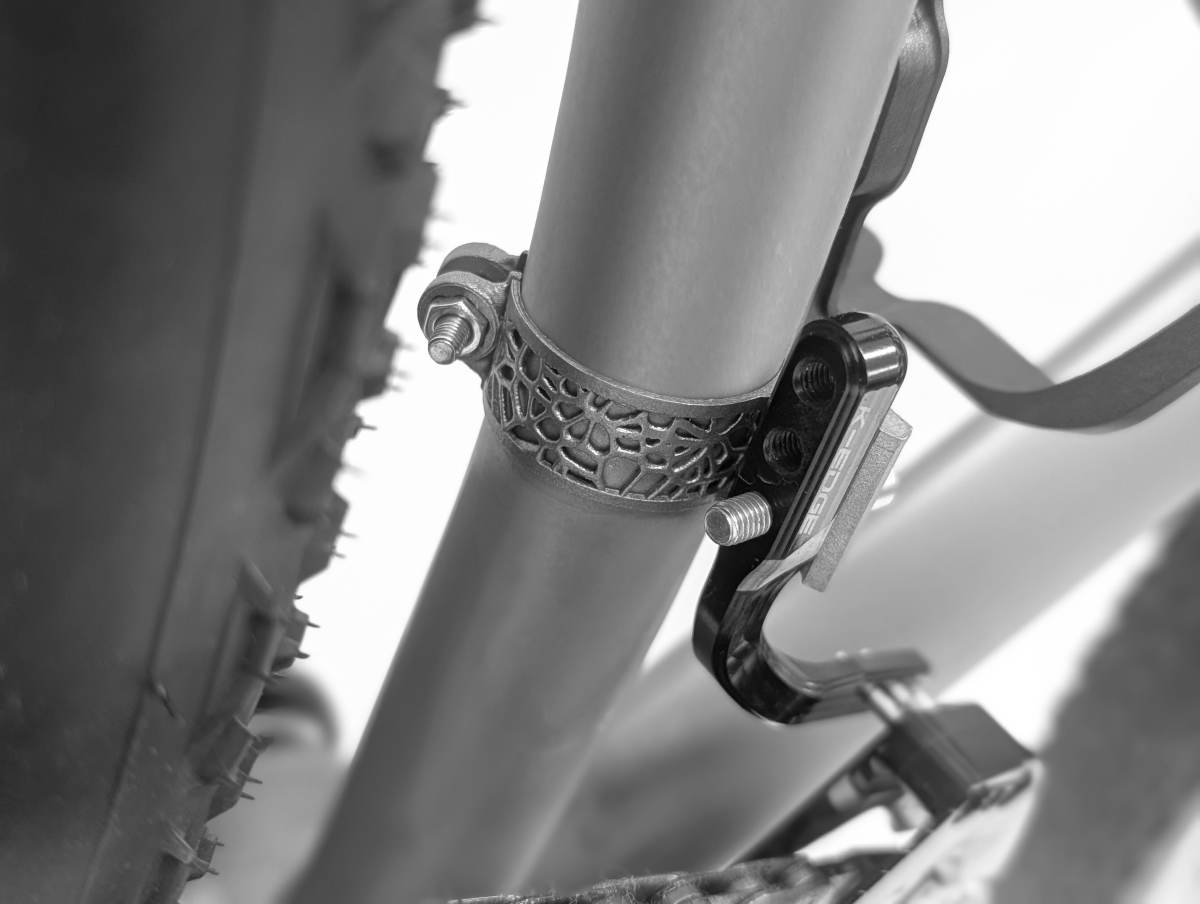
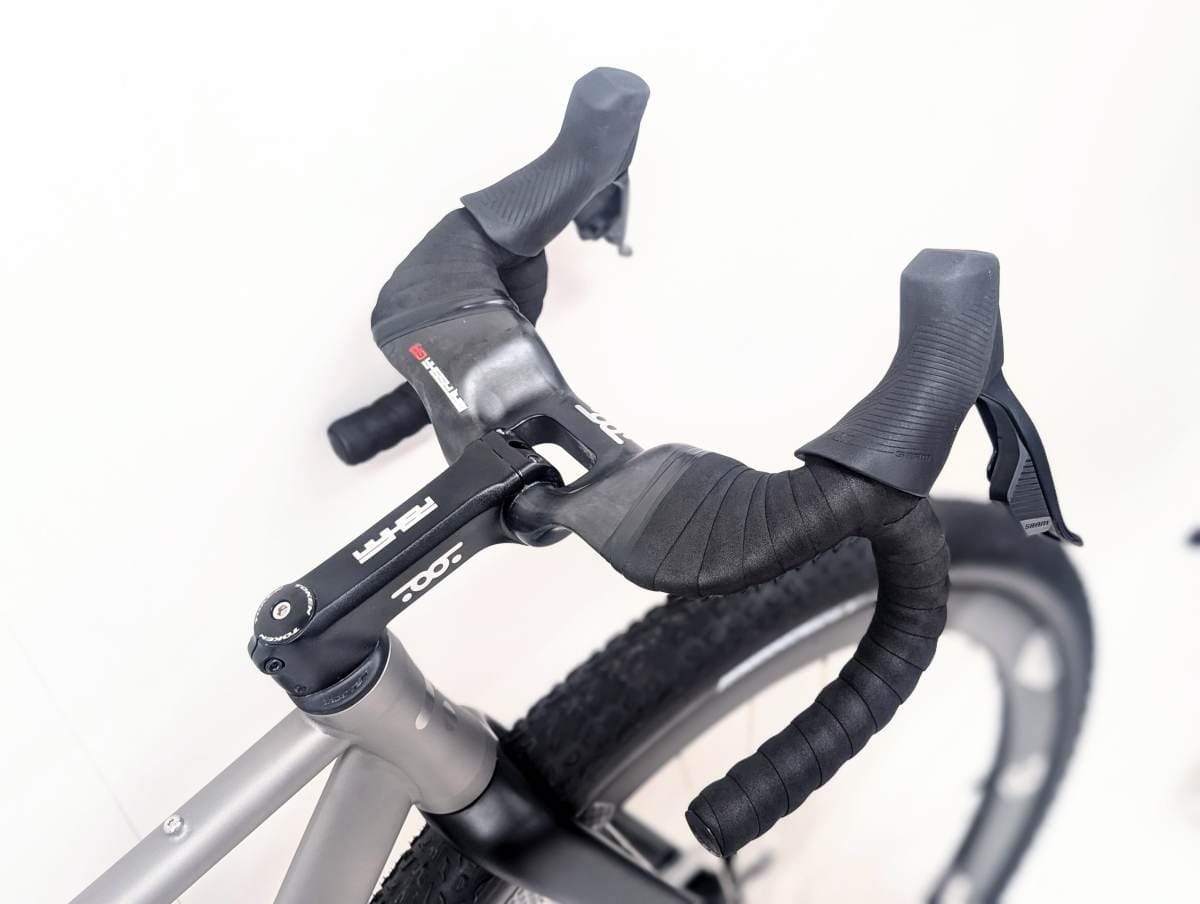
The drivetrain packaging is clever: a T47 bottom bracket, boost 148 rear, and 47.5mm chainline let you run a road crankset with chainrings up to 54T alongside 64mm tires. That's a race-ready setup without the Q-factor compromises you'd expect. The obvious cost is handling—32-inch wheels are slow through tight switchbacks and U-turns, and no amount of trail tuning fully erases that. If your gravel races involve technical singletrack or crowded starts, this isn't your bike. But for taller riders who've never found a production frame that doesn't feel like a compromise between reach and stack, the Tritone represents a genuinely different approach to the problem.