Pirelli Finishes Its Gravel Tire Range With the RH and RM Race Models
Pirelli completes its Cinturato Gravel range with the RH and RM race tires—17–20% lower rolling resistance, up to 55mm width, and a clear terrain-based decision tree.

Pirelli just closed the gap in its Cinturato Gravel lineup with the RH and RM race tires—the ones that were conspicuously missing when the rest of the range launched last fall. The delay wasn't arbitrary. The Italian team spent the extra months refining the SmartEVO_GR compound and tuning rolling resistance, and the numbers reflect it: 17% lower on the RH, 20% on the RM compared to the non-race Performance Line equivalents.
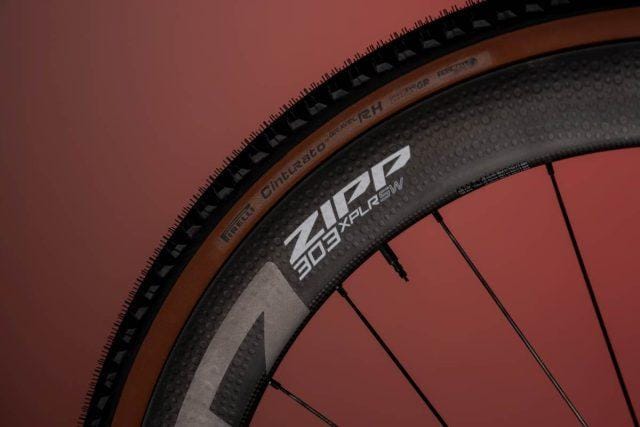
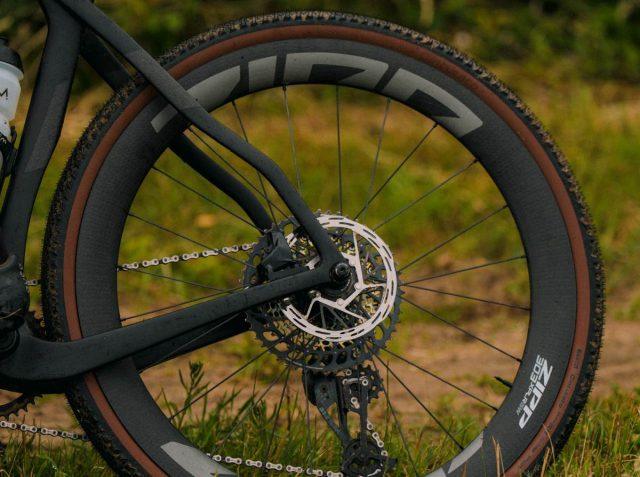
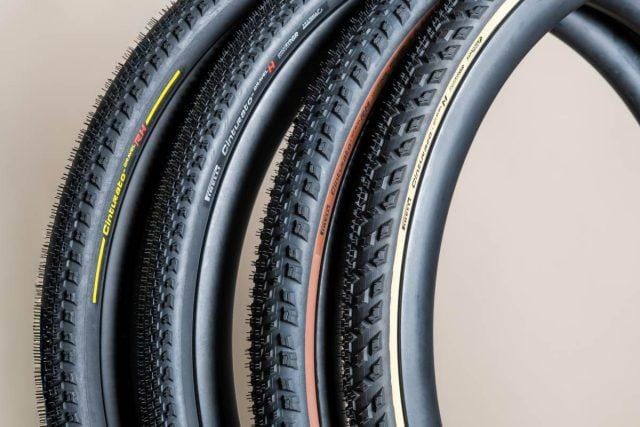
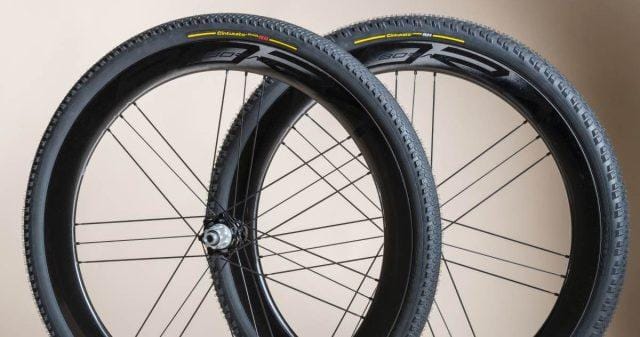
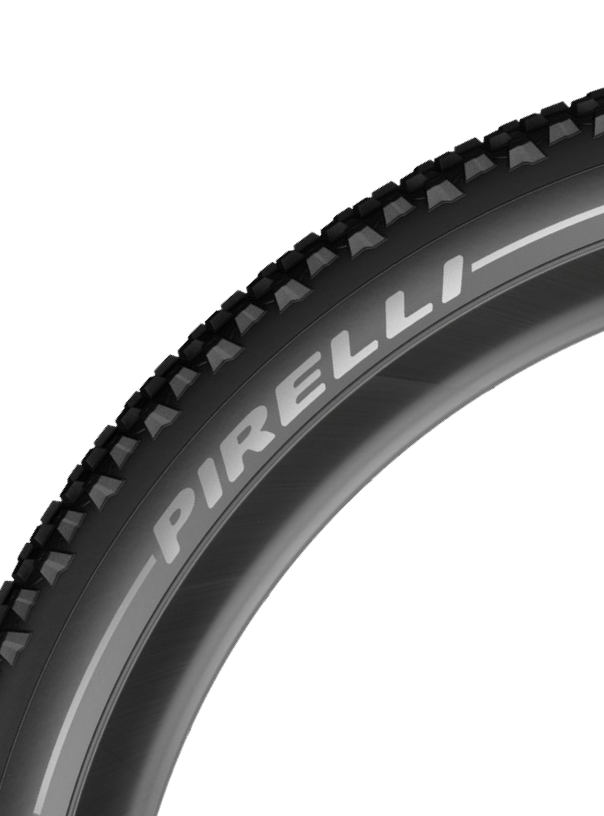
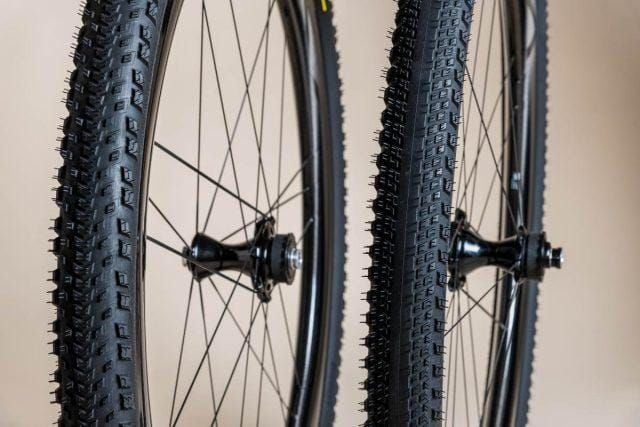
The RH is the hardpack specialist—slick center tread for efficiency on pavement and packed gravel, aggressive side knobs for cornering bite. The RM sits in the middle ground: knobby enough for mixed terrain and loose sections, smooth enough that you're not hemorrhaging watts on faster stretches. Both use Pirelli's 120 TPI ProWALL Gravel casing, borrowed from XC racing, which adds sidewall reinforcement without turning the tire into a dead, wooden thing under you. They're tubeless-ready and now available up to 55mm width, which opens the door to proper rough-course racing or loaded bikepacking without swapping wheelsets.
Payson McElveen—who podiumed at Lifetime Grand Prix and won Mid-South twice—switched to the RH and called out the straight-line speed as the standout. He wasn't expecting lab results to translate that clearly to actual riding. Worth noting: he's racing these, not commuting on rail trails. The RH's square profile prioritizes rolling efficiency over all-conditions versatility, so if your local gravel leans chunky or wet more than fast, the RM makes more sense. Or you size down to 40mm on the RH for smoother courses with long paved connectors.
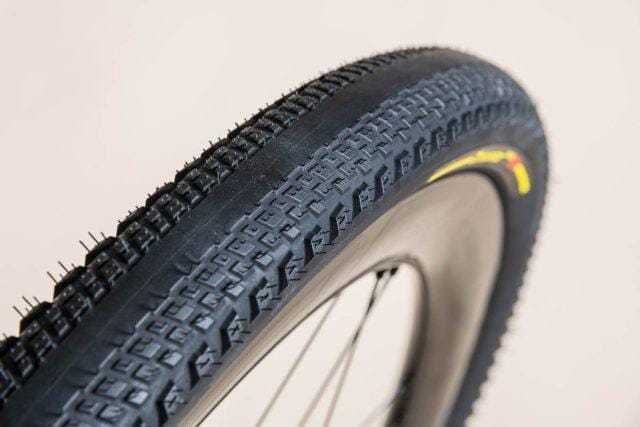
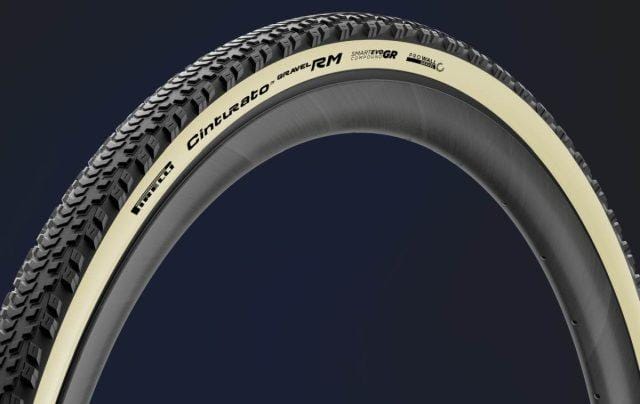
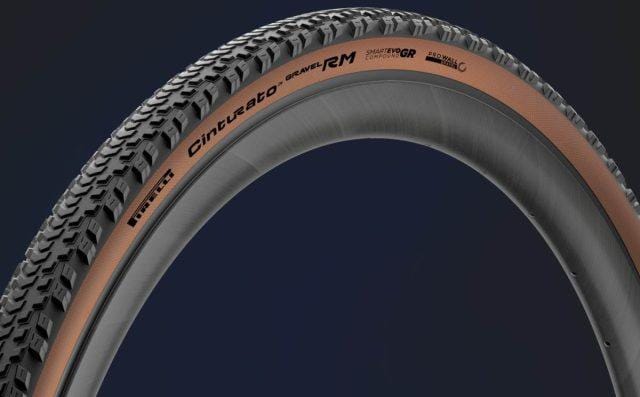
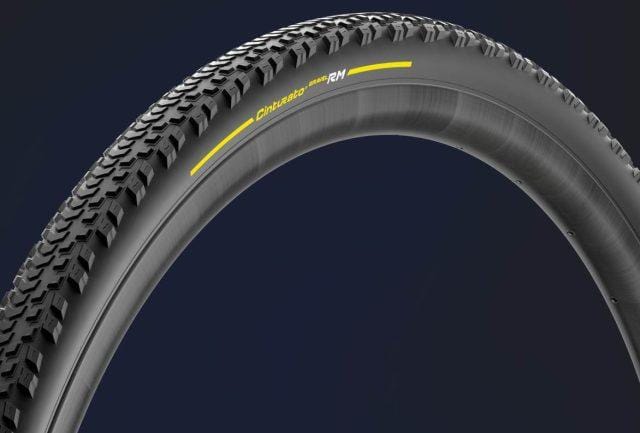
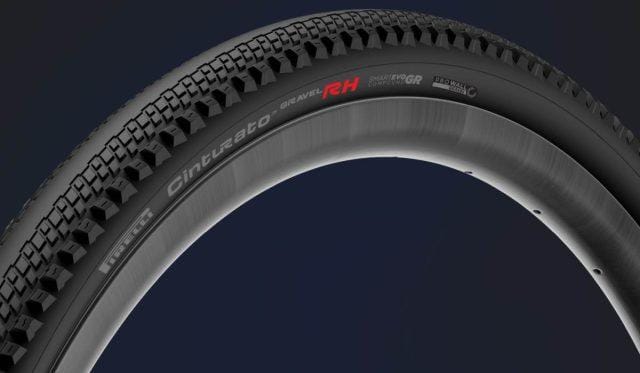
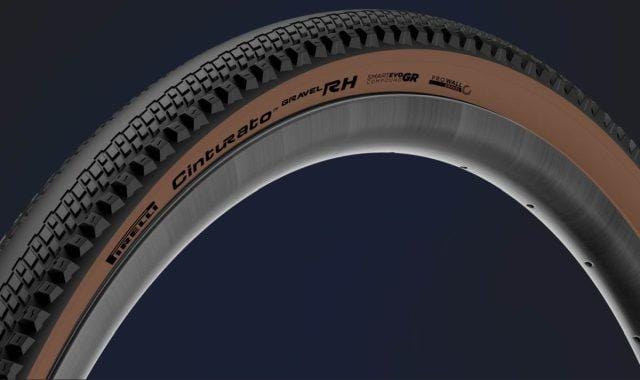
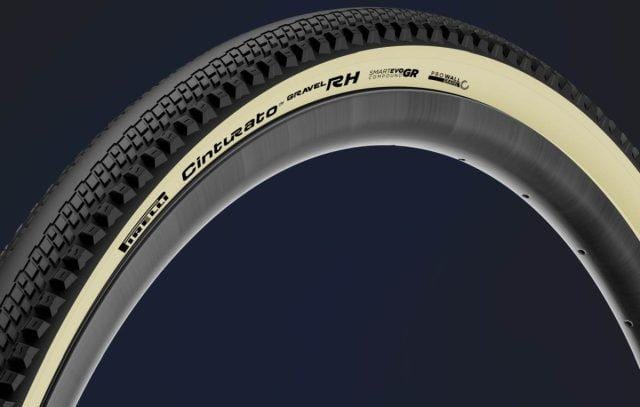
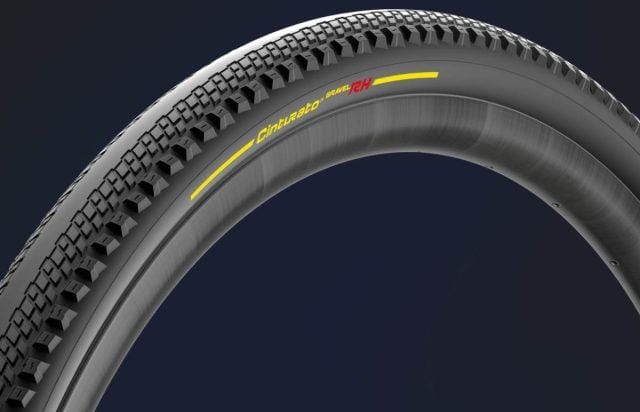
The range now covers four tread patterns (RH, H, RM, M) across two tiers—High Performance for racing, Performance for everything else—plus four sidewall colors if you care about that. It's a clean decision tree once you pin down your typical terrain. The width span is legitimately useful; 55mm isn't a gimmick when you're running lower pressures on washboard or loading bags for a multi-day. The question is whether the 17–20% rolling resistance improvement justifies the HP-Line price over the P-Line for someone who isn't chasing podiums. Pirelli's betting the answer is yes for enough riders that speed and control stack up over long miles, even if the finish line is just your driveway.
These are available now through Pirelli's site and select shops, made in Italy with FSC-certified natural rubber comprising at least 15% of the tire weight. If you've been running the same all-rounder for three seasons because the decision paralysis around gravel tires is real, this range at least gives you a clear sorting mechanism: pick your terrain type, pick your speed priority, size accordingly.