Otso Fenrir Ti Gets UDH Dropouts (and Loses the Tuning Chip)
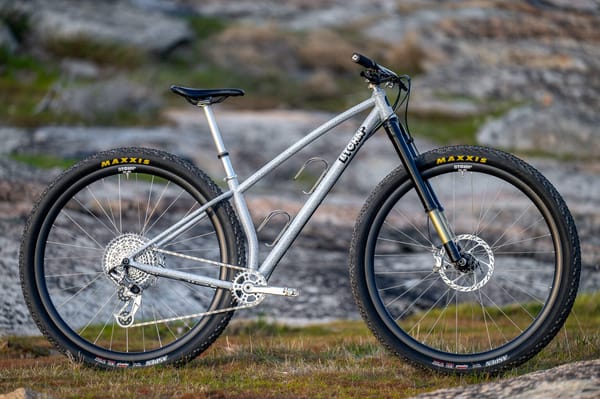
Otso's 2026 Fenrir Ti swaps adjustable dropouts for UDH compatibility. Same titanium frame, same geometry—just modern drivetrain options and new graphics.

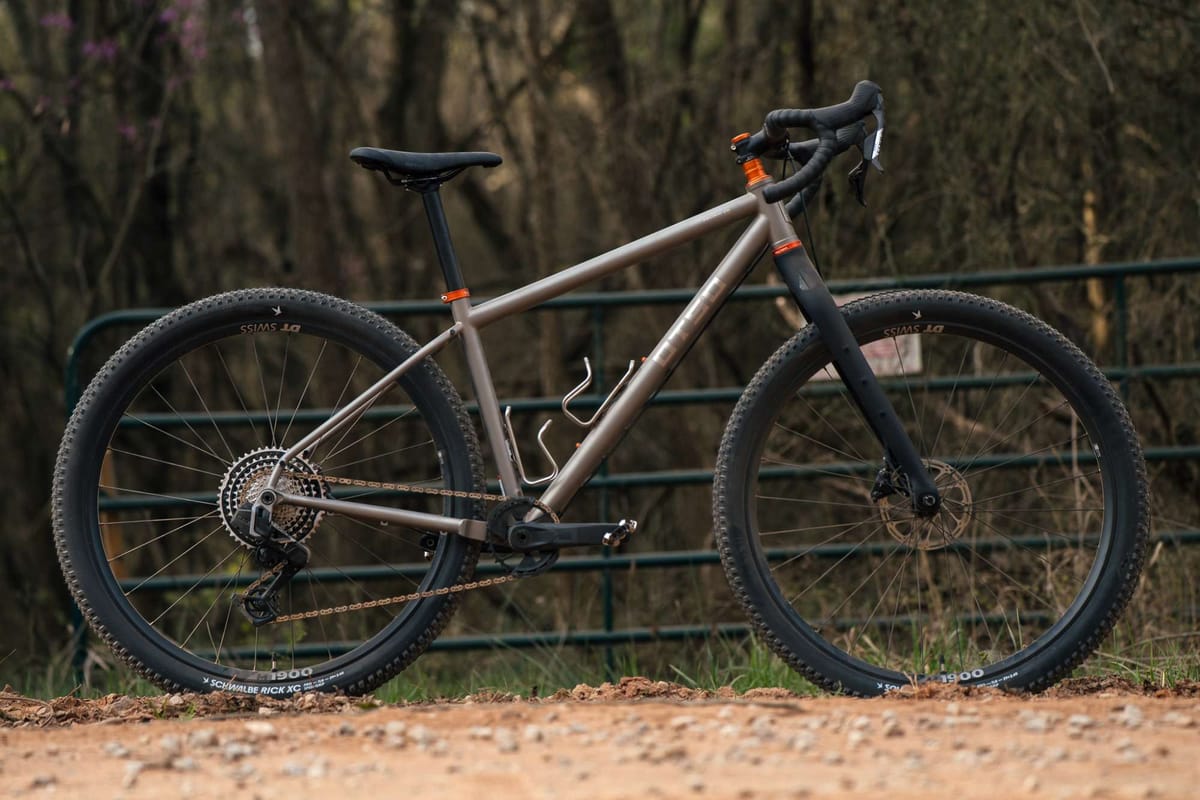
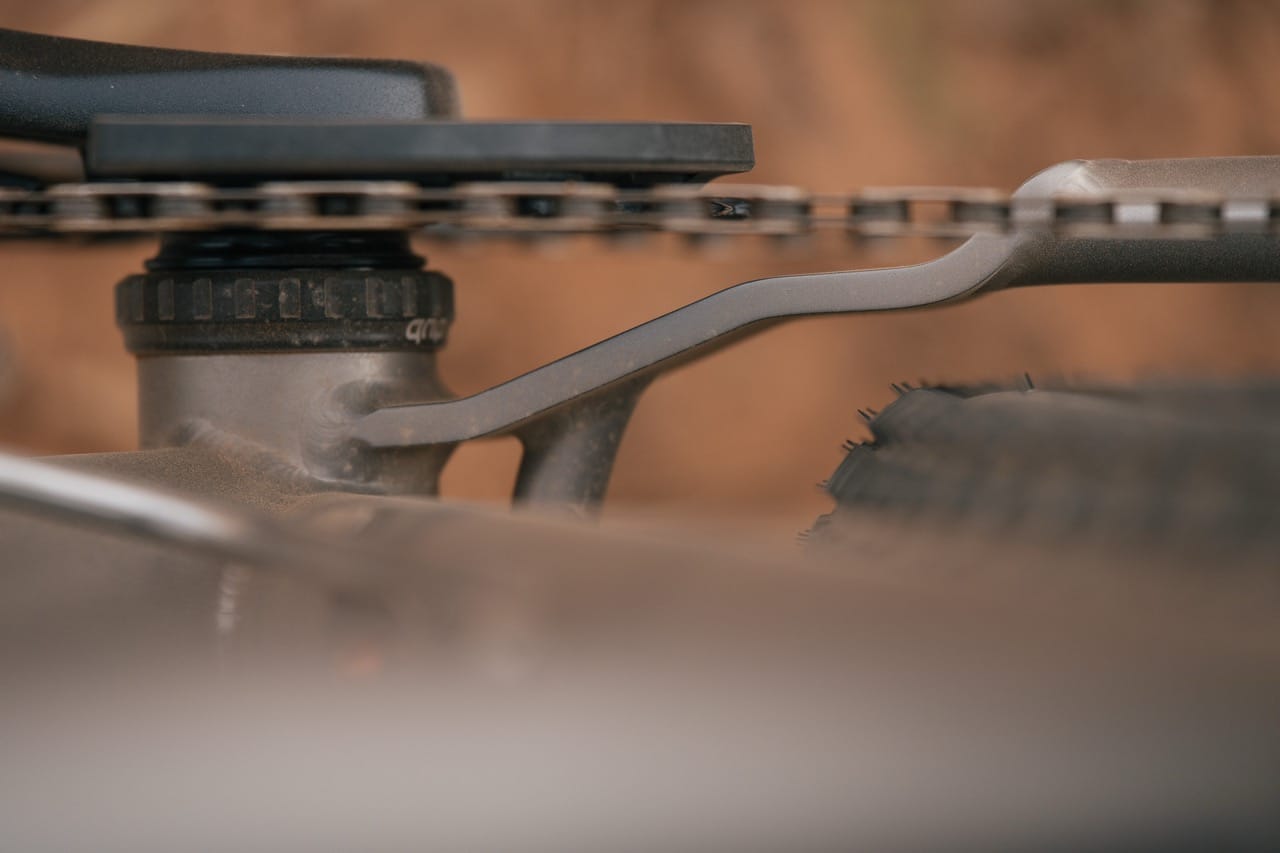
Otso just updated the Fenrir Ti—and if you were expecting a geometry overhaul or a carbon layup story, you're going to be disappointed. This is a spec refresh, not a redesign. The frame is the same 3Al/2.5V grade 9 titanium it's always been. The geometry hasn't changed. What has changed is the rear dropout and the graphics package.
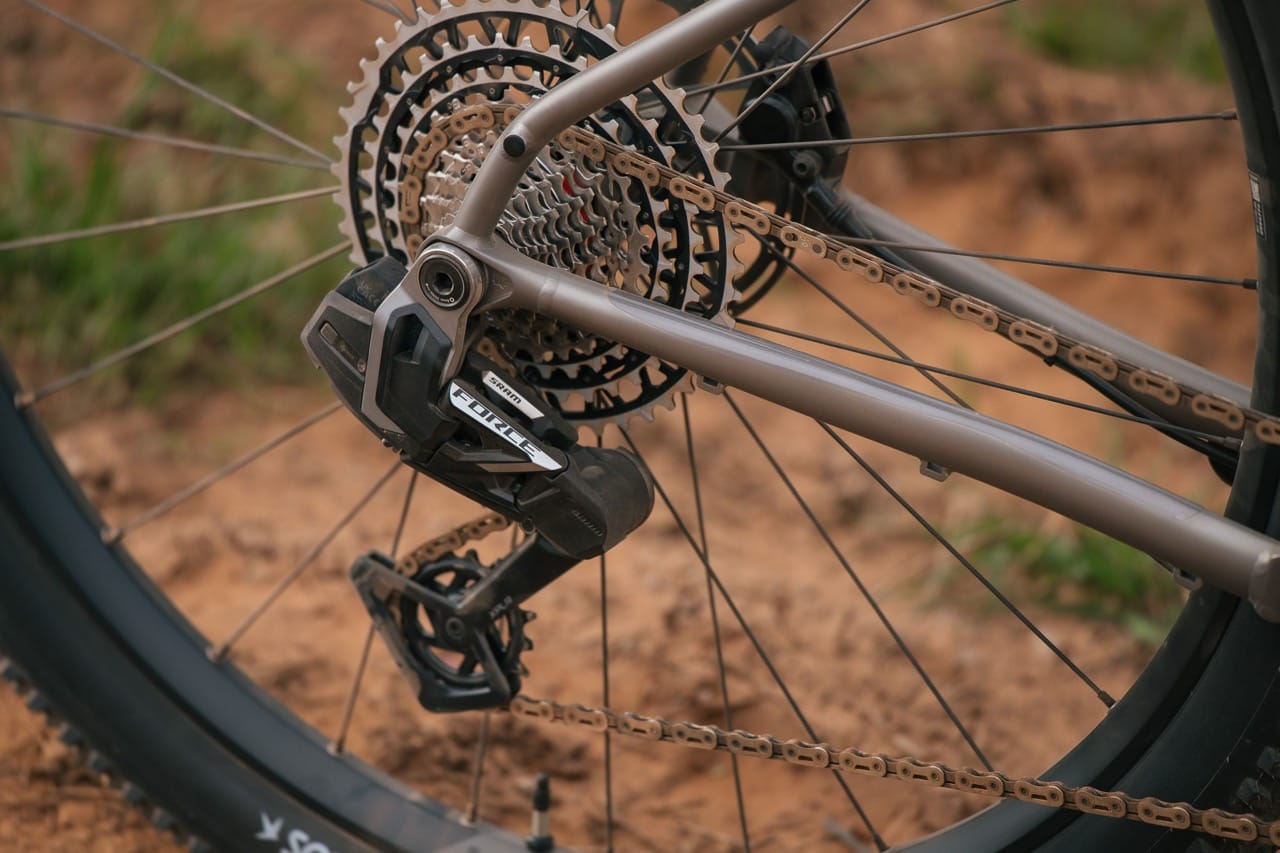
Here's what matters: the new Fenrir Ti swaps Otso's old Tuning Chip dropout for a 3D-printed titanium UDH hanger. That's it. And honestly, for anyone running a modern SRAM or Shimano drivetrain, that's enough.
Why UDH Actually Matters (and What You Lose)
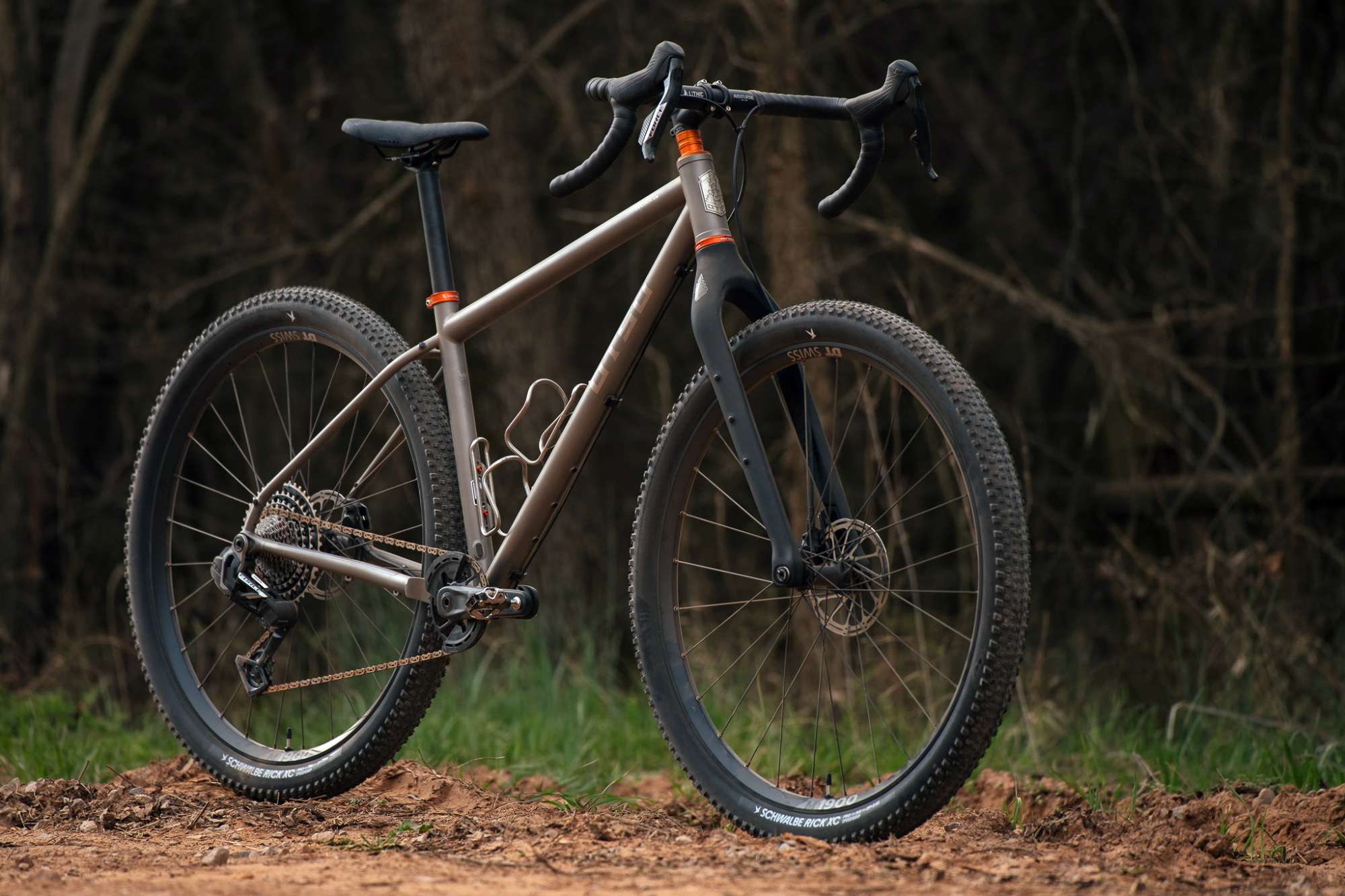
The Tuning Chip was Otso's adjustable dropout system—it let you tweak chainstay length by a few millimeters to change handling feel or accommodate different wheel sizes. Clever, but not compatible with Universal Derailleur Hanger drivetrains. If you wanted to run SRAM's Transmission or any future UDH-only system, you were out of luck.
The new 3D-printed titanium UDH dropout fixes that. You can now spec Eagle Transmission, future Shimano UDH groups, or whatever else the industry decides to standardize around. The catch: you lose the adjustability. Chainstays are now fixed at 445mm across all sizes. If you liked being able to shorten the rear end for tighter handling or lengthen it for stability with a loaded bikepacking setup, that option's gone.
I can't verify how much real-world difference the Tuning Chip made for most riders—my guess is not much unless you were actively experimenting with setup. But it was a feature that set Otso apart, and now it's not there.
What Hasn't Changed (and Why That's Fine)
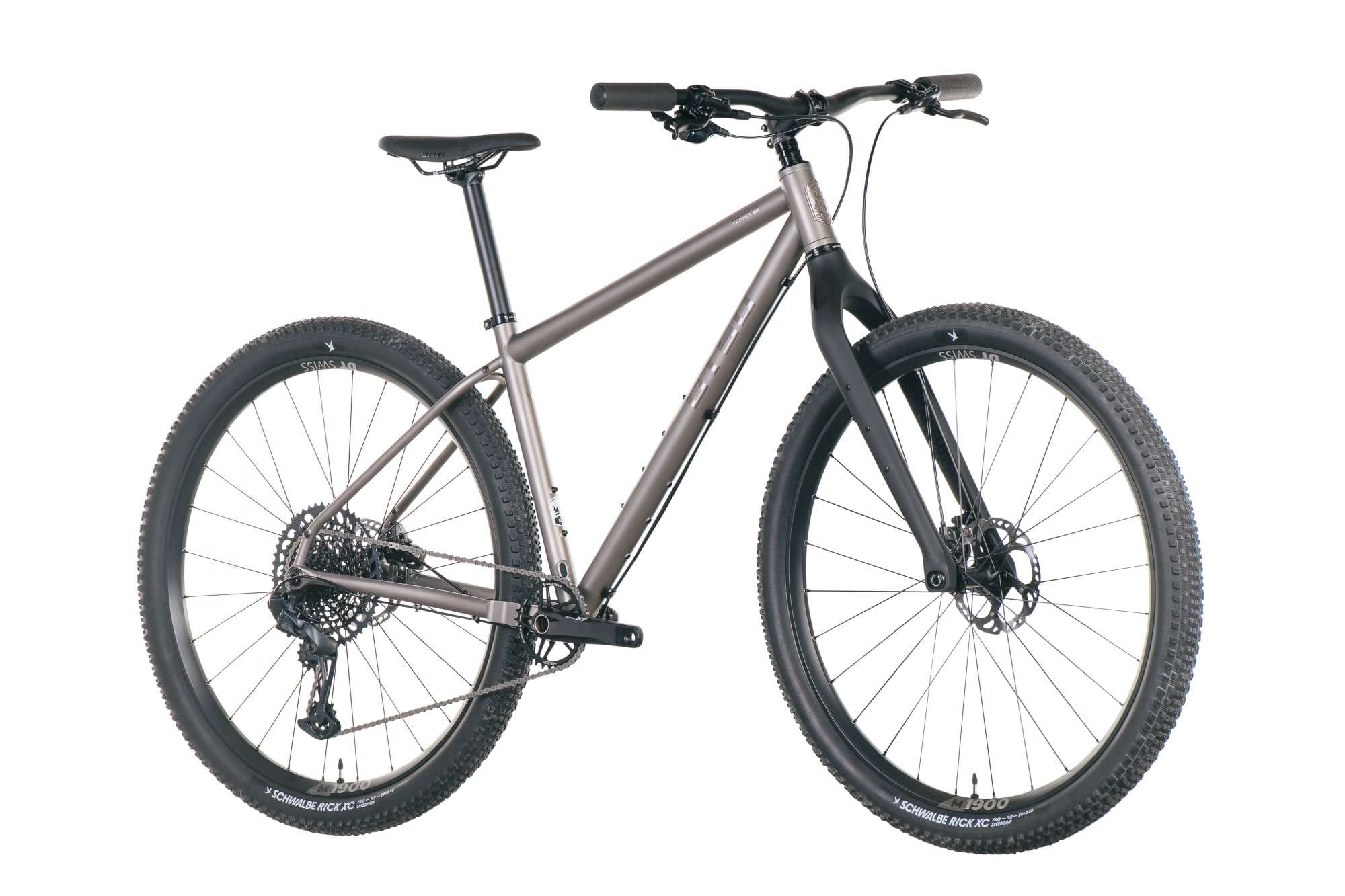
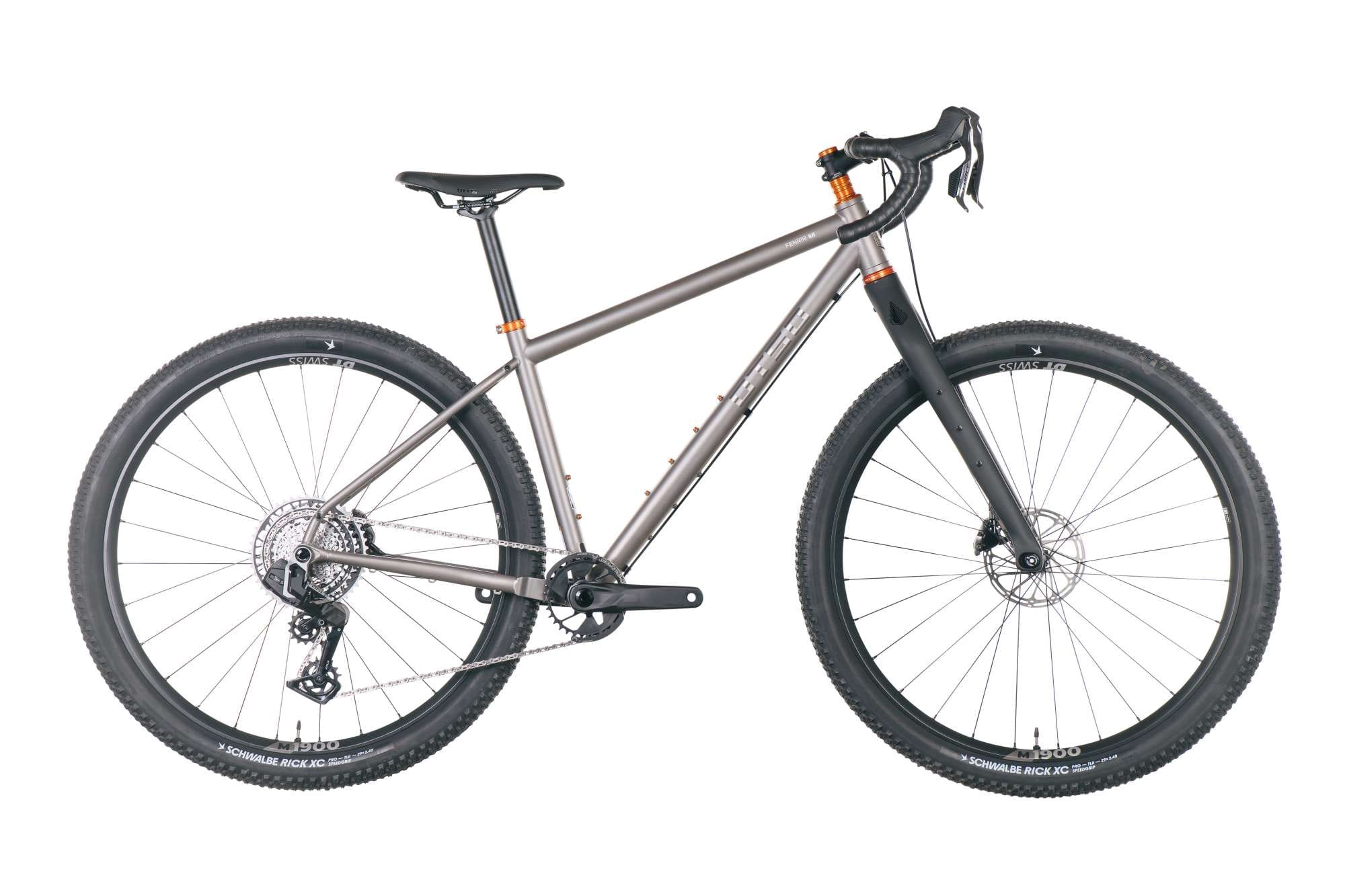
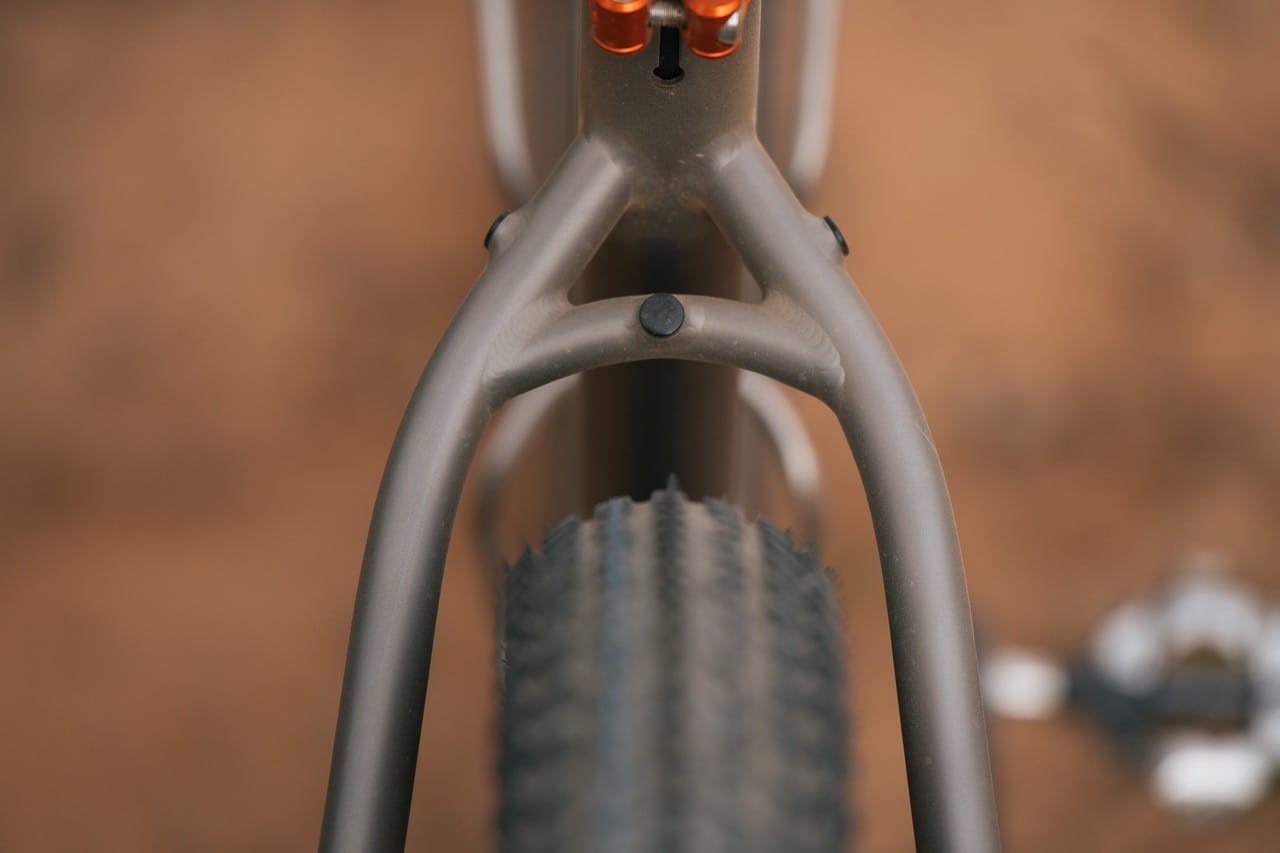
The frame is still 1,923 grams in a size large, which is about 30% lighter than the steel Fenrir. It still clears 29×2.6" or 27.5×2.8" tires. The geometry is still conservative: 68° head tube angle, 75° seat tube, 68mm of bottom bracket drop. Reach on a large is 428mm—short by modern standards, but appropriate for a bike you might be piloting while exhausted, loaded with 40 pounds of gear, on a rutted forest road at dusk.
It still ships with Otso's carbon Lithic Mountain fork, which has three-pack mounts on each leg and an adjustable rake chip. You can swap in a 100–120mm suspension fork if you want. There's internal routing for a cable-actuated dropper. Rack and fender mounts are everywhere.
You can still build it with drop bars (Otso recommends a 50mm stem to compensate for the longer reach) or flat bars. The company says it rides "like an extra-capable gravel bike" with drops and "like a 90s XC bike" with flats. I haven't put miles on this generation yet, but the spec that matters—tire clearance, fork compatibility, bag mounts—is unchanged.
The Stability Claim
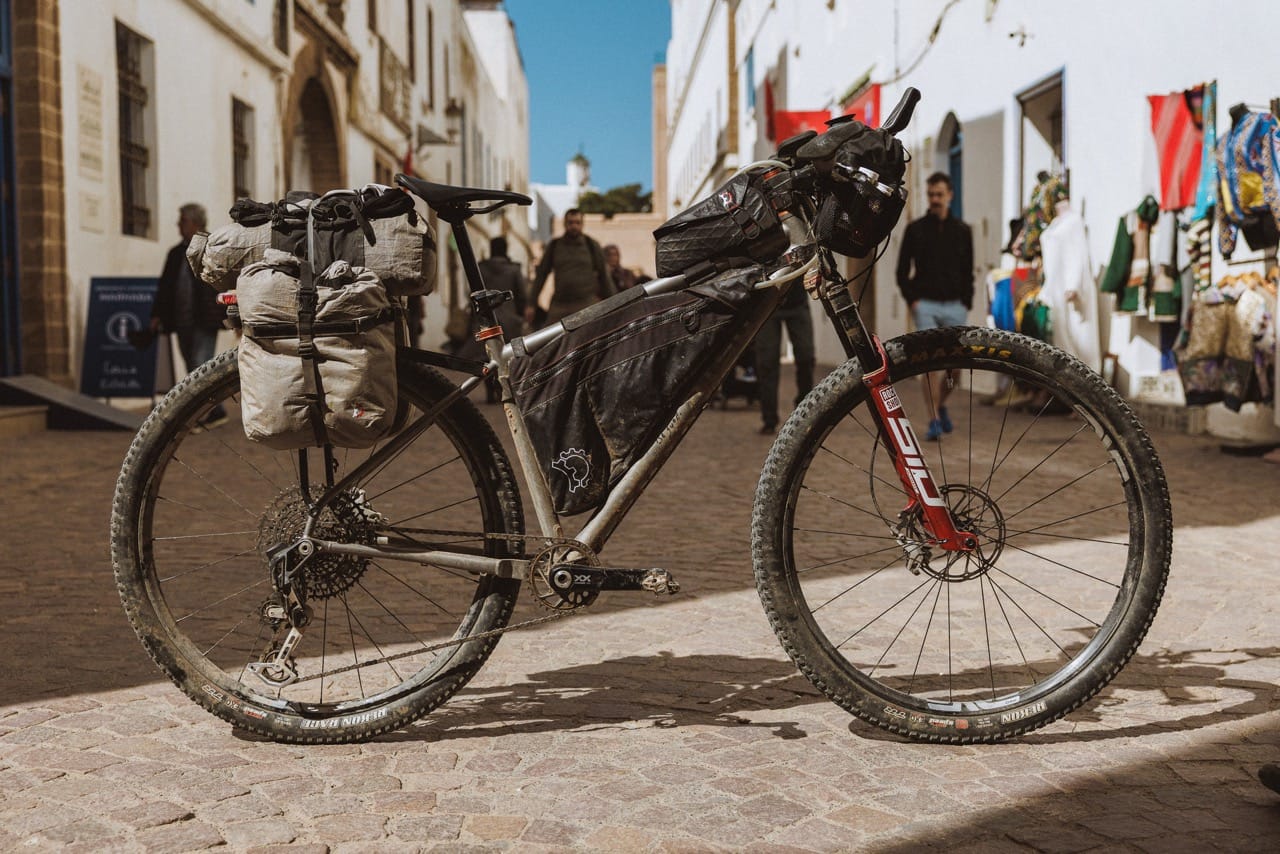
Otso says the Fenrir Ti stays stable when fully loaded, which is where a lot of bikes get sketchy. The mechanism here is partly the titanium's compliance and partly the geometry—longer chainstays, slacker head angle, lower bottom bracket. That's all plausible. But "stable when loaded" is also rider-dependent. If you're 160 pounds with 20 pounds of gear, you'll feel different than someone who's 210 with 50 pounds of bags and water.
The frame has mounts on the downtube, seat tube, and rear triangle. Otso lists compatible racks and frame bag dimensions on their site, which is genuinely useful if you don't want to play the "will this fit" guessing game with Revelate or Oveja Negra bags.
Who This Is For (and Who It Isn't)
If you're planning multi-day dirt tours and want a titanium frame that won't corrode in wet conditions, this is a solid option. If you want modern drivetrain compatibility and don't care about chainstay adjustability, the UDH update makes sense.
If you were hoping for more tire clearance, a slacker head angle, or a longer reach to match the "endurance gravel" trend, this isn't that bike. The Fenrir Ti is deliberately conservative. It's not trying to be a downcountry bike or a gravel race rig. It's a touring platform that happens to use a 29" wheel and can take drop bars.
The frame-only price is $3,450. Complete base build is $5,200. That's expensive, but titanium bikepacking frames from Moots, Seven, or Firefly are in the same range or higher. You're paying for material, for a niche application, and for a U.S.-made frame with a custom build tool that lets you pick anodized accent colors.
The Graphics Thing
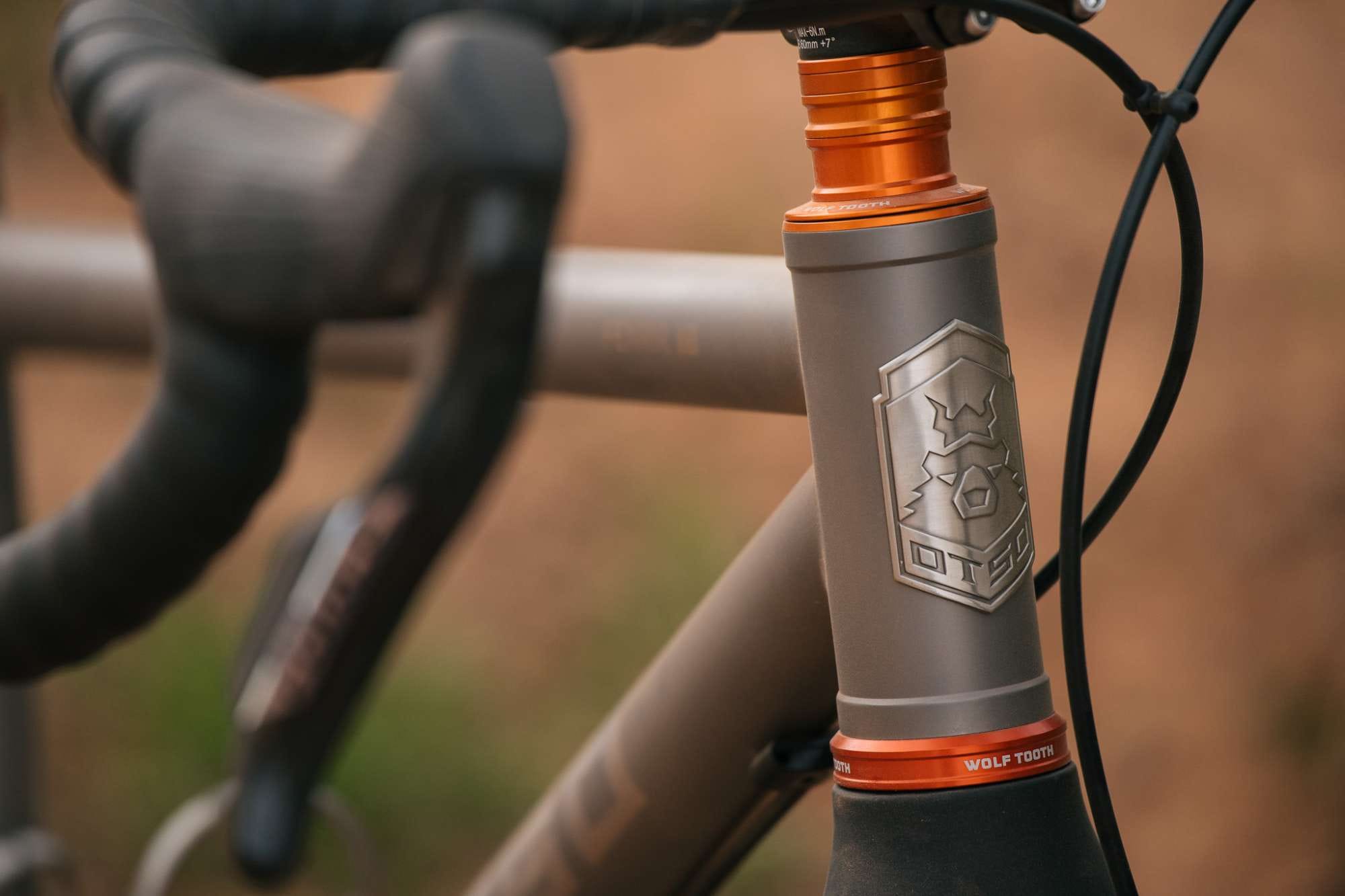
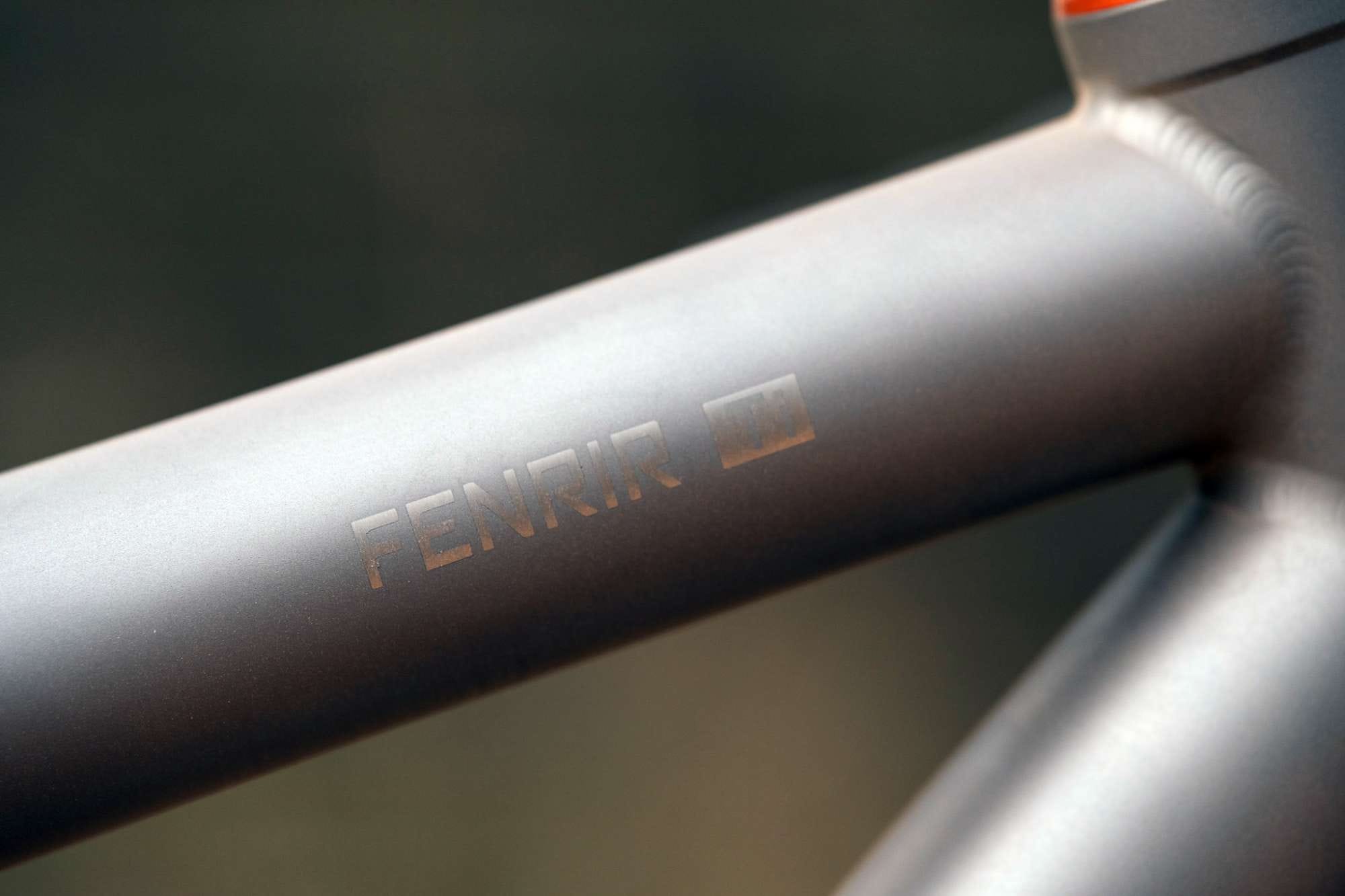
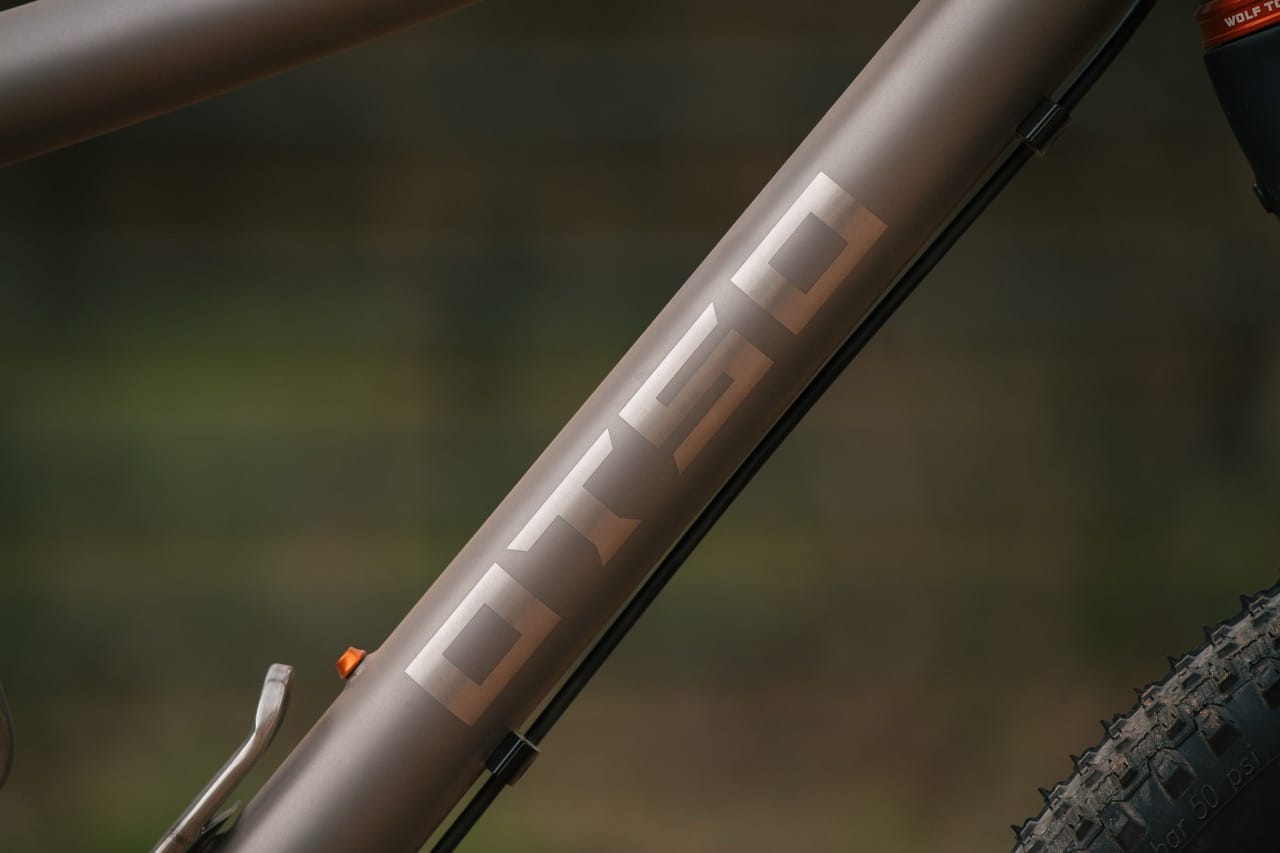
The frame now has a bead-blasted finish with polished logos. It looks cleaner than the previous version. If you care about that, great. If you don't, it's still a silver titanium bike.
TL;DR
- The 2026 Fenrir Ti swaps the adjustable Tuning Chip dropout for a 3D-printed UDH hanger—you gain modern drivetrain compatibility but lose chainstay adjustability.
- Geometry, tire clearance (29×2.6" / 27.5×2.8"), and frame weight (1,923g, size large) are unchanged; this is a spec update, not a redesign.
- At $3,450 for the frame, it's a conservative, U.S.-made titanium touring platform for riders who prioritize durability and load-carrying over aggressive geometry or weight savings.