One Statistic, 3,000 Deaths: Why Hood Height Matters More Than Distracted Driving
The NYT isolated hood height as a predictor of pedestrian death. The methodology matters—and the tradeoff logic applies to every gear decision.

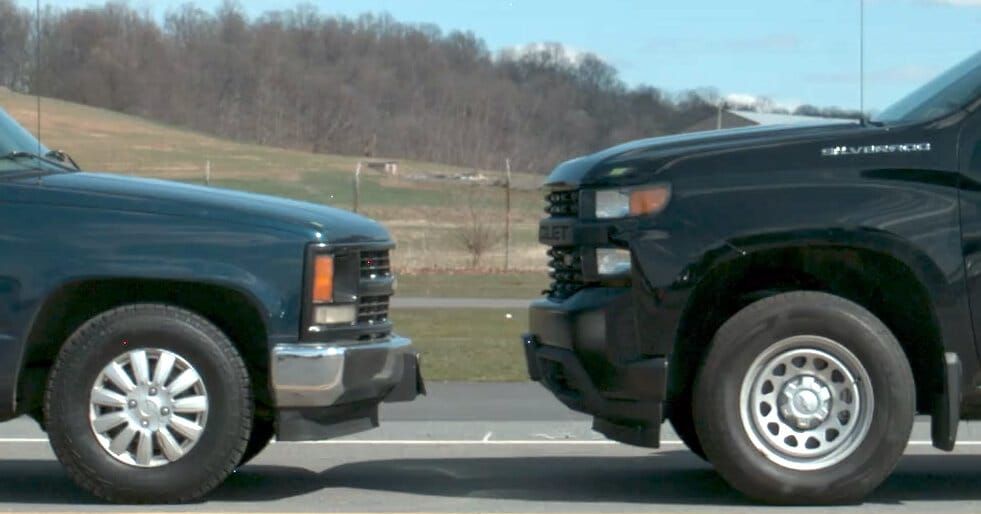
The New York Times published a forensic investigation into why American roads are killing 75% more pedestrians than they did 15 years ago. The answer isn't smartphones or distracted driving. It's hood height. Modern pickups and SUVs now strike pedestrians at chest level instead of the knees, which means you get knocked to the pavement and run over instead of thrown onto a hood designed to absorb impact. The difference in outcome is binary.
What caught me: the researchers built a statistical model isolating hood height from every other crash variable—speed, lighting, alcohol, weather. Hood height remained a statistically significant predictor of death (p = 0.003). For every additional inch, the odds of a pedestrian fatality increase 2.8%. The average hood has risen three inches since 2002. That alone accounts for an estimated 200–400 pedestrian deaths per year.
The concept I'm stealing: unintended lethality from optimizing one variable. In 2009, federal regulators mandated that vehicle roofs withstand three times the car's weight to prevent rollover deaths. Automakers responded with thicker A-pillars. Those pillars now create blind zones that have nearly doubled in some trucks. The Silverado's visibility dropped by 98%. Drivers became safer. Pedestrians outside the vehicle became collateral damage.
"We were very much biasing safety toward the owner of the vehicle."
I think about this every time I spec a bike for mixed-surface use. Wider tires improve traction and comfort, but they add rotating weight and slow acceleration. Aero tube shapes cut drag but trap mud and make the frame harder to clean. Lower gearing helps on steep climbs but leaves you spinning out on descents. You can't optimize for everything. The question is whether you're aware of what you're sacrificing—and whether the people affected by that tradeoff are the same ones benefiting from it.
The piece is worth reading for the methodology alone. The Times scanned trucks with a 3D structured light scanner to measure blind zones, ran crash simulations at 20 mph, and analyzed federal databases most researchers ignore. It's one of the clearest examples I've seen of how to isolate a single mechanical variable from a complex system. Read it here.