Fizik Arione Returns — But the Real Story Is in the Rails
The updated Fizik Arione isn’t about padding. It’s about rail placement and how far forward you can actually sit.

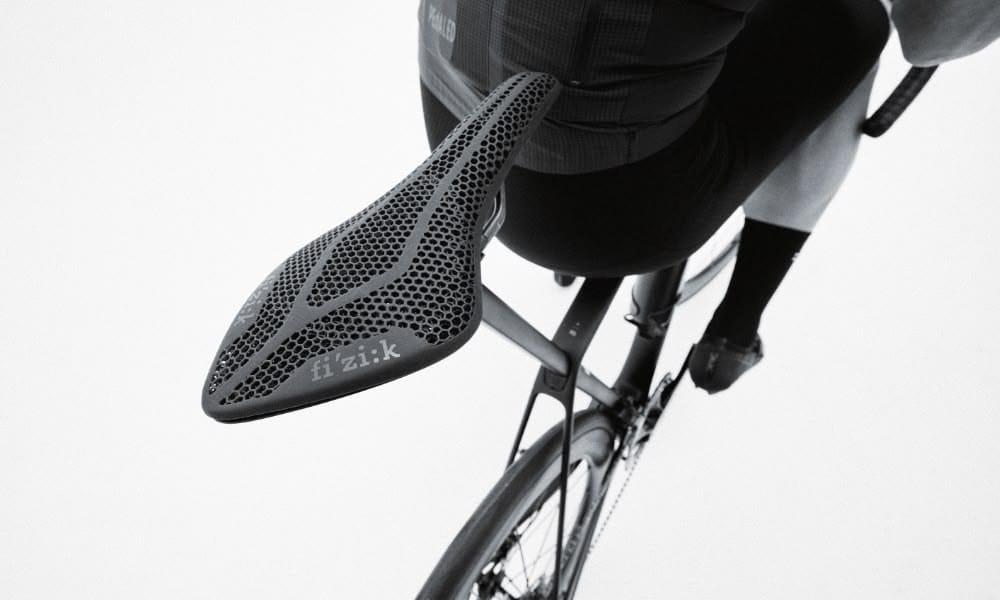
The original Fizik Arione built its reputation on one number: 300mm.
That extra length let pros slide forward without running out of saddle. It wasn’t about comfort. It was about position.
The modern update keeps the long platform, but the spec that actually matters is the vertical rail insertion. Instead of the rails curving back into the shell, they now meet it more vertically. Translation: you can slide the saddle farther forward on the rails before you hit your clamp limit.
For a busy dad trying to squeeze a 60-minute interval session in before work, that matters. A forward saddle position can open your hip angle while staying low in the front. That’s not marketing. That’s joint geometry. It can mean holding threshold without closing your diaphragm like a folding chair.
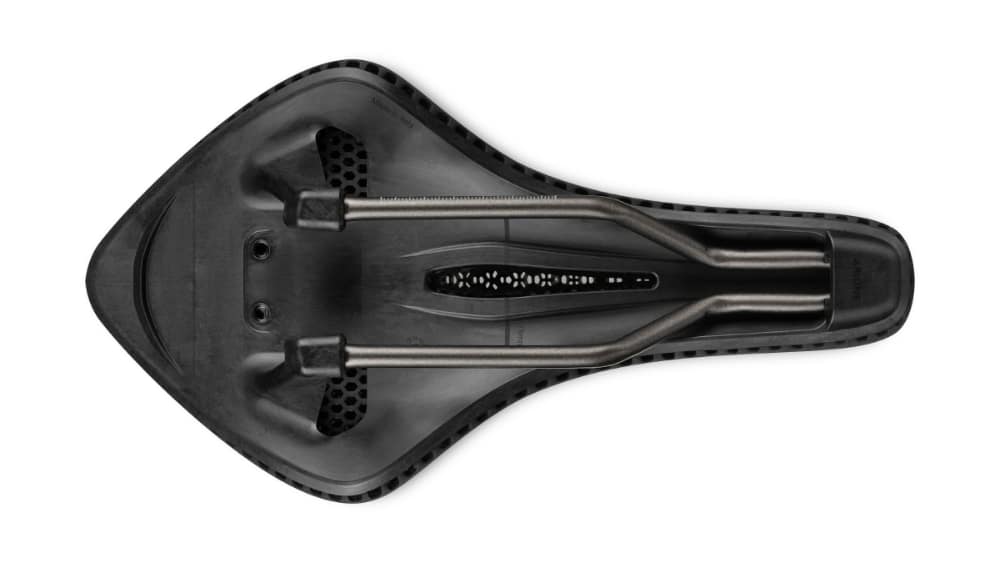
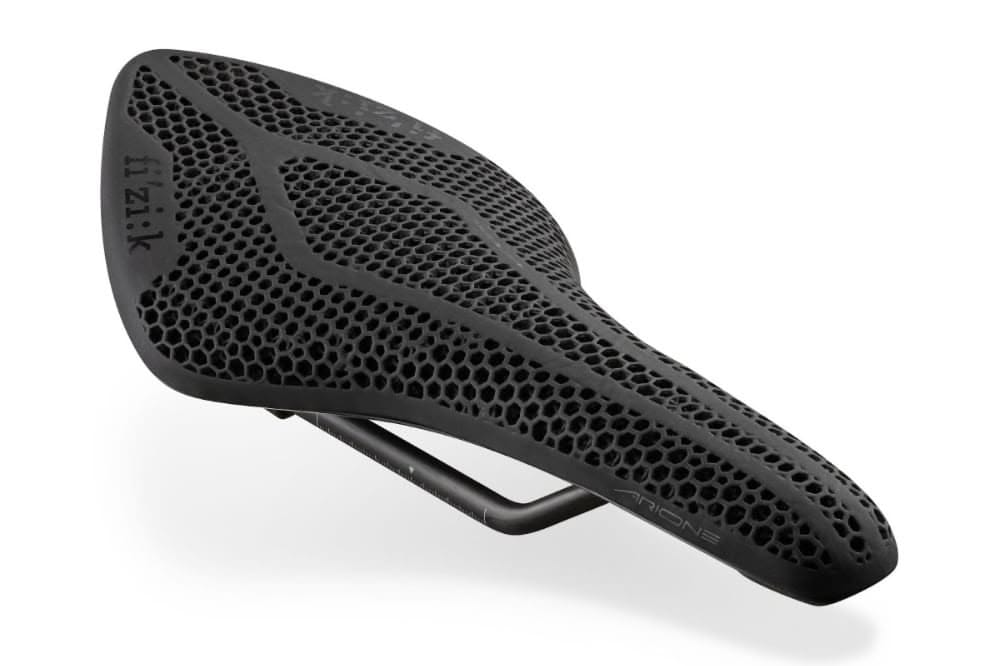
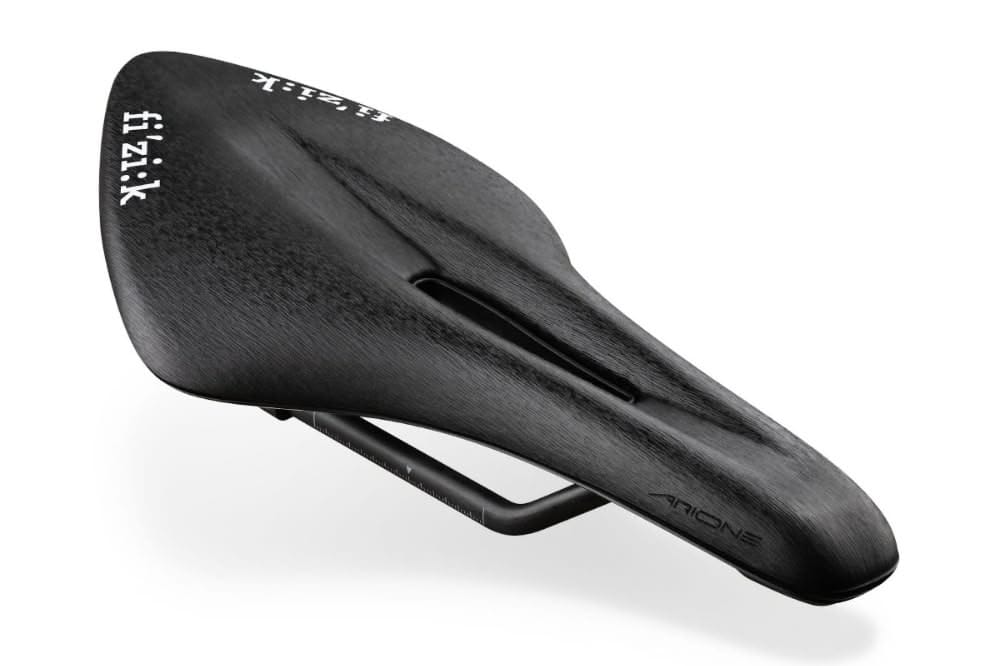
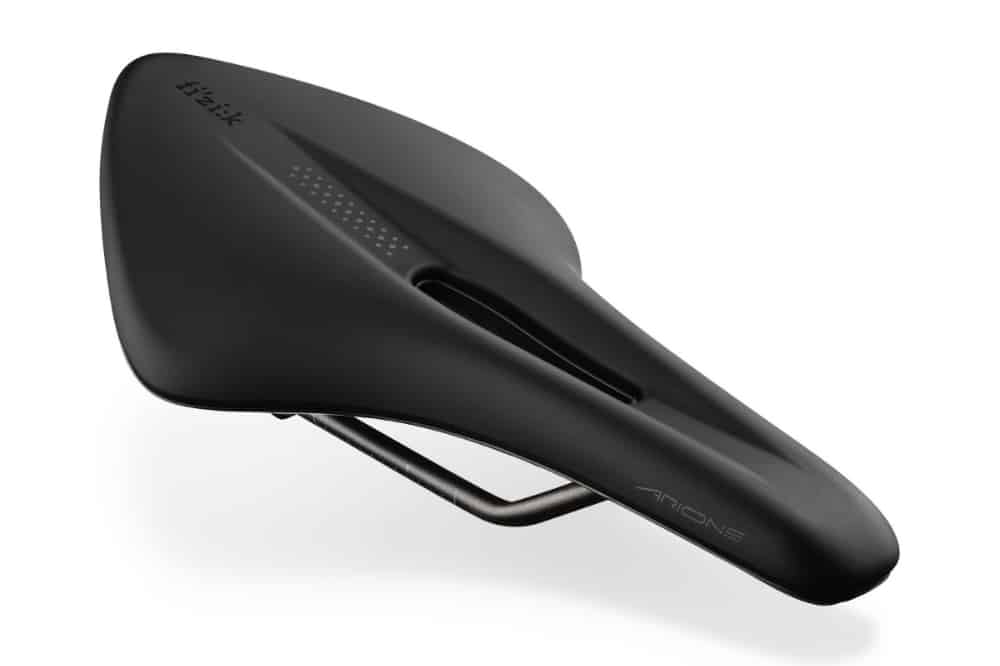
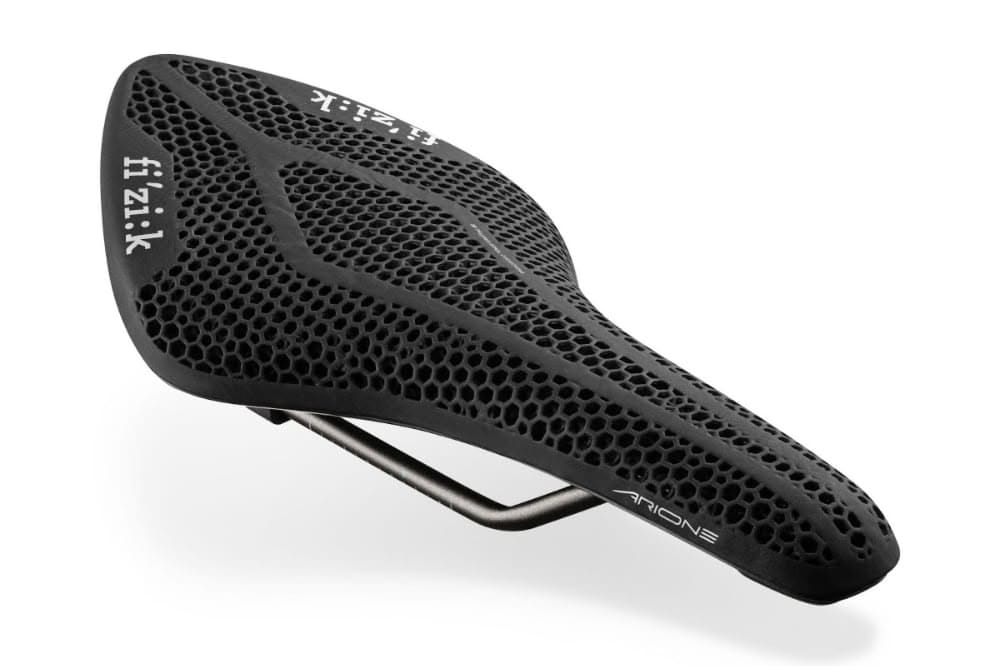
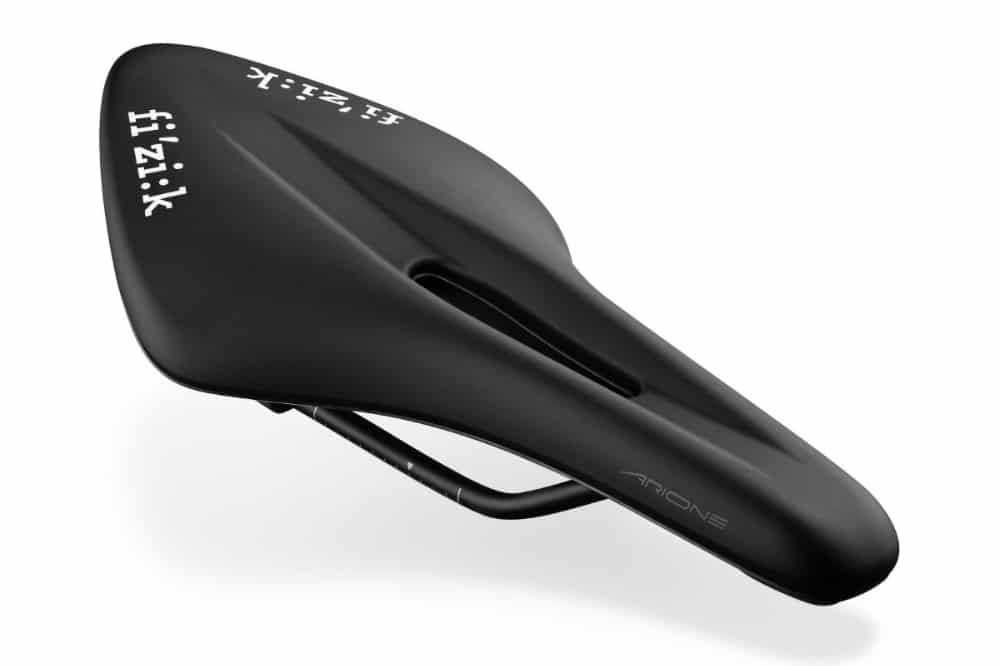
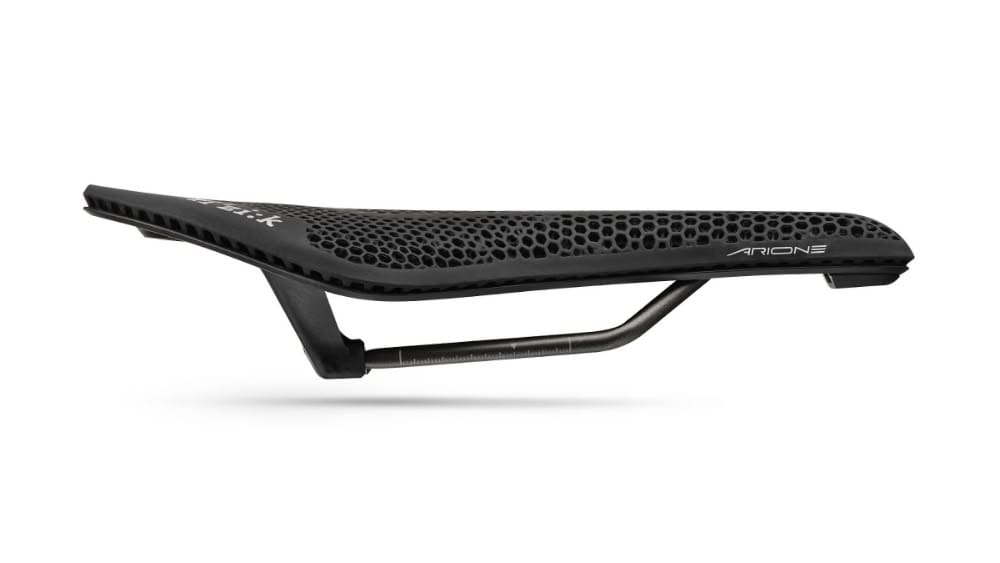
The catch: pushing the saddle forward shifts weight onto your hands. If your core isn’t strong or your bar drop is already aggressive, you might just trade hip comfort for numb palms. This isn’t a free gain. It’s a system change.
I haven’t put miles on it yet, but the spec that matters isn’t the 3D-printed padding or the nostalgia. It’s whether your seatpost clamp and setback give you enough adjustment range to use that forward limit. If you’re already slammed forward, this does nothing.
The Adaptive version claims a reported 60% reduction in peak pressure through zonal 3D-printed padding. I can’t verify that figure, and peak pressure reduction doesn’t always equal better tissue tolerance over three hours. Pressure maps look clean in a lab. Real rides involve sweat, shorts, and micro-movements.
If you’re a data-driven rider, think in constraints.
UCI saddle setback rules.
Seatpost clamp range.
Hip angle at threshold.
This update isn’t about comfort fluff. It’s about positional ceiling. And whether you’re actually bumping into it.