Your First Gravel Race Is a Logistics Problem, Not a Fitness Test
Your first gravel race won't fail from low FTP. It'll fail from a flat you can't fix or a bonk at mile 40. Here's what actually matters.


The thing that ends most first gravel races isn't fitness. It's a flat you can't fix, a bonk at mile 40, or getting lost because you never loaded the GPX file. The expensive bike and the perfectly tuned FTP matter far less than the basics—and most beginners overcomplicate the wrong parts while ignoring the ones that actually derail a race day.
Key Takeaways
- You don't need a dedicated gravel bike—any well-maintained bike with clearance for 40mm+ tires works.
- Tire pressure is one of your biggest performance levers; use a calculator (SRAM and Silca both offer free ones) instead of guessing.
- Carry a flat kit and practice using it before race day. Plugs, CO2, tube, tire lever—know the sequence cold.
- Fueling strategy matters more than training peaks. Know aid station locations, plan your intake, and test it in training.
- Ride actual gravel before the race. Pavement intervals don't teach you how loose corners feel at 25 mph.
- Learn the course from the GPX file—elevation profile, aid station gaps, potential bottlenecks—even if you can't pre-ride it.
The Bike Question
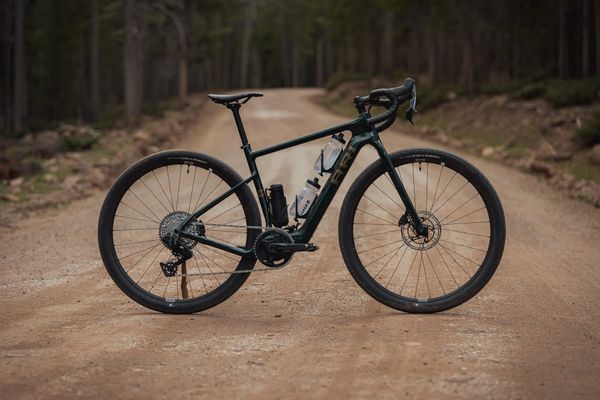
A gravel-specific frame is nice. It's not required. If your current bike can fit 40mm tires and the drivetrain shifts cleanly, you're set. Spending $4,000 on a new build before your first event is a trap—that money would serve you better spread across tires, a proper saddle bag setup, and maybe a coaching block. Get the bike you have into the shop for a tune-up if it's been sitting. That's it.
Tires and Pressure: Where Most Beginners Leave Time on the Table
Run wider than you think. 40–50mm covers most courses. The tread pattern matters less than the pressure you inflate them to—and most riders run too high. A 180-pound rider on 45mm tires might land somewhere around 28–32 psi depending on terrain and casing, not the 45 psi they'd pump a road tire to. Tire pressure calculators exist precisely because the variables (rider weight, tire width, rim width, surface) interact in ways your gut can't estimate. Plug in your numbers, test the result on a training ride, adjust. Lower pressure means more grip in corners, more comfort over chatter, and fewer pinch flats on tubeless setups. It also means slightly more rolling resistance on hardpack—so there's a tradeoff if your course is 80% smooth fire road.
The Flat Kit You Actually Need
Tire plugs. CO2 cartridge and chuck. A tube that fits your tire. Tire lever. Mini pump or electric inflator if you want redundancy. That's the kit. Owning it isn't enough—practice the repair in your garage until it's boring. Fumbling with a bacon strip while 50 riders pass you is a special kind of stress, and it's entirely avoidable. If you're running tubeless (you should be), plugs handle most punctures. The tube is your backup for sidewall cuts or plugs that won't seal.
Fueling: The Unsexy Decider
A good fueling strategy isn't complicated. It's just having one. Know the distance between aid stations. Know roughly how long each segment will take you—not the leaders, you. Plan 60–90 grams of carbs per hour for efforts over two hours, adjusted for heat and intensity. Bottles or hydration pack? Depends on how often you want to reach down on rough terrain versus how much you hate weight on your back. Neither is wrong. Test your setup on a long training ride so race day isn't the first time you discover your gels make you nauseous at hour three.
Course Recon Without the Travel
Most of us can't pre-ride the course. Study the GPX file instead. Note where the climbs stack up, where the descents get technical, where aid stations sit relative to hard sections. Some races don't release routes until the night before—still load it, still scan it. Race director meetings often surface details the route file won't: a washed-out section, a tricky cattle guard, a segment where passing is impossible. Show up to that meeting.
Training: Simpler Than You Think
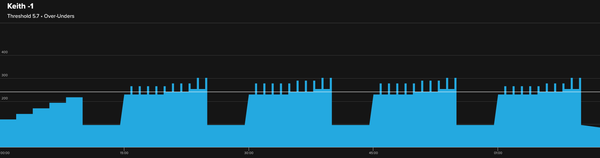
Structured intervals midweek. Longer exploratory rides on gravel over the weekend. That's the framework. The specific workouts matter less than consistency and—this part gets skipped—actually riding gravel before you race on it. Pavement doesn't teach you how a bike handles on loose over hard, or what 35 mph feels like on chunky descent. Two to three months of regular riding is enough to finish most events in the 40–80 mile range. Longer is better. But showing up with time on dirt beats showing up with a perfect FTP and zero off-road hours.
Your first gravel race is a logistics problem disguised as a fitness test. Nail the basics—working bike, correct tire pressure, practiced flat repair, actual fueling plan, course loaded on your head unit—and the fitness you have will carry you further than you expect. Skip them, and no amount of interval work saves the day.