DT Swiss TRACKR SPEED: A $90 Fix for GPS Drift—If Your Hubs Match
DT Swiss TRACKR SPEED mounts to your rear hub for GPS-independent speed data. Rechargeable, 23g, but only fits specific DT Swiss wheels.

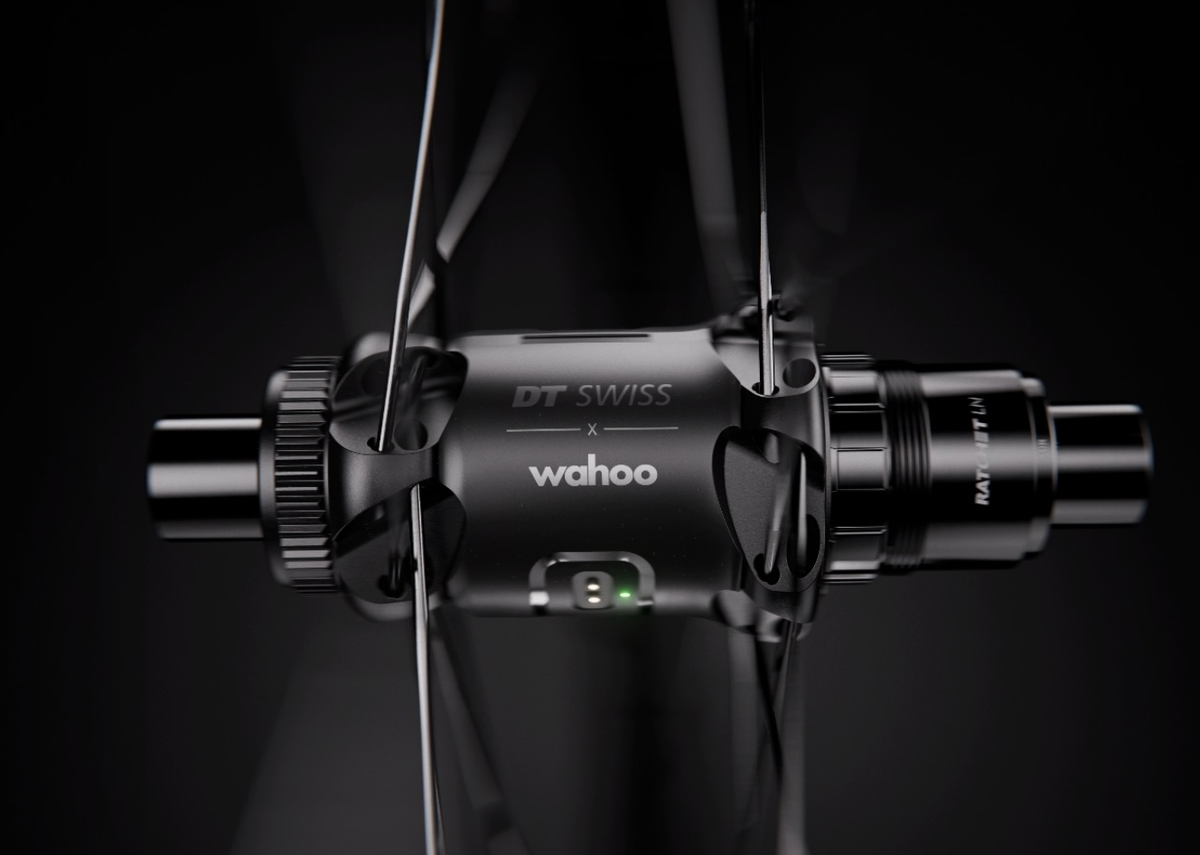
DT Swiss and Wahoo built a speed sensor that mounts directly to your rear hub instead of zip-tying to your fork. The TRACKR SPEED clips around compatible DT Swiss hub shells—either DICUT or SPLINE versions—and reads wheel rotation through a 3-axis accelerometer. At 23g with IPX7 water resistance, it's meant to disappear into your build.
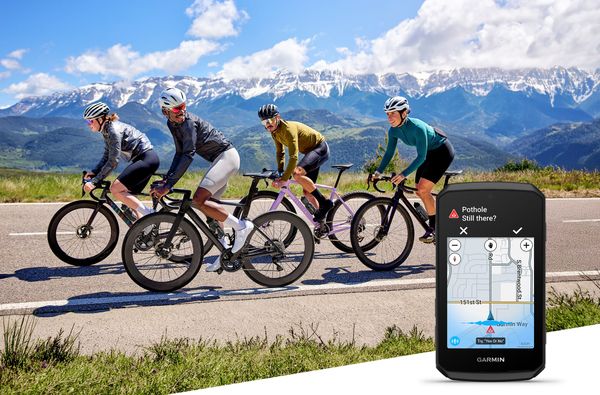
The practical case is GPS drift. Tunnels, urban canyons, dense tree cover, switchbacks under cliffs—anywhere satellite signal degrades, your head unit starts guessing. A hub-based sensor doesn't guess. It counts rotations. For riders who train by pace or use speed data for power estimation on non-power bikes, that accuracy gap matters more than you'd think until you're staring at a Strava segment that shows you "rode" through a building.
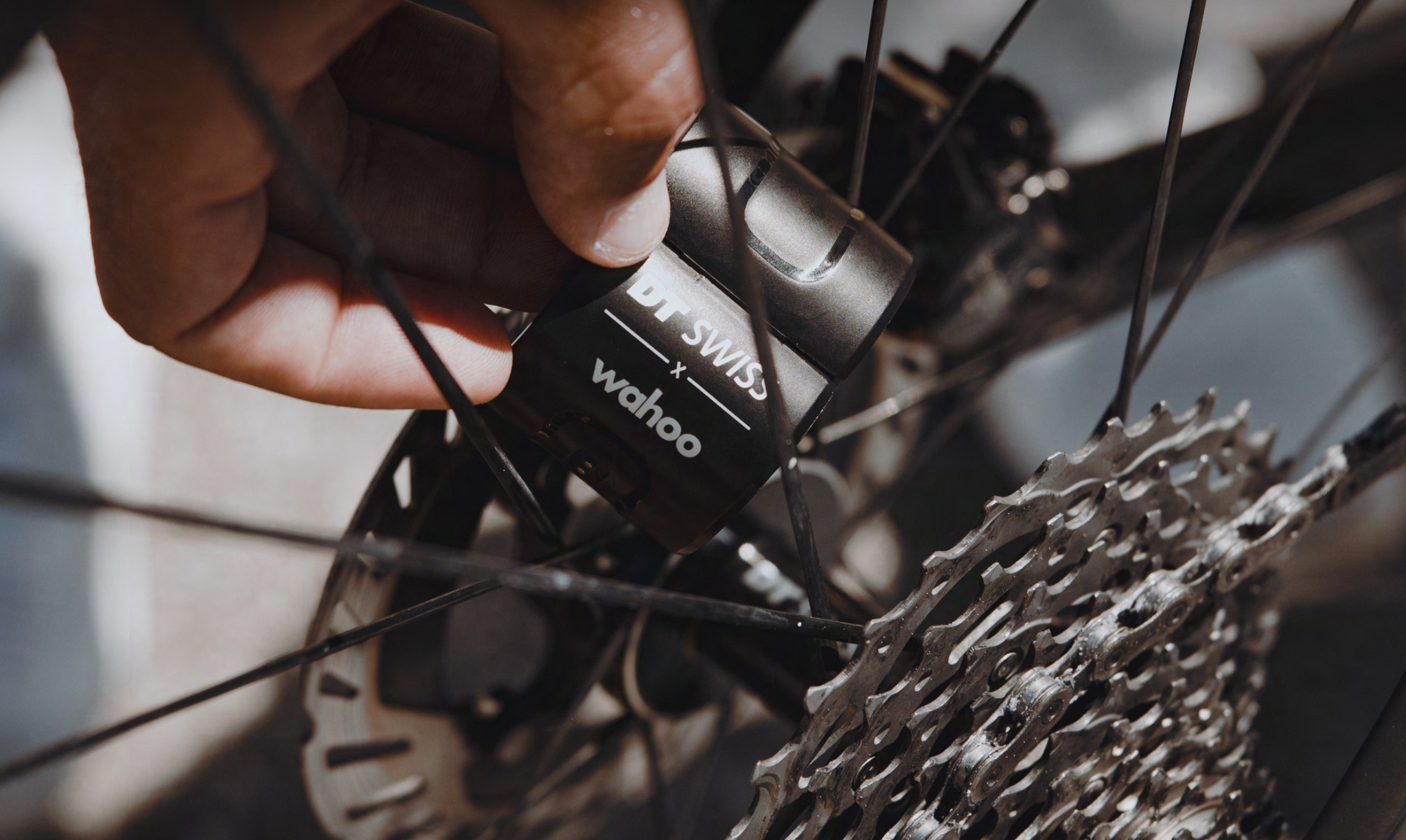
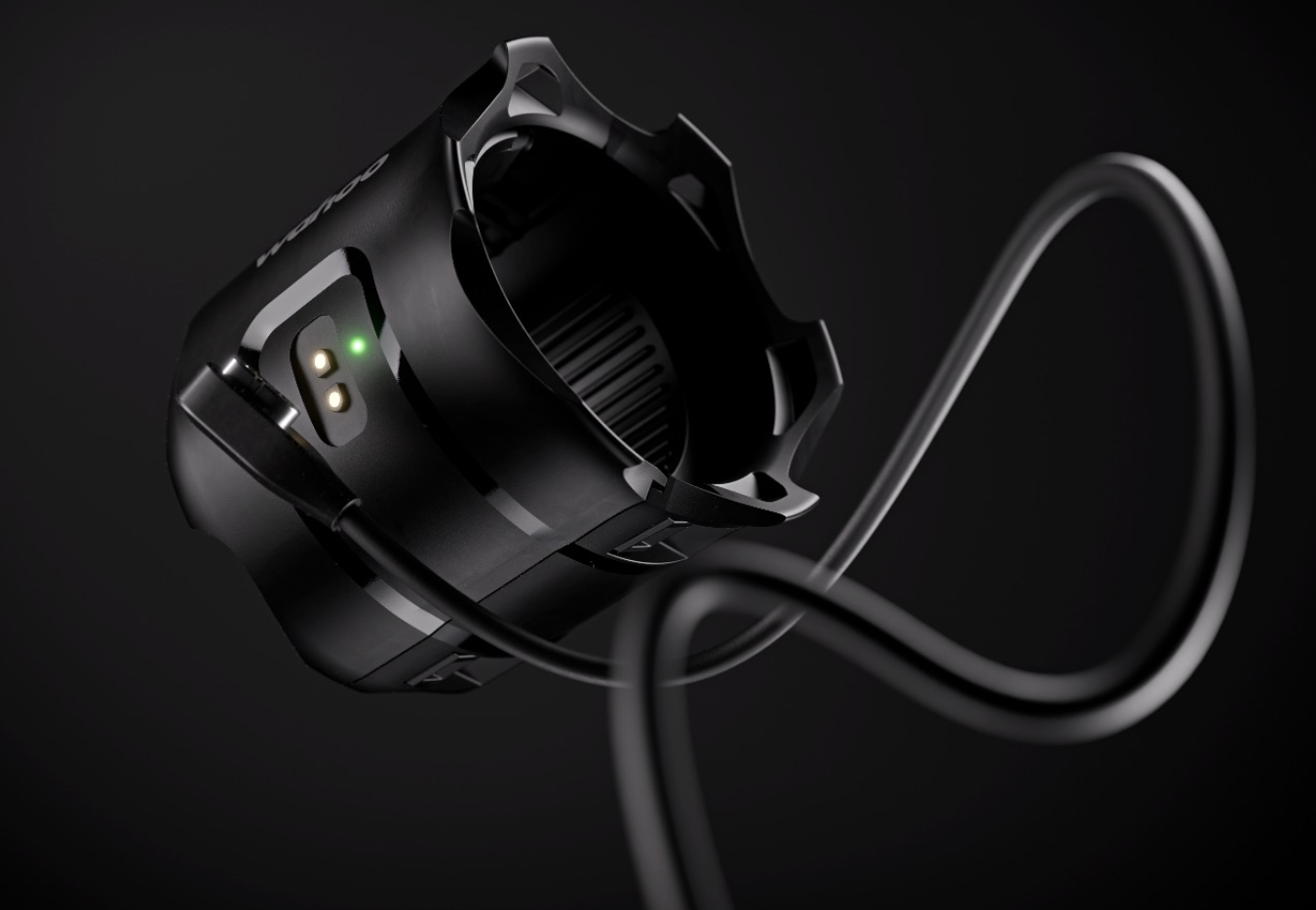
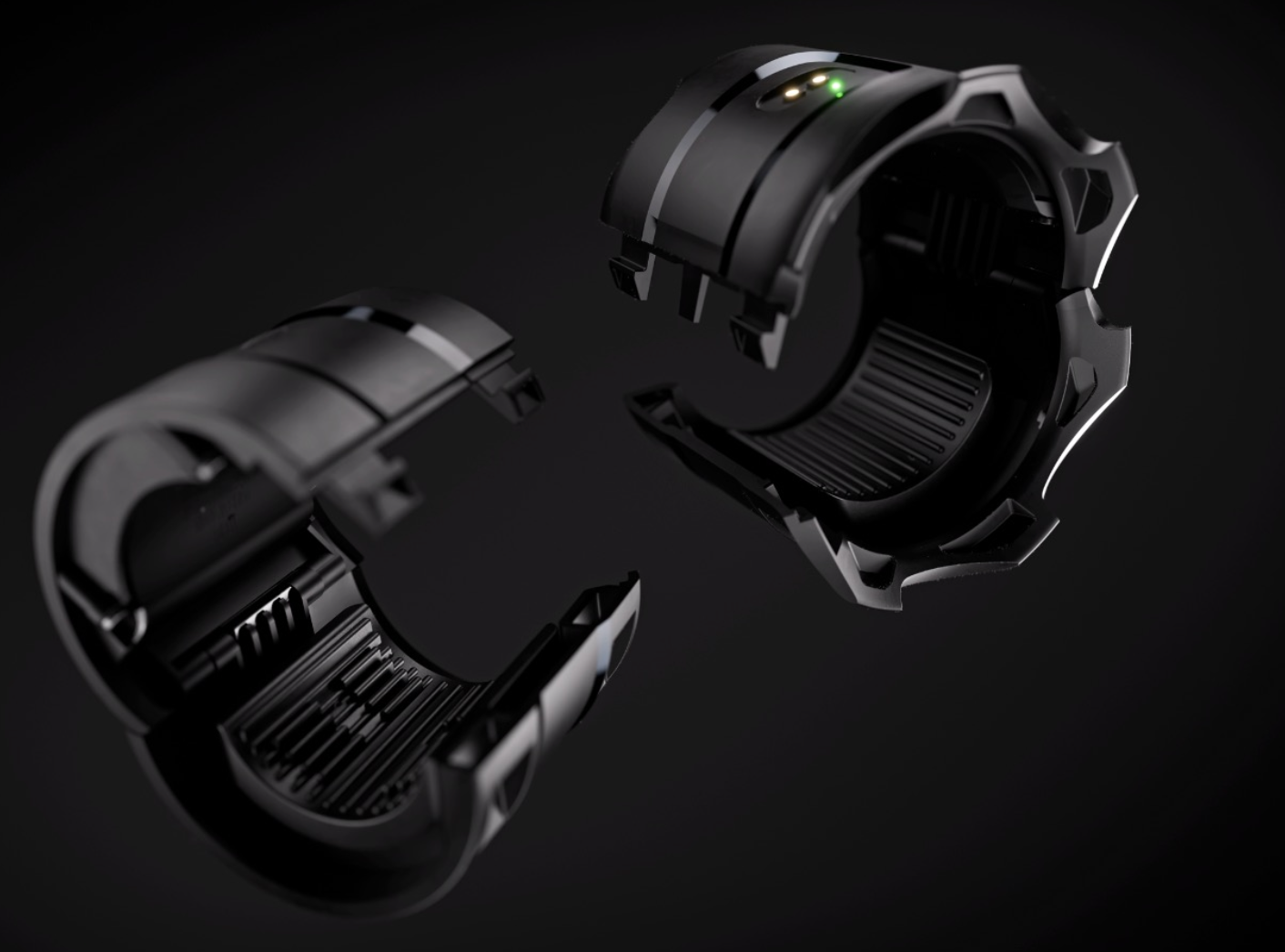
The rechargeable battery is the real quality-of-life upgrade over coin-cell sensors. DT Swiss claims 94 hours of ride time, which means weekly charging for most of us—annoying if you forget, but cheaper and less wasteful than burning through CR2032s. The magnetic charging cable is sold separately at $22, though, which feels stingy given the sensor's $90 price tag. Budget accordingly.
Compatibility is the constraint worth checking twice. This isn't a universal sensor. It requires specific DT Swiss hub shells: 1100 and 1400 DICUT wheels, 350 SPLINE hubs, and the newer 1800 series. If you're running older DT Swiss wheels or a different hub brand entirely, this doesn't exist for you. DT Swiss also offers a G 1800 SPLINE rear wheel bundled with the sensor at $428—a 920g aluminum tubeless-ready rim with 36T ratchet engagement and freehub options for XDR, Shimano Road, or Micro Spline Road. Decent entry-level gravel wheel if you're due for an upgrade anyway.
The TRACKR SPEED connects via ANT+ and Bluetooth, so it plays with Wahoo units, Garmin, smartwatches, or phone apps. That flexibility makes it interesting for minimalist setups—riders who want Strava data without a dedicated computer. Whether $90 plus a charger is worth it over a $25 spoke magnet sensor depends on how often your routes test GPS and how much you hate fishing dead batteries out of a sensor pod.