Campagnolo Record 13: The Fastest Shifting Just Got Cheaper
Campagnolo Record 13 brings the fastest wireless shifting to a broader price point. Same platform as Super Record, 200–340g heavier, €1,000+ cheaper.

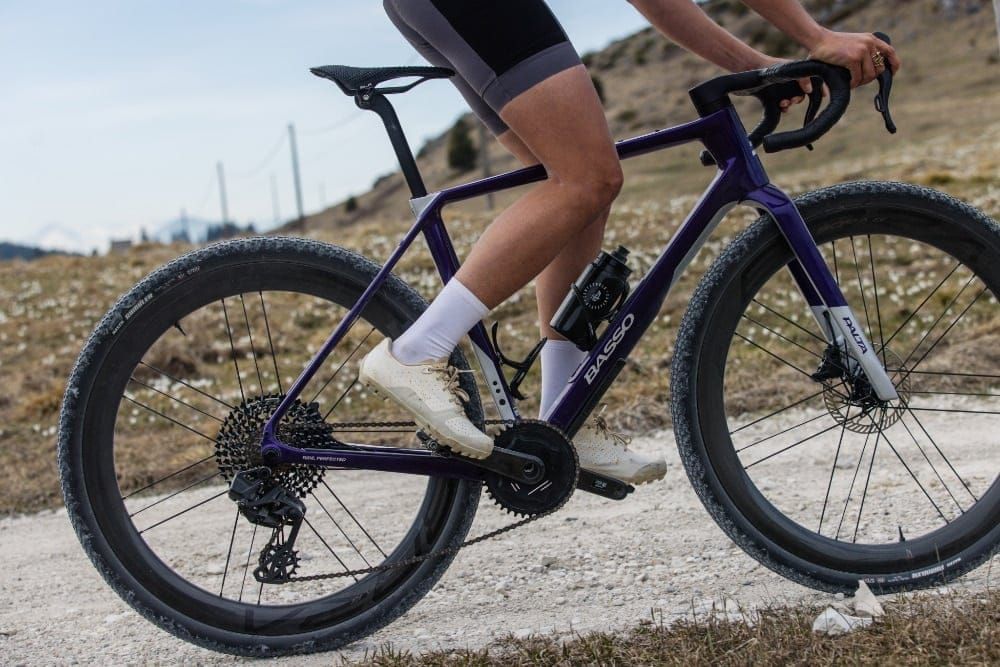
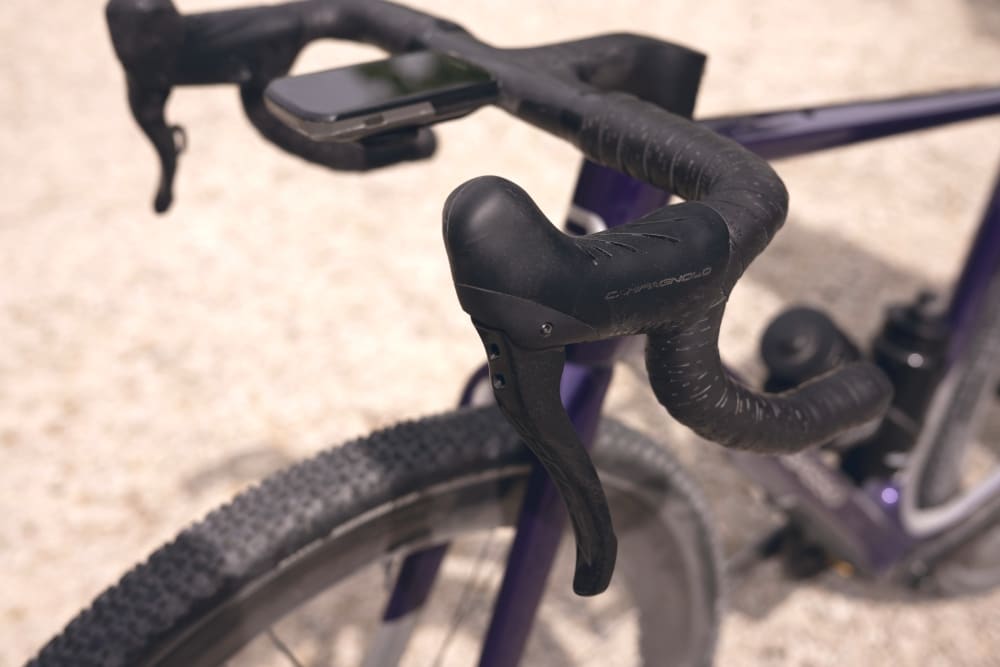
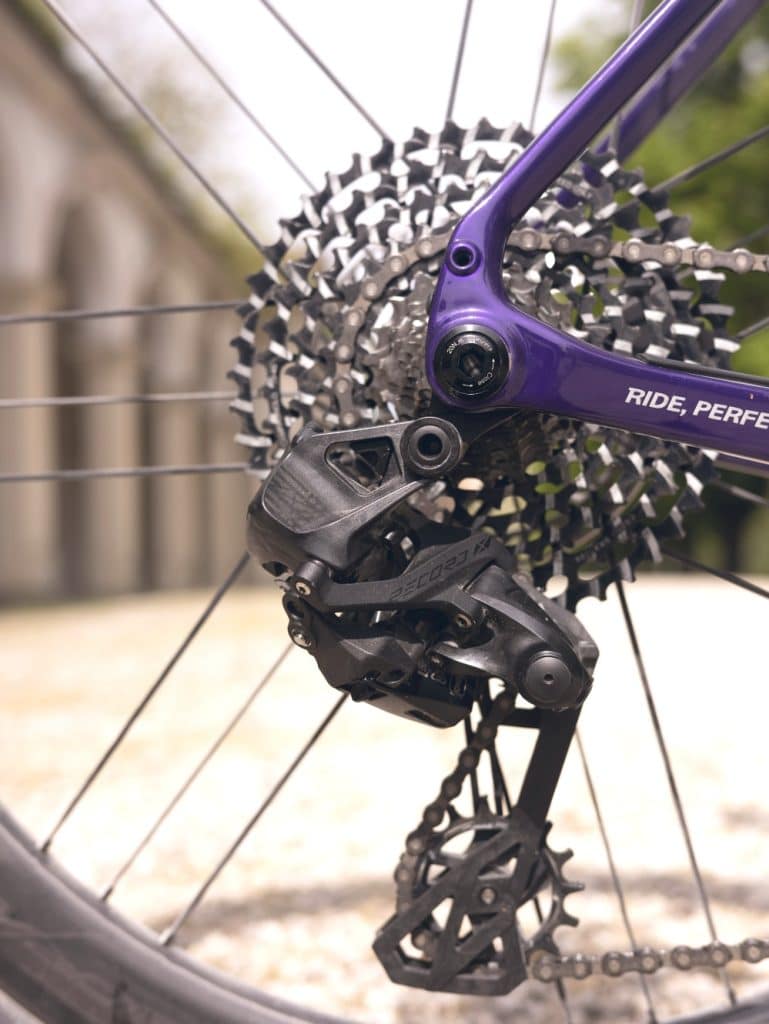
Campagnolo just made 13-speed wireless accessible. Record 13 shares the same architecture, shifting speed, and cassette progression as Super Record 13—the group that's been clocking faster shifts than SRAM or Shimano in independent testing. The difference is material: stainless steel axles instead of titanium, carbon-reinforced polyamide derailleur bodies instead of full carbon, and a low-density polymer fill in the crank arms where Super Record goes hollow. You gain 208–342 grams depending on configuration. You save €1,000–1,500.
Here's what actually matters if you're deciding between this and SRAM Red or Dura-Ace Di2: the cassette progression. Campagnolo's 13-speed spacing puts you in the right cadence more often, especially in the 16–21T range where most of us live during tempo or threshold work. The 10-33 and 11-36 road cassettes offer tighter jumps than a 10-33 12-speed. If you're the kind of rider who notices a 2-tooth gap at 95 rpm, this is the spec that matters.
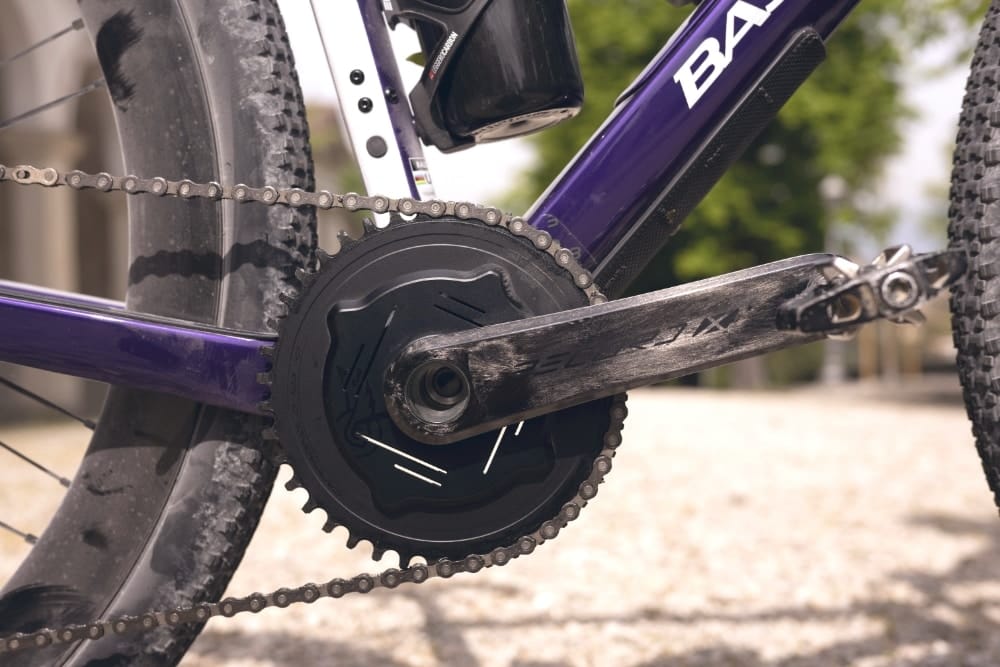

The catch: you're buying into a smaller ecosystem. Campagnolo's app won integration awards, but you won't find Record 13 parts at every shop, and the cassette/chain are proprietary to the 13-speed platform. If you break something mid-tour in rural anywhere, you're ordering online. Also, the power meter option is ±2% accurate—fine for training load tracking, but if you're used to ±1% from a Quarq or Stages, that's a noticeable tolerance band when you're dialing in intervals.
Five configurations launch simultaneously on April 29, 2026—2x road, 1x road, 2x all-road, and two gravel variants with the Nano Clutch derailleur that handles up to a 48T cassette. Pricing starts at €2,129 for 1x gravel, €2,699 for 2x road. Add €600 for the integrated power meter. That positions it between Ultegra Di2 and SRAM Red pricing, but with shifting kinematics that—on paper and in early testing—are faster than either.
I haven't put miles on it yet, but the spec that matters is the derailleur actuation speed and the cassette progression. If those hold up in real conditions—wet shifts under load, chain retention on rough pavement—this becomes the value play in the high-end wireless category. If they don't, you paid for Italian manufacturing and a tighter gear range you didn't need.