The 2026 Esker Lorax: Steel, Tariffs, and the Mathematics of Cheap
The 2026 Esker Lorax drops its frameset price to $1,250 by skipping the paint. Here is the mechanical rationale behind the raw steel and who it's actually for.

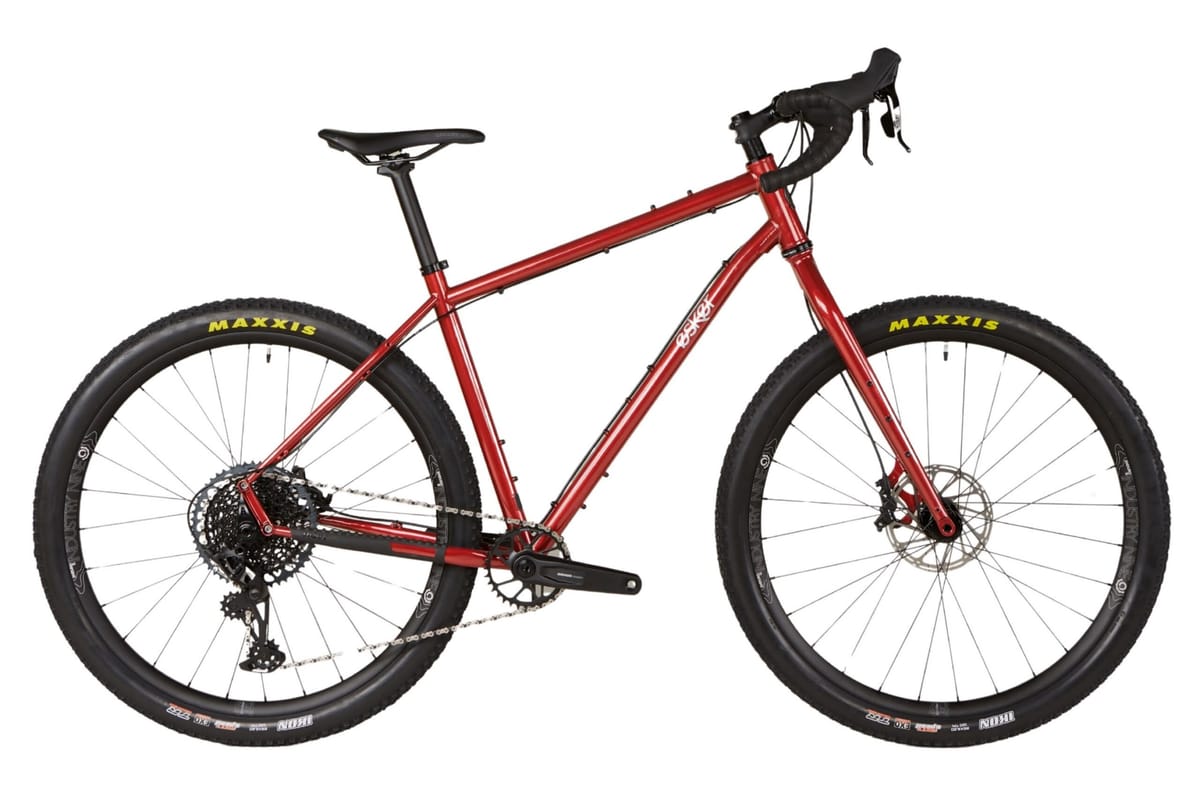
Bicycle pricing has become unmoored from reality. Manufacturers blame tariffs and supply chains, quietly pushing mid-tier gravel bikes into used-sedan territory. Esker took a different route with the 2026 Lorax. Instead of carbon fiber geometry tweaks, they stripped the paint. Literally.
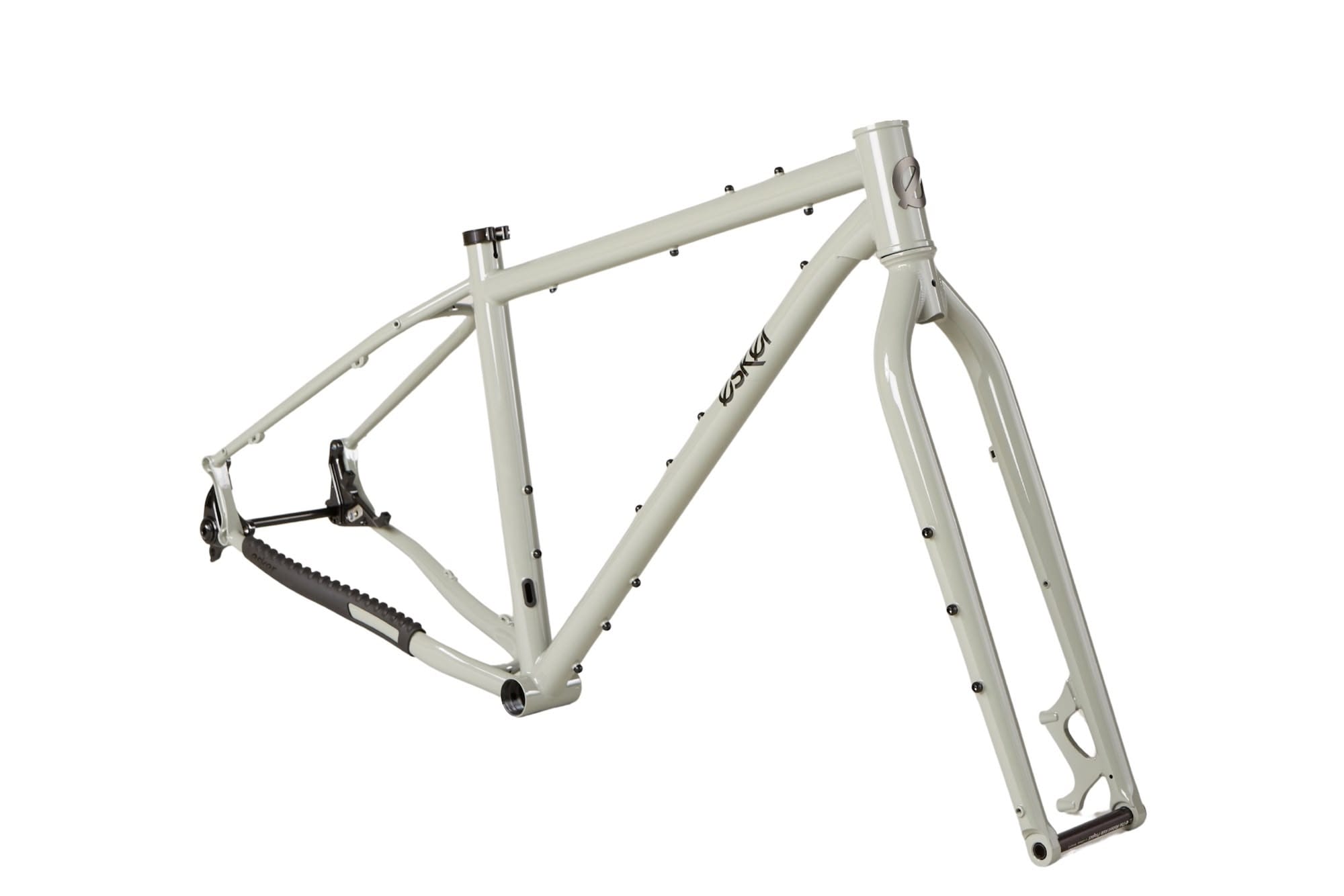
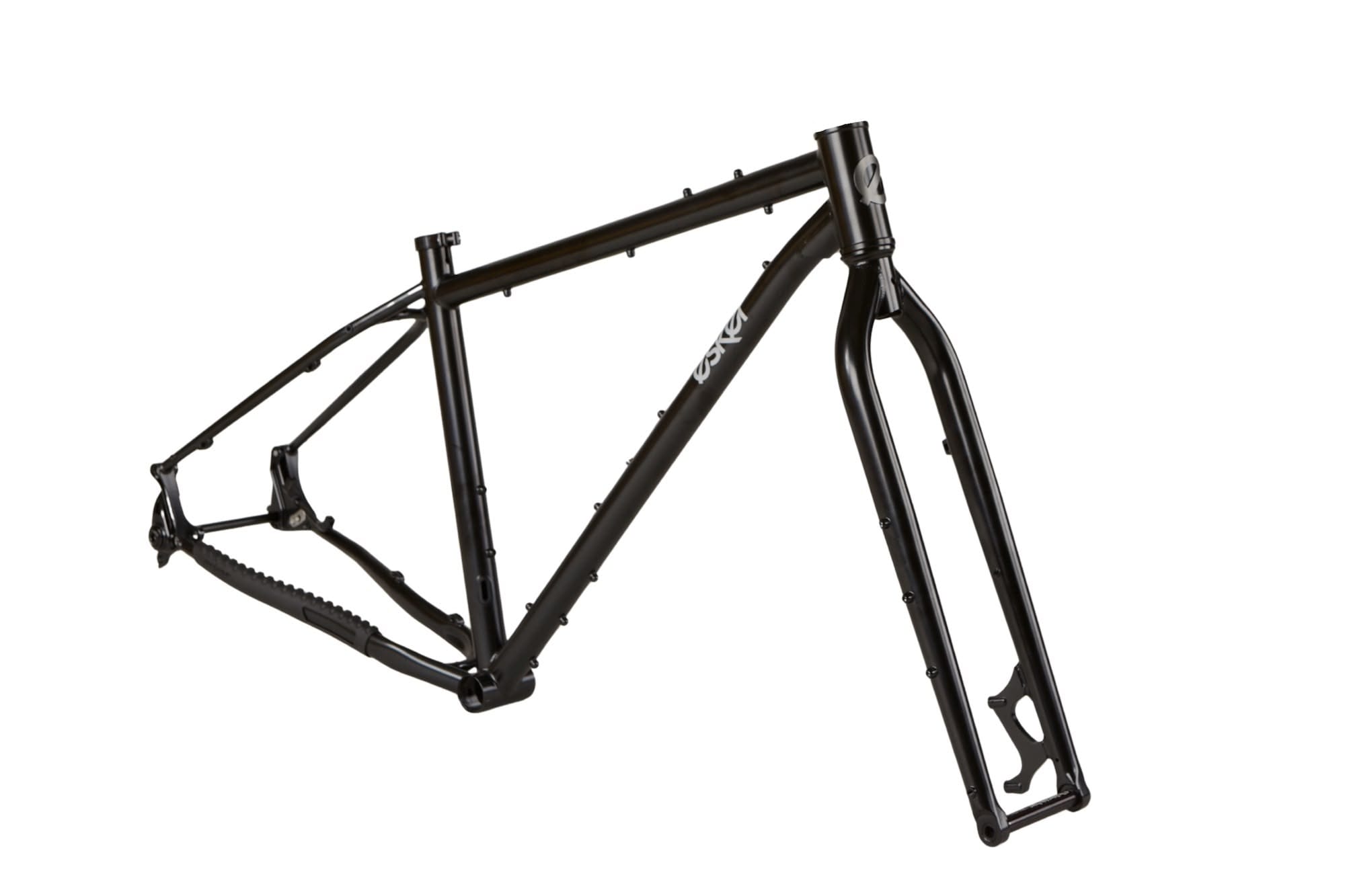
Paint is expensive. It requires prep, masking, application, curing, and strict environmental controls. By offering the Lorax in a bare "Darkness" finish, Esker relies entirely on the underlying ED (electro-deposition) coating. Think of ED coating like a systemic prophylactic antibiotic for steel. Instead of a topical barrier that scratches off, an electrical current binds the anti-corrosive layer directly to the chromoly on a molecular level. It stops rust before the oxidation cascade can begin. The frame looks raw, but it is structurally shielded.
Here’s the catch: raw ED coating shows scuffs, dust, and grease marks faster than a glossy clear coat. You are trading aesthetics to hit a $1,250 frameset price. I haven't put miles on this specific rigid fork yet, so I can't verify if it rides softer than carbon, as Esker claims. That sounds like a stretch for 4130 chromoly.
What does this mean for a normal schedule? It means a lower barrier to entry for backcountry routes. If you're trying to squeeze in base miles for a 5,000-mile year or prepping a rig for a spring break trip out to Moab, a $2,200 complete build leaves budget left over for gas. The external cable routing means you'll spend twenty minutes swapping a housing instead of an hour bleeding hidden hydraulic lines while a 6-year-old and 10-year-old dismantle your garage. The mechanical snap of the spec'd Microshift lever isn't luxurious, but it's aggressively reliable when your hands are cold.
The 2026 Lorax is a tool, not a trophy. It uses a threaded bottom bracket and a UDH standard, ensuring you can find parts in five years.
If you're chasing ultra-light race times or care about matching anodized bolts, ignore this bike. If you view bicycles as utilitarian vehicles for disappearing into the woods, the math works.
TL;DR
- Prices start at $1,250 for the frameset and $2,200 for the complete build by skipping standard paint in favor of a bare ED coating.
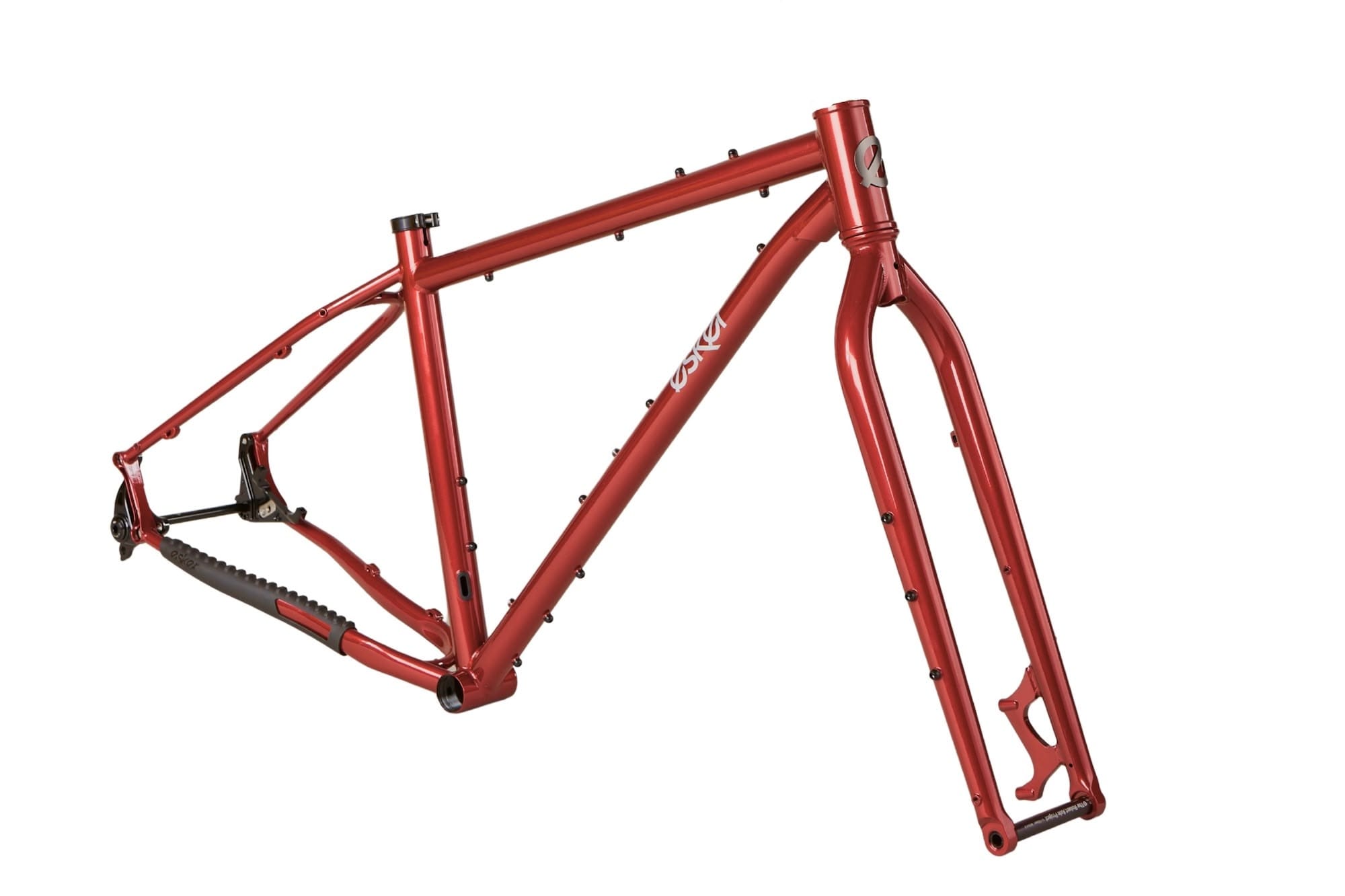
- The new steel "Fork Yeah!" fork clears 29x3.0" tires and features 3-pack mounts, low-rider rack mounts, and crown eyelets.
- External routing, mechanical brakes, and a threaded bottom bracket prioritize field repair over showroom integration.