New Paris Roads, Gravel Circuits, and Auto-Syncing Scales: What Actually Matters in Zwift's 2025 Roadmap
Zwift's spring roadmap: Paris expansion, week-ahead planning, outdoor integration, and auto-syncing scales. What works, what's missing, and the catches.

Zwift just dropped their spring/summer roadmap, and for once, the updates aren't just cosmetic. If you've been treating Zwift like a winter-only pain cave, or if you're trying to squeeze training into the margins of a busy week, a few of these changes actually matter.
Here's what's coming, what works, and where the gaps still are.
Paris Gets the Montmartre Climb (June 26)
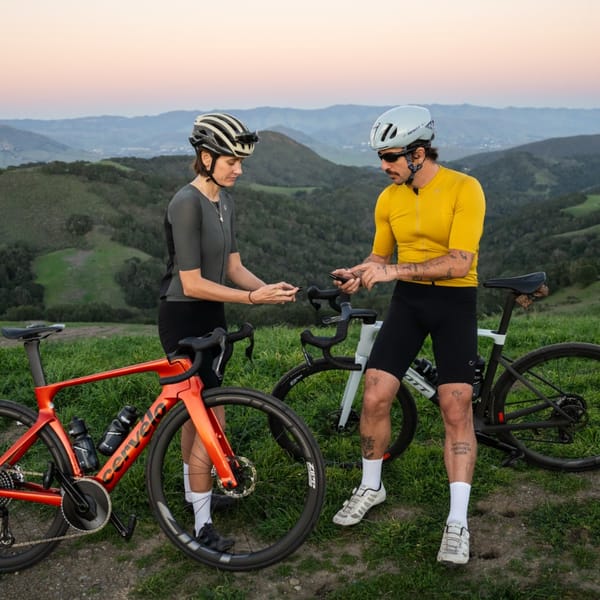
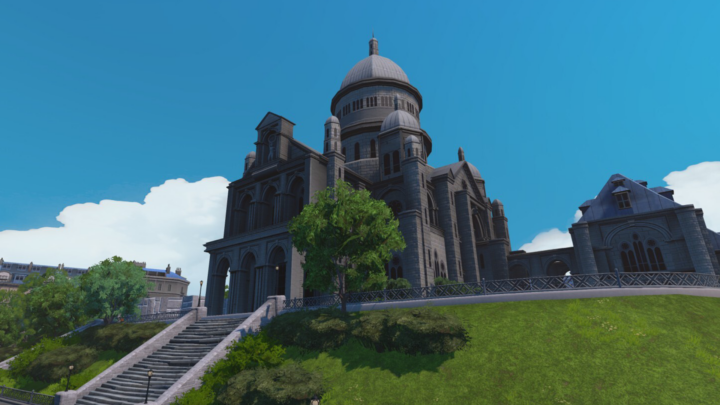
The Paris map is finally getting the cobbled climb to Sacré-Cœur—13km of new roads, including the route from the 2024 Olympics and 2025 Tour de France. This isn't just window dressing. The existing Paris loop has been stale for years, and this expansion adds short, punchy efforts that actually mimic real racing.
The catch: it's still event-locked at launch. You won't be able to free-ride the full circuit until Zwift decides to open it up, which they haven't committed to yet. If you're someone who prefers structured routes over drop-in events, you're waiting longer.
But the potential here is real. Paris has always felt like a missed opportunity—too small, too repetitive. Adding Montmartre and the surrounding roads gives you options for short, high-intensity sessions without defaulting to Watopia for the hundredth time.
Gravel Mountain: Event-Only, Short-Loop Format
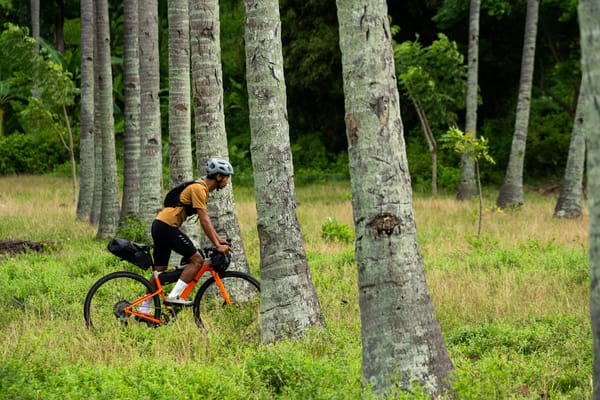
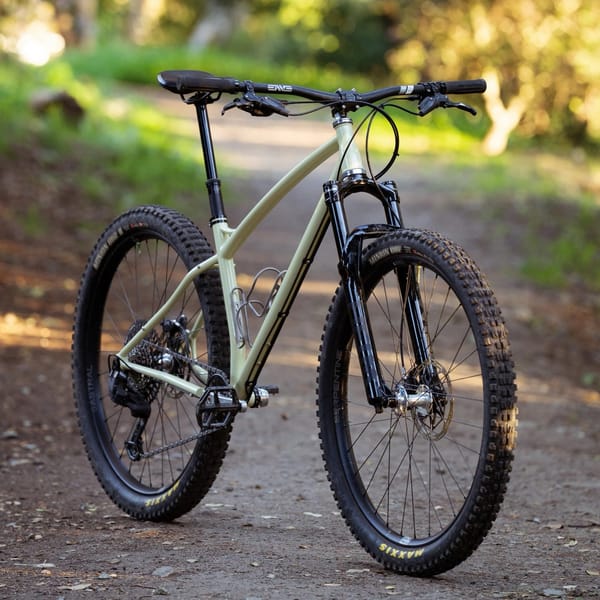
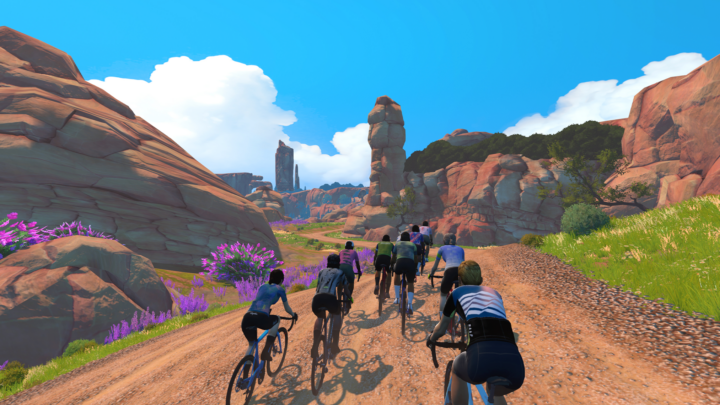
Starting April 6, there's a new gravel circuit in the Makuri Islands. Red rock environment, wide roads, corner berms, designed specifically for gravel bikes. It's event-only, meaning you can't just hop on and ride it whenever you want.
This is where Zwift's approach gets frustrating. If you're trying to fit a ride into a 30-minute window between work and dinner, you're at the mercy of the event schedule. The first opportunity to ride Gravel Mountain is during the Pas Normal Studios Racing Series (April 6–May 3), with hourly races. If that doesn't align with your calendar, you're out of luck.
The upside: it's a short-format circuit, which means multiple laps and predictable pacing. If you're training for gravel events or just want to break up the monotony of road workouts, this could be useful. But I can't verify how the gravel physics actually feel—Zwift hasn't released details on whether tire choice, power output, or bike handling changes meaningfully on this surface.
Week-Ahead Planning (Late April)
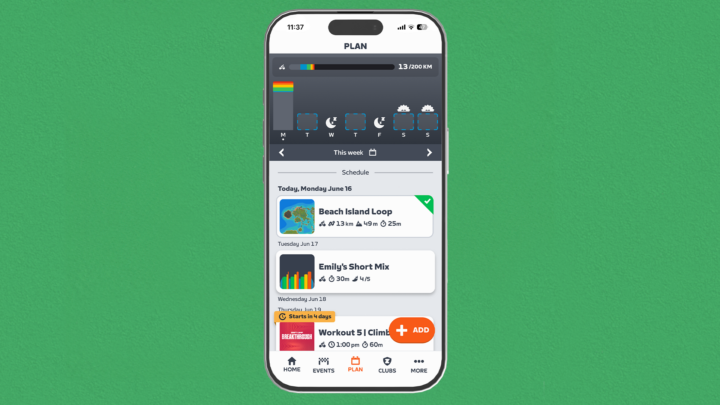
This is the update that might actually save you time. Starting in late April, you can schedule routes, workouts, events, and Robopacer rides for the week ahead in the Companion app. If you're already using TrainerRoad or Xert, those workouts auto-populate. If you're not, you can manually add cycling/running events, challenge tasks, or specific routes.
Why this matters: if you're juggling kids, work, and trying to hit 6–8 hours a week, planning ahead means you're not staring at the Zwift menu at 5:30 a.m. trying to decide what to do. You've already committed. The friction drops.
The limitation: it's only one week out. If you're someone who plans training blocks a month in advance, this doesn't replace a real calendar. And Zwift still hasn't integrated with Apple Calendar or Google Calendar, so you're managing two systems.
Personalized Recommendations Now Include Outdoor Rides
Zwift's recommendation engine—called "Next Up"—has been rolling out for months. It pulls from your CTL, fitness score, FTP, recent ride history, and the types of workouts you tend to do on certain days (longer on weekends, shorter midweek, etc.). Starting in late April, it'll also suggest outdoor rides.
Here's what they're using to power recommendations:
- CTL (Chronic Training Load)
- Fitness Score
- Imported activities from Garmin, Wahoo, Hammerhead (bike/run only, not other cardio)
- Day-of-week patterns (e.g., you always do long rides on Saturday)
- 30-day and 90-day averages
- Your stated goals in Zwift
- FTP profile relative to all of the above
If you're connected to a third-party plan like TrainerRoad, Zwift defers to that plan. It won't override a rest day or suggest a workout when you've already got one scheduled. That's smart—nothing worse than conflicting training signals.
The outdoor recommendation piece is intentionally basic at launch. Zwift is clearly aware of Strava's recent mess around AI-generated route suggestions, so they're starting simple: just a nudge to ride outside, with credit still flowing back into your Zwift fitness tracking.
Here's the catch: I can't verify how well this actually works for someone with inconsistent training patterns. If you're a shift worker, or your schedule changes week to week, it's unclear whether the algorithm adapts fast enough or just keeps suggesting the same ride type on the wrong day.
Beyond Level 100 (April)
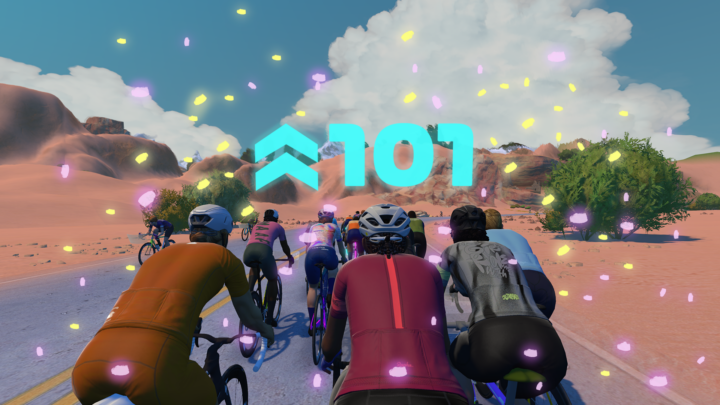
The level cap is gone. Cycling levels now extend into the "multiple hundreds," and running levels go from 30 to 50. Once you hit Level 100, you get an orange stripe on your profile and in-game name tag. That's it—no new unlocks, no gear, no special routes.
Zwift estimates that the top riders might hit Level 200 within a year, but we're talking single-digit numbers of people globally. For most of us, this is irrelevant.
The reason it matters at all: Zwift is trying to keep the Level 100 milestone meaningful while giving the most dedicated users something to chase. If you're someone who's been at Level 100 for years and felt like progression was dead, this gives you a reason to keep logging miles. If you're not there yet, nothing changes.
Expanded HUD Customization for Workouts (May)
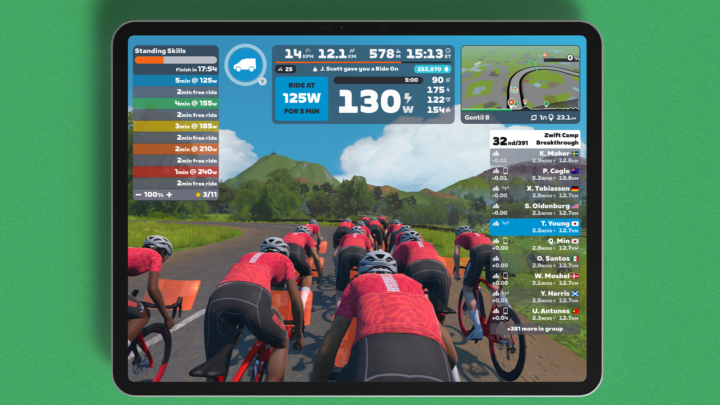
In May, you'll be able to customize four data fields during workouts, choosing from 13 biometrics: cadence, average power, heart rate, energy burned, power-to-weight, kilojoules, stress points, core temperature, heat strain index, weighted power, power balance (L/R), and average W/kg.
This is separate from the always-on fields (current power, target power, HR, time, distance). It's also only for workout mode, not free rides or events.
If you're someone who cares about L/R balance or core temp (via a CORE sensor), this is useful. If you're just trying to hit intervals and not overthink it, the default fields are fine. The limitation: you can't save multiple HUD profiles for different workout types. So if you want different fields for VO2max intervals vs. endurance rides, you're manually swapping them every time.
Garmin Scale Weight Sync (Fall 2025)
Zwift confirmed that Garmin Index Scale weight sync is coming this fall. Withings scale sync, which has been broken, is being fixed now and should be backfilled by next week.
Why this matters beyond racing fairness: if you're losing weight but your power stays flat, your watts/kg is actually improving. But unless you manually update your weight in Zwift, the platform thinks you've stagnated. Automatic sync ensures your fitness trends are accurate.
The catch: this still doesn't solve the problem of race-day weight gaming. If someone steps on a scale in the morning, then dehydrates before an evening race, their in-game weight is still based on the morning number. Zwift knows this, and it sounds like they're more interested in long-term fitness tracking than policing race weight.
What's Missing
No mention of improved graphics, no timeline for the new game engine, no updates on hardware partnerships beyond scales. If you're waiting for Zwift to look less like a 2015 mobile game, you're still waiting.
The outdoor integration is promising, but it's also vague. "Basic recommendations" could mean anything from "ride for 60 minutes" to something actually useful like "do 3x8min at tempo." We won't know until it ships.
And the event-only maps are still a problem. If Zwift wants to compete with outdoor riding as the weather improves, locking new content behind scheduled events is the wrong move. Let people ride when they have time, not when Zwift decides to run an event.
TL;DR
- Week-ahead planning (late April) and auto-syncing scales (fall) reduce friction for busy schedules, but outdoor ride recommendations are still too vague to evaluate.
- Paris expansion (June 26) adds real training value with short, punchy climbs—if Zwift unlocks it for free rides and doesn't keep it event-only forever.
- Gravel Mountain and expanded HUD customization are nice-to-haves, but event-only access and lack of saved HUD profiles limit their usefulness for inconsistent training windows.