Seeing the Wind: Why Zwift’s Draft Indicator Changes the Race
Zwift’s latest update introduces a Draft Indicator and a revamped Ride Report, turning indoor miles into a more tactical, data-driven training experience.

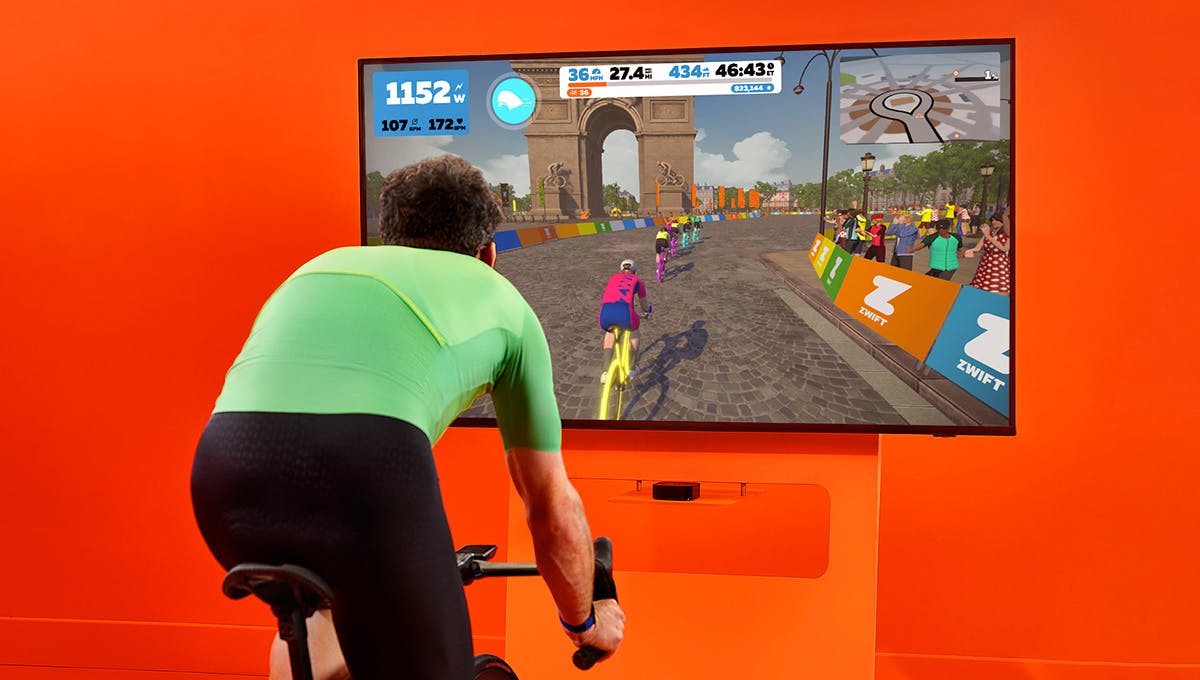
I’ve spent enough time staring at the virtual asphalt of Watopia to know that indoor cycling is often a game of silhouettes. You spend half your energy squinting at the screen, trying to figure out if your avatar is actually tucked into the slipstream of the rider ahead or if you’re just wasting watts in the "no man’s land" of a pixelated breeze.
This week, Zwift finally addressed that ambiguity. With the release of version 1.104, they’ve introduced two features that feel less like "updates" and more like the platform finally growing up.
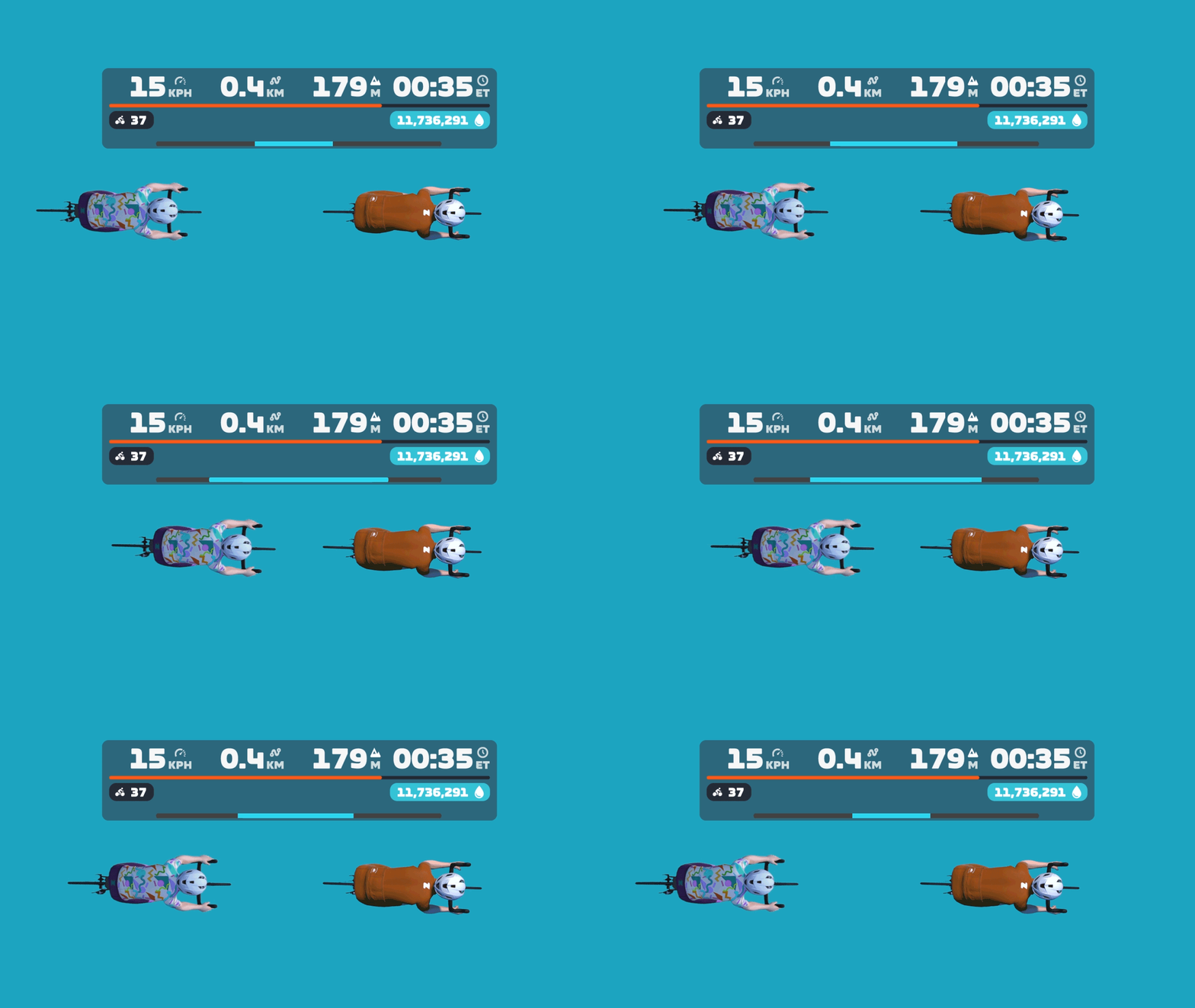
First, there’s the Draft Indicator. It’s a simple visual bar that expands as your draft improves. If you’ve ever tried to hang onto a frantic B-category race or stay glued to a Pace Partner, you know that the difference between "staying in" and "getting dropped" is often a matter of inches. Seeing the bar widen gives you that immediate, tactile feedback we usually only get from the wind hitting our faces (or not) outside. It makes the "gamification" of the draft feel like a legitimate skill you can hone, rather than a guessing game.
But the bigger shift, at least for those of us who obsess over the "why" behind our workouts, is the revamped Ride Report.
For a long time, Zwift’s post-ride screen felt a bit like a participation trophy—here’s your mileage, here’s your XP, thanks for coming. The new version actually treats your ride like a training file. It now tracks your Training Status (classifying you into zones like Productive, Overreaching, or the dreaded Detraining) and assigns a Training Score that balances intensity and duration.
What I appreciate most is the transparency regarding bike upgrades. The old "menu-diving" to see how close you were to a faster frame was a chore; now, there's a dedicated tracker showing your progress through five tiers. It’s a small nudge, but it’s the kind of thing that makes those long, gray February base miles feel like they’re actually building toward something tangible.
Indoor training is often about managing the mental friction of being stationary. By giving us better tactical data in the moment and better physiological data after the fact, Zwift is making the basement feel a little less like a chore and a little more like a laboratory.
 MATHIEU VAN DER POELLevel 38 (Bike)