
Clinical Cycling
Read This: Can Weekend Sleep Catch-Up Lower Heart Disease Risk? New Study Says Yes
Sleeping in on weekends may reduce heart disease risk by nearly 20%, according to a study presented at the European Society of Cardiology meeting.

Clinical Cycling
Sleeping in on weekends may reduce heart disease risk by nearly 20%, according to a study presented at the European Society of Cardiology meeting.
Culture & Opinion
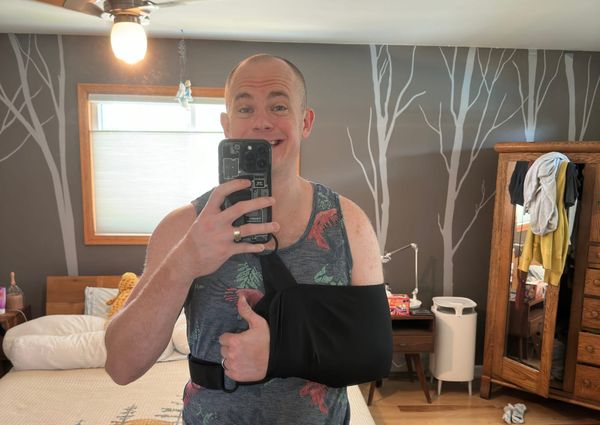
It was supposed to be an ordinary Friday—a simple lunchtime ride to clear my head and keep my legs limber for the gravel races scheduled in July. The sun was high, the air was fresh, and I was blissfully unaware of the dramatic turn my day was about to

Recovery
Explore Northwoods Baseball Sleep Radio, a quirky podcast with fake baseball games and soothing commentary that helps listeners fall asleep. ⚾🎙️😴
Tech & Data
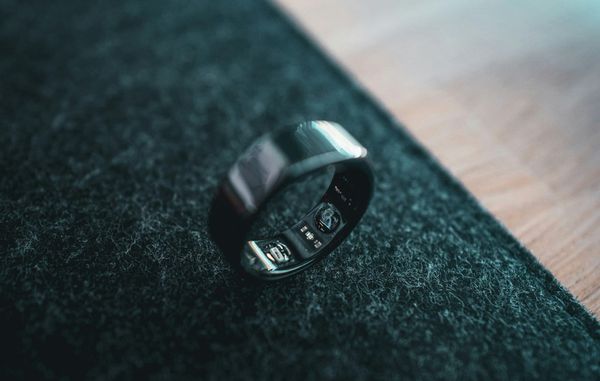
Groundbreaking 2020 TemPredict Study in California shows Oura Ring detects COVID-19 early and links depression to body temperature changes.
Recovery
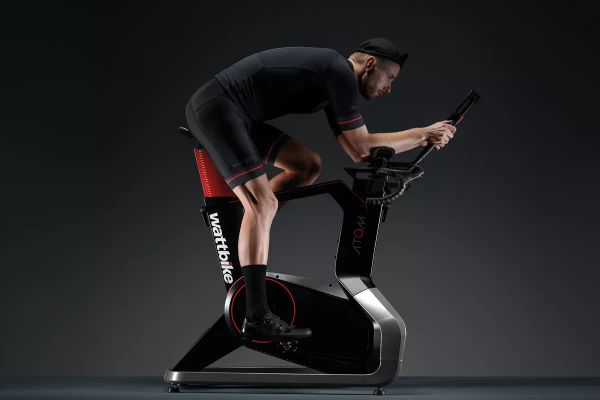
Winter is here, and while the chill might be keeping us indoors, it doesn’t mean our training has to freeze over. But let’s be real: indoor training can be a bit of a double-edged sword. On one hand, it’s a fantastic way to maintain fitness when

Clinical Cycling
Nonsteroidal anti-inflammatory drugs (NSAIDs) like ibuprofen are commonly used by athletes, including cyclists, to manage pain and inflammation. However, recent research raises questions about their impact on training adaptations. This article examines whether the use of NSAIDs can negatively affect the physiological adaptations that cyclists seek from their training.

Recovery
The off-season presents a unique opportunity for cyclists to rejuvenate, recover, and prepare for the upcoming season. Nutrition plays a pivotal role during this phase, significantly impacting an athlete’s health and performance. This article delves into the principles of off-season nutrition, offering guidance based on recent research.

Recovery
When the cycling season winds down, is it time to hang up your helmet and lace up your running shoes? Maybe! Off-season running can be a game-changer for cyclists. Let’s dive into the whys and hows of this cross-training strategy. Why Running? Running is a fantastic

Clinical Cycling
For many cyclists, finding time to train during the day can be a struggle due to work, family, and other commitments. However, it is unclear how hard exercise in the evening affects our sleep quality and recovery. The body’s sleep and wake cycle follows a roughly 24-hour cycle

Tech & Data
Athletic Brewing Company, America’s leading producer of non-alcoholic craft beer, and WHOOP, the human performance company, have announced a partnership that will explore the effects of alcohol on sleep, recovery, and fitness. The two brands are inviting people to ‘Give Dry a Try’ this January while wearing WHOOP

Gravel
On March 12, Life Time Grand Prix rider Payson McElveen took the hardest fall he’s ever taken as a cyclist. “I knew immediately that I had a broken collarbone and a broken hand.” His injuries knocked him out of Stop #1 of the Life Time Grand Prix presented by

Clinical Cycling
Training hard doesn’t always correlate to better race day performance. Pair hard training with inadequate rest and recovery and you might actually lose fitness instead of gaining it. Here’s how you can spot the symptoms of overtraining and address it before before you get slower. Effects of Overtraining