Strava's New Strength Features: Guided Workouts, Live Tracking, and One Big Gap
Strava adds guided strength workouts with live tracking and muscle maps. Here's what cyclists gain—and what the new features still don't solve.

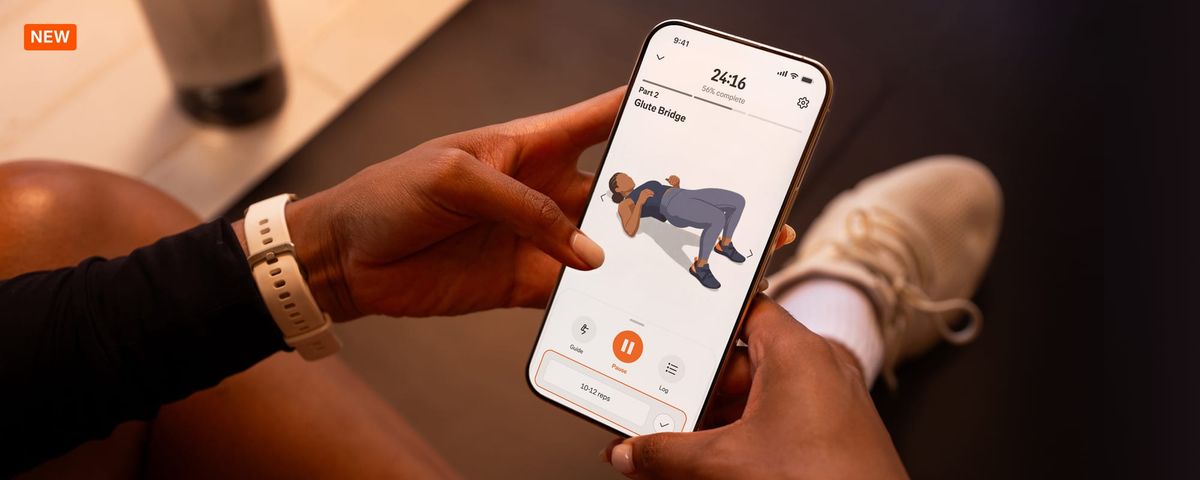
Strava's strength training features just got serious. The platform now offers coach-designed workouts with live set-and-rep tracking, automatic muscle maps, and guided animations—all syncing directly to your activity log when you finish. For cyclists who've been cobbling together gym sessions in separate apps, this consolidates everything in one place.
Key Takeaways
- New guided strength workouts include animations, form tips, and targeted muscle group breakdowns
- Live tracking logs sets and reps as you go, saving automatically when the session ends
- Muscle maps update to show where you worked—useful for balancing push/pull and spotting neglected areas
- Guided running workouts also added, with more workout series coming before year's end
- Upcoming: screenshot import for text-based training plans and a build-your-own workout feature
- Full features require a Strava subscription; free users get a sample workout only
Why This Matters for Cyclists
Strength training isn't optional if you're chasing watts or trying to stay durable into your 40s and beyond. The research on resistance work for endurance athletes is pretty clear: it improves economy, delays fatigue, and reduces injury risk. But most cyclists don't know what to do in the gym, and tracking lifting alongside ride data has always been fragmented. Strava's move addresses both problems—at least in theory.
The muscle map visualization is more than a gimmick. Cyclists tend to overdevelop quads and hip flexors while ignoring glutes, hamstrings, and posterior chain. Seeing where your effort actually went, session after session, creates a feedback loop that spreadsheets and memory don't. Whether that translates to better programming choices depends on the user, but the data's there.
The Limits
A few things to watch. The guided workouts are designed by "experienced strength coaches," but Strava hasn't named them or detailed their credentials. Generic programming helps beginners; it rarely optimizes for cycling-specific demands like hip extension strength or single-leg stability. If you're following a structured training plan from a coach, these canned workouts might not integrate well. The upcoming screenshot-import feature could help—snap your coach's prescription and log it—but that's not live yet.
And the paywall matters. Full access requires a subscription, currently around $80/year. If you're already paying for TrainingPeaks, Garmin Connect, or a dedicated lifting app, adding another subscription to log squats feels redundant. For riders already deep in the Strava ecosystem, though, consolidation has value.
Who Should Care
This update is built for the cyclist who knows they should lift but keeps skipping it because the gym feels like guesswork. If that's you, Strava just lowered the barrier. For athletes with established strength routines or coaches prescribing specific work, the benefit is narrower—mostly convenience and data aggregation. Either way, it's a signal that Strava sees strength as core to endurance performance, not a side feature. They're not wrong.