Otso Waheela R: A Gravel Race Bike That Picks Stability Over Agility
The Otso Waheela R is a gravel race bike with long, slack geometry, 50mm clearance, and no 2x option. Here's what the specs actually mean for your riding.

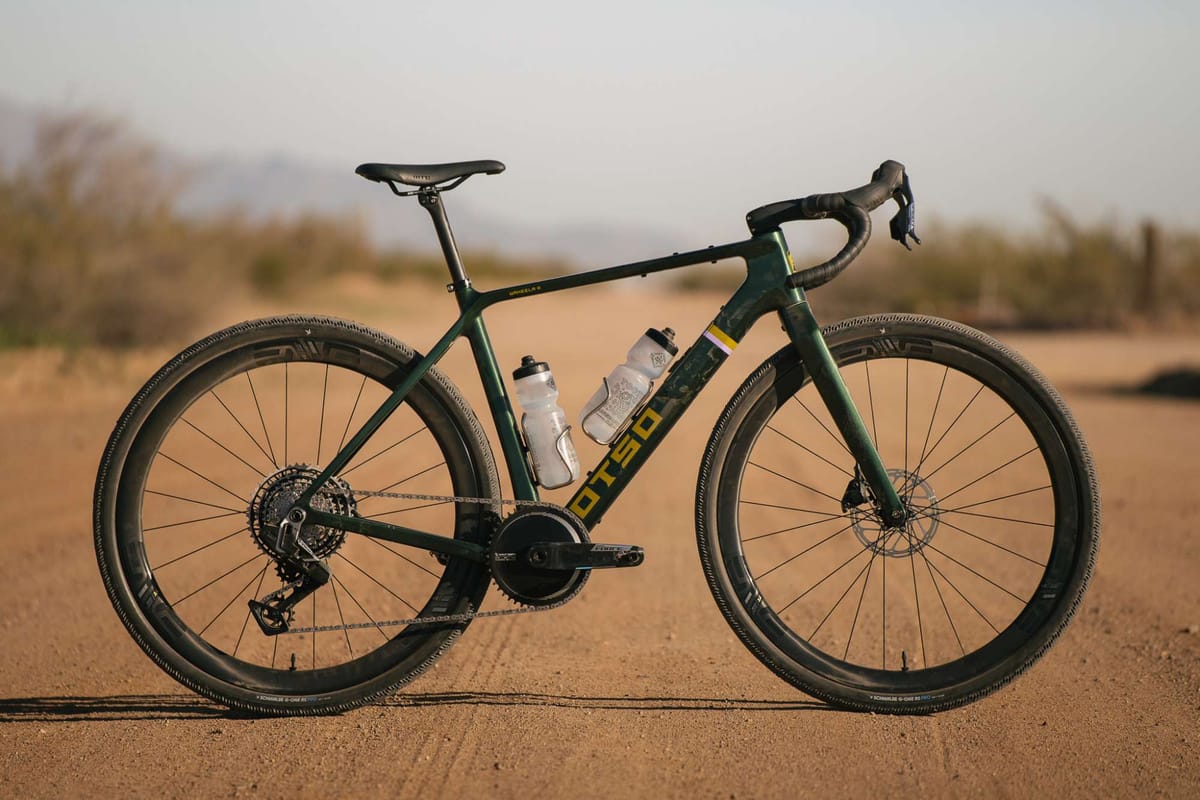
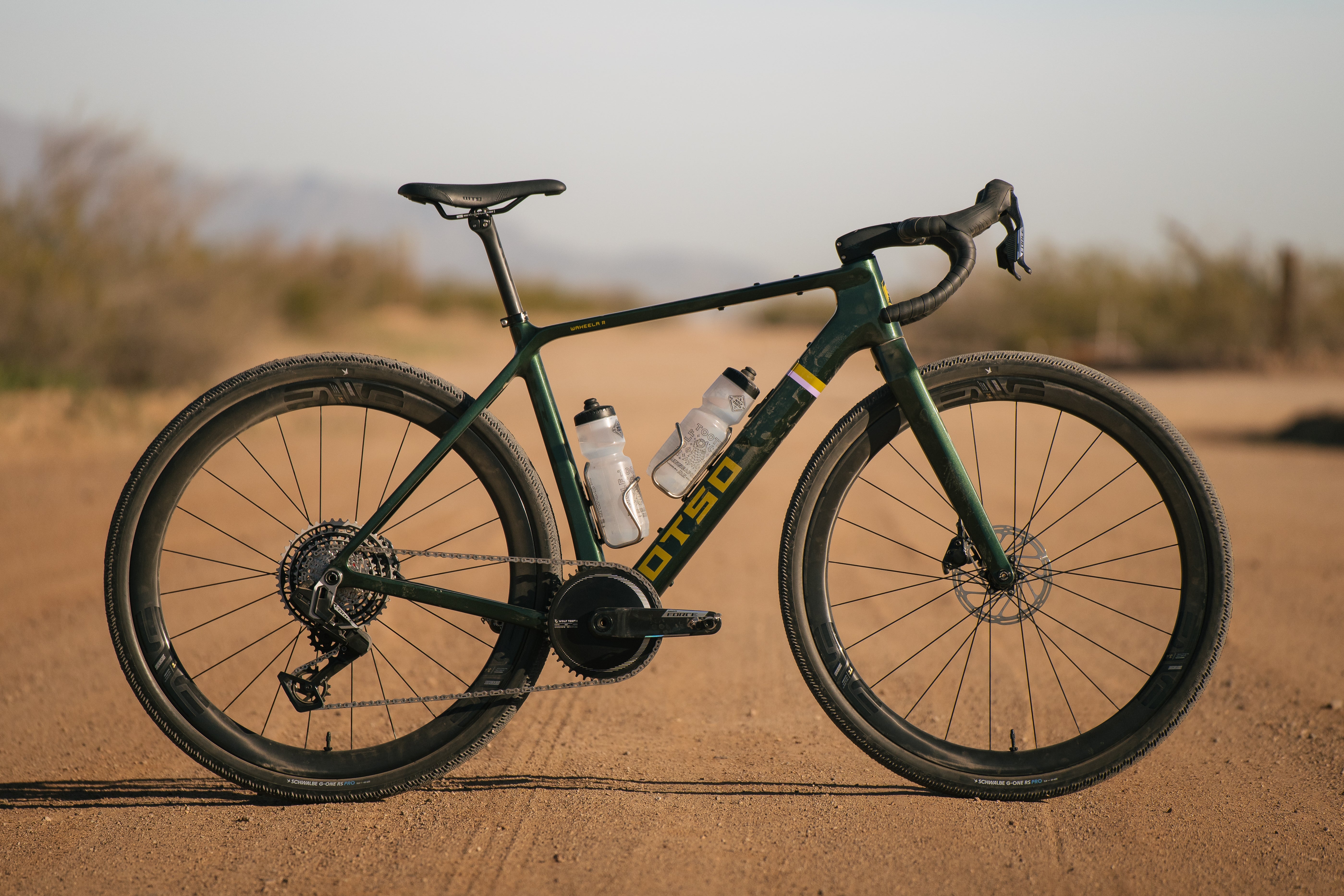
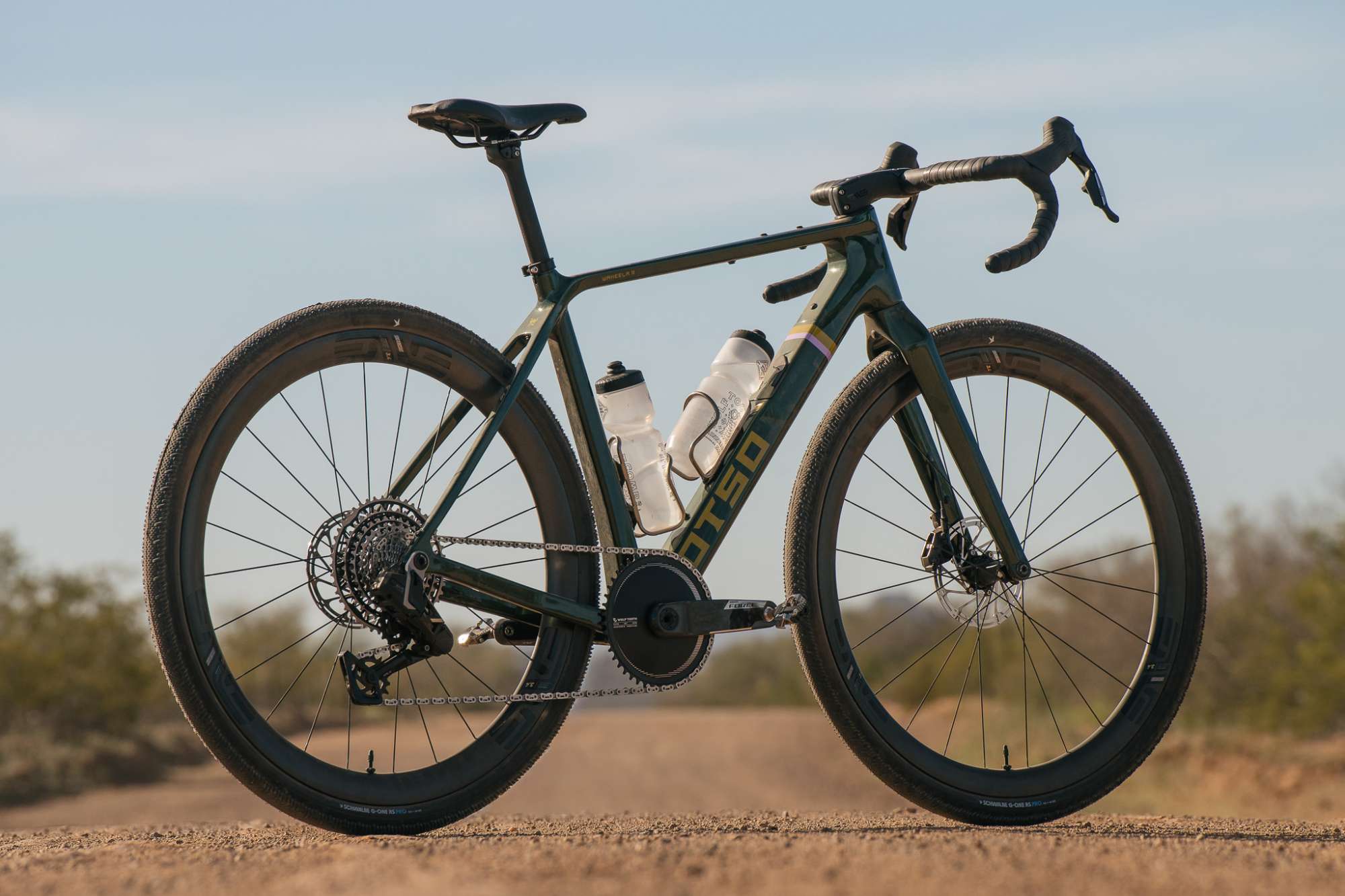
Otso's new Waheela R is a gravel race bike that costs $2,950 as a frameset or $4,050–$5,450 as a complete build. It sits between the "go anywhere" camp and the "go fast" camp, which means it makes some choices you need to understand before you buy.
The short version: longer front end, shorter rear end, 50mm tire clearance, no front derailleur mount, three cable routing options. It's not trying to be the lightest or the most aggressive. It's trying to be stable at speed without feeling like a dump truck in tight corners.
Here's what matters if you're deciding whether this fits your kind of riding.
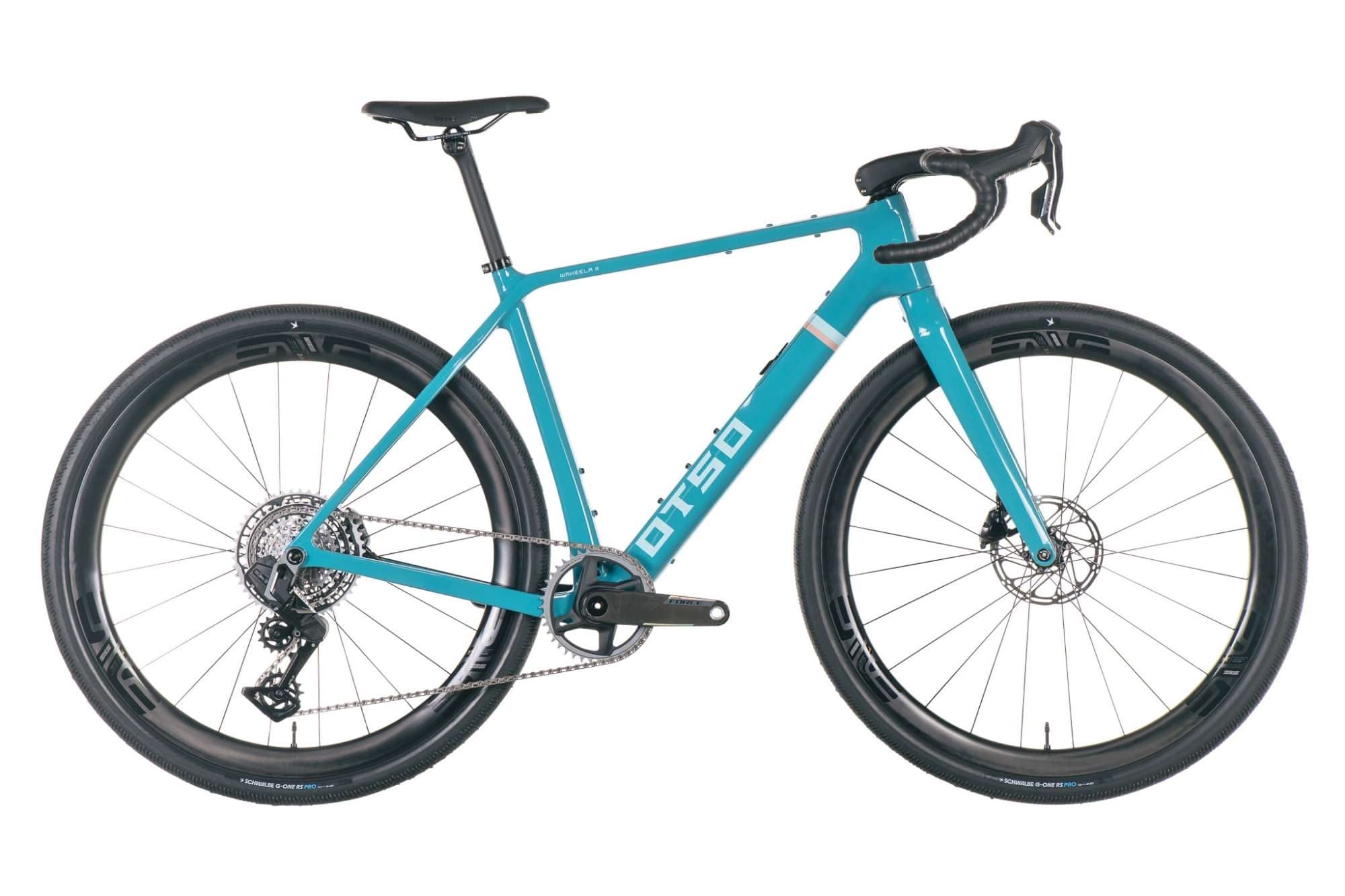
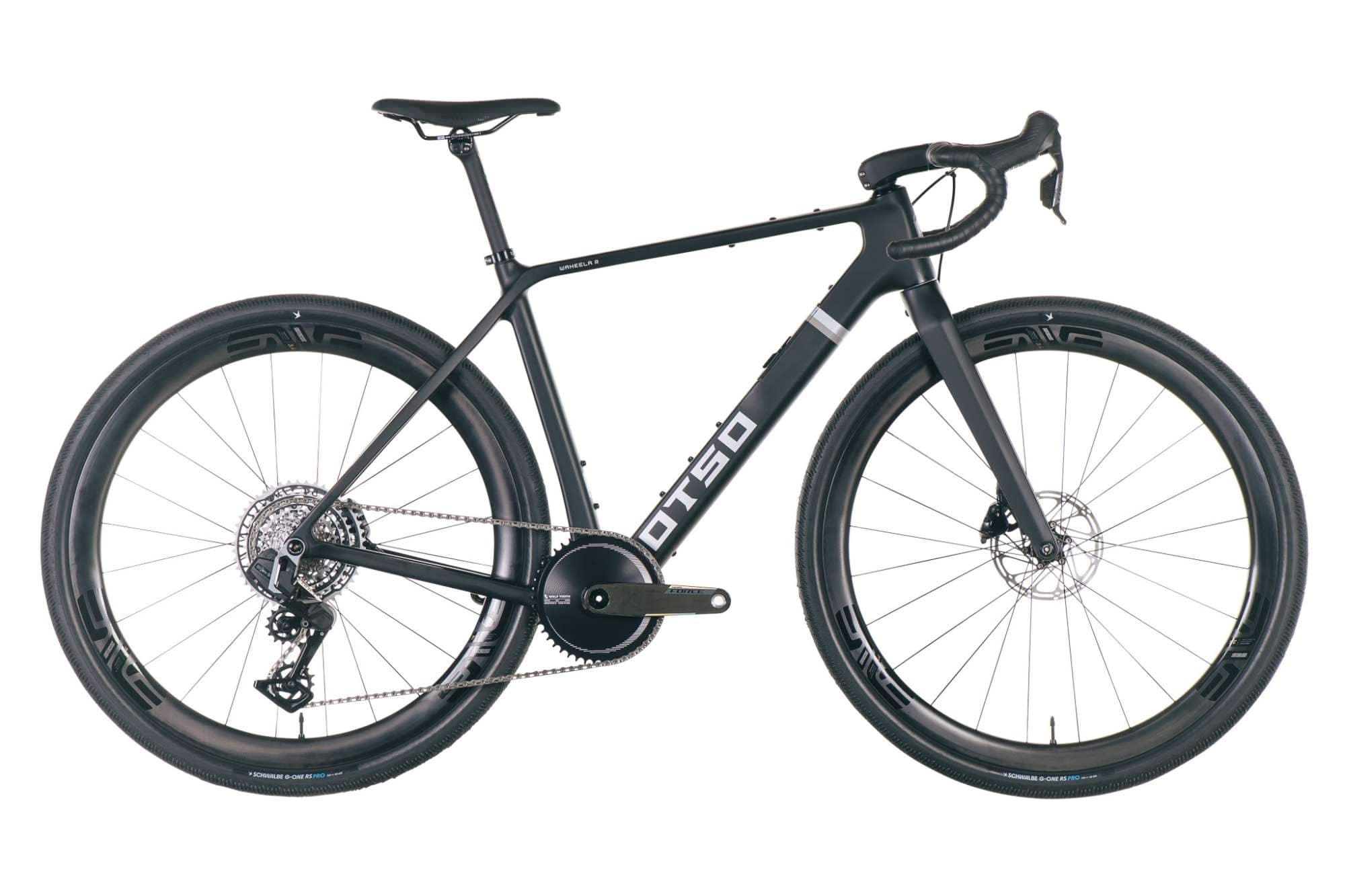
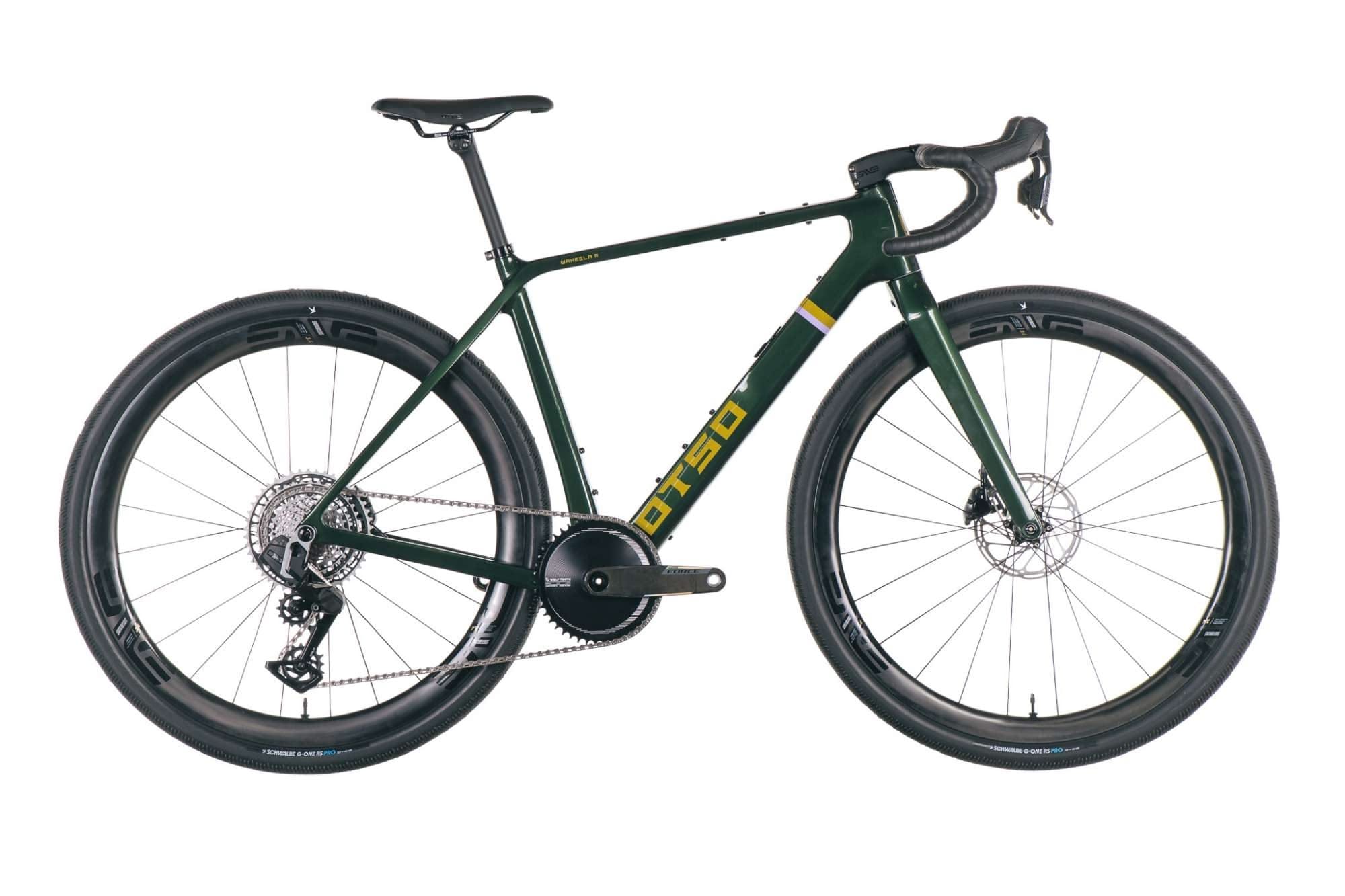
Geometry: Longer and Slacker Up Front, Tight in Back
Compared to the older Waheela C, the R is 20mm longer in reach and 1° slacker at the head tube (69.5° on XS, 70.5° on S–XL). The seat tube angle steepened by 1.5°, and trail increased significantly—84mm on the XS, 78mm on S–XL.
That's a lot of trail. For context, many modern gravel race bikes sit around 65–75mm. More trail generally means more stability at speed and more resistance to being deflected by rough terrain. The tradeoff: slower steering response at low speeds and in tight switchbacks.
The rear center stays short: 420mm on XS, scaling up to 432mm on XL. That's shorter than bikes like the Specialized Diverge or Allied Able, which push the rear end back to maximize tire clearance and compliance. Otso's choice keeps the bike more responsive when you're out of the saddle or navigating technical sections.
If you ride fast on open fire roads or long gravel descents, this geometry will feel planted. If you spend a lot of time on singletrack with tight turns, you'll notice the slower steering.
The Catch: No 2x Option
The Waheela R is 1x-only. No front derailleur mount. Chainring clearance maxes out at 50t.
For most gravel racing, that's fine. A 38t or 40t chainring with a 10-44t or 10-52t cassette covers most terrain. But if you're planning long mixed-surface rides with significant road sections—or if you're used to the tighter gear spacing of a 2x setup—you'll feel the gaps.
This isn't a dealbreaker for most riders, but it does narrow the "all-road" versatility compared to bikes that offer both options.
Tire Clearance: 50mm, Not 53mm
The Waheela C cleared 53–54mm tires. The R clears 50mm. That's still more than enough for most gravel racing (most riders run 40–45mm), but it's a step back if you wanted the option to run true "adventure" setups with 2.1" or wider tires.
The decision to limit clearance was driven by the shorter chainstays. Otso chose handling over maximum tire volume. If you prioritize nimbleness and don't plan to run tires wider than 45mm, this won't matter. If you wanted a bike that could double as a rigid mountain bike, look elsewhere.
Kamm Tail Tubing and Aero Claims
The frame and fork use Kamm Tail tube shapes—truncated teardrop profiles that are common in automotive design and have been used on bikes for years. Otso says this provides "proven aerodynamics."
I can't verify the aero benefit without wind tunnel data, and Otso hasn't published any. Kamm Tail shapes do reduce material and can add stiffness, but the actual speed gain over a round tube at gravel speeds (15–25 mph on rough surfaces) is probably small. If you're racing on smooth gravel or spending time on pavement, maybe it matters. If you're bouncing through washboard, tire choice and position matter more.
The tubing does give the bike a distinctive, angular look. Whether that's a selling point depends on your taste.
Three Cable Routing Options
This is one of the more practical features. You can run fully internal routing (cables enter through the bars), semi-internal (cables enter at the headset top cap), or classic external routing (cables enter at the top of the downtube).
Fully internal looks clean but is a pain to service. Semi-internal is a compromise. External is the easiest to work on and still keeps most of the cables out of the wind.
If you do your own maintenance or travel with your bike frequently, the option to avoid full internal routing is worth something. Most modern gravel bikes force you into one system.
Internal Storage and Mounts
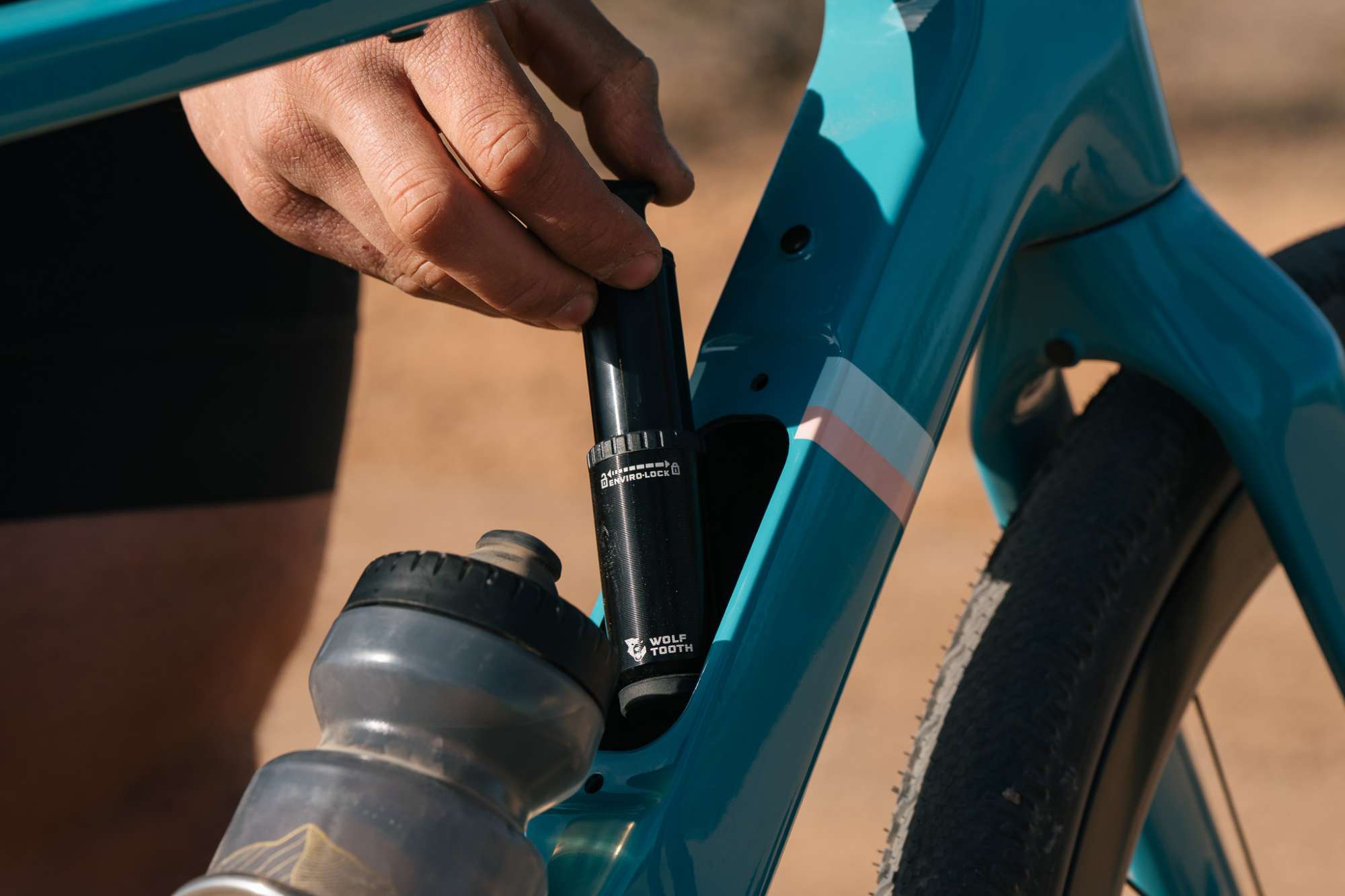
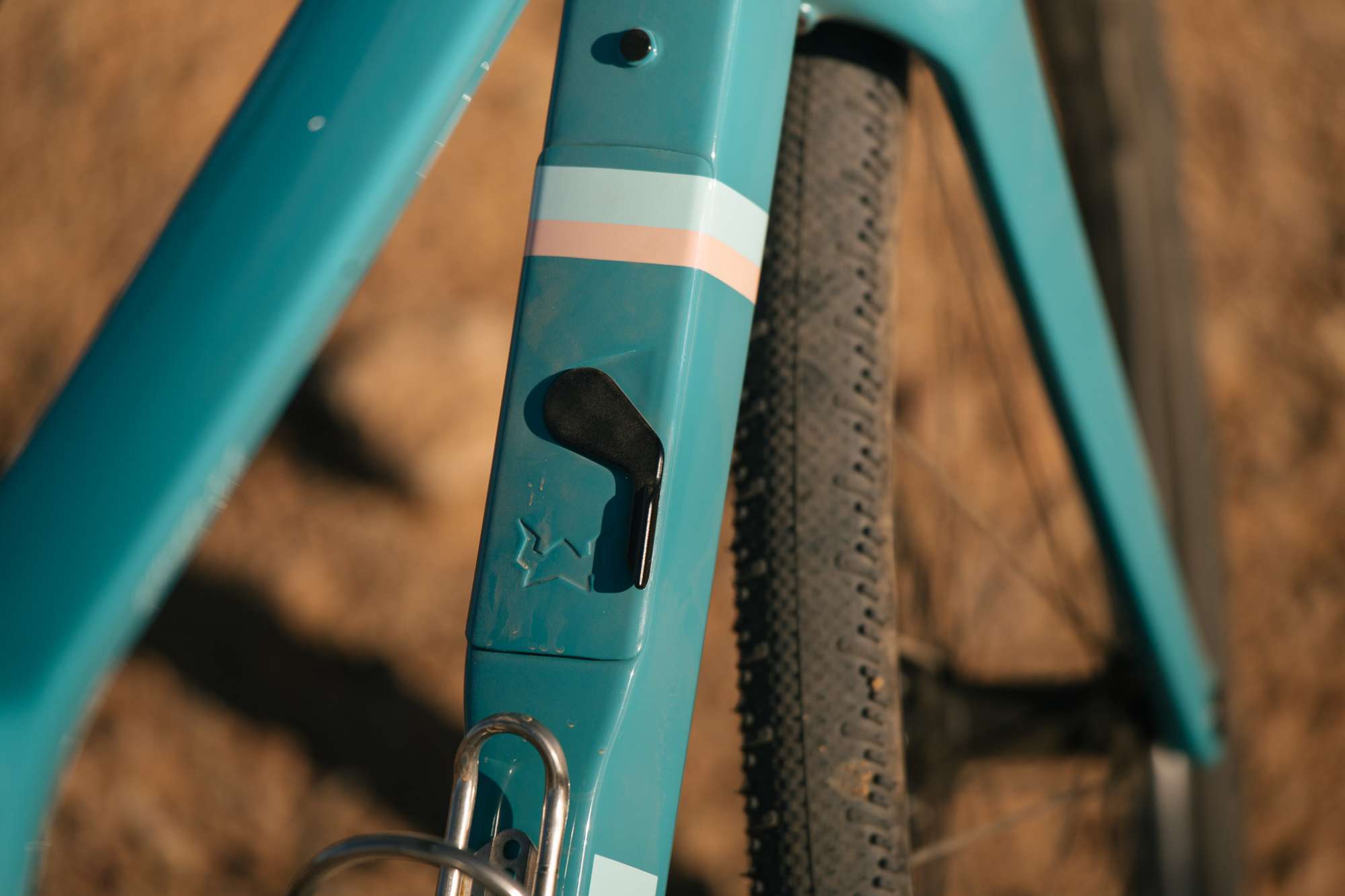
The frame includes an internal storage sleeve in the front triangle, three bottle cage mounts, multiple top tube mounts, and fender mounts. Standard modern gravel bike stuff, but it's all there.
The internal storage is useful for a tube, CO2, or a small tool. It's not a substitute for a frame bag, but it keeps essentials accessible without external bulk.
Build Options and Pricing
Frameset: $2,950. Complete builds: $4,050 (SRAM Apex mechanical) to $5,450 (SRAM Force XPLR AXS).
All builds come with DT Swiss G 1800 wheels, and you can upgrade to Enve 3.4 SES wheels for additional cost. You can also spec your handlebar width and stem length at purchase, which saves the hassle of swapping parts and re-routing cables.
For comparison, the Allied Able frameset is $4,200, and the 3T Exploro Racemax frameset is $3,200. The Waheela R is competitive, especially if you value the routing flexibility and the ability to customize the build from the start.
Frame and fork weight: 1,645g total (1,145g frame, 490g fork). That's not ultralight, but it's reasonable for a bike with this much tire clearance and mounting options.
Who This Bike Is For
The Waheela R makes sense if you want a gravel race bike that's stable at high speeds, can handle rough terrain without feeling harsh, and doesn't force you into a single cable routing system. It's not trying to be the most aggressive race bike or the most versatile adventure bike. It's aiming for the middle: fast enough for racing, practical enough for long mixed-surface rides.
If you prioritize low weight, maximum tire clearance, or a 2x drivetrain, this isn't the bike. If you want something that feels planted on descents and doesn't require a full bike shop to service, it's worth considering.
The geometry will suit riders who spend more time on open gravel and fire roads than tight singletrack. The shorter chainstays keep it from feeling like a touring bike, but the slack head angle and high trail mean it's not as quick-handling as something like a Cervélo Aspero or Open UP.
Otso is a small brand, which means fewer dealers and less resale market compared to the big names. That's a consideration if you care about long-term value or want to test ride before buying.
TL;DR
- Longer, slacker geometry (20mm more reach, 1° slacker head angle, 78–84mm trail) prioritizes stability at speed; short 420–432mm chainstays keep handling responsive, but the high trail makes steering slower in tight corners.
- 50mm tire clearance, 1x-only (no front derailleur mount, 50t chainring max) limits versatility compared to bikes that offer 2x or wider tire options—fine for gravel racing, less ideal for mixed road/adventure use.
- Three cable routing options (fully internal, semi-internal, external) and customizable build specs at purchase are practical; frameset at $2,950 is competitive, but Kamm Tail aero claims lack published data and real-world benefit at gravel speeds is unclear.