Giro Eclipse Pro: The Aero Helmet That Claims It Won't Cook Your Brain
Giro's Eclipse Pro promises aero speed with real ventilation. The internal channeling system is the spec that matters—if it works.

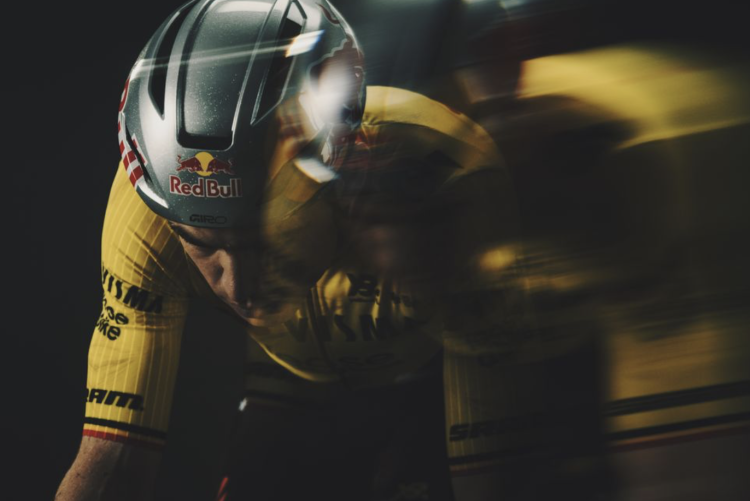
Giro just dropped the Eclipse Pro, and the spec that matters most isn't the weight or the aero claims—it's the internal channeling system. Most aero helmets make you choose between speed and not cooking your brain on a long climb. This one tries to solve that with structured intake ports that actively move air across your scalp instead of just hoping vents do the job.
The helmet uses Spherical powered by Mips for rotational impact protection, which is Giro's ball-and-socket liner setup. It allows independent movement between the inner and outer foam layers during angled impacts. The polycarbonate shell wraps further down than typical road helmets, which adds a bit of coverage but also means this thing probably won't feel as minimal as a pure climber's lid. Weight is 280 grams in medium—not the lightest, but reasonable if the aero and cooling claims hold up.
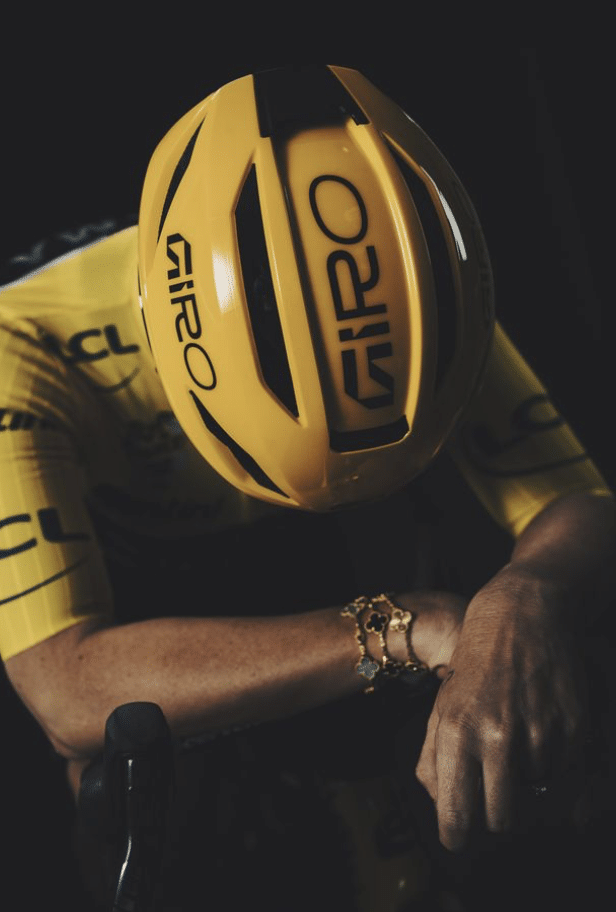
Here's the catch: Giro says they validated this in their wind tunnel and through CFD modeling, but they don't publish actual watt savings or yaw-angle data. "Measurable gains" and "class-leading cooling" are marketing speak until independent testing confirms it. I haven't put miles on it yet, but the spec that matters is whether those internal channels actually work when you're grinding a 20-minute climb at threshold in July. If they do, this could be the rare aero helmet you don't take off mid-ride.
The Roc Loc 5.5 Air retention system is tried and tested—micro-adjustable, stable, and it doesn't dig into your occiput after four hours. If you've used any recent Giro road helmet, the fit will be familiar. The real question is whether the ventilation lives up to the engineering talk, because if it doesn't, you're just wearing a heavier, hotter helmet with good crash protection and no real upside over what you already own.
I can't verify the aero claims without seeing third-party wind tunnel data or putting in back-to-back efforts against a known benchmark. If you're racing crits or doing fast group rides where every watt counts and you run hot, this is worth watching. If you're a solo endurance rider who prioritizes weight and simplicity, wait for independent reviews before spending the money.