Signal vs. Noise: Why Your Next Safety Upgrade is a Radar, Not a Helmet
Garmin’s Varia RearVue 820 evolves cycling safety into data science. With vehicle size detection and 190-yard radar, it's the ultimate tool for the smart rider.

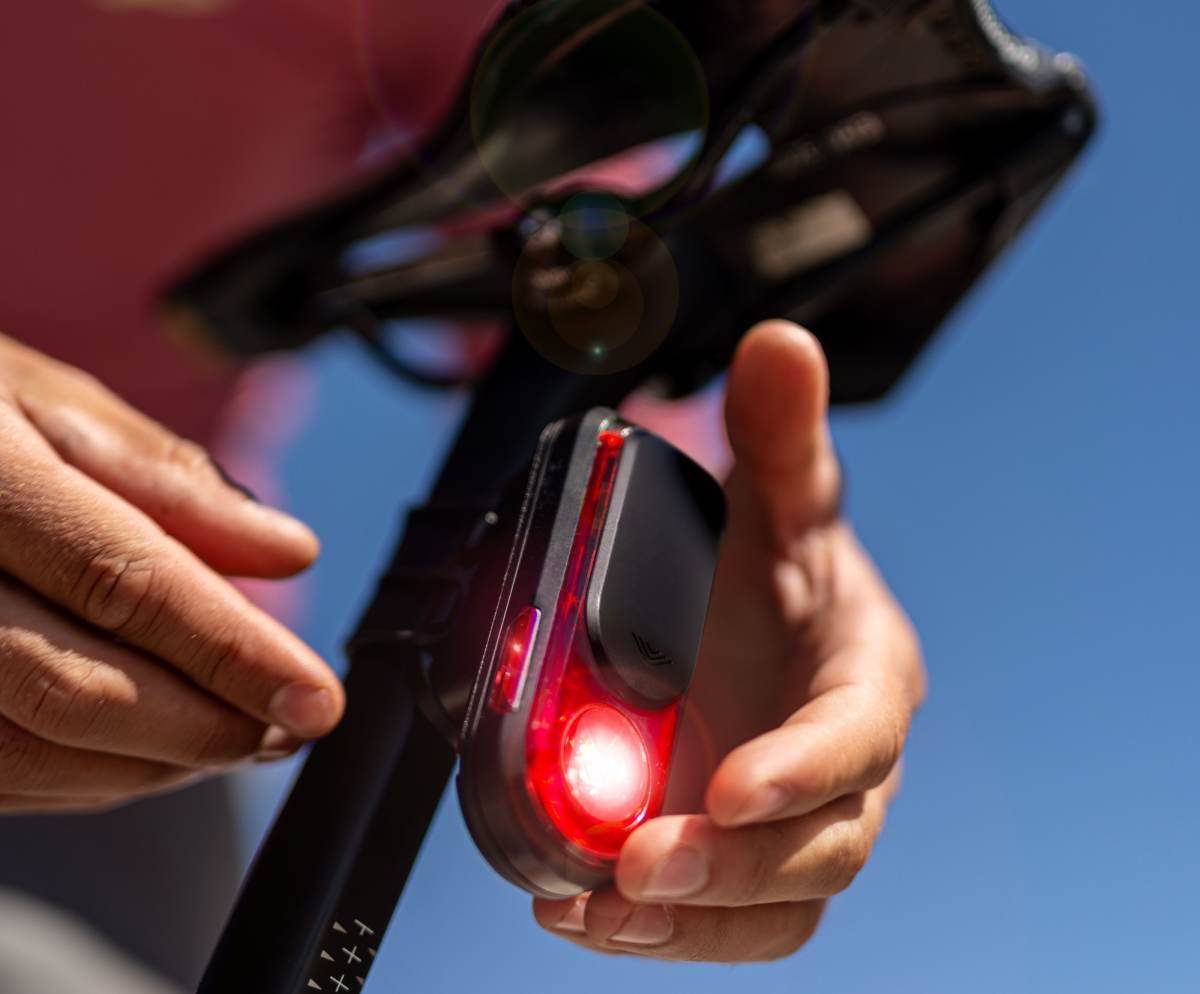
One hundred and ninety yards is a long time to hold your breath. In the vacuum of a solo rural ride, that distance represents the gap between a peaceful morning and a high-velocity kinetic event. While marketing teams love to sell "peace of mind" as a nebulous feeling, for the deliberate cyclist, safety is a measurable calculation of reaction time and situational awareness. Garmin’s new Varia RearVue 820 isn’t just a blinking light; it is a dedicated data processor designed to solve the problem of human sensory limitation. 🚲
The Mechanism of Action: Processing the Threat 🧠
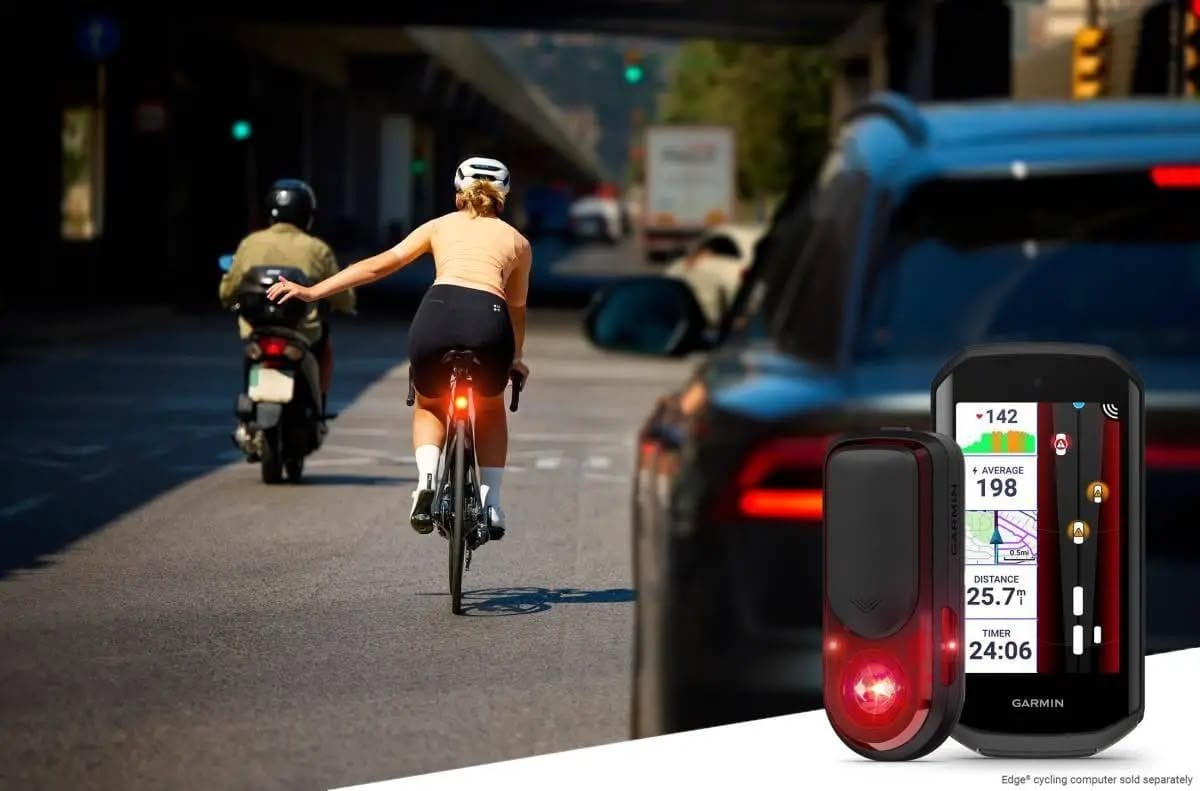
From a physiological perspective, the 820 addresses cognitive load management. When we ride, our brains are constantly triaging stimuli: heart rate, power output, road debris, and the Doppler effect of approaching engines. The "Mechanism of Action" here is the transition from passive visibility to active threat assessment.
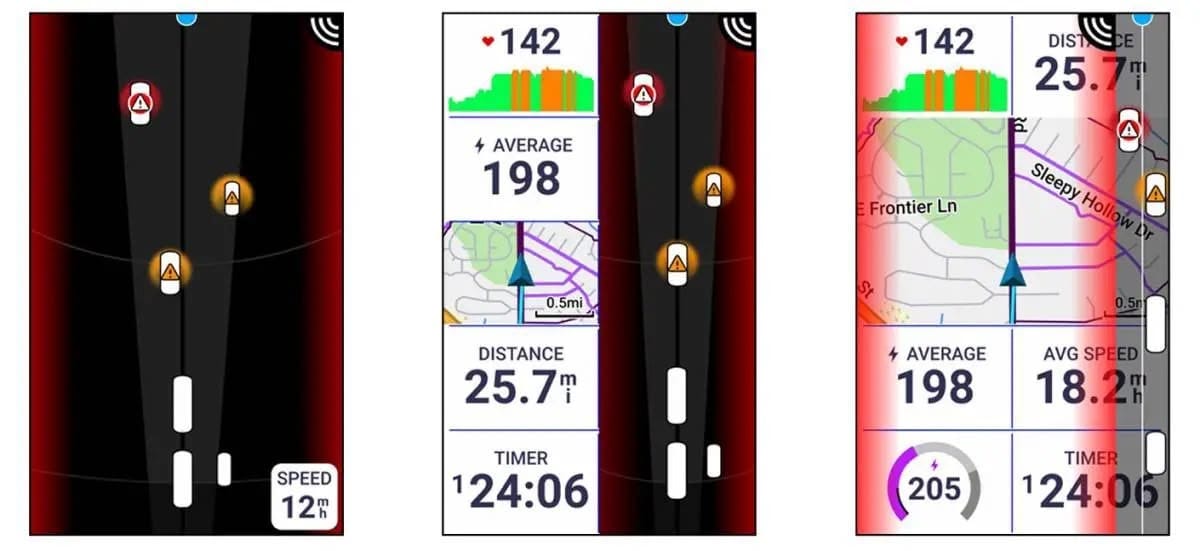
The 820 utilizes an expanded radar aperture to categorize targets by size (small, medium, large) and lateral movement. Biologically, the human eye is poor at judging the closing speed of an object moving directly toward it—a phenomenon known as the "looming effect." By offloading this calculation to a 24GHz radar sensor, the device provides:
- Spatial Context: Detecting lane changes and "same-speed" drafting before your ears even register the engine hum.
- Threat Categorization: Mapping the "path of travel" to determine if a vehicle is a passive bypass or a high-speed collision risk.
- Sensory Redundancy: Using haptic (watch vibration) and auditory alerts to bypass visual tunneling during high-intensity efforts.
Efficiency Over Aesthetic ⚡️
For the rider balancing a 40-hour work week and family commitments, time on the bike is a precious resource. We often ride in the "marginal hours"—dawn or dusk—where contrast is low and driver fatigue is high. The 820’s 2-kilometer light visibility is a brute-force solution to photon scattering, ensuring you are a "known entity" on the road long before the radar even triggers.
The inclusion of a 30-hour radar-only battery life and a USB-C interface acknowledges the reality of the modern cockpit: if a device is a chore to charge, it stays on the workbench. By integrating a dynamic brake light—which uses accelerometers to shift flash patterns during deceleration—the unit communicates your intent to drivers without requiring a single watt of extra effort from your legs.
The Verdict: Information is the Best Armor
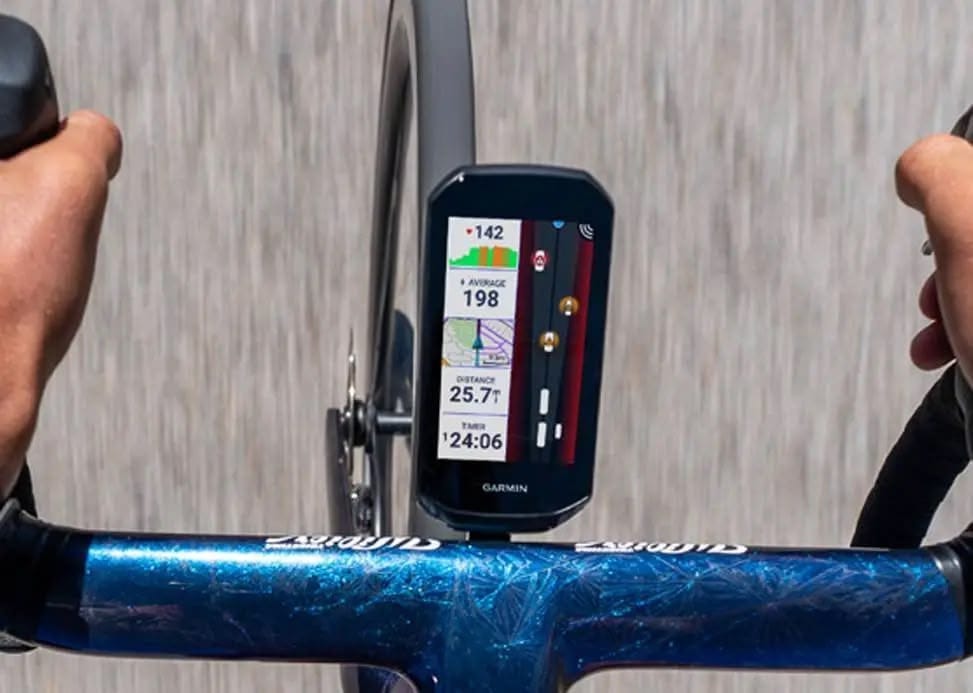
We spend thousands on carbon fiber to save grams, yet we often neglect the electronic "armor" that prevents the need for a helmet's impact foam. The Varia RearVue 820 is a cynical piece of gear in the best way possible; it assumes the driver behind you is distracted and that your ears will fail you.
It is a $300 investment in predictive data. While it won't make you faster, it ensures that your mental energy is spent on the interval ahead rather than the phantom grill behind. In the hierarchy of "stuff you need," a device that quantifies the invisible threat is always more valuable than a lighter seatpost.
TL;DR
- Active Threat Detection: Categorizes vehicles by size and lane movement, solving the biological "looming effect" human eyes struggle to calculate.
- Extended Endurance: Boasts a 24-30 hour battery life and USB-C charging, making it a practical tool for long-distance training and daily commuting.
- Predictive Safety: Uses an integrated accelerometer for brake sensing and a 1.2-mile light throw to manage driver behavior before they reach you.