The CAAD14 Fixes Cannondale's Biggest Mistake With the CAAD13
Cannondale's CAAD14 ditches the carbon-mimicking mistakes of the CAAD13 and returns to aluminum-first design. Here's what actually changed.

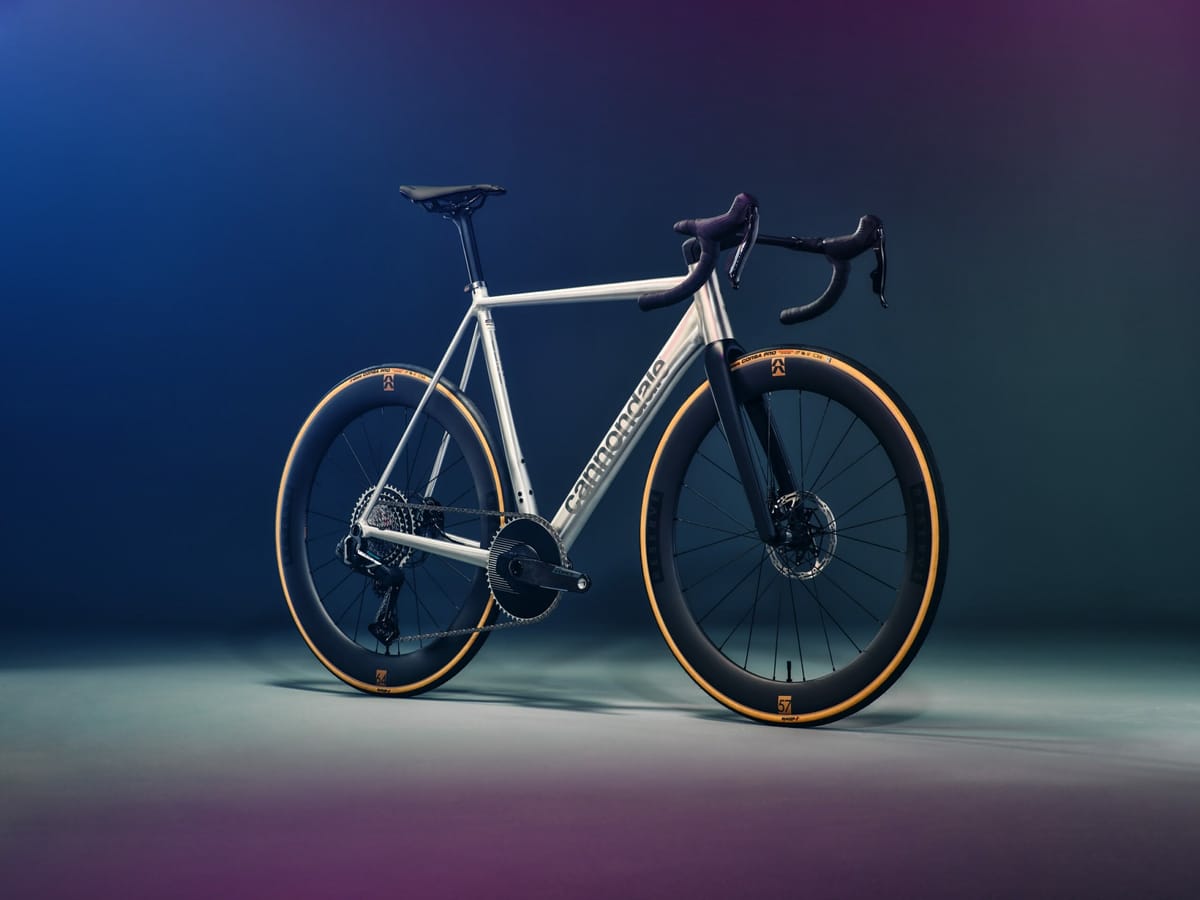
Cannondale's CAAD13 tried to look like a carbon SuperSix EVO. That was the problem. Aluminum doesn't behave like carbon, and pretending otherwise makes for a bike that's neither fish nor fowl. The CAAD14 fixes that by going back to what made the CAAD8, CAAD10, and CAAD12 work: oversize tubes, a straight top tube, and a design process that treats aluminum as its own material, not a budget stand-in.
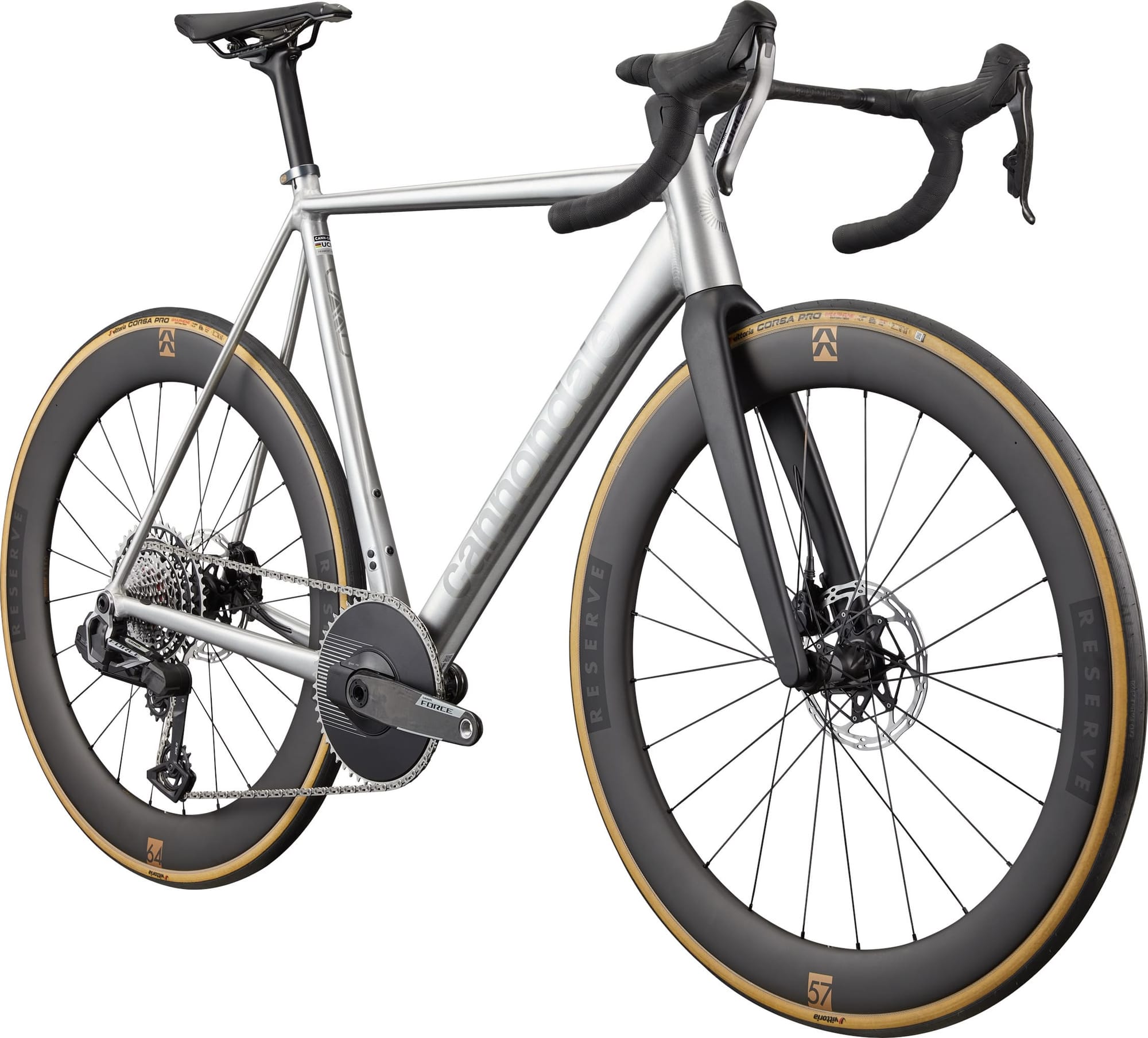
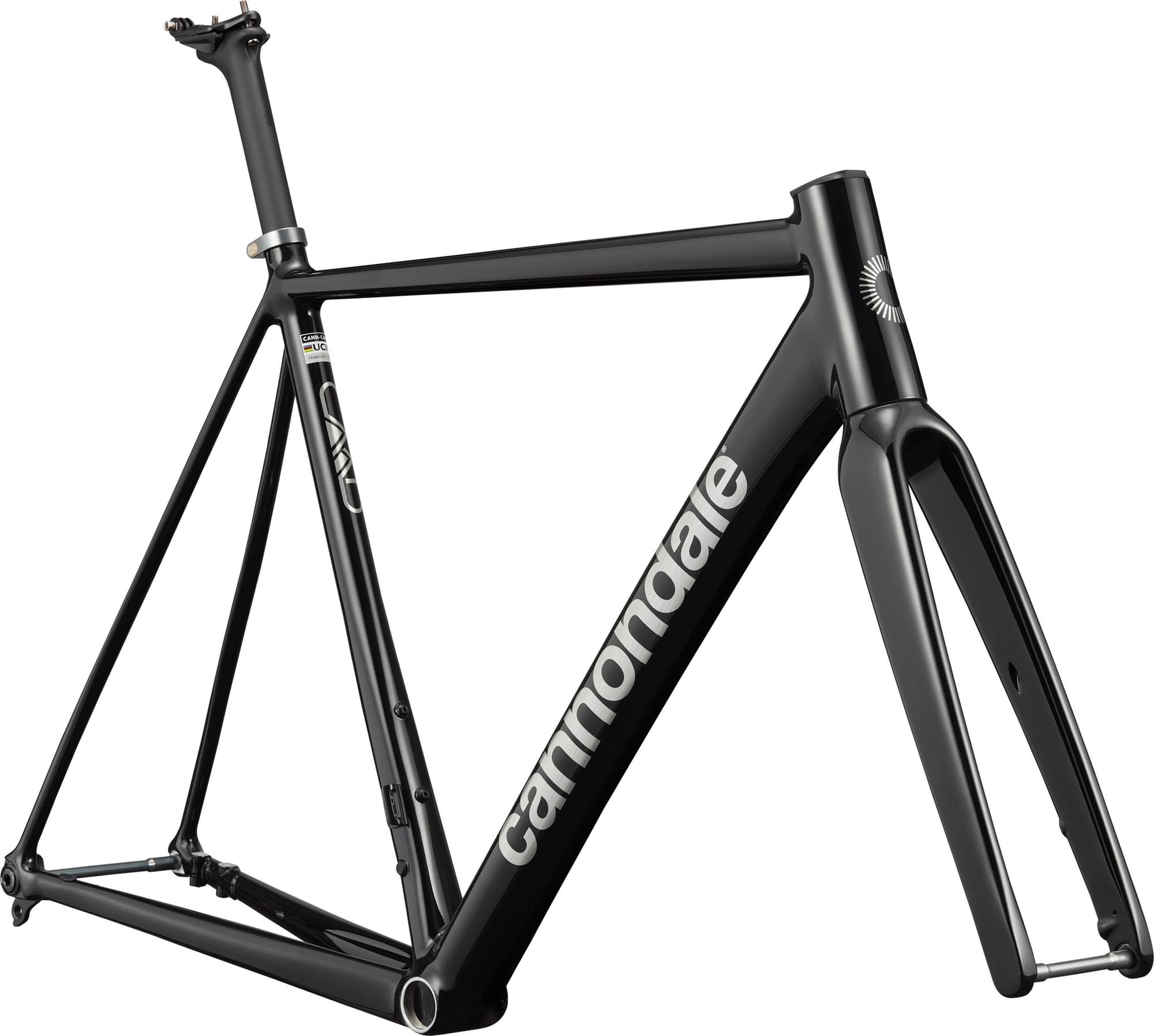
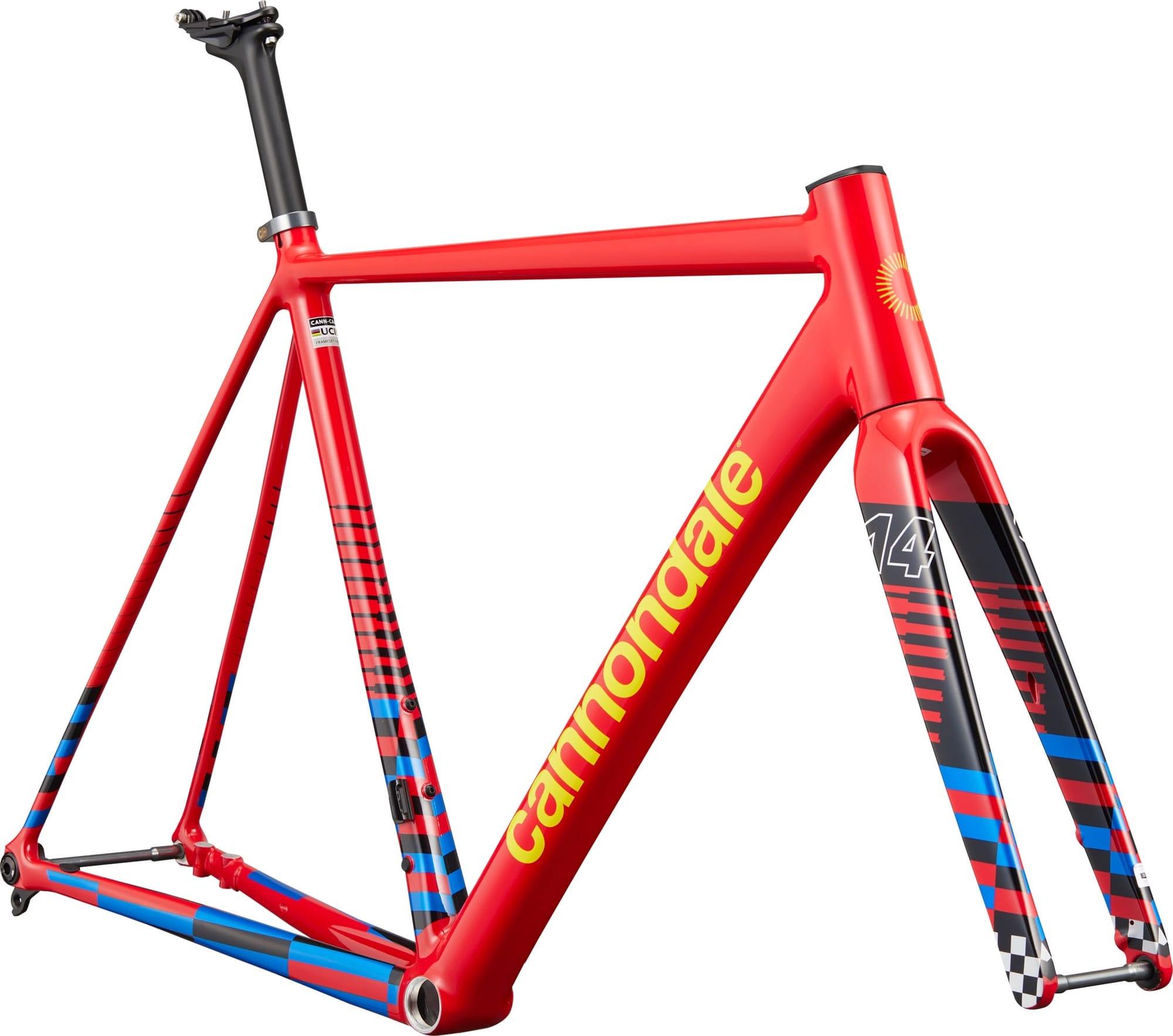
The frame clears 32 mm tires, uses a one-piece bar/stem for full cable integration, and gets UDH compatibility. That's the modern stuff. The rest is deliberately old-school—big tubes, smooth welds, the silhouette you remember if you ever raced crits on a CAAD. Cannondale's own product team admits they lost the plot with the CAAD13 by chasing the carbon aesthetic. The CAAD14 is their course correction.
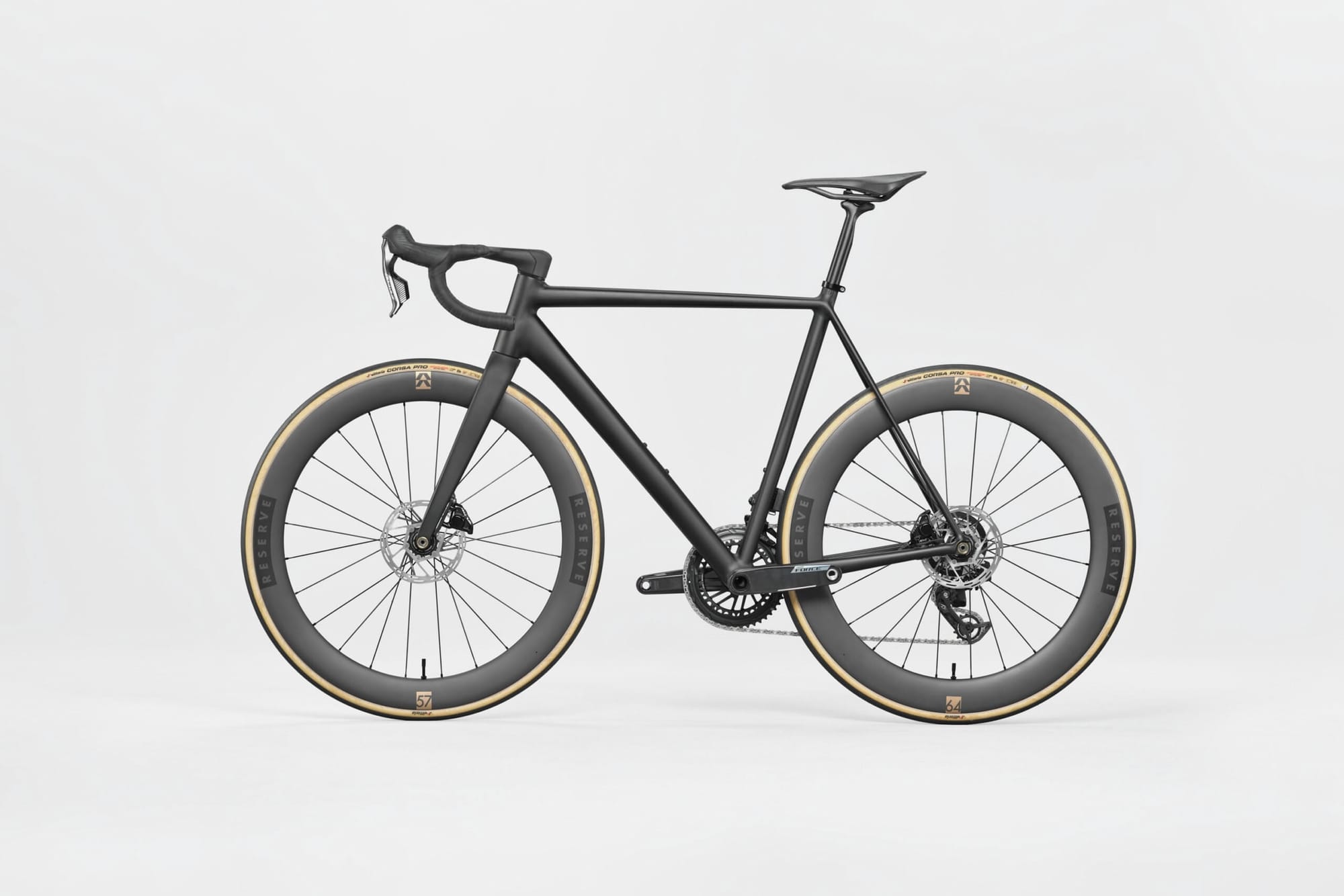
Here's the catch: the flagship CAAD14 1 costs $10,299 CAD. That's SRAM Force AXS 1x13, Reserve carbon wheels, and a raw aluminum frame—but it's also more than some carbon race bikes. Only 300 are being made, so it's more halo product than practical option. The CAAD14 2 ($6,799, Rival AXS, DT Swiss aluminum wheels) and CAAD14 3 ($4,299, 105 mechanical) are the builds that matter for most people. The 105 version especially: it's the entry point, the one that'll introduce another cohort of riders to racing on aluminum.
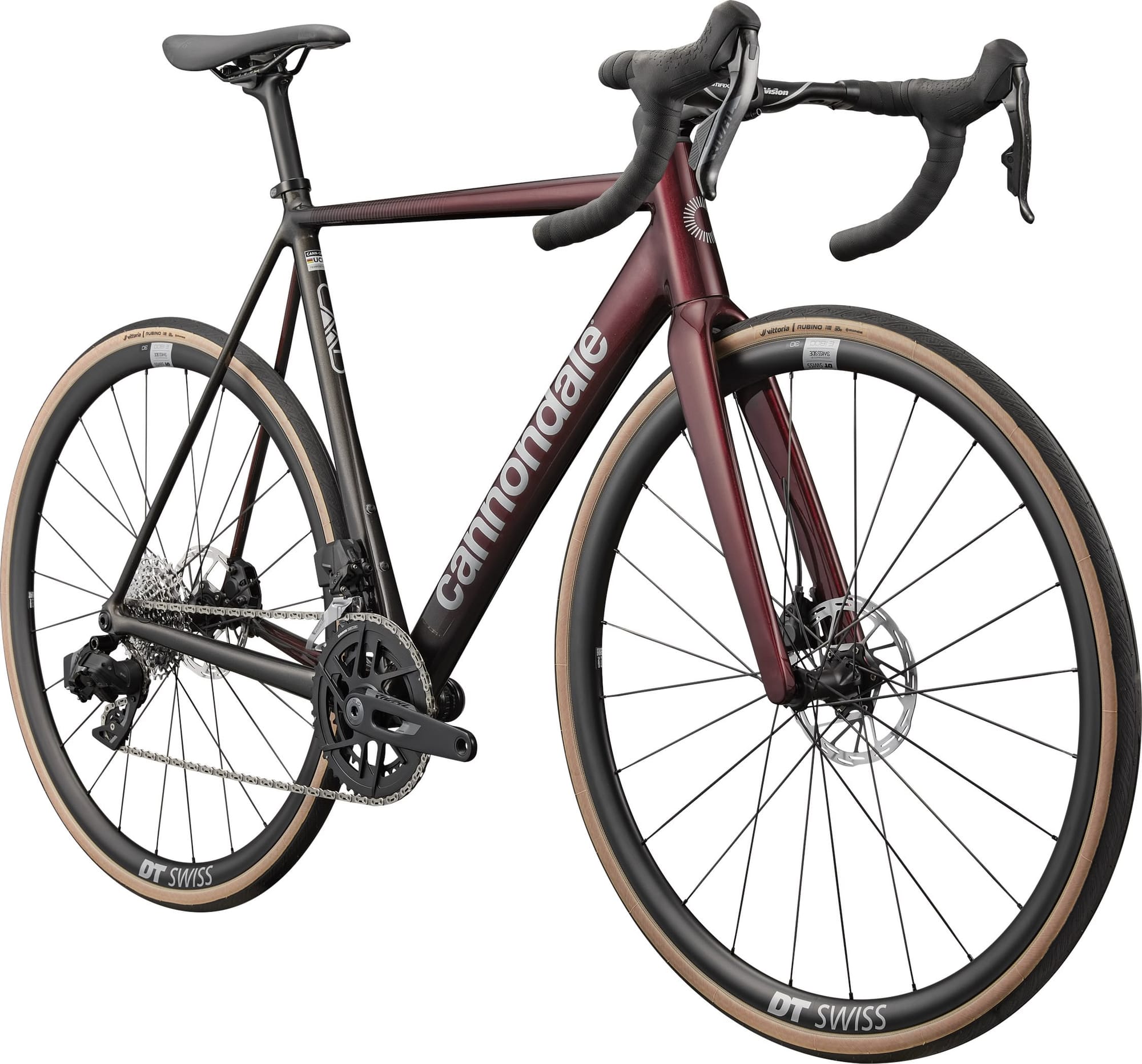
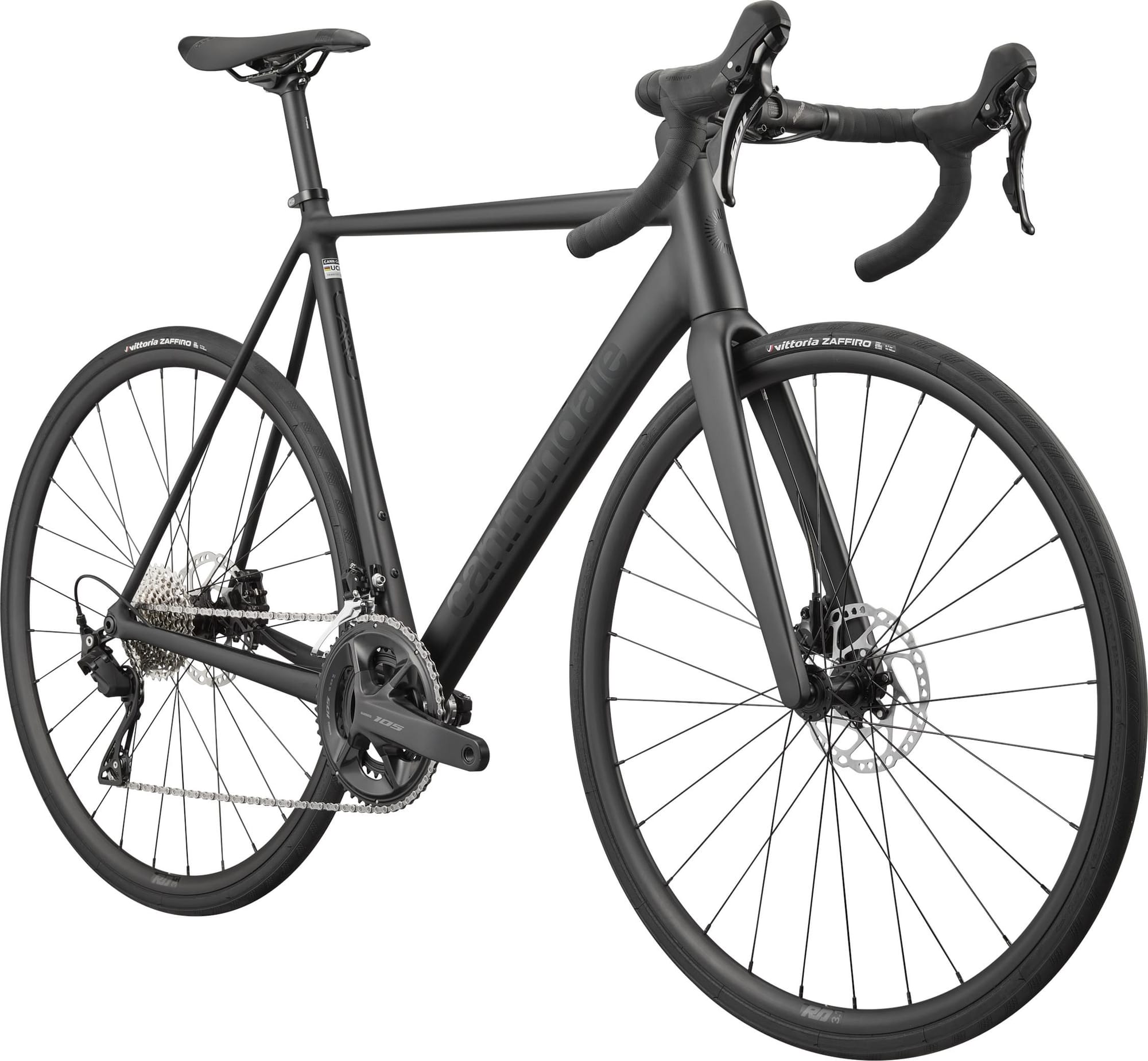
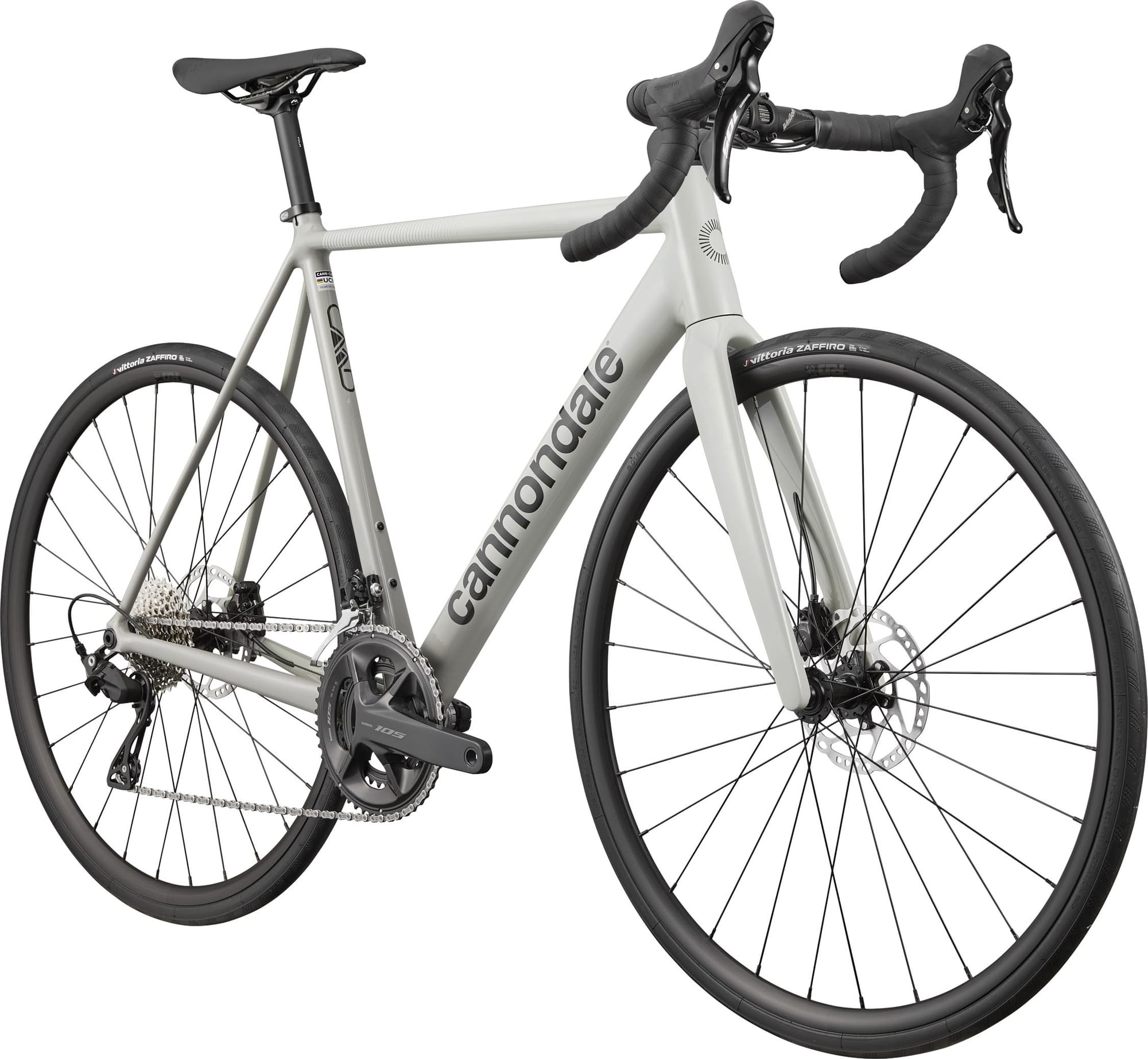
Framesets are available in red/yellow (vintage callback) or gloss black. If you're the type who likes to build light or strip paint, that's relevant. Aluminum is easier to work with than carbon for custom jobs, and the CAAD series has always had a following among people who want to spec their own parts.
I haven't ridden it yet, but the spec that matters is the return to aluminum-first design. If Cannondale actually followed through—if the tube shapes and layup are optimized for stiffness and compliance in aluminum rather than mimicking carbon—then this should ride like a CAAD is supposed to. That's the theory. Whether it holds up under power or on rough roads, I can't verify until I get time on one.