BMC Teammachine SLR: Lighter, Faster, and Now in Three Carbon Tiers
The new BMC Teammachine SLR cuts 222g and closes the aero gap to 4%. But three carbon tiers mean you're not always getting the same bike.

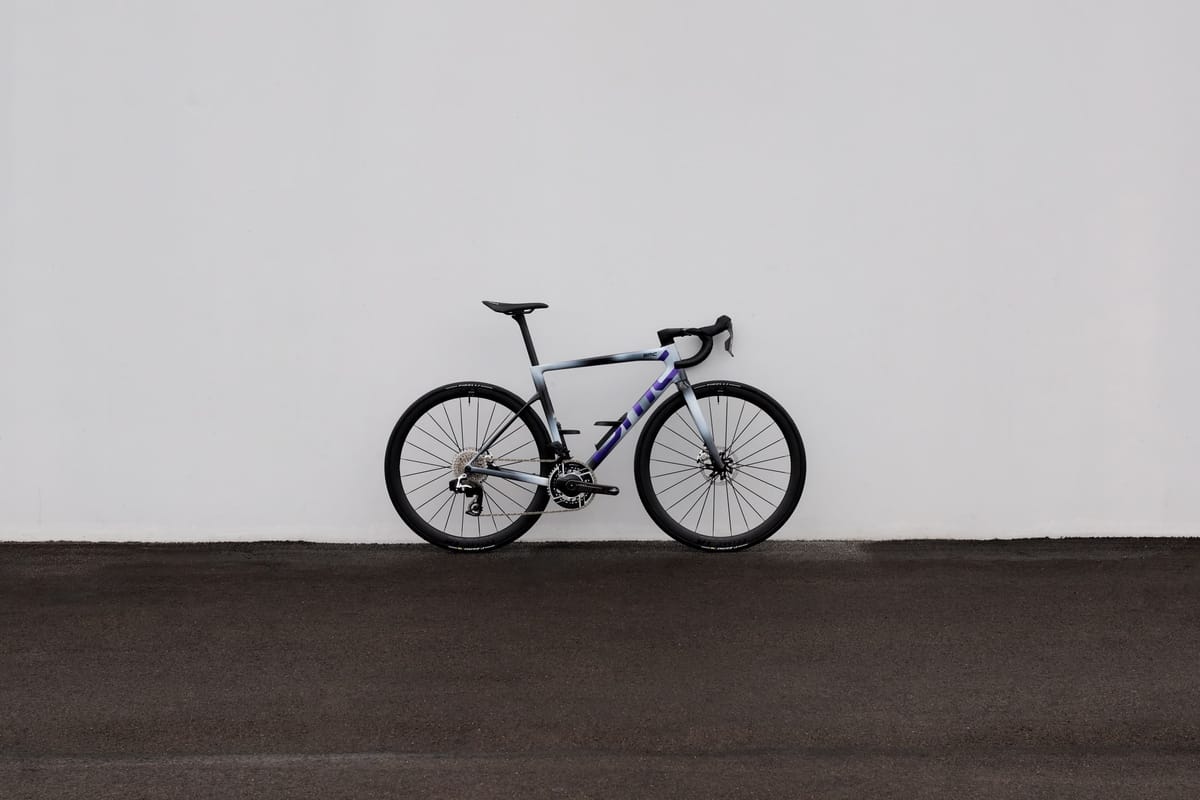
BMC's Teammachine SLR has always occupied an odd position in the road racing world. It's been the bike that wins when the road tilts up and when it doesn't. That dual capability used to mean compromise—light bikes gave up aero, aero bikes gave up weight. The new generation tries to close that gap without turning into something unrecognizable.
I haven't ridden this iteration yet, so I can't tell you how it feels under load or whether the compliance tweaks translate to anything meaningful on broken pavement. What I can do is walk through the specs that matter and explain what they actually mean if you're deciding whether this belongs in your garage.
The Weight Drop That Actually Matters
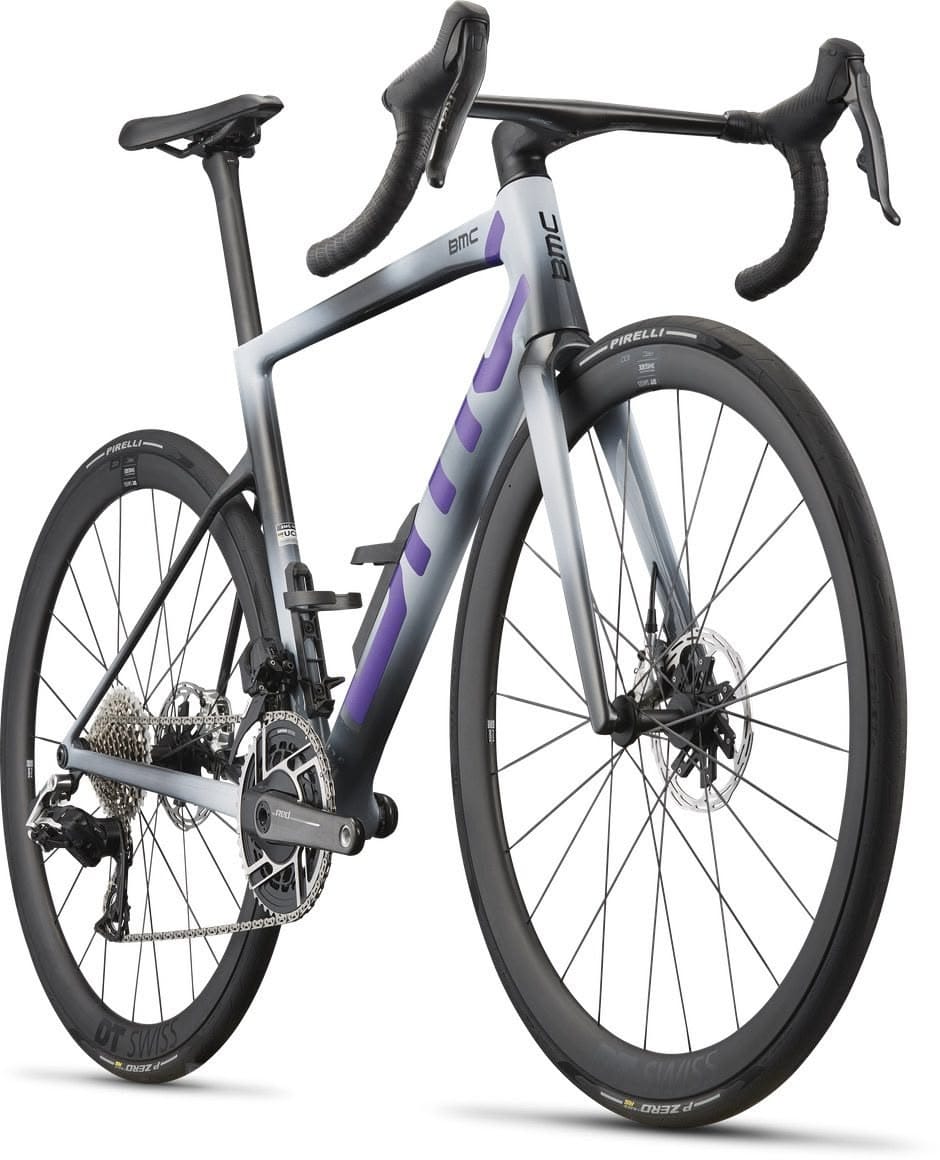
BMC cut 222 grams from the frameset compared to the previous SLR 01. That's a 16% reduction. But here's the part most coverage glosses over: they did it without reducing stiffness.
Weight alone is a vanity metric. What matters is stiffness-to-weight ratio—how much the frame flexes under power relative to its mass. A lighter frame that turns your watts into lateral flex is slower than a slightly heavier frame that doesn't.
BMC used stiffer carbon layups and refined tube shapes to pull this off. They even stripped down the graphics package to save a few grams. The result is a frame that should accelerate faster on climbs without feeling vague when you stand and sprint.
Here's the catch: this only applies to the 01 Premium Carbon construction. The Pro Carbon and Advanced Carbon versions use different layups, and BMC doesn't publish stiffness data for those tiers. If you're buying the $2,899 SLR THREE, you're getting the geometry and ride concept, but not the same structural performance as the $14,599 flagship.
Aero Gains Without Becoming an Aero Bike
The Teammachine R has always been BMC's dedicated aero platform. The SLR was the lighter, more versatile option. That distinction still exists, but the gap has shrunk to 4%.
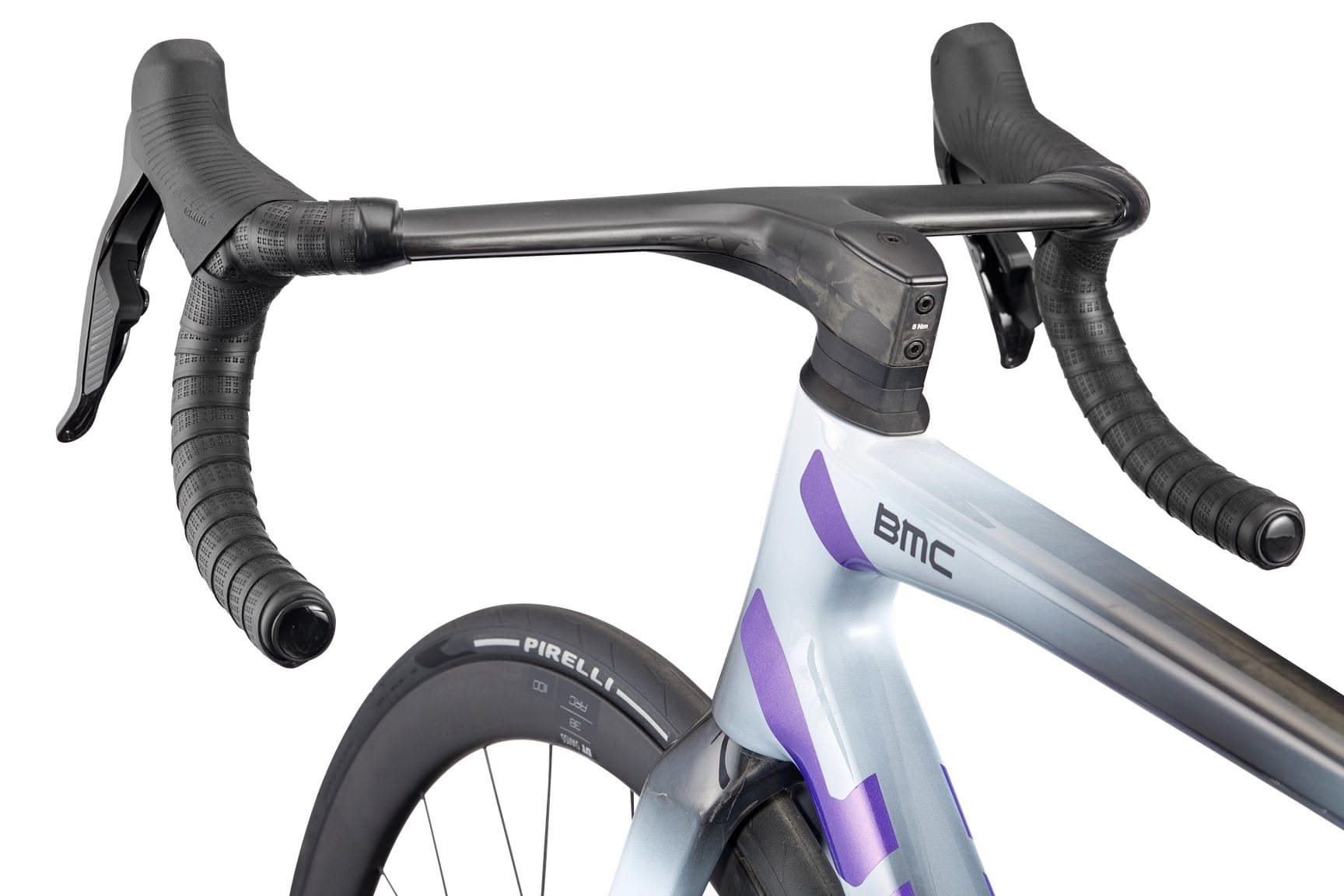
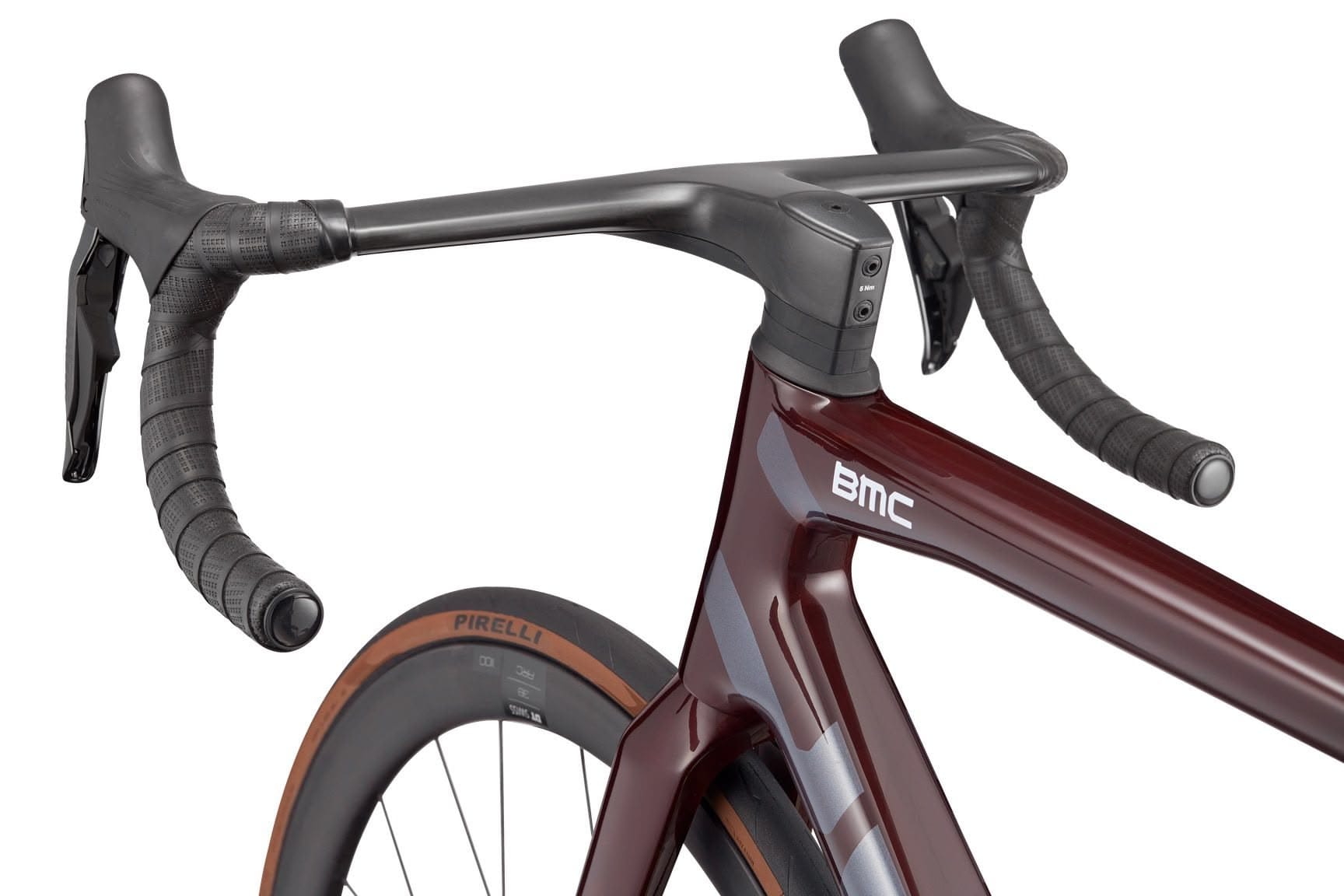
BMC reshaped the frame tubes, reduced frontal area, and integrated aerodynamic bottle cages that work with both aero and standard bottles. They also spec'd the ICS Carbon Aero cockpit on higher-tier builds, which routes cables internally and smooths airflow at the front of the bike.
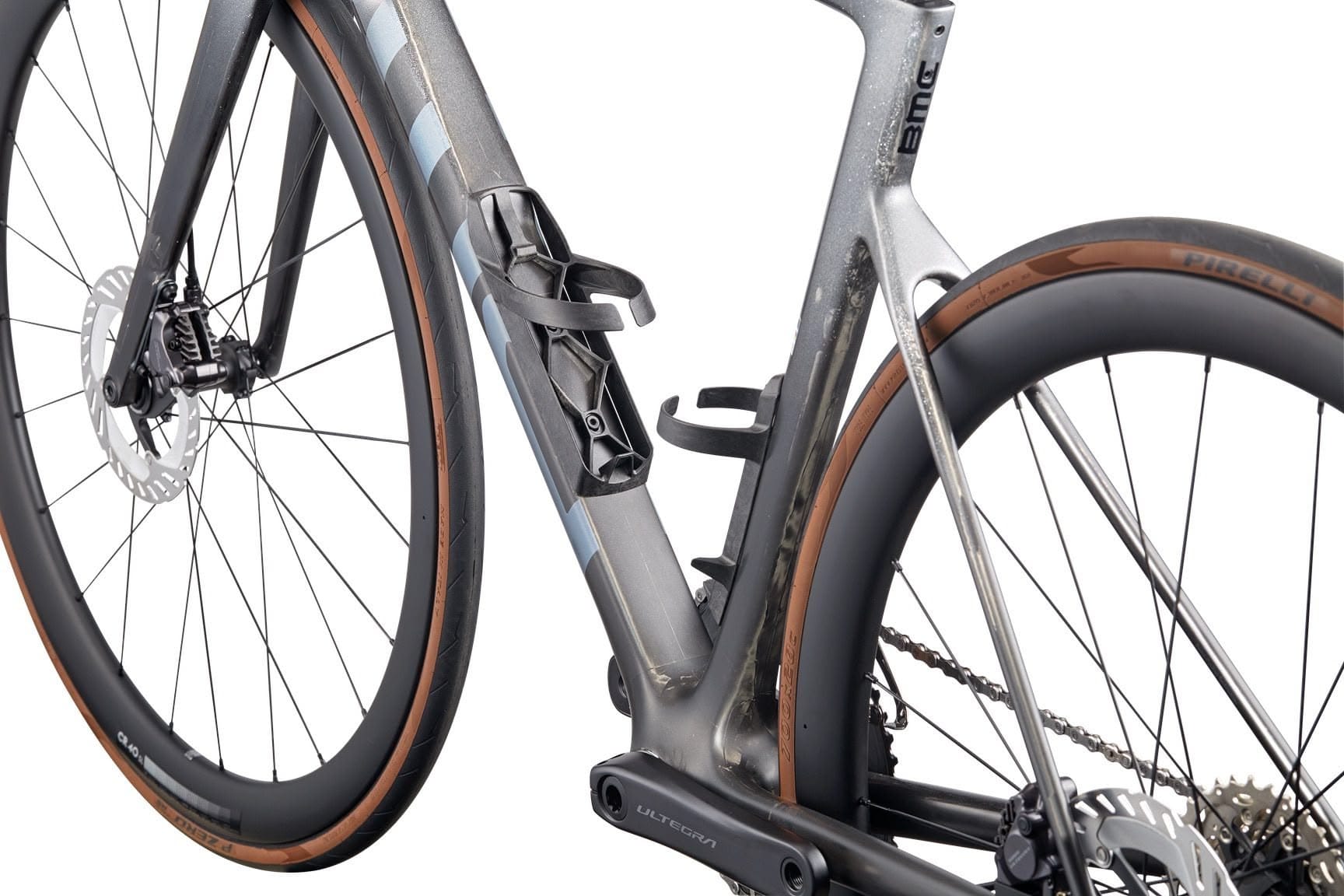
Four percent sounds small, but it's not. At 40 km/h, that difference could be worth 8–10 watts depending on rider position and conditions. Whether that matters to you depends entirely on the kind of riding you do.
If you're racing crits or doing fast group rides where positioning and handling matter more than raw aero efficiency, the SLR makes sense. If you're doing solo efforts, time trials, or long solo breakaways, the Teammachine R is still the better tool. The SLR is now close enough that it won't cost you much on flat roads, but it's not trying to replace the R.
Tuned Compliance Concept: Marketing or Mechanism?
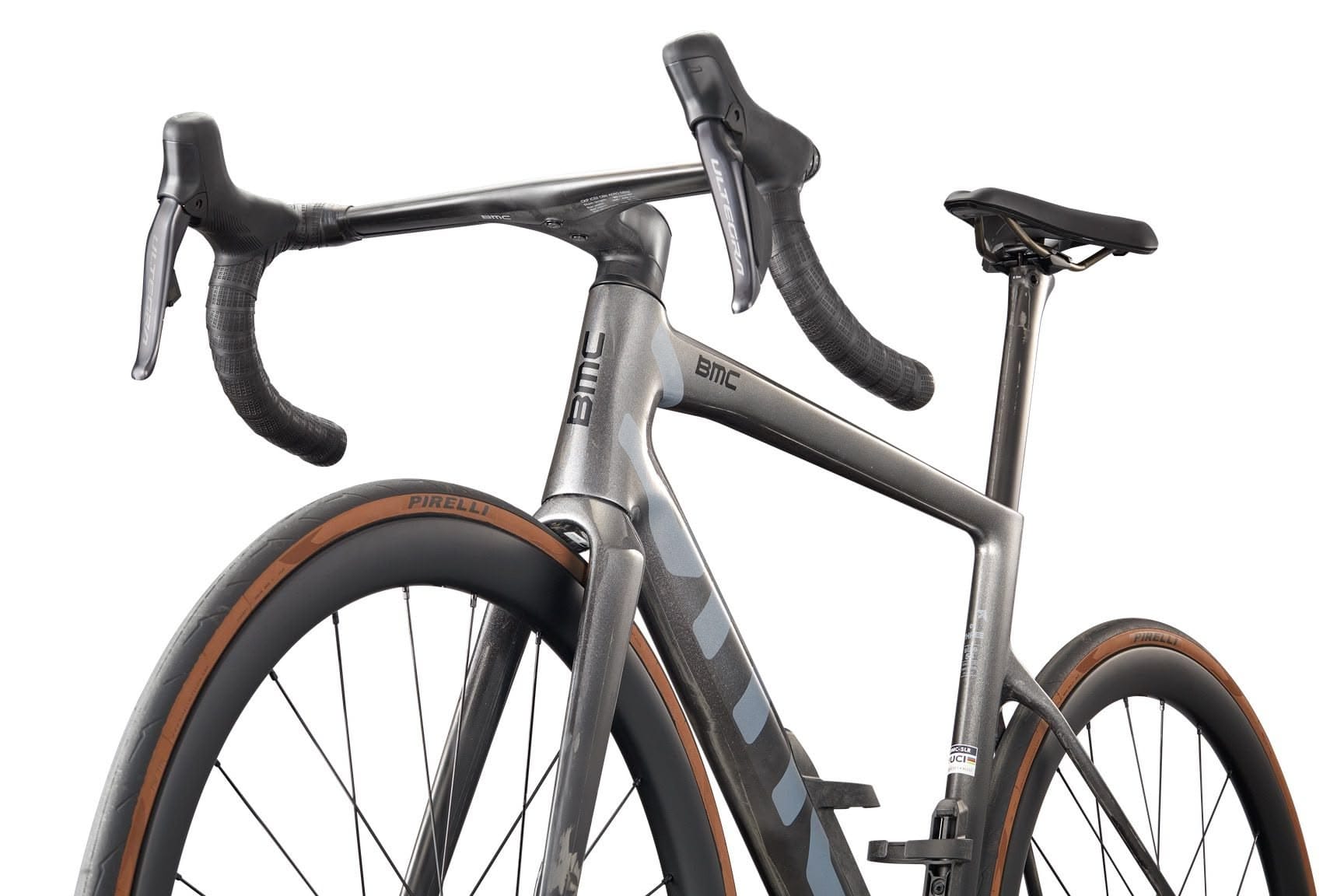
BMC's Tuned Compliance Concept (TCC) has been part of the Teammachine platform for years. The most visible element is the dropped seat stay design, where the stays intersect the seat tube lower than on traditional frames. This allows the rear triangle to flex slightly under load, which is supposed to absorb road vibration without sacrificing power transfer.
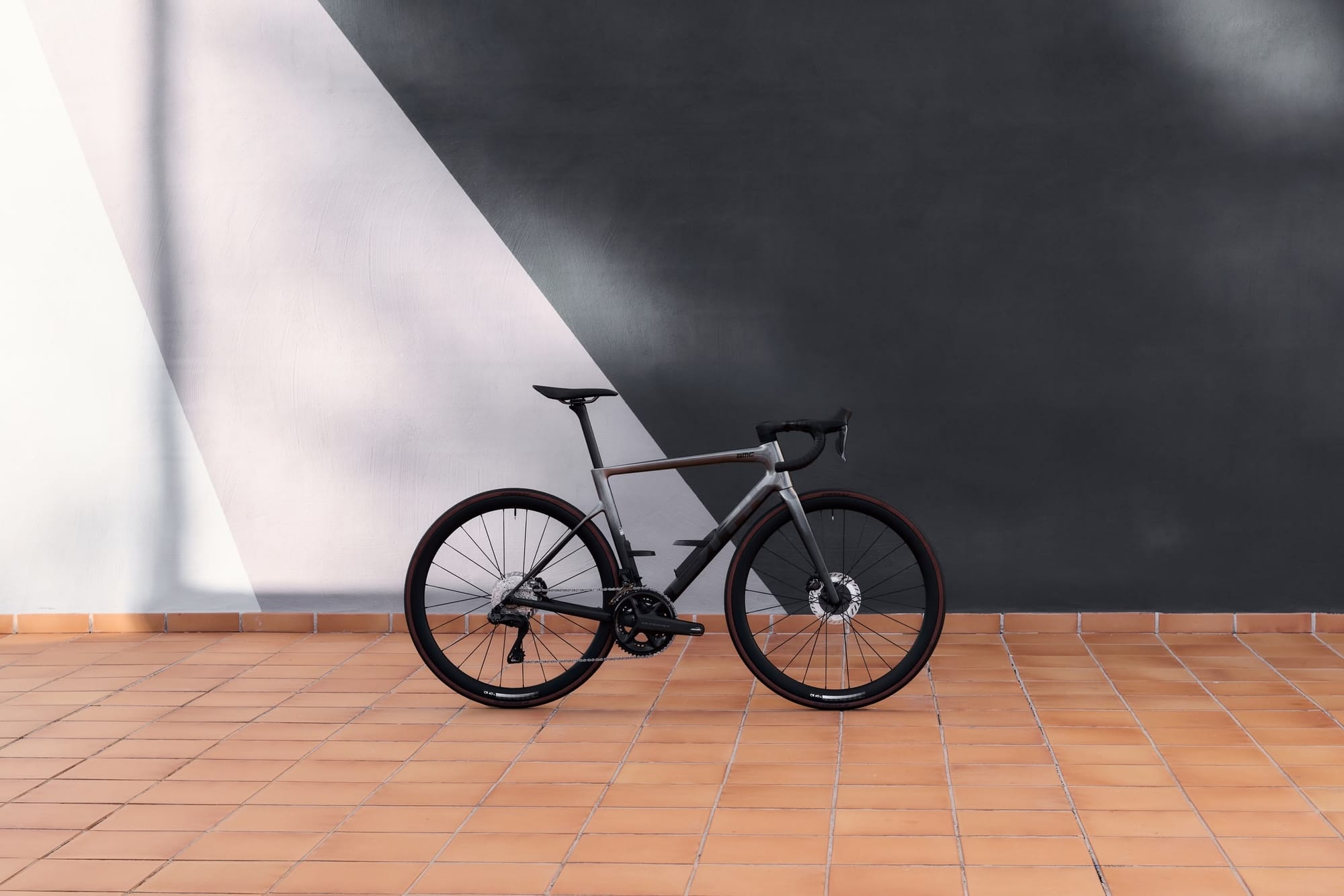
BMC claims the new SLR retains 100% of the compliance from the previous generation despite being lighter and stiffer. I can't verify that without putting miles on it, but the mechanism is sound. Dropped seat stays do allow more vertical flex, and if the front triangle is stiff enough, you can get compliance without losing watts.
What I don't know is how much this matters in practice. If you're riding smooth roads, compliance is irrelevant. If you're on rough pavement, tire choice and pressure will have a bigger impact than frame flex. The TCC might smooth out high-frequency vibration, but it's not going to turn a race bike into an endurance bike.
Geometry That Doesn't Chase Trends
BMC didn't overhaul the geometry. They kept the same 63mm trail figure across all sizes, which is the number that determines how the bike steers. Consistent trail across sizes means a 47cm frame handles like a 61cm frame—just with different reach and stack.
This is smart. Geometry trends come and go, but 63mm trail is a proven number that balances stability at speed with responsiveness in corners. The SLR shares this geometry with the Teammachine R, which reinforces the idea that these bikes are now more similar than different.
If you're coming from an older race bike with steeper angles, the SLR will feel more stable. If you're used to modern race geometry, it'll feel familiar. The one thing it won't do is surprise you mid-corner.
Three Carbon Tiers, Three Different Bikes
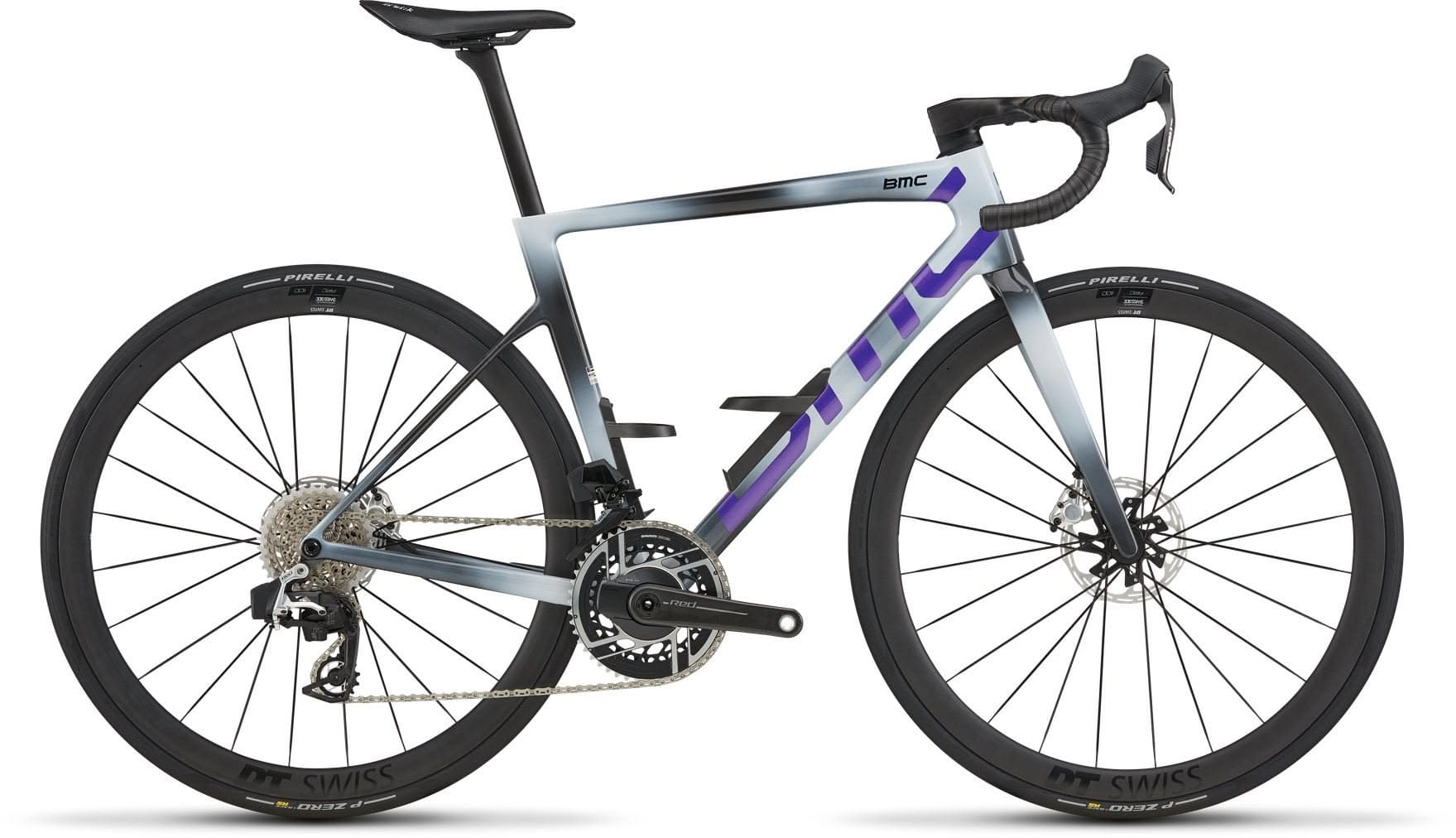
BMC now offers the Teammachine SLR in three carbon constructions: 01 Premium Carbon, 01 Pro Carbon, and Advanced Carbon. This is where things get murky.
The 01 Premium Carbon is the lightest and stiffest. It uses BMC's most advanced layup and a lightweight paint finish. The 01 Pro Carbon uses a standard paint finish and a slightly less optimized layup, but BMC claims it maintains the same ride characteristics. The Advanced Carbon uses a different layup entirely.
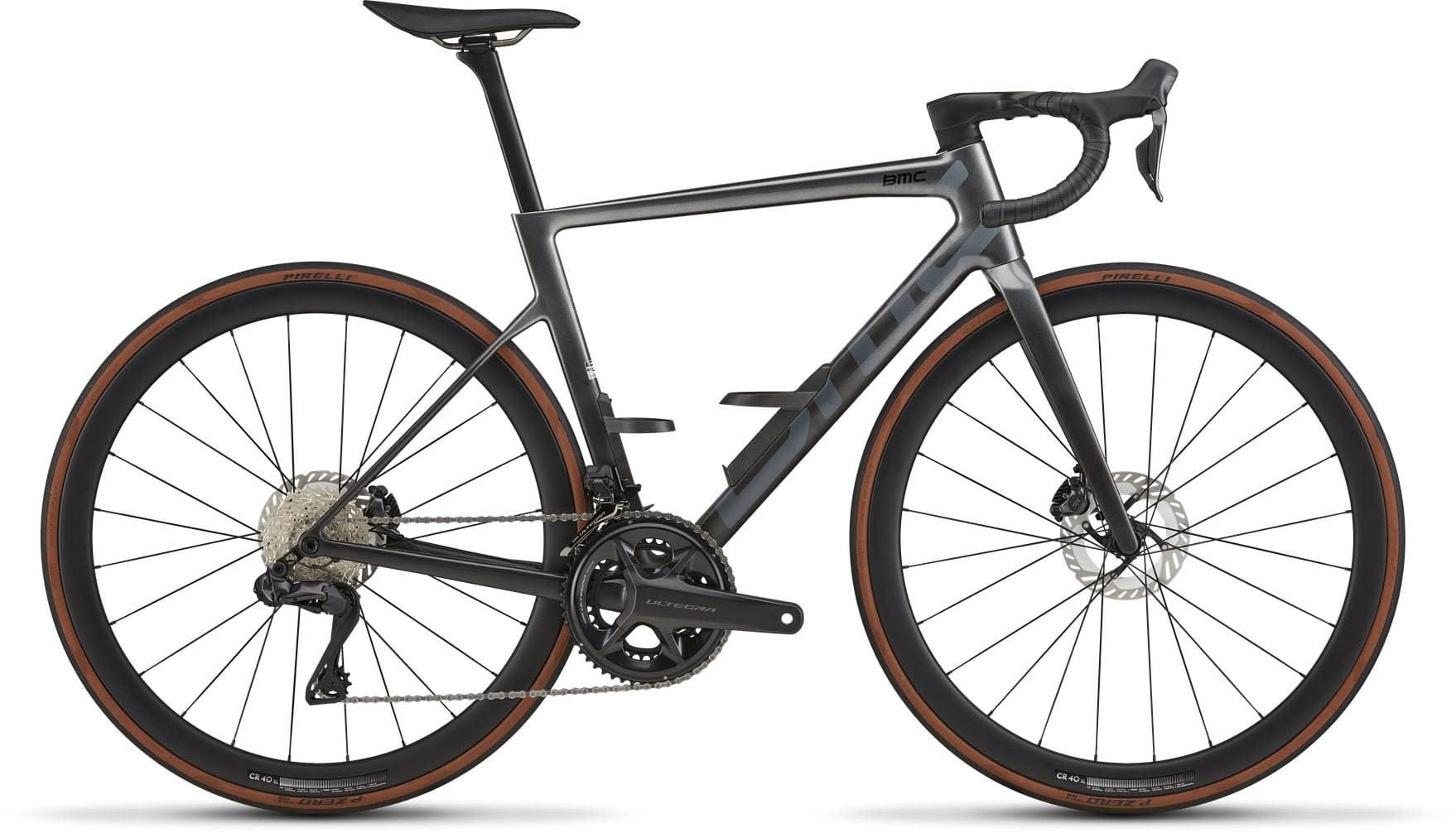
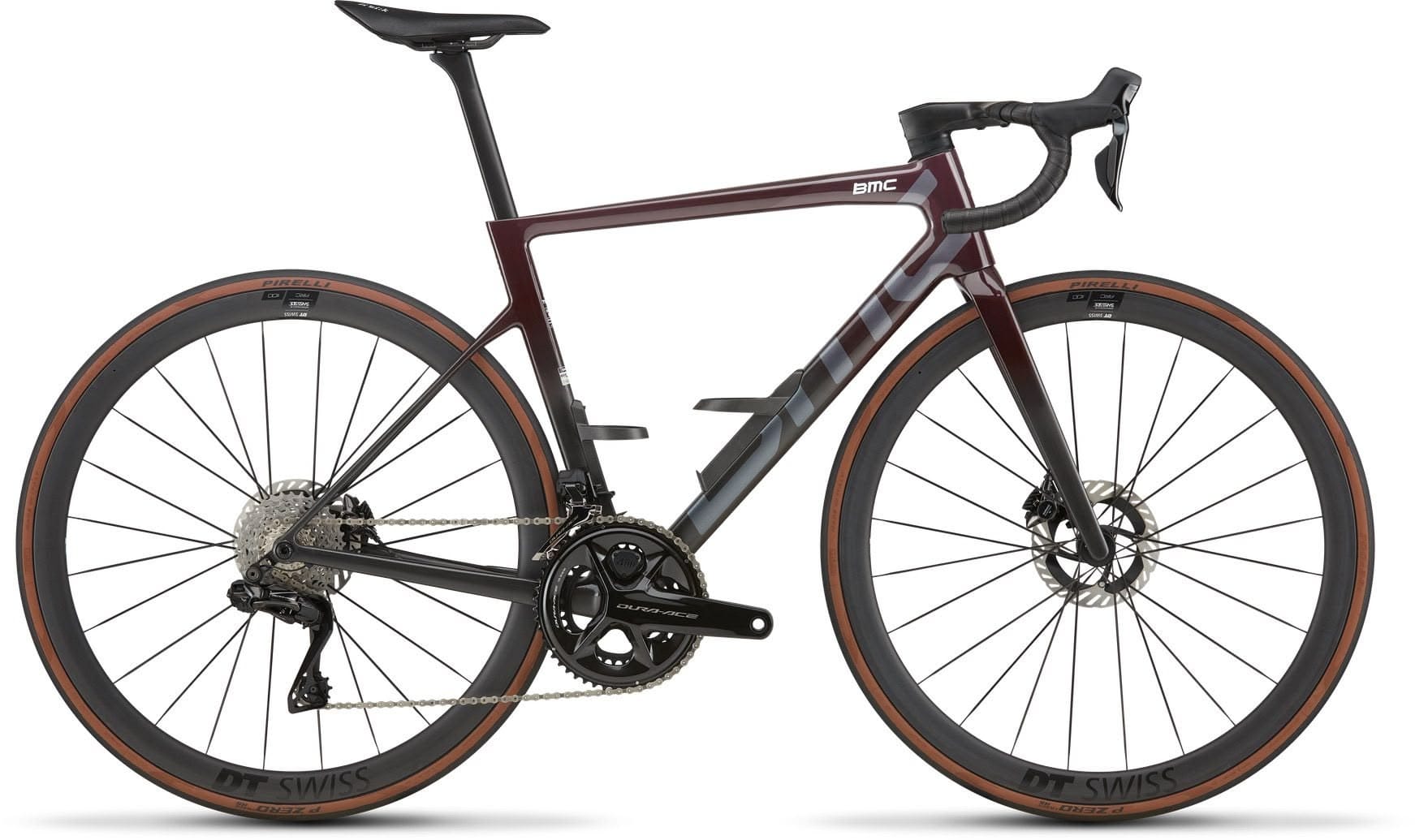
Here's what BMC doesn't tell you: how much heavier the Pro and Advanced versions are, and whether the stiffness-to-weight ratio changes. If the Advanced Carbon frame is 300 grams heavier and 10% less stiff, it's not the same bike. It's a different product with the same geometry.
This matters if you're shopping in the $3,000–$5,000 range. You're getting the Teammachine name and the handling, but you're not getting the same structural performance as the flagship. That might be fine—most riders don't need a sub-800-gram frame—but you should know what you're buying.
The Cockpit Situation
The ICS Carbon Aero cockpit is modular, which means you can swap stem lengths and handlebar widths without replacing the entire unit. This is a practical feature if you're still dialing in fit or if you share the bike with someone else.
The catch: the cockpit is expensive if you buy it separately, and it's only included on the higher-tier builds. If you're buying the SLR THREE or lower, you're getting a traditional stem and handlebar setup. That's not necessarily worse—it's cheaper to replace and easier to adjust—but you lose the aero benefit of full cable integration.
Who This Bike Is For
The Teammachine SLR makes sense if you want one bike that can climb, descend, and hold speed on flat roads without feeling like a compromise. It's not the lightest bike you can buy, and it's not the most aero, but it's close enough to both that you won't feel like you're giving up much in either direction.
If you race or ride fast group rides where the terrain varies, this is a strong option. If you do long solo efforts or time trials, the Teammachine R is still the better choice. If you mostly ride solo and prioritize comfort over speed, there are better platforms.
The pricing is steep. The flagship SLR 01 ONE starts at $14,599, which is in line with other top-tier race bikes but still a lot of money. The Advanced Carbon models start at $2,899, which is more accessible but comes with unknowns about weight and stiffness.
I'd like to see BMC publish weight and stiffness data for all three carbon tiers. Without that, it's hard to know what you're actually getting when you step down from the Premium Carbon construction.
TL;DR
- The new Teammachine SLR dropped 222g (16%) while maintaining stiffness, and closed the aero gap with the Teammachine R to just 4%—but those numbers only apply to the Premium Carbon construction, not the cheaper tiers.
- BMC's Tuned Compliance Concept uses dropped seat stays to add rear-end flex without sacrificing power transfer, but tire choice will still matter more for ride quality than frame compliance.
- Three carbon tiers mean three different bikes: the $14,599 flagship is legitimately light and stiff, but BMC doesn't publish weight or stiffness data for the Pro or Advanced Carbon versions, so you're buying on trust below that price point.