Atherton's 3D-Printed Titanium Cranks: What $922 Actually Buys You
Atherton's 3D-printed titanium cranks cost $922, weigh 506g, and come in 11 lengths. Here's what the specs actually mean for durability and fit.

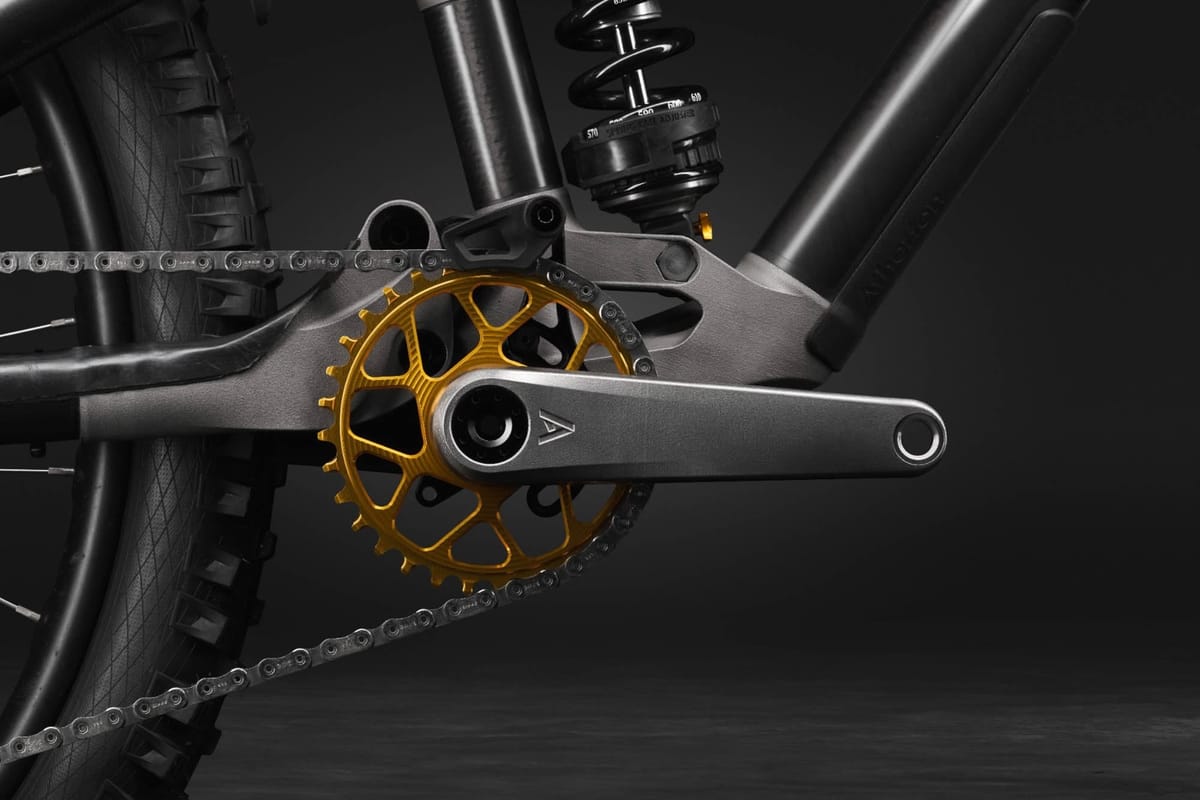
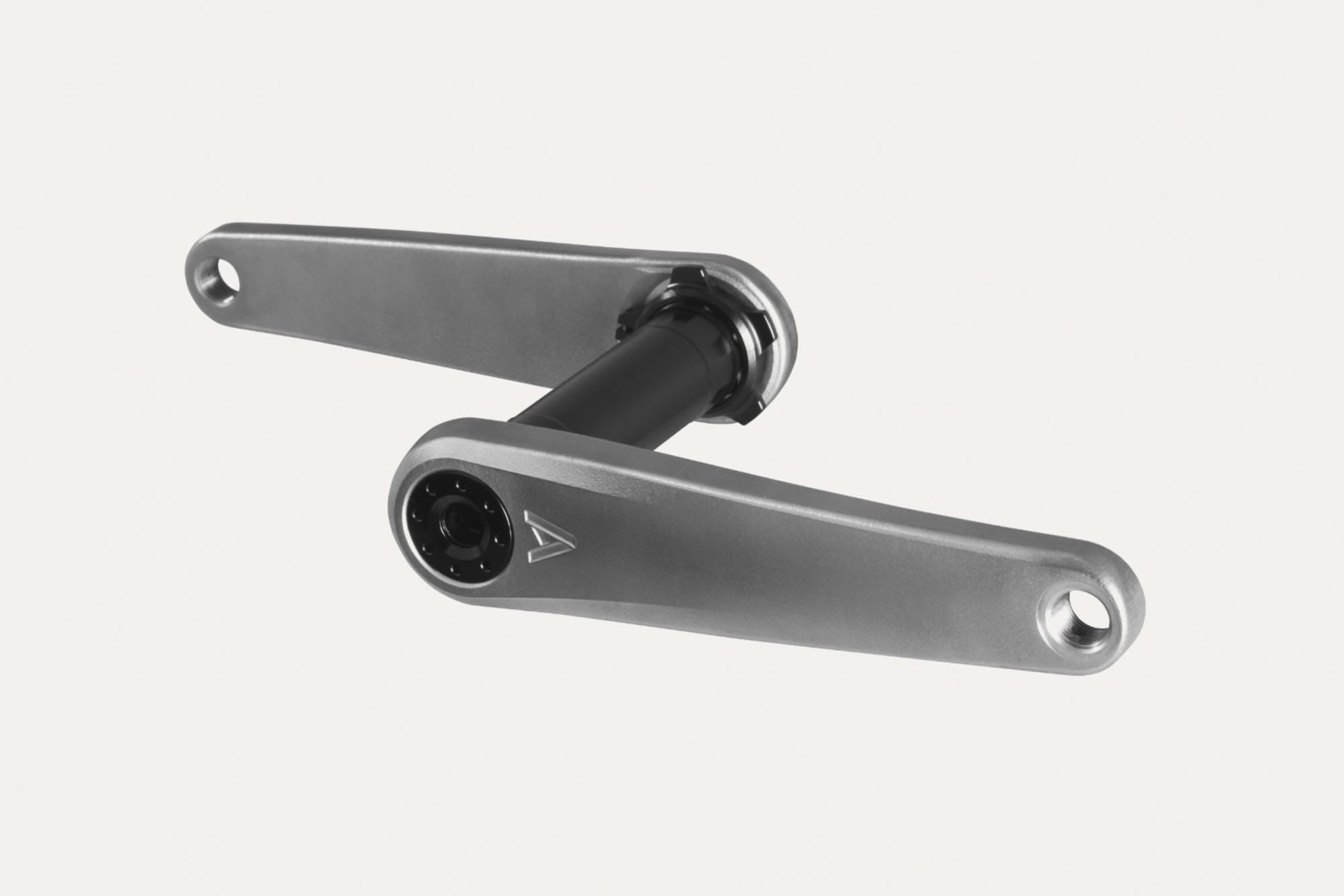
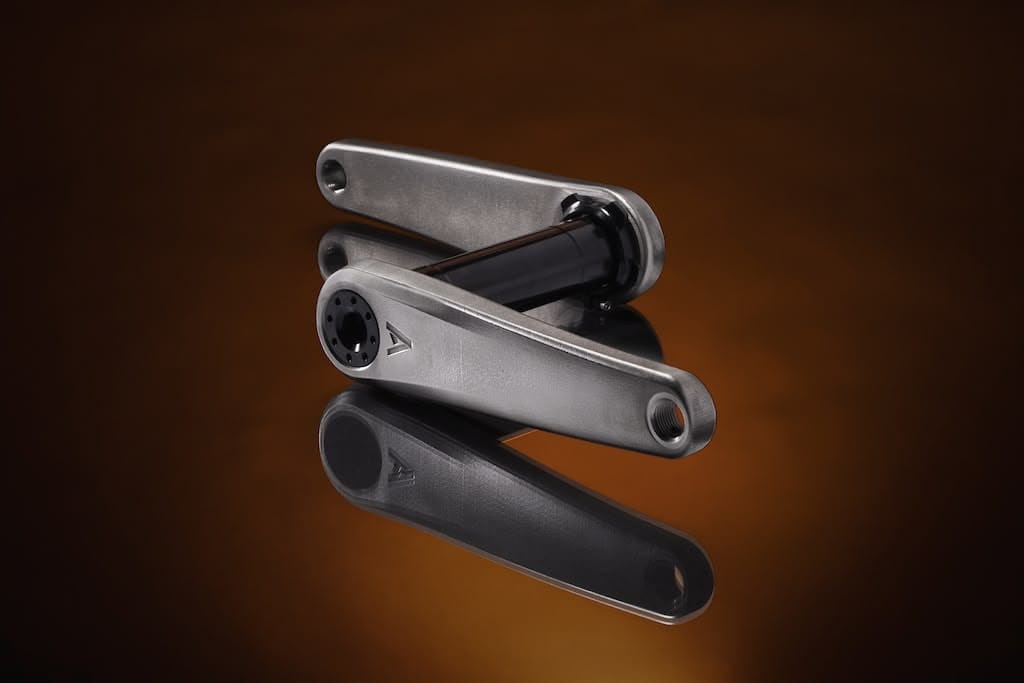
Atherton Bikes just released a 3D-printed titanium crankset that costs more than most people's entire drivetrain. The A.GR.TI starts at $922 shipped to the U.S. (before import duties), weighs 506g for a 165mm set with spindle, and comes with a lifetime warranty. It's also gravity-rated, available in 11 crank lengths, and built with the kind of internal ribbing you'd normally see in aerospace components.
I haven't installed a set yet, but the spec sheet tells you most of what matters. Here's what's actually interesting—and what isn't.
What 3D Printing Actually Buys You
The headline here is the internal structure. Traditional forged or machined cranks are limited by the constraints of subtractive manufacturing—you start with a billet and cut away material. 3D printing (specifically Direct Metal Laser Sintering) lets Atherton build from the inside out: hollow pockets, variable wall thickness, internal ribs where stress concentrates.
The result is a crank arm that's stiff where it needs to be and light where it doesn't. Atherton claims Category 5 downhill certification (EFBE and ISO testing), which is the same standard as their frame lugs. The pedal insert area is solid titanium for durability. The front and back faces are closed to shed mud. The low-profile tips are 5–6mm shorter than conventional designs, which theoretically reduces pedal strikes.
That's the engineering. The practical upside? You get 11 crank lengths in 2.5mm increments (150mm to 175mm), which is unheard of in the MTB world. If you're between sizes or running something unconventional for fit reasons, this is the only option that doesn't involve a custom machine shop.
Weight Is Fine, Not Magic
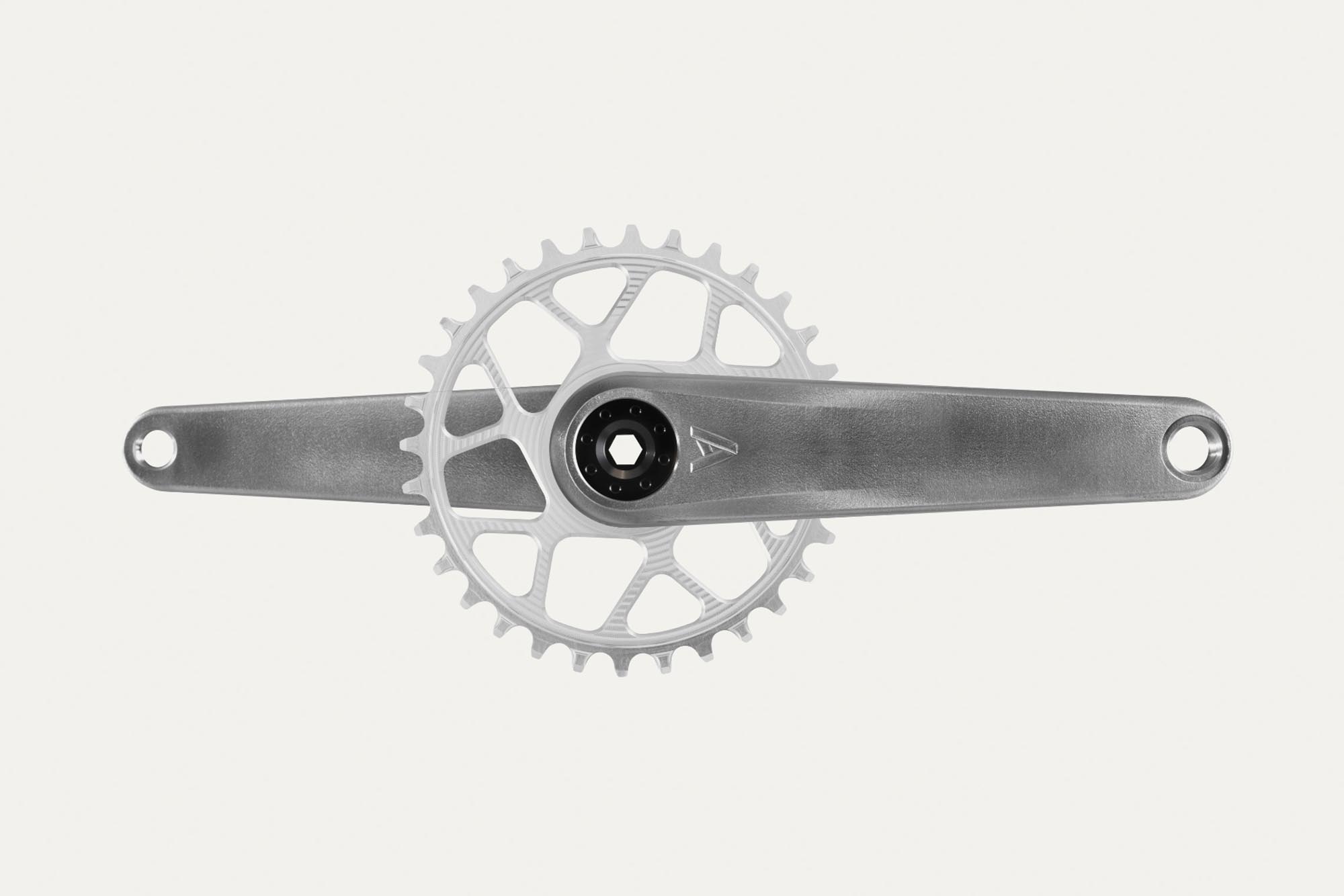
At 506g for 165mm arms with a 52mm chainline (spindle and hardware included, no ring), the A.GR.TI sits right in the middle of the high-end titanium field. Cane Creek eeWings are 398g for the same length. 5DEV's machined titanium cranks are 553g. Race Face Era carbon cranks are 499g with a 32T chainring.
So you're not buying these for weight. You're buying them for stiffness, durability, and the lifetime warranty. Titanium doesn't fatigue the way aluminum does, and Atherton's internal architecture should resist flex better than a hollow tube. But if your goal is the lightest possible crankset, eeWings are still 108g lighter—and $200 more expensive.
The Modularity Angle
The A.GR.TI uses a three-piece design: two crank arms and a 7075 aluminum spindle. The arms attach with a self-extracting bolt system (8mm Allen key), and you can swap spindles between DUB (28.99mm) and 30mm standards. Chainline options are 52mm (trail), 55mm (trail wide), and 56.5mm (DH).
This matters if you run multiple bikes or swap frames frequently. Buy one set of arms, keep a spare spindle on hand, and you're covered for most modern MTB bottom bracket standards. The catch: Atherton uses a proprietary arm-spindle interface, so you can't mix these with 5DEV's Heavy Metal spindle or other modular systems.
They're also not e-bike compatible yet. Atherton says they can print motor-specific versions if there's demand, but right now, if you're running a Bosch or Shimano motor, these won't work.
Chainring Mount and Compatibility
Atherton went with SRAM's 8-bolt direct mount standard, which is the most common option for modern MTB cranks. Works Components makes chainrings in both chainline specs for $53, and plenty of other brands offer 8-bolt rings. This is a non-issue unless you're committed to a different standard for some reason.
The spindle uses Enduro Bearings' Max Hit bottom bracket ($133), also with a lifetime warranty. That's a known quantity—sealed cartridge bearings, easy to service, widely available. No proprietary bearing sizes or weird press-fit nonsense.
The Price Reality
Here's the catch: $922 before import duties is a lot of money for cranks. For context, you could buy two sets of Race Face Era carbon cranks for the same price. Or one set of eeWings for $1,047 (which are lighter but don't have the same length options). Or 5DEV's machined titanium for $1,299 (which are heavier and more expensive).
The lifetime warranty is the justification. If you ride hard enough to crack aluminum cranks every few years, the math starts to make sense. Titanium doesn't fatigue, and Atherton's internal structure should resist impact damage better than a hollow tube. But if you've never broken a crankset, you're paying for insurance you might not need.
The other justification is fit. If you need 157.5mm cranks and no one else makes them, the A.GR.TI is the only option short of custom machining. That's worth something, but it's a narrow use case.

What I Can't Verify
I haven't ridden these, so I can't tell you how they feel under power or whether the stiffness claim holds up in practice. Atherton's frame lugs have a good reputation for durability, but cranks see different forces—torsional load, pedal strikes, chainring flex. The Category 5 certification suggests they'll survive downhill abuse, but real-world longevity is a question mark until these have been in the field for a few seasons.
I also don't know how the raw finish holds up to mud and grime. Titanium is corrosion-resistant, but the 3D-printed surface texture might trap dirt differently than a machined or forged crank. The burnished and tumbled finishes are smoother (and more expensive), but whether that's worth $30–$50 depends on how much you care about aesthetics.
Who This Makes Sense For
If you're a heavy rider who breaks aluminum cranks, or if you need a non-standard crank length for fit reasons, the A.GR.TI is the most practical option in the titanium category. The modularity is a bonus if you swap bikes frequently. The lifetime warranty makes the upfront cost easier to justify if you plan to keep riding the same crankset for a decade.
If you're chasing weight, eeWings are still lighter. If you're on a budget, Race Face Era carbon cranks are half the price and nearly as light. If you've never had durability issues with aluminum cranks, you probably don't need titanium at all.
The A.GR.TI sits in a specific niche: riders who want bombproof cranks with fit flexibility and don't mind paying for it. That's not most people, but for the subset who need what these offer, there isn't a better option.
TL;DR
- 3D-printed titanium cranks with internal ribbing, 11 length options (150–175mm in 2.5mm steps), and a lifetime warranty. Weight is 506g for 165mm arms with spindle, which is competitive but not the lightest.
- Modular three-piece design lets you swap spindles between DUB and 30mm standards, with chainline options for trail (52mm), trail wide (55mm), and DH (56.5mm). Not e-bike compatible yet.
- Price is $922 shipped to the U.S. before import duties—justified if you break cranks or need custom lengths, harder to rationalize if you've never had durability issues with aluminum.